The Primordial Waters and the Divine Assembly
The Mesopotamian creation myth, a rich tapestry woven from ancient Sumerian and Babylonian traditions, offers a profound and enduring narrative of the cosmos’s origins and humanity’s place within it. Unlike many creation accounts that begin with a singular, benevolent deity, the Mesopotamian worldview plunges into a chaotic, watery abyss. This primordial state, often personified as the god Apsu (the freshwater ocean) and the goddess Tiamat (the saltwater sea), represents the undifferentiated, potential existence from which all things would eventually emerge.
In these early stages, the divine realm itself was in a state of flux. From the mingling of Apsu and Tiamat, a new generation of gods arose – Lahmu and Lahamu, Anshar and Kishar, and finally, the more prominent deities like Anu (sky) and Ea (water, wisdom, magic). These younger gods, imbued with restless energy and a vibrant hum of existence, disturbed the peace of their elders. Apsu, weary of their clamor, plotted to silence them. However, his plans were revealed to the wise god Ea, who, through his superior wisdom and potent magic, defeated and slew Apsu, appropriating his watery domain. This act, while securing the survival of the younger gods, also sowed the seeds of future conflict, particularly with Tiamat, who mourned her consort and began to harbor a growing resentment.
The defeat of Apsu and the ascendancy of Ea marked a significant shift in the divine order. It was within Ea’s domain that the next crucial stage of creation would unfold. The myth highlights the inherent tension between chaos and order, between the passive potential of the primordial waters and the active will of the emergent gods. The divine assembly, a council of gods, plays a central role in resolving conflicts and making momentous decisions. It is in this context that the ultimate creation of humanity takes place, driven by the needs and desires of the divine.
Ancient Mesopotamians had a rich tapestry of beliefs regarding human origins, often intertwining mythology and religion. They believed that humans were created by the gods from clay, with the purpose of serving the divine. This concept of creation reflects their understanding of humanity’s place in the cosmos and the responsibilities bestowed upon them by higher powers. For a deeper exploration of ancient beliefs and their implications, you might find the article on the Piri Reis map insightful, as it discusses how historical interpretations can shape our understanding of ancient civilizations. You can read more about it here: Debunking the Piri Reis Map: A Scientific Rebuttal.
The Divine Labor and the Quest for Purpose
The burgeoning divine population, free from the threat of Apsu, found themselves with an abundance of energy and a growing sense of idleness. The myth suggests that while the gods were powerful, they were also inclined towards leisure, leaving the arduous tasks of maintaining the cosmos and the newly formed earth to their own devices. This perceived laziness and lack of divine contribution became a point of contention. The gods, it is recounted, were engaged in their revelries and pastimes, enjoying the fruits of their existence without contributing to its upkeep.
This idleness, however, presented a problem for the gods. The universe, while created, required management, maintenance, and the execution of various tasks. They needed beings to perform the labor, to attend to the divine needs, and to essentially serve as their workforce. This realization spurred a discussion within the divine assembly. The gods debated who would undertake these essential duties. Some proposed that the younger gods, those who had most directly benefited from the establishment of order, should bear this burden. However, a more pragmatic solution emerged, one that would have profound implications for the course of history.
It was during this period of contemplation and divine deliberation that the idea of creating a new race of beings began to take shape. These beings would be specifically designed to alleviate the gods of their responsibilities, to perform the drudgery that the divine deemed beneath them. This was not an act of altruism or benevolent creation; rather, it was a utilitarian necessity born from the gods’ desire for ease and the demands of managing a complex universe. The myth emphasizes the anthropocentric nature of this divine decision, where humanity’s existence is fundamentally tied to the comfort and convenience of the gods. The quest for purpose, therefore, for humanity, was intrinsically linked to the gods’ need for relief from their divine duties.
The Genesis of Humanity: A Sacrificial Solution
The pivotal moment in the Mesopotamian creation myth, the act that directly leads to the formation of humankind, involves a significant sacrifice. The gods, having decided that a new race was necessary to perform their labors, turned their attention to how such beings would be brought into existence. This problem was discussed within the divine council, and a solution was proposed that would forever mark humanity’s origin with the blood of the divine.
The myth specifically names the instigator of this sacrificial act: the god Ea. While Ea is often portrayed as a benevolent and wise deity, his role in this instance is complex. He proposes a solution that involves the shedding of divine blood. To achieve this, it was decided that one of the rebellious gods, often identified as Kingu, the leader of Tiamat’s forces in her final battle against Marduk, would be apprehended. Kingu was the husband of Tiamat and her general in the cosmic war, a figure of rebellion and chaos.
Once Kingu was captured, Ea, with his mastery of ritual and magic, would then ritually kill him. From Kingu’s blood, mixed with the primordial clay of the earth – the very substance of the nascent world – the first humans would be formed. This act is particularly significant because it imbues humanity with a dual nature: a connection to the divine through the blood of a god, and a connection to the earth through the clay. This mixture of the celestial and the terrestrial is a recurring theme in many creation narratives, but in Mesopotamia, it is explicitly linked to the blood of a defeated antagonist, suggesting that humanity’s very existence is founded upon the subjugation of chaos. The earth, already existing as a primordial element, provides the physical medium, while the divine blood offers the animating spark and the inherent connection to the divine realm, albeit a connection forged through violence.
The Shaping of Man: Divine Purpose and Earthly Materials
The creation of humanity was not a spontaneous generation but a deliberate, artisanal process. Once the divine decision was made and the materials – Kingu’s blood and the earth’s clay – were prepared, the actual shaping of the first humans commenced. This act is depicted as a meticulous and purposeful endeavor undertaken by the gods, underscoring the deliberate nature of humanity’s existence.
The principal artisan in this process is often identified as Ea, sometimes working in conjunction with other deities. The clay, representing the physical substance of the world, was taken and molded. Into this pliable material, the blood of Kingu was mixed. This mixture was not merely symbolic; it was believed to be the very essence that would animate the clay figures. The gods, in their divine workshop, would then mold these blood-infused clay forms into the likeness of humankind.
The process highlights the utilitarian nature of human creation. They were not formed out of love or a desire for companionship in the same way some other mythologies depict. Instead, they were engineered to fulfill a specific function: to serve the gods. This function encompassed a wide range of tasks, from the mundane to the essential. Humans were to perform the agricultural labor, to build the temples, to offer sacrifices, and to generally lighten the divine workload. This creation narrative establishes from the outset a hierarchical relationship between the divine and the human, with humanity existing in a state of servitude. The clay, representing their earthly origins, signifies their inherent limitations and their connection to the physical realm, while the divine blood signifies their connection to the gods, a connection that dictates their purpose and their ultimate subservience.
Ancient Mesopotamians had a unique perspective on human origins, believing that humans were created by the gods from clay and infused with divine breath. This creation myth not only reflects their understanding of humanity’s place in the universe but also highlights the relationship between the divine and mortal realms. For a deeper exploration of how ancient beliefs can influence modern perspectives, you might find it interesting to read about the implications of safeguarding assets in times of crisis in this article on protecting your assets.
The Enduring Legacy: Humanity’s Role and Divine Expectations
| Aspect | Belief | Source |
|---|---|---|
| Creation of Humans | Humans were created by the gods from clay mixed with the blood of a slain god to serve the gods. | Enuma Elish, Atrahasis Epic |
| Purpose of Humans | Humans were made to relieve the gods of labor and to worship them. | Atrahasis Epic |
| Divine Involvement | Multiple gods participated in the creation process, with the god Enki playing a key role. | Enuma Elish, Atrahasis Epic |
| Material Used | Humans were fashioned from clay and divine blood, symbolizing a mix of earth and divine essence. | Atrahasis Epic |
| Human Nature | Humans possess both mortal and divine qualities due to their mixed origin. | Mesopotamian myths |
The Mesopotamian creation myth, with its stark depiction of humanity’s origins from clay and divine blood, carries profound implications for the understanding of humanity’s role in the cosmos and the expectations of the divine. The narrative establishes a foundational understanding of the human condition as one of inherent servitude. From their very inception, humans were designed to be laborers, to attend to the needs of the gods, and to provide them with the comfort and sustenance they required.
This primal decree shaped the Mesopotamian worldview. Religion was not an avenue for personal communion or divine enlightenment in the same way as some later traditions. Instead, it was a practical system of appeasement and obligation. The meticulous construction of temples, the elaborate rituals, and the constant offering of sacrifices were not acts of worship born out of love or gratitude, but rather a fulfillment of humanity’s divinely ordained duty. To fail in these responsibilities was to risk divine displeasure, which could manifest in floods, famine, disease, or other calamities that the Mesopotamians, living in a precarious environment, understood all too well.
Furthermore, the myth instilled a sense of humility and resignation in humanity. Their existence was not a gift to be cherished for its own sake, but a means to an end for the gods. This perspective likely contributed to a stoic acceptance of hardship and suffering, as these were seen as part of the natural order of things, a consequence of their subordinate status. The dual nature of their creation – earthly clay and divine blood – also meant they possessed both limitations and a connection to the divine, a connection that was not necessarily empowering but rather a reminder of their origin and their ongoing responsibility. The legacy of this creation myth continues to resonate, offering a powerful, albeit somber, perspective on the origins of humanity and its enduring place in the grand cosmic scheme as perceived by the ancient Mesopotamians. Their purpose was clear, their materials were humble, and their destiny was inextricably bound to the desires of their creators.
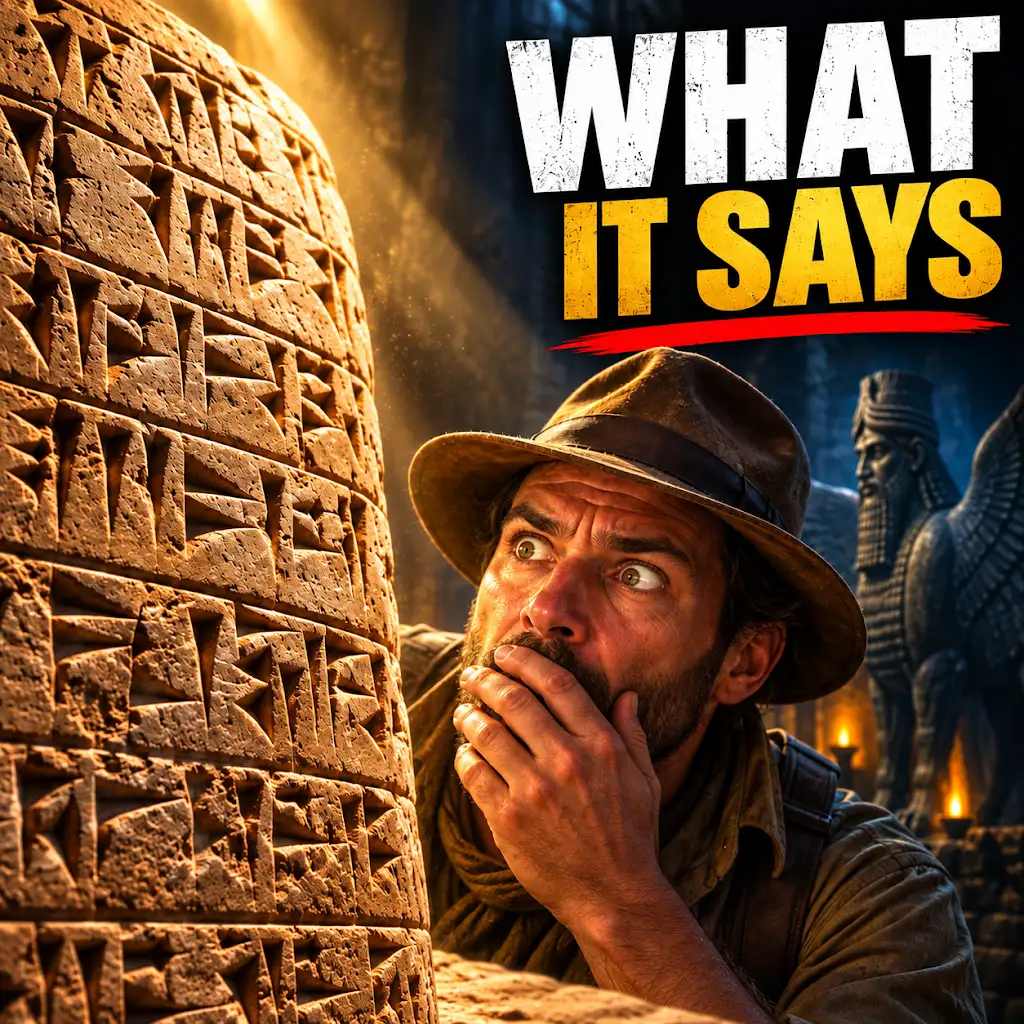
The Anunnaki Origin Story Changes When You Read the Tablets
FAQs
What did ancient Mesopotamians believe about human origins?
Ancient Mesopotamians believed that humans were created by the gods to serve them and perform various tasks on Earth.
Who were the main gods involved in the creation of humans according to Mesopotamian beliefs?
The main gods involved in the creation of humans in Mesopotamian beliefs were Enki (Ea) and Ninmah (Ninhursag).
How did ancient Mesopotamians view the relationship between gods and humans?
Ancient Mesopotamians believed that gods were superior beings who created humans to serve them and fulfill their needs through rituals and offerings.
Did ancient Mesopotamians have a creation myth that explained human origins?
Yes, ancient Mesopotamians had a creation myth known as the “Enuma Elish” which described the creation of humans and the world by the gods.
What role did humans play in the eyes of the ancient Mesopotamian gods?
Humans were seen as servants and worshippers of the gods, responsible for carrying out their will and providing offerings to ensure the gods’ favor and protection.