
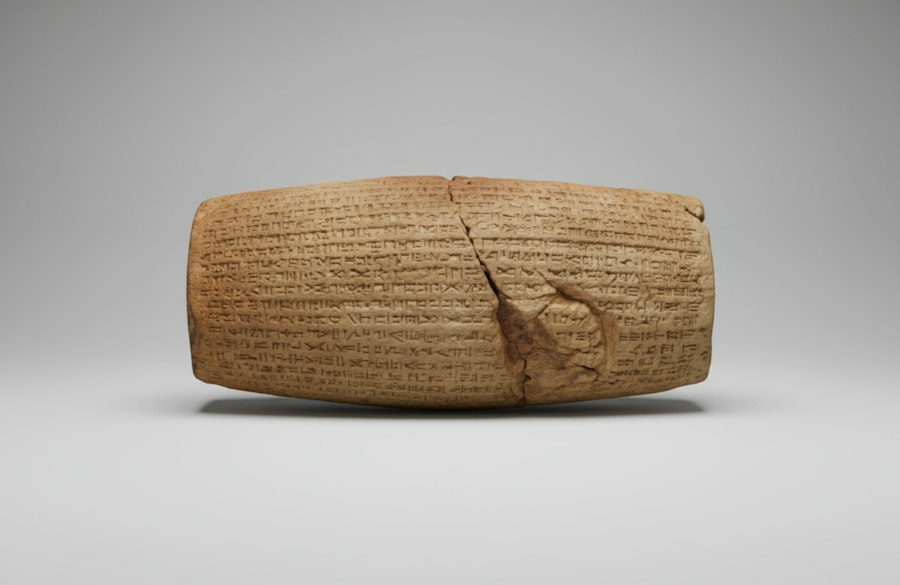
The air in Mesopotamia, some five millennia ago, was thick with the scent of drying clay and the murmur of voices speaking a language unlike any other. From this cradle of civilization, a civilization that would lay the groundwork for so much of what we understand about human society, emerge the Sumerians. And with them, the Sumerian tablets. These unassuming pieces of baked clay, inscribed with the wedge-shaped strokes of cuneiform script, are more than just historical artifacts; they are whispers from the dawn of human consciousness, holding within their intricate markings the potential to unravel mysteries that have plagued thinkers for millennia, most notably, the very origin of humanity.
For centuries, these tablets lay buried, silent witnesses to a forgotten past. It was only through the painstaking efforts of archaeologists and linguists that their voices began to echo once more. Deciphering cuneiform was no small feat. The script, pictographic in its earliest forms, evolved into a complex system of abstract symbols representing syllables and concepts. The process of unlocking its meaning was a monumental intellectual endeavor, akin to piecing together a cosmic jigsaw puzzle with fragments scattered across vast swathes of time and space. Yet, with each deciphered line, with each translated phrase, a picture of a world both alien and eerily familiar began to emerge.
Among the vast corpus of Sumerian literature, a particular set of texts has captured the imagination of scholars and the public alike: the creation myths and epic poems. These narratives, detailing the formation of the cosmos, the emergence of the gods, and the subsequent creation of humankind, offer a profound, albeit symbolic, account of origins. While often couched in the language of divine intervention and celestial machinations, these stories, when subjected to rigorous analysis, can provide insights into the Sumerians’ understanding of their place in the universe and, by extension, offer a window into the early human psyche grappling with fundamental existential questions. This article seeks to delve into these ancient texts, not as literal historical accounts, but as rich tapestries of thought that might, through careful decoding, shed light on the very origins of our species, both culturally and perhaps even biologically, as interpreted through the lens of their own sophisticated understanding of the world.
Whispers from the Primordial Void: The Sumerian Genesis
The Sumerian understanding of creation is not a singular, monolithic narrative, but rather a tapestry woven from various myths and hymns. However, a recurring theme is the emergence of order from chaos, a concept deeply embedded in the human psyche across cultures and time periods. The earliest strata of Sumerian thought suggest a primordial, watery abyss, a state of undifferentiation from which the first deities arose. This primordial ocean, often personified as the goddess Nammu, is the ultimate source of all existence.
The Divine Assembly and the Birth of the Cosmos
Central to the Sumerian creation narrative is the emergence of a divine pantheon. From the primordial waters, the sky god An and the earth goddess Ki are born. Their union, or more accurately, their separation, ushers in the physical universe as the Sumerians understood it. This separation of heaven and earth is a fundamental motif, reflecting an early attempt to categorize and understand the fundamental forces of nature. The celestial realm, the domain of An, becomes the source of divine authority and cosmic law, while the terrestrial realm, governed by Ki, is the cradle of life.
The subsequent generations of gods, each with their distinct roles and responsibilities, populate this newly formed cosmos. Figures like Enlil, the god of wind and storms, and Enki, the god of water, wisdom, and crafts, play crucial roles in shaping the world and establishing the foundations of civilization. Enlil’s decree, for instance, is often depicted as the force that organizes the chaotic elements into a structured, habitable world. Enki, on the other hand, is frequently portrayed as the benevolent creator and protector, the divine artisan who imbues the world with life and order.
The Role of Humanity in the Divine Plan
Perhaps the most compelling aspect of the Sumerian creation myths, particularly from the perspective of understanding humanity’s origin, is the explanation for the creation of mankind. Unlike some creation narratives where humans are accidental byproducts or purely subservient beings, the Sumerians present a more complex, and some might argue, more relatable, motivation. According to the Atra-Hasis epic, a later Akkadian version of a Sumerian theme, the younger gods, after their initial toil in establishing the cosmos, grew weary and demanded that the elder gods perform their labors. The elder gods, particularly Enlil, found this unacceptable.
It was Enki, the wise and resourceful god, who proposed a solution: the creation of a new being, one that could shoulder the burden of the gods’ work. This new being would be fashioned from clay, the very substance of the earth, and imbued with a divine spark. This is where the tablets offer a fascinating, albeit metaphorical, glimpse into the perceived origin of humanity. The act of creation is not merely a whim of the gods, but a response to a practical need, a necessity for the maintenance of the cosmic order. Humanity is thus born out of a need for labor, a purpose that, in its own way, gives early humans a significant, even if utilitarian, role in the grand design.
The Sumerian tablets, which are among the earliest written records in human history, provide fascinating insights into the origins of humanity and the development of civilization. These ancient artifacts not only document the daily lives and beliefs of the Sumerians but also hint at advanced knowledge and technologies that have long been lost to time. For a deeper exploration of this topic, you can read the article titled “Unearthed: The Lost Tech They Hid,” which delves into the mysteries surrounding ancient civilizations and their contributions to human progress. You can find the article here: Unearthed: The Lost Tech They Hid.
The Tablet of Destinies and the Blood of Kings: Divine Authority and Human Lineage
The concept of divine decree and inherent authority permeates Sumerian society and is reflected in their creation narratives and legal codes. The “Tablet of Destinies” is a central artifact in Sumerian mythology, representing the ultimate authority and the predetermined fate of gods and mortals alike. This artifact, often depicted as being held by the chief deity, An or Enlil, encapsulates the Sumerian worldview, where destiny is divinely ordained and beyond mortal control.
Enlil’s Decree and the Establishment of Kingship
In many Sumerian myths, it is Enlil who pronounces the decrees that shape the world and determine the course of events. This notion of a supreme being dictating the fate of creation extends to the establishment of human institutions, most notably kingship. The Sumerians believed that kingship was a divine gift, bestowed upon humanity to maintain order and govern justly. The gods, it is said, descended from heaven and established kingship among men. This divine mandate legitimized the rule of earthly monarchs and underscored the sacred nature of their office.
The concept of kingship being divinely ordained has profound implications for our understanding of early human social structures and the development of complex societies. It suggests a deep-seated need for leadership and a belief that such leadership should be sanctioned by a higher power. This not only provided a framework for governance but also imbued rulers with a sense of responsibility and accountability to the divine. The lineage of kings was often traced back to the gods themselves, further solidifying their authority and their connection to the cosmic order.
The Blood of the Gods and the Creation of the First Humans
A particularly intriguing aspect of the Sumerian creation narrative, found in texts like the Epic of Gilgamesh and later interpolations, involves the blood of the gods being mixed with clay to form the first humans. This act of mingling divine essence with earthly matter is a powerful metaphor for the dual nature of humanity – possessing both a physical, earthly form and a spiritual, divine spark. It suggests that humans are not merely physical beings, but are, in a sense, divine creations, endowed with a capacity for thought, reason, and perhaps even a connection to the divine realm.
This idea of a divine component within humanity is crucial when considering the “origin of humanity” from a Sumerian perspective. It speaks to their understanding of consciousness, sentience, and the unique qualities that set humans apart from other creatures. The mixing of blood with clay can be interpreted as the infusion of life force, intellect, and a capacity for complex emotions and social interactions. It is through this divine contribution that humans are able to perform the tasks assigned to them by the gods and to eventually develop their own cultures, societies, and civilizations.
The Anunnaki and the Great Work: Labor, Civilization, and the Dawn of Society
The Sumerian creation myths, while often focusing on the divine, also provide a foundational narrative for the development of human civilization and the very concept of organized labor. The emergence of human society, as depicted in these ancient texts, is intrinsically linked to the concept of the “Great Work” – the monumental tasks undertaken by both gods and humans.
The Tilling of the Earth and the Digging of Canals
The Sumerians, living in a fertile crescent that required sophisticated irrigation systems to thrive, placed immense value on agricultural labor. Their myths often reflect this, depicting the gods themselves as being involved in the initial stages of tilling the earth and establishing the foundations of agriculture. However, as mentioned earlier, the impetus for the creation of humans stems from the gods’ desire to alleviate their own toil. This is where the Anunnaki, the primary pantheon of Sumerian gods, come into play.
The Anunnaki, after their initial struggles in creating the cosmos, found themselves overburdened by the more mundane tasks of sustenance and maintenance. It was they who, guided by Enki, decided to create humanity to undertake this labor. The first tasks assigned to humans were often depicted as digging canals, cultivating the land, and building cities. These were not merely chores; they were seen as essential contributions to the cosmic order, ensuring the continued prosperity of both the gods and humanity. This establishes a powerful connection between human labor and the maintenance of civilization itself, a concept that would resonate throughout history.
The Dawn of Society: Law, Order, and Social Hierarchy
The creation of humanity was not simply about providing a workforce. It was also about establishing a structured society capable of fulfilling these divine mandates. Sumerian tablets detail the establishment of laws, the organization of cities, and the development of social hierarchies, all of which are presented as divinely sanctioned. The very concept of law, with its emphasis on justice and order, can be traced back to these early myths.
The Sumerians believed that the gods themselves laid down the principles of justice and that earthly rulers were responsible for upholding these principles. This led to the development of some of the earliest known legal codes, which sought to regulate human behavior and ensure the smooth functioning of society. The intricate social structures, with their distinct roles for priests, kings, scribes, farmers, and artisans, were also seen as part of this divinely ordained order. Thus, the origin of humanity, in the Sumerian context, is not just about biological creation, but also about the creation of society, its institutions, and its fundamental principles.
The Gods We Are: Reflections on Human Nature and Divine Spark
While the Sumerian creation myths offer a functional explanation for the creation of humanity – namely, to serve the gods – they also contain profound philosophical underpinnings regarding human nature and our inherent connection to the divine. The idea of being created “in the image of the gods,” or more precisely, with a divine spark, is a recurring theme that elevates humanity beyond mere biological existence.
The Imperfect Reflection: The Flaws and Virtues of Mortals
The Sumerians, much like us, were acutely aware of the inherent imperfections of humankind. Their myths are replete with tales of human folly, greed, and the consequences of defying the gods. Yet, alongside these narratives of flaw, there are also stories that highlight human ingenuity, compassion, and resilience. This duality, this inherent capacity for both good and evil, for both wisdom and foolishness, is presented as a reflection of the complex and sometimes contradictory nature of the gods themselves.
The gods, while powerful and often awe-inspiring, were also depicted with very human-like emotions and motivations. They experienced jealousy, anger, love, and sorrow. By imbuing humans with a part of their essence, the Sumerians were, perhaps, acknowledging this shared complexity. It suggests that the human experience, with all its joys and struggles, is a miniature reflection of the divine drama unfolding in the heavens. This understanding of human nature, as a blend of divine potential and earthly limitations, is a significant contribution to our ongoing exploration of what it means to be human.
The Quest for Immortality: Acknowledging Our Mortality
The Sumerian obsession with the afterlife and the quest for immortality, most famously personified by the epic hero Gilgamesh, further illuminates their understanding of the human condition. The very desire for immortality is a testament to the perceived value and significance of human life, a life that, despite its flaws, is imbued with a divine spark. Gilgamesh’s arduous journey to cheat death highlights the deep-seated human yearning to transcend mortality, a yearning that arises from the awareness of our inherent finitude, a finitude that stands in stark contrast to the eternal nature of the gods.
The failure of Gilgamesh to achieve immortality, despite his heroic efforts, serves as a poignant reminder of the boundaries between the mortal and the divine. It reinforces the Sumerian belief that while humans may possess a divine spark, they are ultimately bound by their earthly existence. However, this does not diminish the significance of human life. Instead, it elevates the importance of living a meaningful and purposeful life within the confines of mortality, a life that honors the divine spark within and contributes to the cosmic order. The Sumerian tablets, in this regard, offer a sophisticated and enduring perspective on the human quest for meaning and the acknowledgment of our unique, yet mortal, place in the universe.
The Sumerian tablets, often regarded as some of the earliest written records in human history, provide fascinating insights into the origins of humanity and the development of civilization. These ancient artifacts not only document the daily lives and beliefs of the Sumerians but also hint at the complex social structures that emerged in Mesopotamia. For those interested in exploring how ancient societies laid the groundwork for modern wealth and power dynamics, a related article discusses the implications of elite assets in contemporary society. You can read more about this intriguing connection in the article found here.
The Legacy of the First Humans: Shaping Civilization and Enduring Questions
| Metric | Data/Value | Description |
|---|---|---|
| Number of Sumerian Tablets Discovered | Approximately 450,000 | Total tablets excavated from ancient Mesopotamian sites |
| Estimated Age of Oldest Tablets | Circa 3100 BCE | Oldest known Sumerian cuneiform tablets date back to this period |
| Tablets Related to Human Origins | ~50 | Number of tablets referencing creation myths or human origins |
| Primary Language | Sumerian | Language used in the tablets discussing humanity’s origin |
| Key Myth Referenced | Enki and Ninhursag | Myth explaining creation of humans from clay and divine intervention |
| Material Used for Tablets | Clay | Medium on which the Sumerians inscribed their texts |
| Average Tablet Size | 10 cm x 10 cm | Typical dimensions of a Sumerian tablet |
| Significance in Anthropology | High | Provides early written records of human origin myths and societal beliefs |
The legacy of the Sumerians and their understanding of humanity’s origins extends far beyond the dusty plains of Mesopotamia. Their innovations in writing, governance, agriculture, and urban planning laid the groundwork for subsequent civilizations, and their myths, though often reinterpreted, continue to resonate with fundamental human questions.
The Enduring Influence on Mythology and Religion
The Sumerian creation myths, with their tales of divine beings, primordial waters, and the creation of humankind from clay, have had a profound and lasting influence on the mythology and religious traditions of the world. Many scholars believe that these early narratives provided a foundational blueprint for later creation stories found in Babylonian, Hebrew, Greek, and even some Indic traditions. The motif of a divine flood, for instance, so prominent in Sumerian literature (as seen in the Epic of Gilgamesh), has clear parallels in the biblical story of Noah’s Ark.
The concept of humanity being created by divine beings, tasked with a specific purpose, and possessing a moral compass, whether divine or divinely influenced, is a cornerstone of many religious beliefs. The Sumerians’ exploration of the relationship between humanity and the divine, the concept of a cosmic order, and the inherent value of human life, continue to be central themes in theological discourse today. Their stories, in essence, were some of the first attempts to grapple with the grand questions of existence, questions that continue to drive human inquiry.
Unraveling the Threads of Our Own Origins
While the Sumerian tablets do not offer a scientific account of human evolution in the modern sense, they do provide a rich, symbolic, and deeply insightful narrative about the origins of human society, culture, and consciousness. They reveal a people who were deeply contemplative, seeking to understand their place in the cosmos and the fundamental nature of their own existence. The act of deciphering these ancient texts is not merely an academic pursuit; it is a journey into the very roots of human thought, a process of understanding how our ancestors perceived themselves and their origins.
The Sumerians, through their intricate cuneiform script etched onto clay, have left us a legacy that continues to inform and inspire. Their stories of divine creation, the establishment of order from chaos, and the elevation of humanity to a position of significance within the cosmic tapestry, offer a powerful testament to the enduring human drive to understand where we came from. As we continue to decode these ancient whispers, we not only uncover the origin of humanity as envisioned by the Sumerians but also gain a deeper appreciation for the timeless questions that have shaped our species and continue to define our journey through existence. The clay tablets, once silent, now speak volumes, inviting us to ponder the very essence of what it means to be human.
The Anunnaki Origin Story Changes When You Read the Tablets
FAQs
What are Sumerian tablets?
Sumerian tablets are ancient clay tablets inscribed with cuneiform script, the earliest known form of writing. These tablets were used by the Sumerians, who lived in Mesopotamia (modern-day Iraq) around 3500-1900 BCE, to record various aspects of their society, including literature, religion, and administrative records.
What do Sumerian tablets reveal about the origin of humanity?
Sumerian tablets contain creation myths and stories that provide insights into the Sumerian beliefs about the origin of humanity. One of the most famous stories is the “Epic of Gilgamesh,” which includes a flood narrative similar to the story of Noah’s Ark in the Bible. These myths often involve gods and goddesses creating humans and shaping the world.
How do Sumerian tablets contribute to our understanding of ancient civilizations?
Sumerian tablets are valuable sources of information about the daily life, culture, and beliefs of the ancient Sumerians. They provide details about their social structure, economy, religious practices, and technological advancements. Studying these tablets helps archaeologists and historians reconstruct the history of ancient Mesopotamia.
Where are Sumerian tablets housed today?
Many Sumerian tablets are housed in museums and institutions around the world, such as the British Museum in London, the Louvre in Paris, and the Iraq Museum in Baghdad. These tablets are carefully preserved and studied by scholars to decipher the cuneiform script and learn more about the ancient Sumerian civilization.
What is the significance of Sumerian tablets in the study of human history?
Sumerian tablets are considered some of the earliest written records in human history, providing valuable insights into the development of writing, language, and civilization. By studying these tablets, researchers can trace the origins of complex societies, trade networks, and religious beliefs, shedding light on the evolution of human culture.