
Quantitative easing (QE) has emerged as a pivotal monetary policy tool employed by central banks around the globe, particularly in response to economic crises. This unconventional strategy involves the large-scale purchase of financial assets, such as government bonds and other securities, with the aim of injecting liquidity into the economy. By increasing the money supply, central banks seek to lower interest rates, stimulate borrowing, and ultimately foster economic growth.
The implementation of QE has been particularly pronounced since the 2008 financial crisis, as central banks like the Federal Reserve, the European Central Bank, and the Bank of Japan have turned to this approach to combat stagnation and deflationary pressures. The ramifications of quantitative easing extend far beyond immediate liquidity effects; they also significantly influence collateral values across various asset classes. As central banks engage in QE, the demand for assets increases, which can lead to rising prices and altered risk perceptions.
Understanding the dynamics of collateral values in this context is crucial for investors, policymakers, and financial institutions alike. The interplay between QE and collateral values not only shapes market behavior but also has profound implications for financial stability and economic resilience.
Key Takeaways
- Quantitative easing (QE) significantly influences various types of collateral values, including real estate, corporate assets, and government bonds.
- QE tends to increase collateral values by lowering interest rates and boosting asset prices across multiple sectors.
- Different asset classes, such as mortgage-backed and asset-backed securities, respond uniquely to QE policies.
- Emerging markets experience distinct effects on collateral values due to QE, often facing increased risks and volatility.
- While QE supports collateral values, it also introduces challenges and risks that require careful management for future financial stability.
Definition of Collateral Values
Collateral values refer to the worth of assets pledged as security for a loan or other financial obligation. These assets serve as a safeguard for lenders, ensuring that they can recover their funds in case of default by the borrower. Common forms of collateral include real estate, corporate bonds, government securities, and various types of financial instruments.
The valuation of collateral is critical in determining lending terms, interest rates, and overall credit availability within the economy. The assessment of collateral values is influenced by a multitude of factors, including market conditions, asset quality, and macroeconomic indicators. In times of economic stability, collateral values tend to be robust, reflecting strong demand and investor confidence.
Conversely, during periods of economic uncertainty or downturns, collateral values may decline sharply, leading to tighter credit conditions and increased risk aversion among lenders. Thus, understanding how collateral values fluctuate in response to monetary policy measures like quantitative easing is essential for grasping the broader implications for financial markets.
The Relationship Between Quantitative Easing and Collateral Values
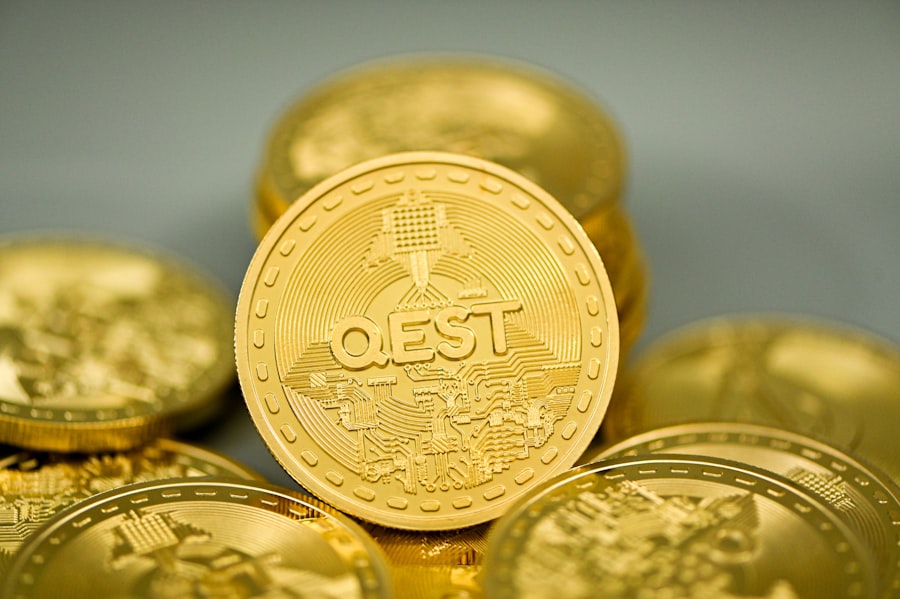
The relationship between quantitative easing and collateral values is complex and multifaceted. As central banks implement QE by purchasing large quantities of financial assets, they effectively increase demand for these assets, which can lead to higher prices. This price appreciation enhances the perceived value of collateral, making it more attractive for borrowers seeking loans.
In this way, QE can create a positive feedback loop: rising collateral values encourage lending, which in turn stimulates economic activity. Moreover, the impact of QE on collateral values is not uniform across all asset classes. Different types of collateral respond differently to changes in monetary policy.
For instance, while government bonds may see immediate price increases due to central bank purchases, other assets like corporate bonds or real estate may take longer to adjust. Additionally, the effects of QE can vary based on market sentiment and investor behavior. As confidence in the economy grows, collateral values may rise further, reinforcing the cycle of borrowing and investment.
Impact on Real Estate Collateral Values
| Year | Region | Average Collateral Value Change (%) | Primary Drivers | Impact on Loan-to-Value Ratio | Notes |
|---|---|---|---|---|---|
| 2021 | North America | +5.2 | Market Recovery, Low Interest Rates | Decreased by 3% | Strong demand in residential sector |
| 2021 | Europe | +3.8 | Urbanization, Government Stimulus | Decreased by 2% | Commercial properties lagging |
| 2022 | Asia-Pacific | +7.1 | Rapid Economic Growth, Infrastructure Development | Decreased by 4% | High demand in tier-1 cities |
| 2022 | South America | -1.5 | Economic Instability, Inflation | Increased by 5% | Decline in commercial real estate values |
| 2023 | Global Average | +2.9 | Mixed Market Conditions | Stable | Varied impact by region and sector |
Real estate collateral values have been significantly influenced by quantitative easing policies. As central banks lower interest rates through QE, mortgage rates tend to decline as well. This reduction in borrowing costs makes home purchases more affordable for consumers, thereby increasing demand for residential properties.
Consequently, rising demand can lead to higher property prices, enhancing the value of real estate as collateral. Furthermore, the influx of liquidity into the market can spur investment in commercial real estate as well. Investors seeking higher yields may turn to real estate assets when traditional fixed-income investments offer lower returns due to QE-induced interest rate suppression.
This shift in investment behavior can drive up commercial property prices and further elevate real estate collateral values. However, it is essential to recognize that while QE can boost real estate markets in the short term, it may also contribute to asset bubbles if prices rise too rapidly without corresponding increases in underlying economic fundamentals.
Impact on Corporate Collateral Values
Corporate collateral values are also subject to the influences of quantitative easing. As central banks engage in QE and lower interest rates, corporations often find it easier to access financing at more favorable terms. This increased access to capital can lead to higher corporate valuations as companies invest in growth initiatives or refinance existing debt.
Consequently, corporate bonds may experience price appreciation as demand for these securities rises. Moreover, the relationship between QE and corporate collateral values is further complicated by investor sentiment. When central banks signal their commitment to maintaining accommodative monetary policy through QE, it can bolster investor confidence in corporate debt markets.
This heightened confidence may lead to tighter credit spreads and increased demand for corporate bonds, thereby enhancing their value as collateral. However, it is crucial for investors to remain vigilant about potential risks associated with excessive leverage or deteriorating credit quality among corporations during periods of prolonged QE.
Impact on Government Bond Collateral Values

Government bonds are often viewed as one of the safest forms of collateral due to their backing by sovereign entities. Quantitative easing has a profound impact on government bond collateral values as central banks actively purchase these securities to inject liquidity into the financial system. The increased demand from central banks typically drives up bond prices while simultaneously lowering yields.
This inverse relationship between price and yield means that as bond prices rise due to QE, their attractiveness as collateral also increases. The implications of rising government bond collateral values extend beyond individual investors; they also influence broader financial markets and institutions. Higher bond prices enhance the balance sheets of banks and other financial institutions that hold these securities as part of their capital reserves.
This bolstered financial position can lead to increased lending capacity and greater stability within the banking system. However, it is essential to consider that prolonged periods of low yields may prompt investors to seek higher returns elsewhere, potentially leading to volatility in government bond markets if sentiment shifts.
Impact on Asset-Backed Security Collateral Values
Asset-backed securities (ABS) are financial instruments backed by a pool of underlying assets such as loans or receivables. The impact of quantitative easing on ABS collateral values is significant due to the increased liquidity and lower interest rates that accompany such policies. As central banks engage in QE, they often create favorable conditions for ABS markets by enhancing investor appetite for these securities.
The rise in demand for ABS can lead to higher valuations for these instruments as investors seek yield in a low-interest-rate environment. Additionally, improved economic conditions resulting from QE can enhance the credit quality of the underlying assets backing these securities.
However, it is important to note that while QE can provide short-term benefits for ABS markets, it may also mask underlying risks associated with asset quality or market dynamics. Investors must remain cautious about potential distortions in pricing that could arise from excessive reliance on monetary policy support.
Impact on Mortgage-Backed Security Collateral Values
Mortgage-backed securities (MBS) are a specific type of asset-backed security that derives its value from a pool of mortgage loans. Quantitative easing has had a pronounced effect on MBS collateral values due to central banks’ active participation in purchasing these securities as part of their asset-buying programs. By acquiring MBS, central banks aim to lower mortgage rates and stimulate housing market activity.
As a result of QE-induced demand for MBS, prices tend to rise while yields decline. This dynamic enhances the attractiveness of MBS as collateral for lenders and investors alike. Lower mortgage rates resulting from QE can lead to increased refinancing activity among homeowners, further supporting MBS valuations as borrowers take advantage of favorable borrowing conditions.
However, while QE can bolster MBS markets in the short term, it is essential for investors to remain vigilant about potential risks associated with rising interest rates or changes in housing market dynamics. A sudden shift in monetary policy or economic conditions could lead to volatility in MBS valuations and impact their effectiveness as reliable collateral.
Impact on Collateral Values in Emerging Markets
The effects of quantitative easing are not confined to developed economies; emerging markets also experience significant impacts on collateral values due to global monetary policy shifts. As central banks in advanced economies implement QE, capital flows into emerging markets often increase as investors seek higher returns amid low yields in developed markets. This influx of capital can lead to rising asset prices and enhanced collateral values across various sectors within emerging economies.
However, while QE can provide short-term benefits for emerging markets by boosting asset valuations and improving access to financing, it also introduces vulnerabilities. Emerging markets may become overly reliant on foreign capital inflows driven by accommodative monetary policies elsewhere. A sudden reversal of these flows—often triggered by changes in global interest rates or geopolitical events—can lead to sharp declines in asset prices and collateral values within these economies.
Additionally, emerging markets may face unique challenges related to currency fluctuations and inflationary pressures exacerbated by external monetary policies like QE. Investors must carefully assess these risks when evaluating collateral values in emerging markets during periods of prolonged quantitative easing.
Risks and Challenges Associated with Quantitative Easing’s Impact on Collateral Values
While quantitative easing has been instrumental in supporting economic recovery and stabilizing financial markets following crises, it is not without its risks and challenges concerning collateral values. One significant concern is the potential for asset bubbles resulting from artificially inflated prices driven by excessive liquidity. When central banks maintain low interest rates for extended periods through QE, investors may become complacent about risk assessment—leading them to overvalue certain assets.
Moreover, prolonged reliance on quantitative easing can create distortions within financial markets that complicate traditional valuation metrics. As asset prices diverge from fundamental economic indicators due to monetary policy interventions, investors may struggle to accurately gauge risk levels associated with various forms of collateral. Another challenge arises from the potential for abrupt shifts in monetary policy as central banks eventually move toward tightening measures or unwinding their balance sheets.
Such actions could trigger volatility across asset classes and lead to sharp declines in collateral values—particularly if market participants have become overly reliant on continued support from QE.
Conclusion and Future Outlook for Collateral Values in the Era of Quantitative Easing
In conclusion, quantitative easing has fundamentally reshaped the landscape of collateral values across various asset classes since its inception during times of economic distress.
Looking ahead, the future outlook for collateral values will likely depend on several factors: the trajectory of global monetary policy normalization efforts; shifts in investor sentiment; and broader economic conditions that influence asset quality and risk perceptions.
As central banks navigate the delicate balance between supporting growth while mitigating potential risks associated with prolonged accommodative policies like QE, stakeholders must remain vigilant about evolving market dynamics. Ultimately, understanding the intricate relationship between quantitative easing and collateral values will be essential for investors seeking to navigate an increasingly complex financial landscape marked by both opportunities and uncertainties in an era shaped by unconventional monetary policies.
The impact of quantitative easing on collateral has been a topic of significant discussion among economists and financial analysts. For a deeper understanding of this subject, you can refer to a related article that explores the nuances of how quantitative easing affects the availability and quality of collateral in financial markets. This article can be found at this link.
WATCH THIS! The Bank That Will Break The World: Why The Secret Collapse Is Already Underway
FAQs
What is quantitative easing (QE)?
Quantitative easing is a monetary policy tool used by central banks to stimulate the economy by purchasing long-term securities, such as government bonds, to increase the money supply and lower interest rates.
How does quantitative easing affect collateral?
Quantitative easing can impact collateral by changing the availability and quality of assets used as collateral in financial markets. By purchasing large amounts of securities, central banks can reduce the supply of high-quality collateral, potentially affecting market liquidity and the cost of borrowing.
Why is collateral important in financial markets?
Collateral serves as a security for loans and financial transactions, reducing credit risk for lenders. It enables smoother functioning of markets by providing assurance that obligations will be met, which is essential for activities like repo agreements and derivatives trading.
Does quantitative easing increase or decrease the availability of collateral?
Quantitative easing typically decreases the availability of high-quality collateral because central banks buy large quantities of these assets and hold them on their balance sheets, reducing the amount available for use in financial transactions.
What are the potential risks of reduced collateral availability due to QE?
Reduced collateral availability can lead to increased borrowing costs, reduced market liquidity, and greater financial market volatility. It may also encourage the use of lower-quality collateral, which can increase systemic risk.
Can quantitative easing influence the types of collateral used in the market?
Yes, when high-quality collateral becomes scarce due to QE, market participants may turn to alternative or lower-quality assets as collateral, potentially altering the composition and risk profile of collateral used in financial markets.
How do central banks manage the impact of QE on collateral markets?
Central banks monitor collateral markets closely and may implement measures such as accepting a wider range of collateral types in their operations or conducting targeted asset purchases to mitigate negative effects on collateral availability and market functioning.
Is the impact of quantitative easing on collateral temporary or long-lasting?
The impact can be both temporary and long-lasting, depending on the scale and duration of QE programs. While some effects may diminish after QE ends and central banks reduce their balance sheets, structural changes in market behavior and collateral usage can persist.
How does QE affect the overall financial system through collateral channels?
By influencing collateral availability and quality, QE affects liquidity, credit conditions, and risk-taking behavior in the financial system. These changes can have broad implications for financial stability and the transmission of monetary policy.