The dust of millennia, once thought to be an insurmountable barrier, is increasingly yielding its secrets. Archaeologists, historians, and scientists, armed with an ever-expanding arsenal of innovative technologies and analytical methods, are meticulously piecing together the narratives of civilizations long past. This ongoing quest to uncover ancient history is not merely an academic pursuit; it is a profound endeavor to understand our origins, the evolution of human society, and the enduring echoes of our ancestors that resonate in the present. The evidence revealed is as diverse as the cultures it illuminates, ranging from monumental architecture and intricate artifacts to subtle linguistic shifts and genetic markers. Each discovery, no matter how small, contributes to a richer, more nuanced portrait of the human story, challenging previous assumptions and forging new pathways of understanding.
Whispers from the Earth: Archaeological Excavations and Their Treasures
Archaeological digs serve as the frontline in the battle against oblivion. These meticulously planned expeditions unearth the tangible remnants of human activity, providing direct insights into the daily lives, beliefs, and achievements of ancient peoples. From sprawling metropolises buried beneath layers of soil to solitary graves holding the personal effects of individuals, each excavated site is a unique chapter waiting to be read. The careful excavation and preservation of these sites are paramount, as a single misplaced trowel can obliterate invaluable contextual information. The artifacts recovered, from humble pottery shards to gilded statues, are not mere curiosities; they are primary source documents, speaking volumes about trade networks, technological prowess, artistic sensibilities, and social hierarchies.
The Foundation Stones of Civilization: Unearthing Settlements and Cities
The discovery of ancient settlements and cities is often the most dramatic revelation from archaeological fieldwork. These sites offer a glimpse into the organizational structures of early societies, revealing the layout of homes, public buildings, and defensive fortifications. The scale of these urban centers, such as the ruins of Pompeii preserved by volcanic ash or the sprawling complexes of Teotihuacan, speaks to sophisticated planning, labor organization, and resource management. Analyzing the architectural styles, building materials, and spatial relationships within these settlements allows researchers to infer population density, social stratification, and the evolution of urban living. The presence of infrastructure like irrigation systems, sewage networks, and paved roads further underscores the advanced nature of these ancient communities.
Understanding ancient history often relies on the interpretation of various artifacts and documents, and recent discoveries have shed new light on this field. For instance, the article titled “Discovery of Ancient Maps Reveals Ice-Free Antarctica” explores how ancient cartography can provide insights into historical climates and geography, which are crucial for reconstructing past civilizations. You can read more about this fascinating topic by visiting the following link: Discovery of Ancient Maps Reveals Ice-Free Antarctica.
Echoes of Daily Life: Artifacts as Storytellers
Beyond the grand structures, the seemingly mundane artifacts unearthed by archaeologists offer unparalleled intimacy with the past. Pottery, for instance, reveals not only dietary habits through residue analysis but also artistic styles and manufacturing techniques. Tools, whether for agriculture, craft, or warfare, illustrate the technological capabilities and practical concerns of ancient peoples. Personal adornments, such as jewelry and clothing fragments, provide insights into social status, aesthetic preferences, and cultural identity. Even the waste products of daily life, such as discarded food scraps or workshop debris, can offer crucial information about diet, economy, and specialized trades. The systematic cataloging and comparative analysis of these artifacts allow for the reconstruction of trade routes, the diffusion of ideas, and the development of specific technologies across different regions and time periods.
Monumental Legacies: Structures that Defy Time
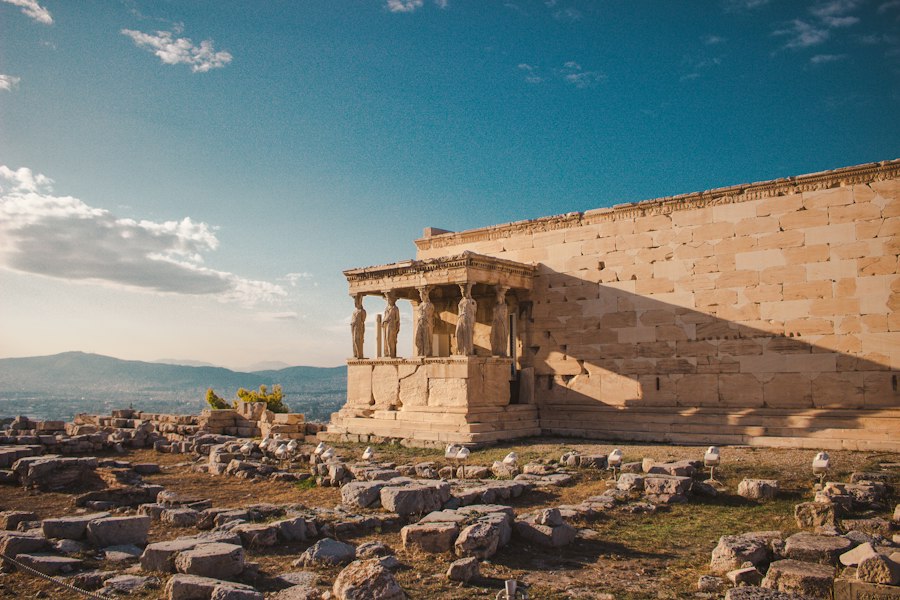
The monumental architecture of antiquity continues to awe and inspire, offering undeniable evidence of human ingenuity and ambition. The pyramids of Egypt, the ziggurats of Mesopotamia, the temples of Greece and Rome, and the ancient cities of the Maya are not merely historical relics but testaments to the ability of past societies to mobilize vast resources and labor towards ambitious projects. Studying the construction methods, engineering principles, and astronomical alignments of these structures reveals sophisticated knowledge systems. Their enduring

Did This Ancient Crystal Help People See?
FAQs
1. What methods do historians use to uncover ancient history?
Historians use a variety of methods to uncover ancient history, including analyzing archaeological evidence, studying ancient texts and inscriptions, and conducting scientific dating techniques.
2. How do historians determine the accuracy of ancient historical accounts?
Historians determine the accuracy of ancient historical accounts by cross-referencing multiple sources, evaluating the credibility of the sources, and considering any biases or agendas that may have influenced the accounts.
3. What role does carbon dating play in understanding ancient history?
Carbon dating is a scientific technique used by historians to determine the age of organic materials, such as bones or artifacts, by measuring the amount of carbon-14 remaining in the sample. This helps historians establish the timeline of ancient events and civilizations.
4. How do historians interpret ancient artifacts to learn about the past?
Historians interpret ancient artifacts by analyzing their design, materials, and context of discovery. By studying artifacts, historians can gain insights into ancient cultures, technologies, and daily life.
5. Why is it important to study ancient history?
Studying ancient history is important because it helps us understand the origins of human civilization, learn from past mistakes, and appreciate the cultural achievements of ancient societies. By studying ancient history, we can gain a deeper understanding of our own place in the world.