
The volatility premium refers to the phenomenon where options and other derivatives are priced higher than what would be expected based on the underlying asset’s historical volatility. This premium arises from the market’s perception of risk and uncertainty, leading investors to pay more for the right to hedge against potential price movements. Essentially, it reflects the additional compensation that investors demand for taking on the risk associated with price fluctuations.
The concept is rooted in the idea that markets are not always perfectly efficient, and that traders often overestimate future volatility, resulting in inflated option prices. In practical terms, the volatility premium can be observed in various financial instruments, particularly options. When traders anticipate significant market movements, they are willing to pay a premium for options that provide them with the right to buy or sell an asset at a predetermined price.
This behavior can create a disconnect between implied volatility—derived from option prices—and realized volatility, which is based on actual price movements. Understanding this dynamic is crucial for investors looking to navigate the complexities of financial markets and capitalize on potential opportunities.
Key Takeaways
- The volatility premium represents the excess returns investors earn for bearing volatility risk.
- Historical data shows consistent evidence of a volatility premium across various markets and time periods.
- Multiple factors, including market sentiment and economic conditions, influence the magnitude of the volatility premium.
- Capturing the volatility premium involves strategies like selling options or volatility-linked instruments but carries significant risks.
- Behavioral biases and evolving market dynamics continue to shape the understanding and exploitation of the volatility premium.
Historical Evidence of the Volatility Premium
Historical data provides compelling evidence of the existence of the volatility premium across different market conditions and asset classes. Research has shown that, over extended periods, options tend to be overpriced relative to the actual volatility experienced in the underlying assets. For instance, studies have indicated that implied volatility often exceeds realized volatility, particularly during periods of market stress or uncertainty.
This discrepancy suggests that investors are willing to pay a higher price for options as a form of insurance against potential adverse movements in asset prices. Moreover, historical analysis reveals that the volatility premium has persisted through various market cycles, including bull and bear markets. During times of economic expansion, when investor confidence is high, the premium may diminish as traders become less fearful of significant price swings.
Conversely, during periods of economic downturn or geopolitical instability, the volatility premium tends to widen as market participants seek protection against heightened uncertainty. This historical perspective underscores the importance of understanding market sentiment and its impact on option pricing.
Factors Influencing the Volatility Premium

Several factors contribute to the dynamics of the volatility premium, shaping how it manifests in financial markets. One primary factor is market sentiment, which can fluctuate based on economic indicators, geopolitical events, and overall investor confidence. When fear and uncertainty dominate market sentiment, traders are more likely to seek out options as a hedge against potential losses, driving up demand and consequently increasing the volatility premium.
Conversely, in a bullish market environment characterized by optimism, the demand for options may decrease, leading to a contraction of the premium. Another significant factor influencing the volatility premium is supply and demand dynamics within the options market. When there is a surge in demand for options—often driven by hedging activities or speculative trading—the prices of these options tend to rise, resulting in a higher implied volatility.
Additionally, changes in interest rates and dividend yields can also affect option pricing and contribute to variations in the volatility premium. Understanding these factors is essential for investors aiming to navigate the complexities of options trading and capitalize on potential mispricings.
Risks and Challenges Associated with the Volatility Premium
| Risk/Challenge | Description | Potential Impact | Mitigation Strategies |
|---|---|---|---|
| Market Volatility | Sudden spikes or drops in market volatility can lead to unpredictable premium fluctuations. | Losses due to mispricing or unexpected market moves. | Diversification, dynamic hedging, and continuous monitoring of volatility indices. |
| Model Risk | Inaccurate or oversimplified models used to estimate volatility premium. | Incorrect pricing and risk assessment leading to suboptimal decisions. | Regular model validation, stress testing, and use of multiple models. |
| Liquidity Risk | Difficulty in entering or exiting positions due to low market liquidity. | Increased transaction costs and potential inability to adjust positions timely. | Focus on liquid instruments, limit position sizes, and maintain cash reserves. |
| Leverage Risk | Use of leverage to amplify returns on volatility premium strategies. | Magnified losses during adverse market conditions. | Prudent leverage limits and regular risk assessments. |
| Regulatory Risk | Changes in regulations affecting derivatives and volatility trading. | Increased compliance costs or restrictions on trading strategies. | Stay updated on regulatory changes and maintain compliance frameworks. |
| Behavioral Risk | Investor overconfidence or herd behavior impacting volatility markets. | Market inefficiencies and unexpected premium shifts. | Adopt disciplined investment processes and avoid emotional decision-making. |
While capturing the volatility premium can be lucrative, it is not without its risks and challenges. One significant risk is the potential for misjudging future volatility. If traders overestimate future price movements, they may find themselves holding overpriced options that do not yield the expected returns.
This miscalculation can lead to substantial losses, particularly if market conditions shift unexpectedly. Additionally, the inherent uncertainty surrounding market events can complicate efforts to accurately predict volatility trends. Another challenge associated with the volatility premium is its susceptibility to sudden market shifts.
Events such as earnings announcements, economic data releases, or geopolitical developments can trigger rapid changes in implied volatility, rendering previously attractive options less appealing. Furthermore, liquidity issues can arise in times of heightened volatility, making it difficult for traders to enter or exit positions without incurring significant costs. As such, investors must remain vigilant and adaptable in their strategies when attempting to capture the volatility premium.
Strategies for Capturing the Volatility Premium
Investors seeking to capitalize on the volatility premium can employ various strategies tailored to their risk tolerance and market outlook. One common approach is selling options—specifically writing covered calls or cash-secured puts—where traders collect premiums from option buyers while potentially benefiting from underlying asset appreciation. This strategy allows investors to generate income while taking advantage of inflated option prices driven by heightened implied volatility.
Another effective strategy involves using volatility spreads, such as calendar spreads or diagonal spreads, which allow traders to exploit discrepancies between short-term and long-term implied volatilities. By simultaneously buying and selling options with different expiration dates or strike prices, investors can create positions that benefit from changes in volatility while managing risk exposure. These strategies require a nuanced understanding of market dynamics and careful analysis of implied versus realized volatility to maximize potential returns.
The Role of Volatility in Investment Portfolios
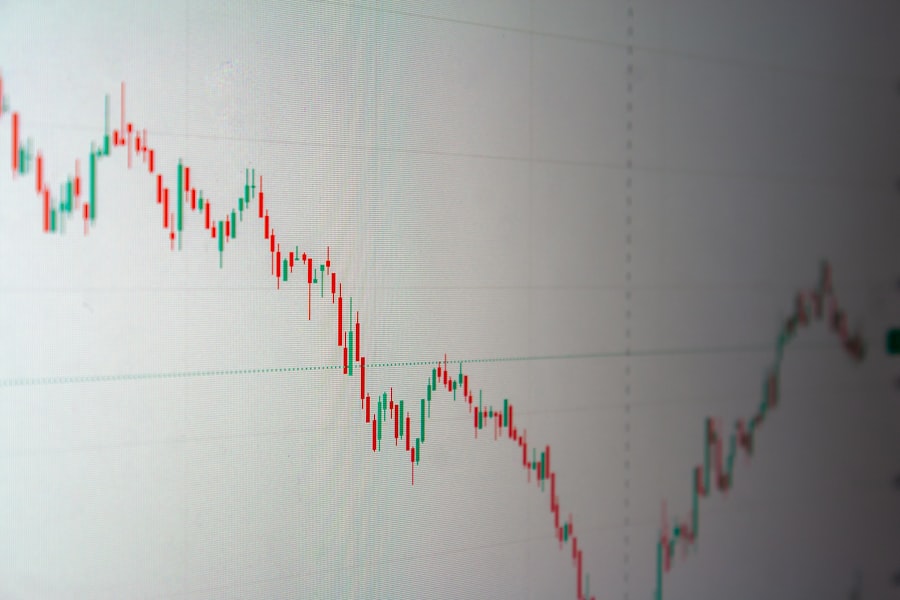
Volatility plays a crucial role in shaping investment portfolios, influencing asset allocation decisions and risk management strategies. Investors often seek to balance their portfolios by incorporating assets with varying levels of volatility to achieve desired risk-return profiles. For instance, equities typically exhibit higher volatility compared to fixed-income securities, prompting investors to diversify their holdings across different asset classes to mitigate overall portfolio risk.
Moreover, understanding volatility allows investors to make informed decisions about hedging strategies. By incorporating options or other derivatives into their portfolios, investors can protect against adverse price movements while maintaining exposure to potential upside gains. This strategic use of volatility not only enhances risk management but also enables investors to navigate changing market conditions more effectively.
Volatility Premium in Options and Derivatives
The volatility premium is particularly pronounced in options and derivatives markets, where traders actively engage in pricing strategies based on their expectations of future price movements. In these markets, implied volatility serves as a critical input for option pricing models, influencing how traders assess risk and make decisions. The presence of a volatility premium indicates that traders are willing to pay more for options than what historical data might suggest is warranted.
Furthermore, derivatives such as futures contracts also exhibit characteristics related to the volatility premium. Market participants often use these instruments to hedge against price fluctuations or speculate on future movements.
Academic Research on the Volatility Premium
Academic research has extensively explored the concept of the volatility premium, providing valuable insights into its underlying mechanisms and implications for financial markets. Numerous studies have documented the persistent nature of the volatility premium across various asset classes and market conditions. Researchers have sought to understand why this phenomenon exists despite theoretical models suggesting that markets should be efficient.
One area of focus has been examining behavioral biases that contribute to the persistence of the volatility premium. For instance, overconfidence among traders may lead them to overestimate future price movements, resulting in inflated option prices. Additionally, research has highlighted how market sentiment and investor psychology play pivotal roles in shaping perceptions of risk and uncertainty, further influencing the dynamics of the volatility premium.
Volatility Premium in Different Asset Classes
The volatility premium is not confined to equities alone; it manifests across various asset classes including commodities, currencies, and fixed income securities. Each asset class exhibits unique characteristics that influence how the volatility premium behaves. For example, commodities often experience heightened volatility due to supply chain disruptions or geopolitical tensions, leading to pronounced premiums in related options markets.
In currency markets, factors such as interest rate differentials and macroeconomic indicators can significantly impact implied volatility levels. Traders often seek out currency options during periods of economic uncertainty or geopolitical instability, driving up premiums as they hedge against potential exchange rate fluctuations. Understanding how the volatility premium operates across different asset classes allows investors to diversify their strategies and enhance their overall portfolio performance.
Behavioral Finance and the Volatility Premium
Behavioral finance offers valuable insights into why the volatility premium persists despite theoretical expectations of market efficiency. Investors are often influenced by cognitive biases such as loss aversion and overconfidence, which can lead them to misjudge risk and make suboptimal trading decisions. For instance, during periods of heightened uncertainty, fear-driven behavior may prompt investors to flock towards options as a protective measure, inflating their prices beyond what historical data would suggest.
This collective behavior can create feedback loops that further distort option pricing dynamics and contribute to the persistence of the volatility premium. By understanding these behavioral factors, investors can better navigate market complexities and develop strategies that account for psychological influences on trading behavior.
Future Trends in Uncovering the Volatility Premium
As financial markets continue to evolve, new trends are emerging that may shape how investors approach uncovering the volatility premium. Advances in technology and data analytics are enabling traders to access real-time information and sophisticated modeling techniques that enhance their ability to assess implied versus realized volatility discrepancies. This increased access to data may lead to more efficient pricing mechanisms and potentially reduce the persistence of the volatility premium over time.
Moreover, as global markets become increasingly interconnected, macroeconomic factors such as interest rates and geopolitical developments will continue to influence investor sentiment and perceptions of risk. Understanding these trends will be crucial for investors seeking to capitalize on opportunities related to the volatility premium while effectively managing associated risks. As research continues to shed light on this complex phenomenon, it will undoubtedly inform future investment strategies aimed at navigating an ever-changing financial landscape.
The volatility premium in finance refers to the additional return that investors demand for taking on the risk associated with price fluctuations in an asset. This concept is crucial for understanding market behavior and investment strategies. For a deeper exploration of related financial topics, you can check out this insightful article on Real Lore and Order, which discusses various aspects of market dynamics and risk assessment.
WATCH THIS! The Bank That Will Break The World: Why The Secret Collapse Is Already Underway
FAQs
What is the volatility premium in finance?
The volatility premium refers to the excess return that investors earn for bearing the risk associated with the volatility of an asset’s price. It arises because investors generally demand compensation for the uncertainty and potential large price swings in the market.
How is the volatility premium measured?
The volatility premium is typically measured as the difference between the implied volatility of options (which reflects market expectations of future volatility) and the realized volatility of the underlying asset over the same period.
Why does the volatility premium exist?
The volatility premium exists because investors are generally risk-averse and require additional compensation for holding assets with uncertain or volatile returns. This premium compensates option sellers or volatility risk bearers for the risk they assume.
Which financial instruments are most associated with the volatility premium?
Options and other derivatives are most commonly associated with the volatility premium, as their prices embed implied volatility, which often exceeds realized volatility, reflecting the premium investors pay for protection against price swings.
Can investors profit from the volatility premium?
Yes, investors can attempt to profit from the volatility premium by strategies such as selling options or volatility-related products, but these strategies carry significant risk if volatility spikes unexpectedly.
Is the volatility premium constant over time?
No, the volatility premium varies over time depending on market conditions, investor sentiment, and macroeconomic factors. It tends to increase during periods of market stress or uncertainty.
How does the volatility premium impact option pricing?
The volatility premium causes implied volatility to be higher than realized volatility, leading to higher option prices. This means options are often priced with a built-in premium to compensate sellers for volatility risk.
What role does the volatility premium play in portfolio management?
Understanding the volatility premium helps portfolio managers assess the cost and benefits of hedging strategies, manage risk exposure, and potentially enhance returns by exploiting mispricings in volatility-related instruments.