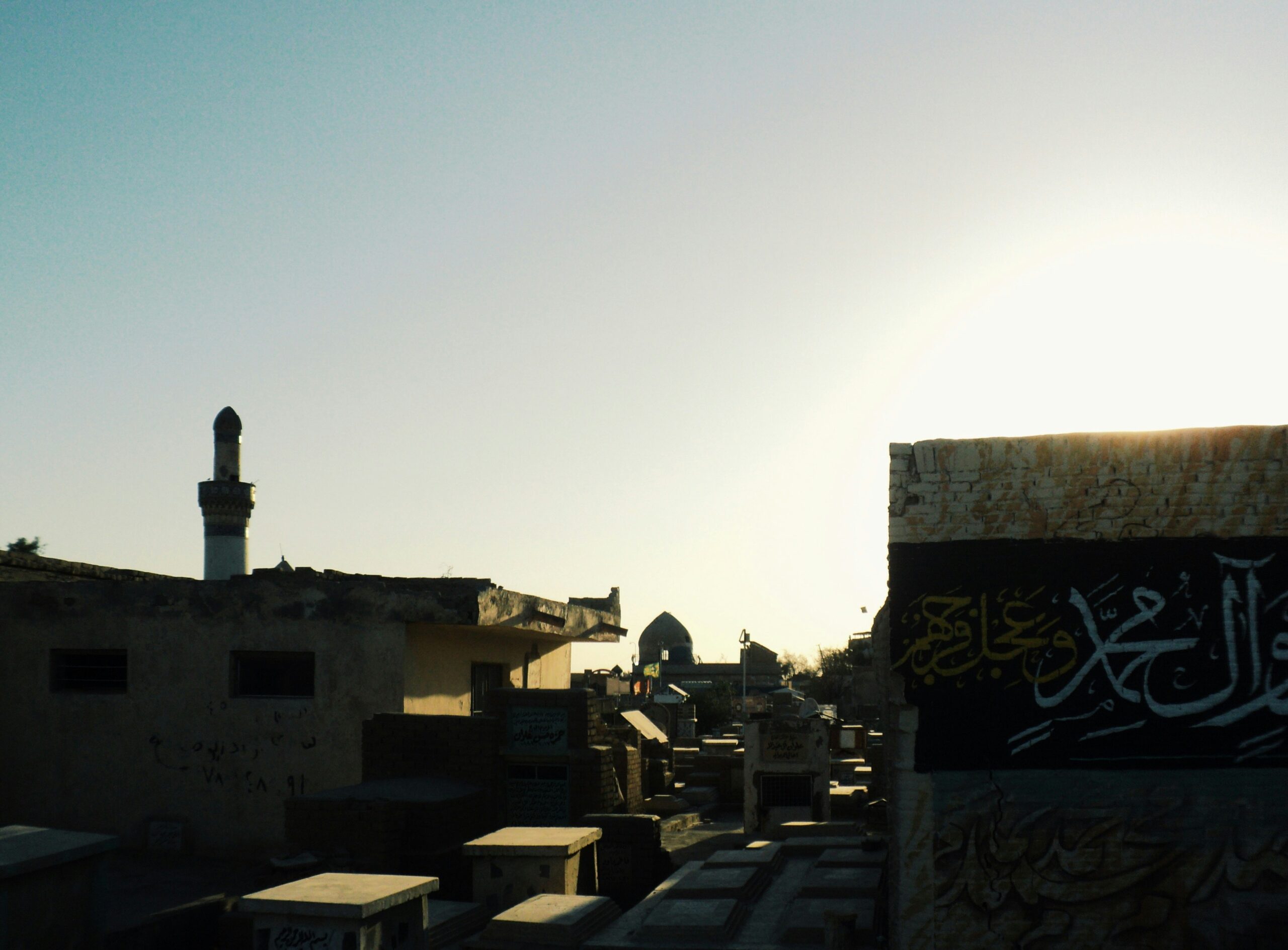
The flickering images on screen pulled the viewer through the sands of time, back to a land often shrouded in modern conflict and geopolitical complexities. Yet, “Unearthing Ancient Iraq: A Fascinating Documentary” aimed to peel back these layers, revealing a civilization whose contributions to humanity are as foundational as the very earth it emerged from. The documentary, a meticulously crafted narrative woven from expert interviews, breathtaking archaeological footage, and evocative historical reenactments, promised a journey into the heart of Mesopotamia, the cradle of civilization. It did not disappoint. From the earliest whispers of settled life to the grandeur of empires that shaped the ancient world, the film meticulously charted the rise and fall of societies that laid the groundwork for so much of what we take for granted today.
The Dawn of Civilization in the Fertile Crescent
The documentary immediately plunged viewers into the very genesis of human society, focusing on the fertile lands between the Tigris and Euphrates rivers, often referred to as the Fertile Crescent. This region, blessed with abundant water and fertile soil, became the crucible where hunter-gatherer tribes began to experiment with agriculture, a revolutionary shift that fundamentally altered the course of human history. The film explored the earliest evidence of settled life, showcasing the transition from nomadic wandering to the establishment of permanent villages. Archeological sites, brought to life through stunning aerial photography and detailed ground-level explorations, revealed the rudimentary structures, early farming tools, and the nascent forms of social organization that characterized these pioneering communities.
The Agricultural Revolution and Its Ripples
“Unearthing Ancient Iraq” emphasized that the domestication of plants and animals was not merely a technological advancement but a paradigm shift. It allowed for surplus food production, which in turn freed up a portion of the population from the constant struggle for sustenance. This surplus was the fertile ground from which specialization, innovation, and eventually, complex societies could grow. The documentary illustrated this through animated reconstructions of early farming practices, depicting the painstaking labor involved in clearing land, planting seeds, and harvesting crops. It also highlighted the accompanying domestication of animals like sheep and cattle, which provided not only food but also materials for clothing and labor. The profound impact of this revolution was conveyed through interviews with leading archaeologists who explained how this newfound stability allowed for the development of pottery, weaving, and more sophisticated tool-making, laying the foundation for future advancements.
From Villages to Cities: The Urban Revolution
The logical progression from settled agriculture was the emergence of towns and, eventually, cities. The documentary meticulously detailed this transition, showcasing the monumental efforts involved in planning and constructing early urban centers. Sites like Jarmo and Hassuna, though modest by later standards, represented significant leaps in human organization and collective endeavor. The film explored the architectural innovations of these early settlements, from mud-brick houses arranged in organized patterns to the construction of communal granaries. This period marked a crucial turning point, as larger populations necessitated new forms of governance, resource management, and social stratification. The documentary used CGI to reconstruct these early settlements, giving viewers a vivid sense of what life might have been like in these nascent urban environments, a stark contrast to the dispersed hamlets of earlier times.
The ancient civilizations of Iraq, particularly those of Mesopotamia, have long fascinated historians and archaeologists alike. For a deeper understanding of the historical context and the evolution of cartography in the region, you might find the article on Piri Reis and Ottoman cartography insightful. This piece explores how mapping practices have developed over time and their significance in understanding the world during the Ottoman Empire. You can read more about it in the article here: Piri Reis and Ottoman Cartography: Mapping the World.
The Rise of the Sumerians: Pioneers of Progress

The heart of the documentary’s exploration into early civilization lay with the Sumerians, a people whose ingenuity and organizational prowess left an indelible mark on the ancient world. The film dedicated a significant portion to their remarkable achievements, portraying them not just as builders of cities but as innovators who laid the groundwork for countless aspects of modern life. The Sumerian civilization, flourishing in southern Mesopotamia, was a testament to the power of human intellect and collaboration, and “Unearthing Ancient Iraq” brought their story to life with compelling detail.
The Invention of Writing: Cuneiform’s Legacy
Perhaps the most profound Sumerian contribution highlighted in the documentary was the invention of writing. The film explained the development of cuneiform script, initially a system of pictographs used for record-keeping, evolving into a complex syllabic script capable of recording epic tales, laws, and religious texts. Archeological discoveries of clay tablets bearing cuneiform inscriptions were showcased, with experts painstakingly deciphering their meaning. The documentary’s visual presentation of these ancient texts, often fragmented and weathered, underscored the immense effort involved in preserving and understanding this early form of communication. The significance of this invention, the film argued, cannot be overstated, as it enabled the transmission of knowledge across generations and the development of complex administrative systems, paving the way for history itself.
City-States and Early Governance
The Sumerian civilization was characterized by a network of independent city-states, each with its own ruler, patron deity, and distinct identity. The documentary explored the political landscape of Sumer, detailing the rise and fall of these city-states and the often-complex relationships between them. It showcased the grandeur of Sumerian ziggurats, the massive stepped temple towers that served as religious and administrative centers, and the intricate urban planning evident in cities like Uruk and Ur. Interviews with historians provided insights into the social hierarchies, legal codes, and the early forms of democratic principles that emerged within these city-states. The film also touched upon the constant rivalries and warfare that characterized the era, illustrating the fragility of even the most advanced ancient societies.
The documentary on ancient Iraq provides a fascinating glimpse into the complexities of early civilizations and their political structures. For those interested in exploring the intricacies of diplomatic relations during that era, a related article delves into the art of diplomatic language in ancient politics. You can read more about this intriguing topic by visiting this article, which highlights how communication shaped alliances and conflicts in the ancient world.
Technological and Scientific Advancements
Beyond writing, the Sumerians were remarkable innovators in various fields. The documentary highlighted their advancements in mathematics, including the development of a sexagesimal (base-60) number system, which still influences our measurement of time and angles today. They also made significant strides in astronomy, meticulously charting the movements of celestial bodies. Their innovations in irrigation systems, essential for sustaining their agricultural economy in a challenging environment, were also a key focus. The film presented visual evidence of ancient Sumerian canals and water management techniques, demonstrating their sophisticated understanding of hydraulics. Their development of the wheel, initially used for pottery and later for transportation, was portrayed as a transformative invention that revolutionized trade and movement.
The Empires That Forged a Legacy: Babylon and Assyria

As the documentary progressed, the focus shifted from the foundational Sumerian civilization to the powerful empires that rose from its ashes, most notably the Babylonians and the Assyrians. These empires, while distinct in their characteristics, built upon the innovations of their predecessors, expanding their influence and leaving behind a rich tapestry of art, architecture, and legal systems that continued to shape the ancient world and beyond. “Unearthing Ancient Iraq” masterfully captured the grandeur and brutality of these formidable powers.
Hammurabi’s Code: A Landmark in Law
A significant segment of the documentary was dedicated to the Babylonian Empire, particularly under the reign of Hammurabi. The film presented Hammurabi’s Code as a pivotal moment in the history of law, showcasing its comprehensive nature and its enduring impact. Archeological finds of the basalt stele inscribed with the code were prominently featured, with experts explaining its principles and its revolutionary concept of codified justice. The documentary explored the societal implications of such a code, illustrating how it brought a degree of order and predictability to a vast and diverse empire. The famous “eye for an eye” principle was discussed not as a barbaric decree, but as an attempt to establish proportionality and prevent unchecked vengeance, a radical idea for its time.
The Assyrians: Masters of Warfare and Administration
The Assyrian Empire, known for its military prowess and administrative efficiency, was portrayed as a force that reshaped the political map of the ancient Near East. The documentary showcased the formidable strength of the Assyrian army, detailing their innovative siege warfare tactics and their use of iron weaponry. Excavations of Assyrian palaces, adorned with magnificent bas-reliefs depicting scenes of battle, royal hunts, and religious ceremonies, were brought to vivid life through detailed cinematography. The film also highlighted the Assyrians’ sophisticated administrative system, their extensive road networks, and their vast libraries, such as the one at Nineveh, which preserved a wealth of ancient knowledge. While acknowledging their reputation for cruelty, the documentary also emphasized their role in consolidating power and fostering cultural exchange across their vast domain.
Artistic and Architectural Achievements
Both Babylonian and Assyrian civilizations left behind a legacy of breathtaking art and architecture. The documentary showcased the monumental scale of their construction projects, from the ziggurats and temples of Babylon to the palaces and city walls of Assyria. The intricate details of their sculptures, reliefs, and decorative arts were meticulously captured, revealing a high level of craftsmanship and artistic sensibility. The film explored the symbolic meanings embedded within their artwork, from depictions of divine power to celebrations of imperial might. The use of advanced techniques in brickwork, stone carving, and metalworking demonstrated their mastery of various artistic mediums. The documentary aimed to impress upon the viewer the sheer ambition and artistic vision that characterized these ancient empires.
The Enduring Echoes: From Mesopotamia to Modernity
The concluding sections of “Unearthing Ancient Iraq” served to underscore the profound and often overlooked influence of Mesopotamian civilizations on the modern world. The documentary skillfully bridged the vast gulf of time, demonstrating how the innovations and ideas born in this ancient land continue to resonate in our contemporary lives, shaping our understanding of governance, science, and even our daily routines. It was a powerful reminder that the foundations of our present are deeply rooted in the distant past.
The Genesis of Abstract Thought and Governance
The film eloquently argued that the development of complex legal systems, administrative structures, and written records in Mesopotamia provided a blueprint for future societies. The concept of organized governance, from the city-states to the empires, laid the groundwork for the nation-states and international relations of today. The documentary highlighted how the Sumerians, Babylonians, and Assyrians grappled with issues of justice, taxation, and social order, developing solutions that, in various forms, have been adopted and adapted throughout history. The idea of a written constitution or a codified legal system, first conceived in Mesopotamia, remains a cornerstone of modern governance.
The Cradle of Science and Technology
“Unearthing Ancient Iraq” reiterated the pioneering spirit of Mesopotamian peoples in scientific and technological fields. Their advancements in mathematics, astronomy, and irrigation were not isolated discoveries but rather the genesis of systematic inquiry. The documentary emphasized that the practice of observation, recording data, and developing theories, fundamental to the scientific method, has its roots in the meticulous astronomical observations and mathematical calculations of these ancient civilizations. The invention of the wheel, the plow, and sophisticated metalworking techniques represent technological leaps that propelled human progress for millennia.
A Legacy of Culture and Knowledge
The documentary concluded by celebrating the rich cultural heritage that Mesopotamia bequeathed to the world. From epic literature like the Epic of Gilgamesh, which explored universal themes of life, death, and friendship, to the philosophical and religious ideas that emerged from this fertile ground, the impact is undeniable. The film highlighted how these ancient texts and traditions have been preserved, translated, and studied for centuries, continuing to inspire and inform our understanding of human nature and our place in the universe. The documentary served as a potent reminder that by unearthing the past, we gain a deeper appreciation for the complexities of the present and the enduring power of human ingenuity.

Did This Ancient Crystal Help People See?
FAQs
What is the ancient Iraq documentary about?
The ancient Iraq documentary explores the rich history and culture of ancient Mesopotamia, focusing on the civilizations that thrived in the region thousands of years ago.
Who produced the ancient Iraq documentary?
The ancient Iraq documentary was produced by a team of historians, archaeologists, and filmmakers who collaborated to bring to life the fascinating story of ancient Mesopotamia.
What time period does the ancient Iraq documentary cover?
The ancient Iraq documentary covers a wide range of time periods, including the rise of Sumerian city-states, the Akkadian Empire, the Babylonian Empire, and the Assyrian Empire, spanning from around 3500 BC to 600 BC.
Where can I watch the ancient Iraq documentary?
The ancient Iraq documentary may be available for streaming on various platforms such as online streaming services, educational websites, or through DVD purchases. Check with your local library or online streaming services for availability.
Why is the ancient Iraq documentary important?
The ancient Iraq documentary is important as it sheds light on the significant contributions of ancient Mesopotamian civilizations to human history, including advancements in writing, mathematics, architecture, and governance that continue to influence modern society.