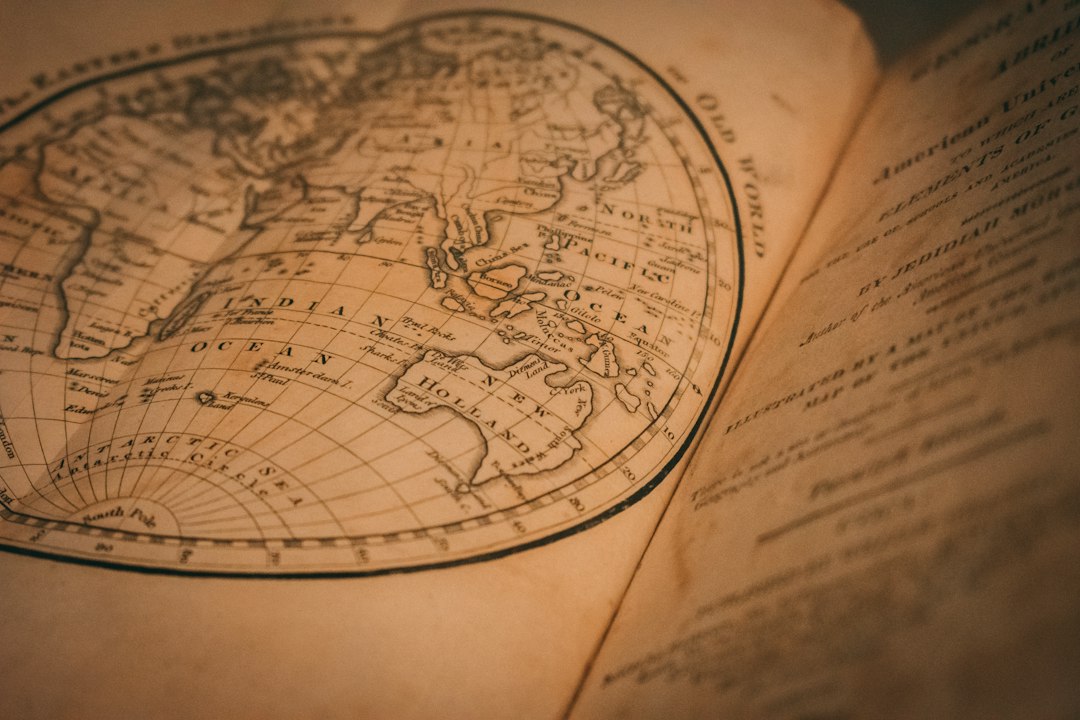
The whisper of ages, carried on the dry winds that sweep across forgotten plains and through the shadowed corridors of crumbling temples, speaks of a world teeming with ingenuity and a profound understanding of form and function. The ancient world, a vast tapestry woven from disparate cultures and epochs, did not merely exist; it created. Its artistry, far from being a primitive prelude to modern endeavors, stands as a testament to sophisticated aesthetic principles, profound symbolic language, and an astonishing mastery of materials and techniques. To uncover the intricate art of this bygone era is to embark on a journey of discovery, peeling back layers of time to reveal the beating heart of human creativity. This exploration delves into the multifaceted nature of ancient art, examining its purpose, its materials, its enduring influence, and the very essence of what made it so compelling.
The Sacred and the Profane: Art as Communication
Ancient art was rarely an end in itself; it was a powerful vehicle for communication, a means to connect the earthly realm with the divine, to record history, and to define societal structures. This art served multifaceted roles, often blurring the lines between the sacred and the secular, the practical and the symbolic. It was a language spoken not just by the artisans but by the entire community, a visual lexicon that conveyed beliefs, aspirations, and the very fabric of existence.
Divine Declarations and Mortal Aspirations
Across the ancient world, from the colossal statues of Egyptian pharaohs to the delicate pottery of Minoan Crete, a significant portion of artistic output was dedicated to the gods and goddesses. Temples were adorned with intricate carvings, murals depicted epic myths, and votive offerings, often exquisitely crafted, were presented to appease deities or to seek their favor. The sheer scale and permanence of these works underscore the importance of religion in ancient societies. The pyramids of Egypt, monumental tombs designed to house the deceased rulers in their transition to the afterlife, are perhaps the most striking examples of art and architecture deeply intertwined with religious beliefs. Their construction, requiring immense labor and sophisticated engineering, also served as a tangible manifestation of power and divine right.
In Mesopotamia, ziggurats, towering stepped temples, served as links between heaven and earth, their intricate brickwork and decorative elements reflecting a worldview where divine forces were ever-present. The Standard of Ur, a Sumerian artifact, vividly portrays scenes of warfare and feasting, demonstrating how art was also used to glorify military victories and celebrate societal order, effectively reinforcing the authority of rulers and the prevailing social hierarchy. The intricate relief carvings on Assyrian palaces, depicting hunting scenes and battles, served a similar dual purpose: to awe and intimidate foreign visitors and to reinforce the king’s prowess and divine mandate to his own people.
Chronicle of the Ages: Recording History and Identity
Beyond the spiritual, ancient art served as a vital chronicle, preserving the memory of significant events, lineage, and the collective identity of a people. In Greece, pottery, particularly Attic vase painting, offers an unparalleled window into daily life, mythology, and heroic narratives. Scenes of athletic competitions, symposia, and mythological battles are meticulously rendered, providing historians with invaluable insights into ancient Greek culture. The black-figure and red-figure techniques, requiring immense skill and precision, transformed utilitarian vessels into canvases for storytelling. These painted narratives were not merely decorative; they served as visual aids for oral traditions, reinforcing cultural memory and shaping communal identity.
The Roman Empire, known for its pragmatism and organizational prowess, utilized art and architecture to project its power and consolidate its vast territories. Triumphal arches, decorated with elaborate relief sculptures, commemorated military victories and celebrated the achievements of emperors. These monumental structures served as public declarations of Roman dominance and a constant reminder of the empire’s strength and expansion. Portraiture, too, played a crucial role, capturing the likenesses of emperors and prominent citizens, solidifying their legacy and reinforcing the social order. The detailed verism of Roman busts, capturing every wrinkle and imperfection, speaks to a desire for historical accuracy and a keen interest in individual identity, albeit within a highly structured society.
In exploring the intricate craftsmanship of the ancient world, one can appreciate the fine detail work that artisans employed in their creations, from pottery to jewelry. This meticulous attention to detail not only reflects the skill of the craftsmen but also provides insight into the cultural and economic contexts of their time. For a modern perspective on planning and preparation, which can be likened to the careful craftsmanship of the past, you may find the article on financial preparedness insightful. It discusses strategies for navigating unexpected financial challenges, much like how ancient artisans had to adapt to the demands of their environment. You can read more about it here: Financial Emergency Plan for US Citizens.
The Palette of Nature: Materials and Mastery
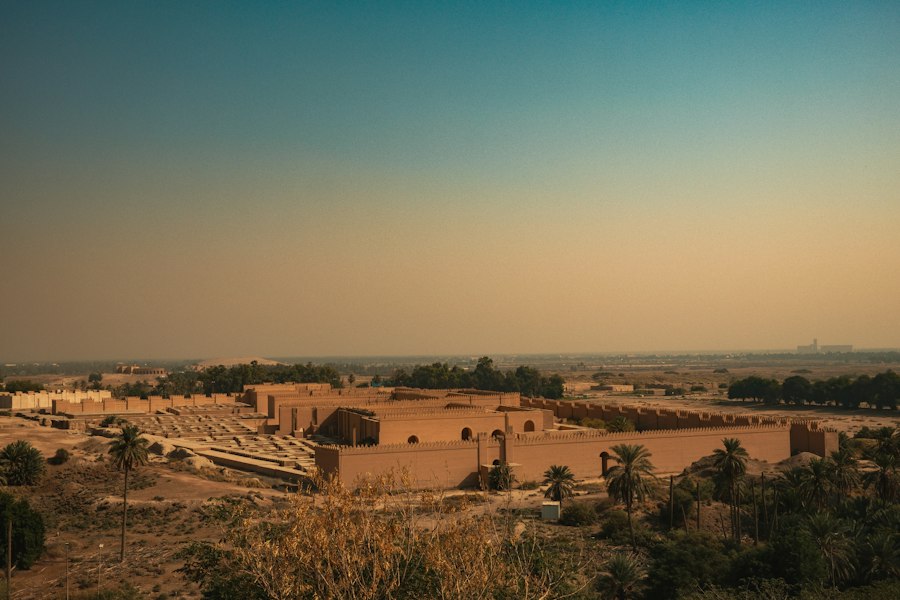
The creation of ancient art was inextricably linked to the materials available and the remarkable skill with which artisans manipulated them. From the earth’s bounty – stone, clay, metals, and pigments derived from minerals and plants – emerged works of enduring beauty and structural integrity, many of which have defied the ravages of time. The ingenuity lay not only in the extraction and processing of these raw materials but in the development of techniques that allowed for their transformation into objects of profound aesthetic and functional value.
Sculpting the Stone and Shaping the Earth
Stone, the most enduring of materials, formed the backbone of much ancient monumental art. The Egyptians, with their intimate knowledge of granite, limestone, and sandstone, carved colossal statues, intricate reliefs, and vast architectural complexes. The precision with which they cut and polished these hard materials, often with simple tools, remains a source of awe. The colossal statues of Ramses II at Abu Simbel, carved directly from the cliff face, are a testament to their ambition and technical prowess. Their ability to envision and execute such massive undertakings, often with limited understanding of advanced mechanics as we know it today, speaks volumes about their meticulous planning and deep understanding of their resources.
The Greeks, masters of marble, sculpted idealized human forms that continue to define Western notions of beauty and proportion. The Parthenon frieze, with its dynamic depiction of the Panathenaic procession, showcases a fluidity and naturalism that was revolutionary for its time. The Romans, inheritors of Greek techniques, also employed marble extensively, but their pragmatism led them to utilize concrete and brick as well, often faced with stone or stucco, to construct their vast infrastructure. Terracotta, a humble clay, was transformed by the Egyptians and Mesopotamians into intricate figurines, votive objects, and architectural elements. The sophisticated kilns developed by these cultures allowed for precise control of firing temperatures, resulting in durable and beautifully glazed ceramics, such as the iconic Ishtar Gate of Babylon, adorned with vibrant blue glazed bricks.
The Alchemist’s Touch: Metals and Pigments
The manipulation of metals represented another pinnacle of ancient artistic achievement. Bronze, a durable alloy, was particularly favored for its malleability and the exquisite detail it could achieve. The Riace Bronzes, two life-size Greek warrior statues, exemplify the lost-wax casting technique, allowing for the creation of remarkably lifelike and dynamic figures. The intricate details of musculature, hair, and even the eyes, often inlaid with other materials, demonstrate a level of craftsmanship that is astonishing. The Egyptians and Mesopotamians also worked with gold and silver, creating intricate jewelry, ceremonial objects, and decorative elements for temples and tombs, showcasing their metallurgical skills and their ability to imbue precious metals with symbolic meaning.
The vibrant colors that once adorned ancient sculptures and architecture were achieved through a sophisticated understanding of pigments. Ground minerals, such as lapis lazuli for blues, ochre for reds and yellows, and malachite for greens, were painstakingly processed. Plant-based dyes and natural binders, like egg yolk or animal glue, were used to create durable paints. While much of this original coloration has faded with time, surviving examples, such as the vibrant frescoes in Pompeii, offer tantalizing glimpses of the polychrome world that once existed. The Romans, in particular, developed a sophisticated understanding of fresco painting, applying pigments to wet plaster to create enduring murals that still captivate today. The intricate detail and vibrant hues of these surviving artworks speak to a lost world of visual splendor.
Echoes Through Time: The Enduring Legacy of Ancient Art
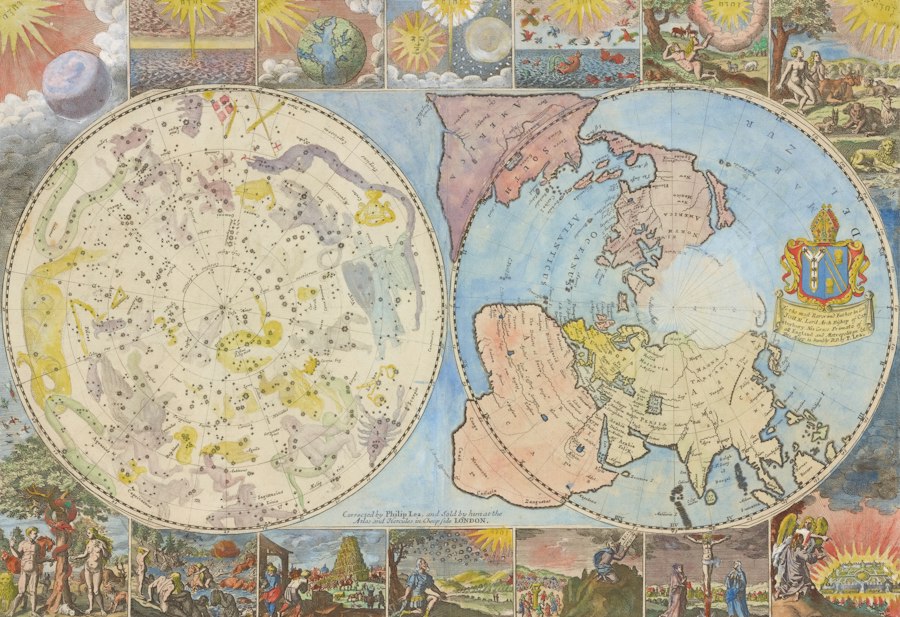
The artistic achievements of the ancient world are not confined to dusty museum halls; they resonate through the corridors of history, shaping artistic movements, influencing architectural styles, and continuing to inspire creators across millennia. The innovations, aesthetic principles, and symbolic languages developed by ancient civilizations laid foundational stones for much of what followed.
Foundations of Form: Classical Ideals and Beyond
The classical art of Greece and Rome, with its emphasis on balance, proportion, harmony, and idealized naturalism, has exerted an unparalleled influence on Western art. The Renaissance, a period of fervent artistic rebirth, looked back to antiquity for inspiration, meticulously studying Roman ruins and Greek sculptures. Artists like Leonardo da Vinci and Michelangelo sought to emulate the anatomical precision and emotional depth of classical works, reinterpreting ancient ideals for a new era. This rediscovery and reinterpretation of classical forms continued through subsequent periods, including Neoclassicism, where artists consciously sought to revive the aesthetic principles of ancient Greece and Rome, evident in the architecture of public buildings and the subject matter of paintings.
Beyond the Western tradition, the influence of ancient art is equally profound, though perhaps less overtly recognized. The intricate patterns and symbolic imagery found in the art of cultures in Asia, Africa, and the Americas often echo motifs and principles that can be traced back to ancient origins. The enduring fascination with Egyptian symbolism, for instance, has permeated various art forms and popular culture for centuries, demonstrating a lasting appeal that transcends geographical and temporal boundaries. The concept of monumental architecture, from the pyramids of Egypt to the temples of Mesoamerica, shares a common thread of aspiring to the eternal and the divine, a universal human impulse that found potent expression in ancient art and design.
Visualizing the Universal: Timeless Themes and Archetypes
The enduring power of ancient art lies in its ability to articulate universal human experiences. Themes of love, loss, heroism, spirituality, and the cyclical nature of life and death are depicted with a raw emotional honesty that continues to resonate. The Greek tragedies, immortalized on pottery and in sculptures, explore the complexities of human fate and the eternal struggle between free will and destiny. The epic poems of Homer, visually rendered on countless artifacts, celebrate valor and the pursuit of glory, archetypes that have been revisited and reinterpreted by artists throughout history.
The symbolic language developed by ancient cultures, from the hieroglyphs of Egypt to the cuneiform of Mesopotamia, has also left an indelible mark. While the specific meanings may have faded, the impulse to imbue visual forms with deeper significance, to create a layered lexicon of symbols, remains a fundamental aspect of artistic expression. The ancient world understood that art could transcend mere representation; it could evoke emotion, provoke thought, and connect individuals to something larger than themselves. This ability to tap into the collective human psyche, to express shared hopes and fears, is what makes ancient art perpetually relevant and profoundly moving. The stylized representations of gods and goddesses, for example, served as visual anchors for complex theological systems, offering tangible forms for abstract divine concepts, making them accessible and comprehensible to the populace.
The Unseen Craftsman: Techniques and Innovations
The creation of ancient art was a testament to a deep understanding of materials and an impressive array of innovative techniques. From the meticulous carving of stone to the delicate manipulation of metal and the vibrant application of pigment, artisans of the ancient world developed methods that were both ingenious and remarkably enduring. These techniques, often passed down through generations, formed the bedrock of their artistic achievements.
From Raw Material to Refined Form
The process of transforming raw materials into works of art was often arduous and required immense patience and skill. In sculpting, techniques like the subtractive method, where material is removed to reveal the form within, were paramount. For stone carving, the use of chisels, hammers, and abrasive materials like sand was essential. The development of specialized tools for different types of stone, from soft limestone to hard granite, allowed for a remarkable range of textures and details. Egyptian artisans, for instance, mastered the art of polishing stone to a mirror-like sheen, a feat that required an intimate understanding of the material’s properties and tireless effort.
For metalwork, the lost-wax casting method, prevalent from the Bronze Age onwards, allowed for the creation of intricate and hollow forms. This process involved creating a wax model, encasing it in clay, and then melting out the wax, leaving a mold into which molten metal was poured. The Greeks and Romans perfected this technique, producing some of the most exquisite bronze sculptures known. The meticulous preparation of the mold and the precise control of cooling temperatures were crucial for achieving high-quality results. Similarly, pottery production involved not only shaping clay on a wheel but also developing sophisticated glazing techniques. The Egyptians and Mesopotamians were pioneers in developing vitreous glazes, which, when fired, created a hard, glassy surface that was both decorative and protective. The vibrant blues of Mesopotamian faience and the lustrous greens of Egyptian pottery are prime examples of their mastery in this field.
The Art of Adornment and Applied Design
Beyond monumental sculpture and architecture, ancient art also excelled in the realm of smaller-scale adornment and applied design. Jewelry making, for example, involved sophisticated techniques of filigree (creating delicate wire designs), granulation (applying tiny spheres of metal), and inlay (setting precious stones or contrasting metals into a base material). The intricate goldwork of the Mycenaean civilization, with its delicate spirals and animal motifs, showcases an astonishing level of craftsmanship. Similarly, the art of mosaic, the creation of images from small tesserae (pieces of stone, glass, or ceramic), was widely practiced by the Romans and Byzantines. The meticulous arrangement of these small pieces allowed for the creation of remarkably detailed and vibrant pictures, often adorning floors and walls of public and private buildings. These were not just decorative; they conveyed stories, depicted mythological scenes, and celebrated the achievements of the empire. The sheer labor involved in selecting, cutting, and placing each individual tessera underscores the dedication and artistry involved.
In exploring the intricate craftsmanship of the ancient world, one can gain valuable insights into the economic structures that supported such fine detail work. A fascinating article discusses the broader implications of trade and craftsmanship in historical contexts, shedding light on how these practices influenced economies, much like the current economic dynamics between nations. For a deeper understanding of these connections, you can read more in this article about the economic importance of Mexico for the US here.
Beyond the Object: The Cultural Context and Interpretation
| Artifact | Culture | Material | Technique | Approximate Date | Detail Work Description |
|---|---|---|---|---|---|
| Lycurgus Cup | Roman Empire | Glass | Diaphanous glass with detailed carving | 4th century AD | Intricate cage cup with detailed figures and translucent effects |
| Standard of Ur | Sumerian | Wood, lapis lazuli, shell, red limestone | Inlay mosaic | c. 2600-2400 BC | Fine inlaid scenes depicting war and peace with detailed figures |
| Mask of Agamemnon | Mycenaean Greece | Gold | Repoussé and chasing | c. 1550-1500 BC | Highly detailed facial features crafted in thin gold sheet |
| Terracotta Army | Qin Dynasty, China | Terracotta clay | Molded and hand-finished sculpting | c. 210 BC | Thousands of life-sized figures with individualized facial details |
| Book of Kells | Early Medieval Ireland | Parchment, ink, pigments | Illumination and calligraphy | c. 800 AD | Extremely detailed ornamental designs and intricate lettering |
Understanding ancient art necessitates looking beyond the object itself and delving into the cultural context in which it was created and received. The meaning and purpose of an artifact are deeply intertwined with the beliefs, social structures, and historical circumstances of its origin. Interpretation, therefore, is a crucial component of uncovering the intricate art of the ancient world.
Decoding the Symbolism and Narrative
Every line, every form, every color in ancient art often carried a deeper symbolic meaning. The Egyptians, for instance, employed a rich visual language of hieroglyphs and iconography, where animals, deities, and specific gestures held established meanings. The uraeus, the rearing cobra, symbolized royal authority and divine protection, while the ankh represented life. To fully appreciate Egyptian tomb paintings or temple reliefs, one must understand this symbolic lexicon. Similarly, Mesopotamian cylinder seals, small engraved cylinders used to imprint a unique mark on clay, are miniature works of art that often depict mythological scenes or religious rituals, offering invaluable insights into their cosmology and beliefs.
Greek mythology provided a fertile ground for artistic narratives, with vase painters and sculptors depicting scenes from the Trojan War, the labors of Hercules, and the exploits of the gods. These narratives were not merely illustrative; they served to reinforce cultural values, celebrate heroic ideals, and transmit moral lessons. The Romans, while borrowing heavily from Greek mythology, also incorporated their own historical narratives and imperial propaganda into their art, using visual storytelling to legitimize their rule and foster a sense of national identity. The intricate reliefs on the Column of Trajan, for example, provide a detailed visual account of Emperor Trajan’s Dacian campaigns, serving as both a historical record and a powerful piece of propaganda.
The Evolving Eye: Archaeology and Modern Interpretation
The study of ancient art is a dynamic and ongoing process, constantly informed by new archaeological discoveries and evolving scholarly interpretations. What was once dismissed as primitive or purely functional can, with new evidence and theoretical frameworks, reveal itself to be a sophisticated expression of aesthetic principles and complex ideas. The discovery of previously unknown civilizations or the re-examination of existing artifacts through advanced technologies, such as X-ray fluorescence or 3D scanning, can shed new light on artistic techniques, materials, and intended meanings.
Furthermore, our understanding of ancient art is also shaped by our own cultural lenses. As societies change, so too can our appreciation and interpretation of ancient works. What one generation might find archaic, another might discover to be deeply resonant. The enduring fascination with ancient art lies not just in its inherent beauty and craftsmanship but in its ability to spark dialogue across time, to connect us with the universal human desire to create, to communicate, and to leave a lasting mark on the world. The ongoing excavation of sites and the continuous scholarly discourse ensures that the intricate art of the ancient world will continue to reveal its secrets, offering fresh perspectives and enriching our understanding of the human story.
Did This Ancient Crystal Help People See?
FAQs
What is fine detail work in the ancient world?
Fine detail work in the ancient world refers to intricate and precise craftsmanship done by artisans in various civilizations, such as the Egyptians, Greeks, Romans, and Mayans. This work often involved intricate carvings, engravings, and decorations on various materials like stone, metal, and pottery.
What were some common materials used for fine detail work in the ancient world?
Artisans in the ancient world used a variety of materials for fine detail work, including marble, bronze, gold, silver, ivory, and clay. These materials were often carved, engraved, or molded to create intricate designs and patterns.
What were some common techniques used for fine detail work in the ancient world?
Artisans in the ancient world employed a range of techniques for fine detail work, such as relief carving, filigree work, repoussé, inlay, and cloisonné. These techniques required great skill and precision to create intricate and detailed designs.
What were some purposes of fine detail work in the ancient world?
Fine detail work in the ancient world served various purposes, including religious, ceremonial, and decorative. Artisans created intricate designs on objects like statues, jewelry, and pottery to honor gods, commemorate important events, or simply beautify everyday objects.
What are some examples of fine detail work from the ancient world that are still admired today?
Some examples of fine detail work from the ancient world that are still admired today include the intricate carvings on the Parthenon in Athens, the detailed mosaics in the Roman city of Pompeii, the elaborate gold jewelry of the Egyptian pharaohs, and the finely crafted pottery of the Mayan civilization. These works showcase the incredible skill and artistry of ancient artisans.