
The financial landscape is often marked by cycles of growth and decline, with crises emerging as pivotal moments that reshape economies and societies. The current financial crisis, which has been brewing for some time, has raised alarms among economists, investors, and policymakers alike. It is characterized by a confluence of factors that have destabilized markets and created uncertainty in various sectors.
As the world grapples with the implications of this crisis, understanding its origins, indicators, and potential outcomes becomes essential for navigating the turbulent waters ahead. In recent years, the global economy has experienced unprecedented challenges, including rising inflation rates, supply chain disruptions, and geopolitical tensions. These elements have contributed to a fragile economic environment, prompting concerns about the sustainability of growth.
As financial institutions and governments respond to these challenges, the implications of their actions will reverberate across markets and influence the lives of individuals and businesses worldwide. The urgency to comprehend the dynamics of this crisis cannot be overstated, as it holds significant ramifications for future economic stability.
Key Takeaways
- Early warning signs and expert predictions highlighted the approaching financial crisis.
- The crisis significantly disrupted global markets, prompting swift government interventions.
- Key causes included systemic risks and economic imbalances identified by analysts.
- Financial experts recommend proactive strategies to safeguard investments during downturns.
- Recovery plans focus on long-term stability, drawing lessons from past financial crises.
Signs and Indicators of the Imminent Crisis
Several signs have emerged that indicate an impending financial crisis, each serving as a warning signal for those attuned to the intricacies of economic trends. One of the most prominent indicators has been the volatility in stock markets, where sharp fluctuations have become increasingly common. Investors have witnessed erratic trading patterns, often driven by fears surrounding inflation and interest rate hikes.
This volatility not only reflects investor sentiment but also underscores the fragility of market confidence in the face of economic uncertainty. Another critical indicator has been the rising levels of debt among both consumers and corporations. As borrowing costs increase due to tightening monetary policies, many individuals and businesses find themselves grappling with unsustainable debt levels.
This situation is exacerbated by stagnant wage growth and rising living costs, which further strain household budgets. The combination of high debt levels and declining consumer confidence creates a precarious environment that can trigger a broader economic downturn if left unaddressed.
Expert Analysis and Predictions
Financial experts have been closely monitoring the evolving situation, offering insights into the potential trajectory of the crisis. Many analysts predict that if current trends continue, a recession could be on the horizon. They point to historical patterns where similar economic conditions have led to downturns, emphasizing the importance of proactive measures to mitigate risks.
Experts argue that without intervention, the consequences could be severe, affecting not only financial markets but also employment rates and overall economic growth. Moreover, some analysts highlight the interconnectedness of global economies in today’s world. A crisis in one region can quickly ripple through international markets, leading to widespread repercussions.
This interconnectedness necessitates a coordinated response from governments and financial institutions to stabilize markets and restore confidence among investors. As experts weigh various scenarios, they emphasize the need for vigilance and preparedness in navigating the uncertain landscape ahead.
Impact on Global Markets
| Metric | Value | Change (%) | Time Period |
|---|---|---|---|
| Global Stock Market Index | 4,250 | -2.5 | Last 30 days |
| Commodity Prices Index | 115 | 3.2 | Last 30 days |
| Foreign Exchange Volatility | 1.8 | +0.4 | Last 30 days |
| Global Bond Yield (%) | 2.75 | +0.15 | Last 30 days |
| Market Capitalization (Trillions) | 95 | -1.1 | Last 30 days |
The ramifications of the financial crisis extend far beyond national borders, impacting global markets in profound ways. As uncertainty looms, investors often retreat to safer assets, leading to fluctuations in currency values and commodity prices. For instance, gold has historically been viewed as a safe haven during times of crisis, prompting increased demand and driving up its price.
Conversely, riskier assets such as stocks may experience significant sell-offs as investors seek to minimize exposure to potential losses. Additionally, emerging markets are particularly vulnerable to the effects of a financial crisis. Many of these economies rely heavily on foreign investment and trade, making them susceptible to shifts in global sentiment.
A downturn in developed economies can lead to reduced demand for exports from emerging markets, exacerbating existing economic challenges. As capital flows become more volatile, these nations may face heightened risks of currency depreciation and inflationary pressures, further complicating their recovery efforts.
Government Response and Policies
In response to the unfolding crisis, governments around the world have begun implementing a range of policies aimed at stabilizing their economies. Central banks have taken center stage in this effort, often resorting to monetary policy tools such as interest rate adjustments and quantitative easing. By lowering interest rates, central banks aim to encourage borrowing and spending, thereby stimulating economic activity during challenging times.
Fiscal policies also play a crucial role in addressing the crisis. Governments may introduce stimulus packages designed to support businesses and individuals affected by economic downturns. These measures can include direct financial assistance, tax relief, and investments in infrastructure projects aimed at creating jobs.
However, the effectiveness of these policies depends on timely implementation and coordination among various stakeholders to ensure that resources are allocated efficiently.
Potential Causes of the Crisis
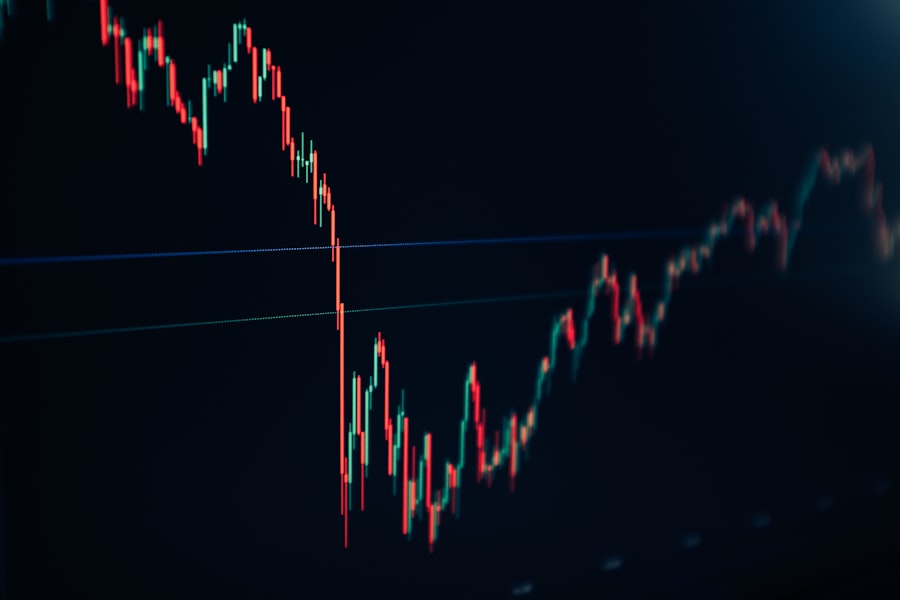
Understanding the root causes of the financial crisis is essential for developing effective strategies to mitigate its impact. Several factors have contributed to the current situation, including excessive risk-taking by financial institutions and a lack of regulatory oversight. In recent years, some banks have engaged in practices that prioritize short-term gains over long-term stability, leading to vulnerabilities within the financial system.
Additionally, external shocks such as geopolitical tensions and natural disasters can exacerbate existing weaknesses in economies. The COVID-19 pandemic serves as a stark reminder of how unforeseen events can disrupt global supply chains and consumer behavior. As economies strive to recover from such shocks, they may encounter lingering effects that hinder growth prospects and contribute to an overall sense of uncertainty.
Preparing for the Financial Downturn
As individuals and businesses brace for a potential financial downturn, preparation becomes paramount. Financial literacy plays a crucial role in equipping people with the knowledge needed to make informed decisions during turbulent times. Understanding personal finance principles—such as budgeting, saving, and investing—can empower individuals to navigate challenges more effectively.
For businesses, developing contingency plans is essential for weathering economic storms. This may involve diversifying revenue streams, reducing operational costs, or exploring new markets to mitigate risks associated with reliance on a single source of income. By proactively addressing vulnerabilities within their operations, companies can position themselves for resilience in the face of adversity.
Lessons Learned from Previous Crises
History offers valuable lessons from past financial crises that can inform current responses to emerging challenges. The 2008 financial crisis serves as a poignant example of how systemic risks can escalate when regulatory frameworks fail to keep pace with evolving market dynamics. In its aftermath, policymakers recognized the importance of enhancing oversight mechanisms to prevent similar occurrences in the future.
Moreover, previous crises have underscored the significance of fostering transparency within financial institutions. Clear communication regarding risks and exposures can help build trust among investors and stakeholders alike. By learning from past mistakes and implementing reforms aimed at strengthening financial systems, governments can work towards creating a more resilient economic environment.
Advice from Financial Experts
Financial experts emphasize the importance of adopting a proactive mindset when navigating uncertain economic conditions. Diversification remains a key strategy for mitigating risks associated with market volatility. By spreading investments across various asset classes—such as stocks, bonds, real estate, and commodities—investors can reduce their exposure to any single market downturn.
Additionally, experts recommend maintaining an emergency fund that covers several months’ worth of living expenses. This safety net can provide individuals with peace of mind during periods of economic instability while allowing them to avoid making hasty financial decisions driven by fear or panic. Ultimately, staying informed about market trends and seeking professional advice when needed can empower individuals to make sound financial choices.
Protecting Investments and Assets
In times of financial uncertainty, protecting investments and assets becomes a top priority for many individuals and businesses alike. One effective strategy is to reassess investment portfolios regularly to ensure alignment with risk tolerance and long-term goals. This may involve reallocating assets or considering more conservative investment options during periods of heightened volatility.
Furthermore, safeguarding physical assets—such as real estate or valuable collectibles—can provide an additional layer of protection against economic downturns. Individuals may explore options such as insurance coverage or diversification into alternative investments that are less correlated with traditional markets. By taking proactive steps to protect their wealth, investors can better navigate the challenges posed by a financial crisis.
Long-term Outlook and Recovery Plans
While the immediate future may appear uncertain due to ongoing economic challenges, there is hope for recovery in the long term. Historical patterns suggest that economies tend to rebound after periods of downturns, often emerging stronger than before. Policymakers play a crucial role in shaping recovery efforts through targeted investments in infrastructure, education, and innovation.
Moreover, fostering collaboration between governments, businesses, and communities can facilitate a more inclusive recovery process that addresses systemic inequalities exacerbated by crises. By prioritizing sustainable practices and investing in technologies that promote resilience, societies can work towards building a more robust economic framework capable of withstanding future shocks. In conclusion, understanding the complexities surrounding the current financial crisis is essential for navigating its challenges effectively.
By recognizing signs of impending downturns, analyzing expert predictions, and implementing proactive measures, individuals and businesses can better prepare for what lies ahead while contributing to broader efforts aimed at fostering economic stability and resilience in an ever-evolving landscape.
In light of ongoing economic uncertainties, many experts are turning their attention to potential future financial crises. A related article that delves into these predictions can be found at