
The arid plains of Mesopotamia, cradle of some of humanity’s earliest civilizations, continue to yield astonishing secrets. Among these, the remnants of the Assyrian Empire, a civilization renowned for its military might, sophisticated administration, and artistic achievements, offer a profound window into the ancient world. The ongoing efforts of archaeologists and historians to uncover and interpret Assyrian artifacts are not merely acts of historical preservation; they are vibrant explorations that illuminate the lives, beliefs, and imperial ambitions of a civilization that shaped the course of history for millennia. Each unearthed object, from monumental sculptures to humble household items, tells a story, piecing together a narrative that transcends the sands of time and connects us directly to our ancient predecessors.
The Gates of Nimrud: Unearthing Royal Grandeur
The city of Nimrud, once a magnificent capital of the Assyrian Empire, has proven to be an exceptionally rich source of archaeological treasures. Its excavation, which began in earnest in the mid-19th century and continues to this day, has revealed the sheer scale and opulence of Assyrian royal life. The most striking discoveries at Nimrud are undoubtedly the monumental gateways and palaces, adorned with colossal winged bulls, known as lamassu, and intricately carved bas-reliefs depicting scenes of warfare, royal processions, and religious ceremonies. These stone guardians, standing sentinel at the entrances to palaces, were not merely decorative; they were believed to possess protective powers, warding off evil spirits and symbolizing the might and divine favor of the Assyrian king.
The Lion Hunts of Ashurbanipal: A Testament to Royal Power
Among the most famous and revealing artifacts from Nimrud are the series of bas-reliefs from the North-West Palace, commissioned by Ashurbanipal, one of Assyria’s greatest kings. These panels meticulously document the king’s participation in ceremonial lion hunts. Far from being a mere sport, these hunts were a deeply symbolic act, demonstrating the king’s strength, courage, and his ability to subdue the most dangerous beasts, thereby mirroring his ability to control his empire and vanquish his enemies. The detailed artistry of these reliefs captures the ferocity of the lions and the confident prowess of the king, providing invaluable insights into Assyrian royal ideology and the king’s self-perception as a divinely appointed ruler. The musculature of the horses, the straining efforts of the archers, and the contorted agony of the dying lions are rendered with a realism that continues to astound viewers. These narratives served not only to glorify the king but also to educate and awe his subjects, reinforcing the divine right of kingship and the absolute authority of the monarch.
The Ivory Carvings of Kalhu: A Symphony of Craftsmanship
Nimrud, also known as Kalhu, was a hub of artistic production, and the discovery of exquisite ivory carvings further underscores this fact. These delicate objects, often smaller in scale than the monumental stone reliefs, showcase a remarkable level of technical skill and aesthetic refinement. The ivories, many of which were imported from distant lands, feature a fusion of Assyrian motifs with influences from Phoenician, Egyptian, and Anatolian art. They depict a diverse range of subjects, including mythological figures, animals, and scenes of daily life. The intricate details, such as the flowing locks of hair and the elaborate patterns on clothing, speak to the sophisticated taste of the Assyrian elite. These ivories, once adorning furniture, chariots, and personal adornments, offer a more intimate glimpse into the luxurious lifestyle of the Assyrian aristocracy and the interconnectedness of the ancient world through trade and cultural exchange. The survival of these delicate pieces is itself a testament to the dry climate of the region and the fortunate circumstances of their burial.
Ancient Assyrian artifacts provide a fascinating glimpse into the rich history and culture of one of the world’s earliest civilizations. These artifacts, ranging from intricate carvings to monumental architecture, reveal the artistic and technological advancements of the Assyrians. For those interested in exploring the broader context of ancient civilizations and their migrations, a related article can be found at this link, which discusses prehistoric human migration patterns and their implications for understanding ancient societies.
Tablets of Wisdom: Unlocking Assyrian Knowledge
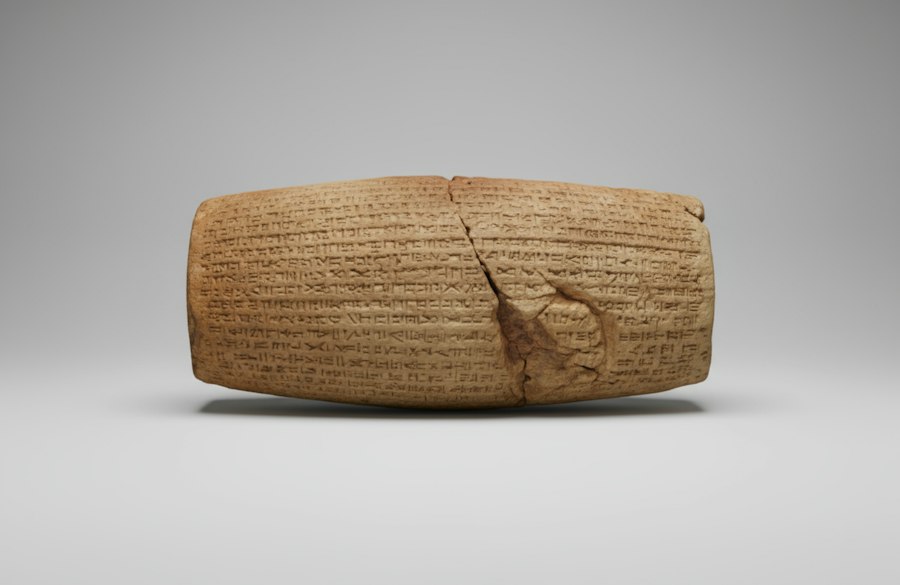
Beyond the monumental architecture and exquisite art, the Assyrian Empire left behind a legacy of written knowledge preserved on clay tablets. The royal libraries, most notably the one at Nineveh, have yielded tens of thousands of cuneiform tablets, providing an unparalleled source of information about Assyrian society, religion, literature, and science. These tablets are the key to understanding the intellectual life of the empire and its contributions to human knowledge.
The Epic of Gilgamesh: A Timeless Tale of Humanity
One of the most significant literary discoveries from the Assyrian libraries is the Epic of Gilgamesh. This epic poem, one of the earliest known works of literature, tells the story of Gilgamesh, the king of Uruk, and his quest for immortality. The narrative explores universal themes of friendship, loss, mortality, and the search for meaning in life. While the story predates the Assyrian Empire, the most complete version we possess was compiled and preserved by Assyrian scribes. The translation and ongoing study of this epic continue to resonate with modern audiences, offering a profound connection to the shared human experience across millennia. The tablets containing the epic are fragmented and incomplete, requiring considerable effort from epigraphers to reconstruct the narrative, but the impact of its decipherment cannot be overstated. It reveals a sophistication of thought and emotion that challenges preconceived notions of ancient civilizations.
Administrative and Legal Records: The Backbone of the Empire
While literary epics capture the imagination, the vast majority of Assyrian tablets are administrative, legal, and economic in nature. These documents provide crucial insights into the functioning of the Assyrian state, from the meticulous record-keeping of agricultural yields and tax collection to the decrees and judgments of royal courts. They reveal a highly organized and bureaucratic empire, with a complex system of laws and regulations governing every aspect of society. The detailed nature of these records allows historians to reconstruct economic activities, understand social hierarchies, and trace the administrative reach of the Assyrian kings. These seemingly mundane documents are, in fact, the very bedrock upon which our understanding of Assyrian governance and societal structure is built, offering a stark contrast to the more poetic or religious texts. They paint a picture of a pragmatic and efficient empire that maintained its vast territories through careful management and stringent legal frameworks.
Beyond the Palaces: Everyday Life in Ancient Assyria

While the grandeur of royal palaces and the wisdom of scribes dominate many accounts of Assyrian civilization, the ongoing archaeological work also strives to uncover the lives of ordinary Assyrians. Excavations of residential areas, workshops, and burial sites are shedding light on the daily routines, social customs, and material culture of the broader population. These discoveries help to humanize a civilization often perceived primarily through its military might and imperial ambitions.
Recent discoveries of ancient Assyrian artifacts have shed light on the sophisticated culture and advanced technology of this remarkable civilization. These artifacts not only provide insights into daily life but also reveal the intricate trade networks that existed during that time. For a deeper understanding of how ancient cities, including those of the Assyrians, faced abandonment and transformation, you can explore this related article on urban decline trends in ancient societies. Check it out here.
Pottery and Tools: Indicators of Daily Sustenance
The ubiquitous presence of pottery shards and various tools in archaeological sites offers a tangible link to the everyday lives of Assyrians. The styles and materials of pottery can indicate trade networks, chronological periods, and the intended use of vessels, from simple cooking pots to elaborately decorated serving dishes. Similarly, the discovery of agricultural tools, implements for metalworking, and household utensils provides evidence of the labor and ingenuity that sustained Assyrian society. These objects, though seemingly humble, are essential in reconstructing the material culture and economic activities of common people, revealing their resourcefulness and their connection to the land. Analyzing the composition of the clay and the firing techniques used in pottery can even offer insights into regional variations and technological advancements.
Religious Practices and Beliefs: A Glimpse into the Spiritual Realm
Archaeological evidence also illuminates the religious landscape of ancient Assyria. The discovery of votive offerings, religious figurines, and the layout of temples and shrines provide clues about the deities worshipped and the rituals practiced. While often intertwined with royal ideology, the cults of various gods and goddesses permeated all levels of society. Offerings found in domestic settings suggest personal piety and the integration of religious practices into daily life. Understanding these spiritual dimensions is crucial to grasping the worldview of the Assyrians and the role that divine favor played in their lives and in the legitimacy of their rulers. The presence of amulets and charms also points to a belief in protective magic and the desire to ward off ill fortune.
The Legacy of Assyria: Enduring Influence on the World
The uncovered artifacts of ancient Assyria are not merely relics of a bygone era; they represent a civilization whose influence extended far beyond its territorial borders and whose innovations left a lasting impact on subsequent empires and cultures. The Assyrians were pioneers in various fields, and their achievements continue to inform our understanding of historical development.
Military Innovations and Imperial Administration
The Assyrians were masters of warfare and military organization. Their disciplined armies, innovative

Did This Ancient Crystal Help People See?
FAQs
What are ancient Assyrian artifacts?
Ancient Assyrian artifacts are objects and items that were created by the Assyrian civilization, which existed in the ancient Near East from around 2500 BC to 612 BC. These artifacts include sculptures, reliefs, pottery, jewelry, and inscriptions.
Where are ancient Assyrian artifacts found?
Ancient Assyrian artifacts are primarily found in the regions that were once part of the Assyrian Empire, which included parts of modern-day Iraq, Syria, Turkey, and Iran. Many artifacts have been discovered in archaeological sites such as Nineveh, Nimrud, and Khorsabad.
What do ancient Assyrian artifacts reveal about the civilization?
Ancient Assyrian artifacts provide valuable insights into the culture, religion, art, and daily life of the Assyrian civilization. They reveal details about their military conquests, religious beliefs, royal practices, and artistic achievements.
How are ancient Assyrian artifacts preserved and displayed today?
Many ancient Assyrian artifacts are preserved in museums around the world, such as the British Museum, the Louvre, and the Iraq Museum. These artifacts are carefully stored, studied, and displayed to educate the public about the rich history of the Assyrian civilization.
Why are ancient Assyrian artifacts important?
Ancient Assyrian artifacts are important because they help us understand the achievements and contributions of one of the most powerful civilizations in the ancient Near East. They also shed light on the interactions between different cultures and societies in the region during ancient times.