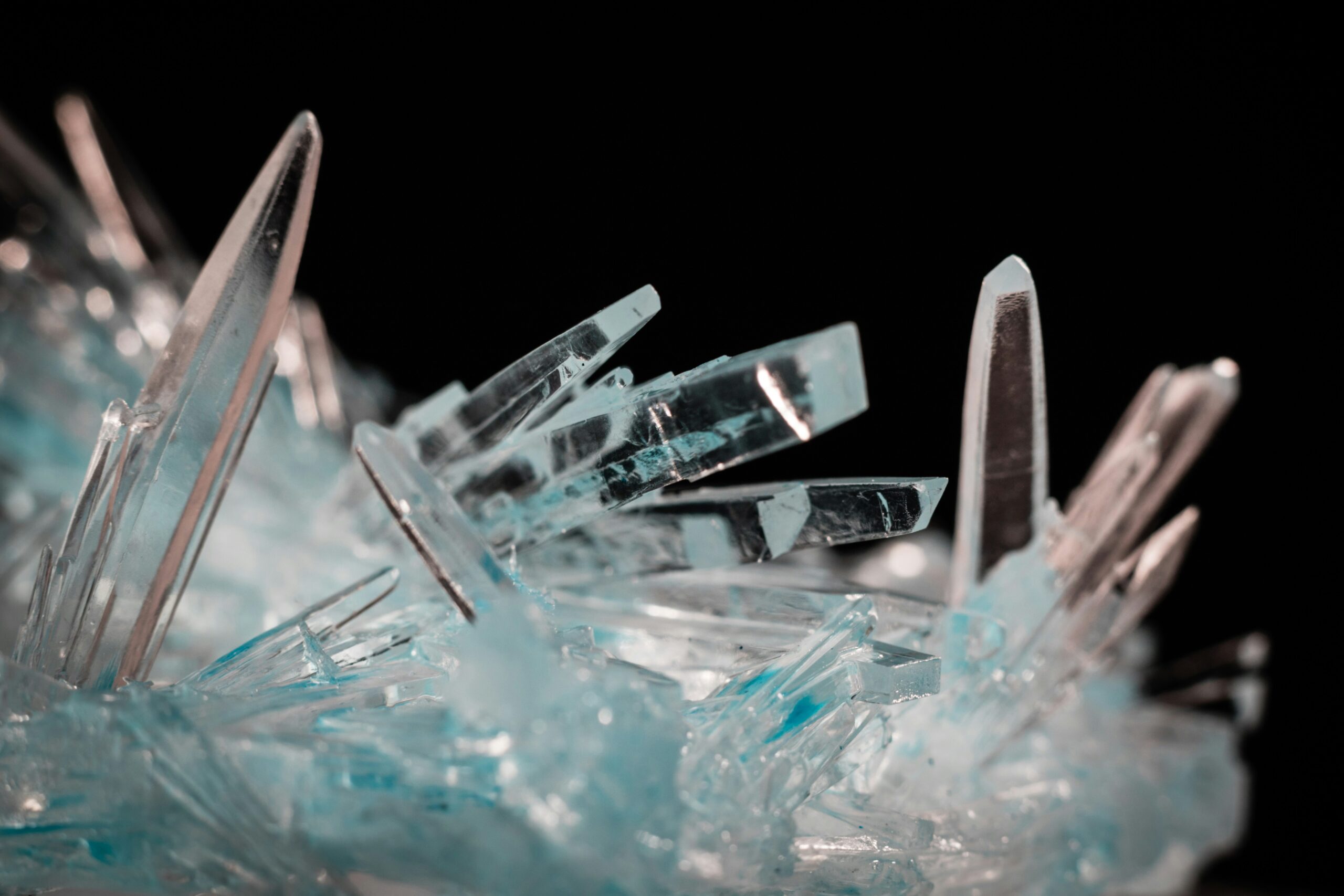
The sands of Mesopotamia whisper tales of empires, of mighty kings and their monumental achievements, but amidst the grandeur of ziggurats and the clang of bronze, a subtler, more enduring beauty emerged: Assyrian rock crystal. This transparent, luminous material, painstakingly shaped by ancient artisans, offers a unique window into the sophisticated tastes and advanced craftsmanship of one of history’s most formidable civilizations. Far from being mere decorative trinkets, these artifacts were imbued with symbolic meaning, practical utility, and a testament to the Assyrians’ mastery over a challenging medium. To truly appreciate Assyrian rock crystal is to delve into the heart of their material culture, their understanding of the natural world, and their enduring legacy.
The Luster of the Earth: Assyrian Sources and Discovery
The allure of rock crystal, a naturally occurring, colorless variety of quartz, has captivated humanity for millennia. For the Assyrians, this material held a special significance, not only for its aesthetic appeal but also for its perceived purity and clarity. Their access to this precious resource, while not as abundant as other Mesopotamian commodities, was nonetheless sufficient to fuel a thriving tradition of crystal working. The primary source for Assyrian rock crystal is believed to have been the mountainous regions bordering their empire, particularly areas in modern-day Anatolia and possibly even the Taurus Mountains. Trade routes, well-established and extensive, would have facilitated the transport of raw crystal from these distant quarries to the workshops of Assyrian cities like Nimrud, Nineveh, and Ashur.
The discovery of these remarkable objects has been a gradual process, punctuated by significant archaeological finds that have illuminated the extent of Assyrian crystal artistry. Excavations in the royal palaces and administrative centers have yielded a treasure trove of rock crystal artifacts, offering tangible evidence of their existence and prevalence. Early excavations in the 19th century, though sometimes less meticulous by modern standards, brought to light a wealth of material, including inscribed items and exquisitely carved vessels. Later archaeological endeavors, employing more scientific methodologies, have provided a deeper understanding of the contexts in which these objects were found, often within royal treasuries, private chambers, or even burial sites. The careful cataloging and analysis of these discoveries have allowed scholars to piece together the narrative of Assyrian rock crystal, from its raw form to its final, polished glory.
Mining and Trade: The Journey from Mountain to Metropolis
The acquisition of raw rock crystal was no simple feat. Assyrian miners, likely operating in challenging mountainous terrain, would have employed rudimentary but effective techniques to extract the raw material. These methods may have involved the use of fire to heat and fracture rock, followed by the careful removal of crystal veins. The arduous nature of this extraction process, coupled with the long distances involved in transport, undoubtedly contributed to the value and prestige associated with rock crystal.
Once extracted, the raw crystal would embark on a journey along established trade networks. Caravans, traversing vast distances, would carry this precious cargo from the mining regions to the bustling urban centers of Assyria. These trade routes were not merely conduits for raw materials but also for the exchange of ideas, technologies, and cultural influences. The presence of rock crystal in Assyrian contexts suggests a robust economic system capable of supporting such long-distance trade and a demand for luxury goods among the Assyrian elite. The Assyrians, known for their administrative prowess and military might, were also astute traders, and their control over key trade routes would have ensured a steady supply of valuable commodities, including rock crystal.
Archaeological Evidence: Unearthing the Past in Assyrian Cities
The archaeological record provides the most compelling evidence for the existence and widespread use of Assyrian rock crystal. Excavations at sites like Nimrud, the ancient capital of Assyria, have been particularly fruitful. The Northwest Palace, built by Ashurnasirpal II, yielded a remarkable collection of artifacts, many of which are now housed in major museums around the world. Among these were numerous items carved from rock crystal, including bowls, vases, and intricate decorative elements. Similarly, excavations at Nineveh, Sennacherib’s magnificent capital, have revealed further examples of Assyrian crystal work, further solidifying the importance of this material in Assyrian material culture.
The contexts in which these artifacts are found are crucial for understanding their function and significance. Discoveries within royal treasuries suggest that rock crystal items were considered valuable possessions, possibly even part of the royal regalia or diplomatic gifts. Their presence in private chambers hints at their use in domestic settings by the affluent. Furthermore, some rock crystal objects bear inscriptions, often naming the king or the deity to whom they were dedicated. These inscriptions provide invaluable historical information, dating the objects and shedding light on the individuals and institutions that possessed them. The ongoing process of archaeological excavation and analysis continues to unveil new insights into the world of Assyrian rock crystal, promising to further enrich our understanding of this ancient art form.
The fascinating world of Assyrian rock crystal has captivated historians and archaeologists alike, shedding light on the artistic and cultural practices of ancient civilizations. For those interested in exploring the intricate connections between natural resources and historical artifacts, a related article discusses the mysteries of subglacial lakes in Antarctica, revealing how these hidden environments can provide insights into past climates and ecosystems. You can read more about this intriguing topic in the article Uncovering the Secrets of Subglacial Lakes in Antarctica.
The Artisan’s Hand: Craftsmanship and Techniques

The creation of Assyrian rock crystal objects was a testament to the skill and patience of ancient artisans. Working with a material as hard and brittle as quartz presented significant challenges, requiring specialized tools and techniques that evolved over centuries. The Assyrians’ ability to transform raw, unyielding crystal into objects of delicate beauty speaks volumes about their technological sophistication and their understanding of the material’s properties.
The process likely began with the selection of suitable raw crystal. Artisans would have sought out pieces free from significant inclusions or fractures to ensure the integrity and clarity of the final product. Shaping the crystal would have been a laborious undertaking, involving a combination of grinding, polishing, and possibly even drilling. Tools made from harder abrasives, such as emery or other hard stones, would have been employed to wear away the crystal. The development of specialized drills, possibly using abrasive powders mixed with liquid, would have been essential for creating hollow vessels or intricate details. The final stages would involve meticulous polishing to achieve the characteristic luster and transparency that makes rock crystal so captivating.
Shaping the Unyielding: Tools and Methods of Working
The Assyrian craftsman faced a formidable challenge in shaping rock crystal. Unlike softer materials like clay or wood, quartz resists easy manipulation. The primary method employed would have been abrasive grinding. Artisans would have used grit or sand, often derived from minerals like emery, to abrade the surface of the crystal. This process was slow and required constant effort, with the craftsman carefully moving the crystal against a grinding surface or using abrasive-laden tools to shape the desired form.
For creating hollow vessels, drilling would have been essential. This likely involved the use of bow drills or hand drills, powered by human effort. The drill bit itself might have been made of hardened bronze or even diamond (though evidence for diamond use in Assyria is scarce and debated), combined with abrasive powder and water to facilitate the cutting process. This combination of mechanical action and abrasive wear would have allowed them to gradually hollow out bowls and other containers. The intricate details found on some Assyrian rock crystal artifacts, such as relief carvings or incised patterns, suggest the use of even finer tools, possibly hardened metal points or small abrasive wheels, employed with great precision.
Achieving Perfection: Polishing and Finishing
The final and perhaps most crucial stage in the creation of Assyrian rock crystal artifacts was polishing. This process was essential for revealing the inherent beauty of the quartz, its transparency, and its ability to refract light. The polishing would have involved a series of increasingly fine abrasives, gradually smoothing the surface of the crystal until it achieved a mirror-like finish. This could have involved the use of fine sand, powdered pumice, or even leather buffing wheels.
The Assyrian ability to achieve such a high degree of polish on rock crystal is remarkable. This meticulous finishing not only enhanced the aesthetic appeal of the objects but also contributed to their perceived purity and almost magical qualities. The way light plays through a perfectly polished rock crystal vessel, illuminating its facets and internal structure, would have been a source of wonder and admiration in the ancient world. The skill involved in this final stage underscores the dedication and expertise of Assyrian craftsmen who transformed raw, earthly material into objects of ethereal beauty.
Forms of Brilliance: Types of Rock Crystal Artifacts
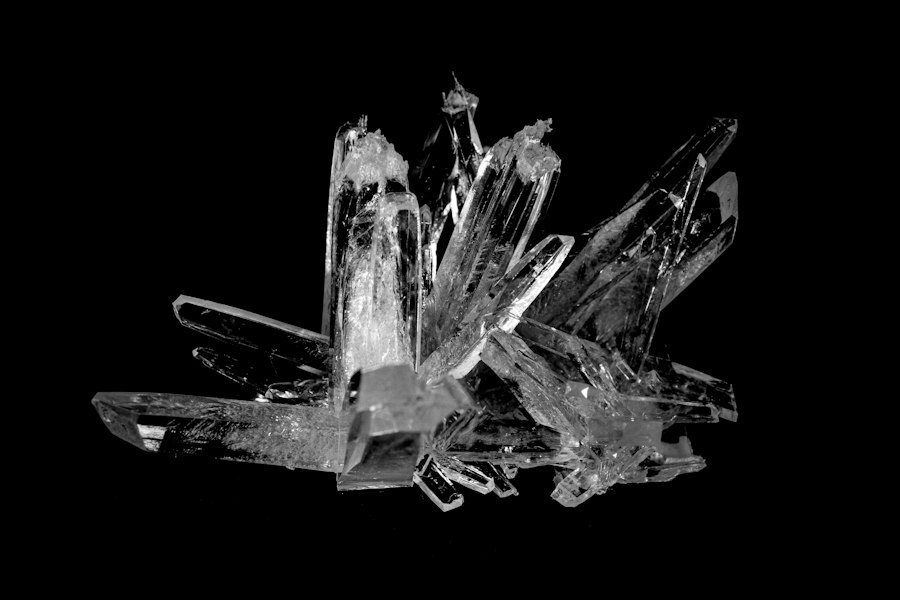
Assyrian rock crystal artistry was not confined to a single type of object. The versatility of the material allowed artisans to create a diverse range of artifacts, each serving different purposes and reflecting various aspects of Assyrian life and beliefs. From practical vessels for everyday use to items of profound symbolic and ritualistic significance, these objects showcase the adaptability and ingenuity of Assyrian craftsmanship.
The most commonly found rock crystal artifacts are vessels, such as bowls, cups, and ewers. These were often elegantly shaped, demonstrating a sophisticated understanding of form and balance. Beyond utilitarian purposes, rock crystal was also employed in the creation of decorative items, including animal figurines, amuletic objects, and even components of larger structures or ceremonial equipment. The inherent clarity of the material made it ideal for capturing and reflecting light, imbuing these objects with a captivating luminosity.
Vessels of Elegance: Bowls, Cups, and Ewers
Among the most prevalent and striking examples of Assyrian rock crystal artifacts are the various types of vessels. Bowls of different sizes and depths were carved from solid blocks of crystal, their surfaces meticulously smoothed and polished to a high sheen. These could have been used for serving food or drink, or as decorative elements within the domestic or palatial settings. Cups, often smaller and more delicate, might have been used for drinking fine wines or other beverages, their transparency allowing the color of the liquid to be admired.
More elaborate were the carved ewers or pitchers, featuring spouts and handles. These would have required a higher degree of skill to fashion, demonstrating the Assyrians’ ability to create complex forms from such a challenging material. The surfaces of these vessels were often left smooth and unadorned, allowing the natural beauty and clarity of the rock crystal to take center stage. In other instances, subtle decorative elements might have been incorporated, such as fluting or delicate rim detailing, further enhancing their aesthetic appeal. The presence of such finely crafted vessels underscores the Assyrians’ appreciation for beauty and refinement in their daily lives, even in the simplest of functional objects.
Beyond the Functional: Amulets, Figurines, and Ritual Objects
Rock crystal transcended mere utility in Assyrian society, playing a significant role in their spiritual and symbolic world. Amulets carved from rock crystal were believed to possess protective powers, warding off evil spirits or bringing good fortune. These might take the form of small animal figures, geometric shapes, or even miniature representations of deities. The perceived purity and transparency of the crystal were thought to amplify its inherent protective qualities, making it a favored material for such sacred objects.
Figurines, often depicting animals or mythical creatures, also featured in Assyrian rock crystal art. These could have served as decorative items, toys, or even as components of larger ceremonial objects. The ability to capture the essence of a creature in the transparent medium of crystal would have been a remarkable artistic achievement. Furthermore, rock crystal was likely incorporated into more elaborate ritualistic contexts. Fragments of rock crystal have been found in temple excavations and have been theorized to have been used in votive offerings or as elements within religious regalia. The luminous quality of the crystal, especially when illuminated, would have lent an ethereal and sacred atmosphere to any religious ceremony.
Symbolism and Significance: The Deeper Meanings of Crystal
The Assyrians, like many ancient civilizations, imbued natural materials with profound symbolic meanings. Rock crystal, with its inherent clarity, purity, and ability to reflect and refract light, held a special place in their cosmology and belief systems. It was not simply a beautiful substance but a material that evoked concepts of divinity, truth, and the celestial realm.
The transparency of rock crystal was often associated with divine vision or the ability to perceive hidden truths. Its purity mirrored the unblemished nature of the gods, and its luminescence was seen as a reflection of heavenly light. This association with the divine meant that rock crystal objects were likely employed in religious ceremonies, royal rituals, and as objects of personal devotion. The careful preservation and discovery of these artifacts in sacred and royal contexts further support this interpretation.
The Mirror of Truth: Perceptions of Purity and Clarity
The unwavering clarity of rock crystal made it a potent symbol of truth and unblemished purity in Assyrian thought. Unlike opaque materials, rock crystal allowed one to see through it, to perceive what lay beyond. This characteristic was likely metaphorically extended to represent spiritual clarity, honesty, and moral uprightness. To possess and use objects made from such a pure material would have been seen as an outward manifestation of these desirable qualities.
The Assyrians, as a highly organized and often religiously devout society, would have valued these symbolic associations. In a world where deception and hidden motives could have serious consequences, the symbol of unadulterated clarity offered a powerful contrast. Rock crystal could have been seen as a material that reflected not only physical light but also spiritual truth, serving as a constant reminder of the ideal of purity and integrity.
Light and Divinity: Celestial Associations and Royal Power
The radiant quality of polished rock crystal, its ability to capture and amplify light, connected it to the celestial realm and the divine. The sun, moon, and stars, sources of light and power, were central to ancient Mesopotamian cosmology. Rock crystal, in its own way, mimicked this celestial luminescence, making it a natural conduit for associating earthly objects with heavenly power.
For the Assyrian kings, who claimed divine mandate for their rule, rock crystal objects likely played a role in reinforcing their authority. The possession of such luminous and precious materials would have been a visual demonstration of their wealth, their connection to the gods, and their ability to command the finest resources. Royal seals, ceremonial vessels, and even architectural elements made from rock crystal could have served to legitimize and glorify the monarch. The light emanating from these objects would have been interpreted as a tangible manifestation of divine favor, further solidifying the king’s position as God’s representative on Earth.
The Assyrian rock crystal artifacts have long fascinated historians and archaeologists due to their intricate craftsmanship and historical significance. These exquisite pieces not only showcase the artistry of the Assyrian civilization but also provide insight into the trade networks and cultural exchanges of the ancient world. For those interested in exploring more about ancient artifacts and their mysteries, a related article discusses the enigmatic Piri Reis map and its implications for understanding historical geography. You can read more about it in this insightful piece.
A Legacy in Stone: The Enduring Appeal of Assyrian Rock Crystal
| Metric | Details |
|---|---|
| Material | Rock Crystal (Quartz) |
| Period | Neo-Assyrian Empire (circa 911–609 BCE) |
| Common Uses | Seals, jewelry, amulets, and decorative objects |
| Typical Size | Varies from small beads (~1 cm) to larger carved objects (~10 cm) |
| Carving Techniques | Engraving, intaglio, and relief carving |
| Symbolism | Protection, purity, and divine connection |
| Geographical Origin | Mesopotamia (modern-day Iraq and surrounding regions) |
| Notable Collections | British Museum, Louvre Museum, Metropolitan Museum of Art |
The story of Assyrian rock crystal is far from over. Each new archaeological discovery, each ongoing analysis of existing artifacts, adds another layer to our understanding of this ancient art form. These objects, unearthed from the dust of millennia, continue to fascinate and inspire, offering a tangible connection to a civilization that, despite its eventual decline, left an indelible mark on human history.
The enduring appeal of Assyrian rock crystal lies not only in its aesthetic beauty but also in the stories it tells. They speak of skilled artisans who worked with incredible precision, of a society that valued beauty and symbolism, and of a worldview that saw the divine reflected in the natural world. As we gaze upon these luminous creations, we are invited to contemplate the ingenuity of our ancestors and the timeless human desire to transform the raw materials of the earth into objects of enduring wonder. The legacy of Assyrian rock crystal serves as a potent reminder that true beauty, like truth itself, can endure the passage of ages, shining brightly across the vast expanse of time.
Preservation and Presentation: Protecting and Displaying Ancient Treasures
The preservation of these delicate rock crystal artifacts is a critical undertaking for museums and archaeological institutions worldwide. Exposure to environmental fluctuations, improper handling, and even certain cleaning agents can pose significant risks to their integrity. Modern conservation techniques, employing controlled environments and specialized materials, are essential for ensuring that these ancient treasures can be safeguarded for future generations.
The presentation of Assyrian rock crystal in museum settings plays a vital role in educating the public and fostering an appreciation for this art form. Thoughtful display cases, appropriate lighting that highlights the material’s luminosity, and informative labels that explain the context and significance of each object are crucial for conveying their importance. By making these artifacts accessible and understandable, museums allow us to connect with the artistry and the worldview of the Assyrians, transforming our understanding of this ancient civilization from abstract historical accounts to tangible, breathtaking realities. The ongoing work of preservation and presentation ensures that the brilliance of Assyrian rock crystal continues to shine, illuminating our past and enriching our present.
Did This Ancient Crystal Help People See?
FAQs
What is Assyrian rock crystal?
Assyrian rock crystal refers to a type of transparent quartz crystal that was used by the ancient Assyrians for various decorative and functional purposes.
Where was Assyrian rock crystal found?
Assyrian rock crystal was primarily found in the region of Mesopotamia, which is present-day Iraq. The Assyrians were known for their skilled craftsmanship in working with this material.
How did the Assyrians use rock crystal?
The Assyrians used rock crystal to create intricate carvings, jewelry, seals, and other decorative objects. They also believed that rock crystal had magical or protective properties.
What time period did the Assyrians work with rock crystal?
The Assyrians worked with rock crystal during the Neo-Assyrian Empire, which spanned from around 911 to 609 BCE. This period was known for its advancements in art, architecture, and craftsmanship.
What is the significance of Assyrian rock crystal in history?
Assyrian rock crystal artifacts are important historical and archaeological finds that provide insights into the artistic and cultural achievements of the ancient Assyrians. They also demonstrate the value placed on craftsmanship and luxury goods in ancient Mesopotamia.