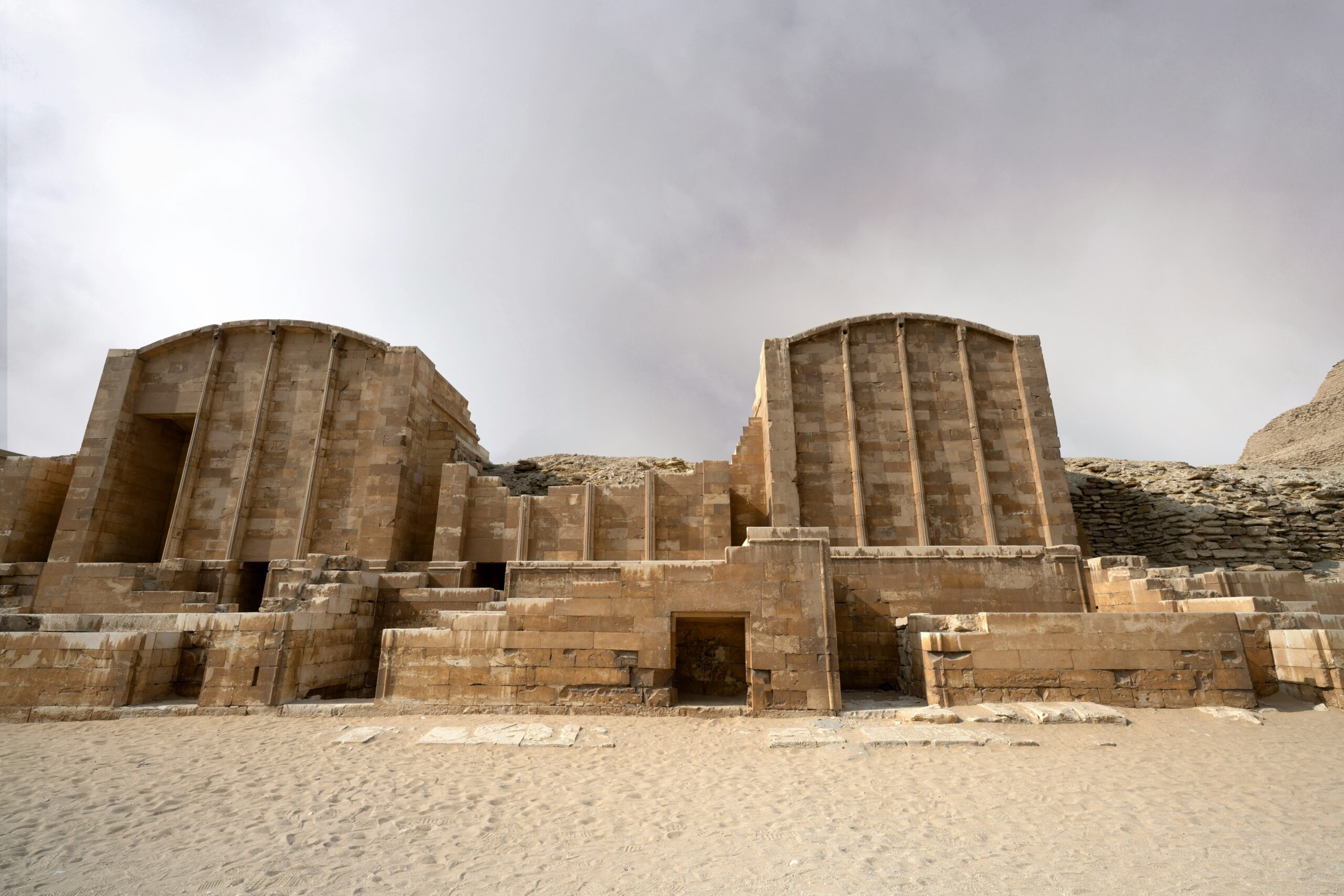
The sands of Mesopotamia whisper tales of a bygone empire, a realm of formidable rulers and unparalleled artistic achievement. For millennia, the sprawling palaces of the Assyrian kings stood as testaments to their power and ambition, their opulent halls adorned with treasures that spoke of wealth, conquest, and a deep connection to the divine. Today, archaeologists and historians continue to unearth and interpret these ancient riches, piecing together a vibrant picture of a civilization that once dominated the Near East. Exploring these ancient Assyrian palace treasures offers a unique window into the heart of this powerful empire, revealing not only their material wealth but also their sophisticated understanding of art, religion, and governance.
Echoes of Royal Grandeur: Unearthing Palace Complexes
The sheer scale and ambition of Assyrian palace architecture are breathtaking. These were not mere dwellings but colossal complexes designed to project power and awe. Located in strategically important cities like Nimrud, Nineveh, and Khorsabad, these palaces were the epicenters of Assyrian life, housing the royal family, administrative offices, religious sanctuaries, and vast treasuries. The meticulous excavation of these sites has brought to light a treasure trove of artifacts, each a silent witness to the lives of those who inhabited these magnificent structures.
The Royal Residences: Living Amidst Splendor
The primary function of these palaces was, of course, to serve as the residences of the Assyrian kings. From the sprawling complexes of Nimrud, which housed rulers like Ashurnasirpal II, to the grand palace of Sargon II at Khorsabad, the emphasis was on luxury and the display of royal authority. Within these palaces, archaeologists have discovered remnants of opulent living quarters, including chambers with meticulously carved ivory furniture, gilded embellishments, and vibrant wall paintings that, though faded, hint at their original splendor. The sheer volume of gold and precious materials found within these royal apartments underscores the immense wealth that flowed into the Assyrian coffers. These were not just living spaces; they were stages upon which the Assyrian monarchy performed its divine mandate, surrounded by the finest craftsmanship and the most valuable possessions. The careful planning and execution of these royal residences demonstrate a sophisticated understanding of urban design and a commitment to creating an environment that reflected the king’s elevated status.
Administrative Hubs: The Machinery of Empire
Beyond their residential functions, Assyrian palaces served as the administrative heart of the vast empire. Here, scribes meticulously recorded royal decrees, tribute lists, and historical events. The discovery of thousands of cuneiform tablets within these palace archives has been instrumental in reconstructing Assyrian history, law, and literature. These administrative sections were bustling with activity, housing storerooms filled with goods, workshops for artisans, and quarters for officials and soldiers. The presence of specialized rooms for different administrative functions points to a highly organized and efficient bureaucracy that underpinned the Assyrian empire’s success. The treasures found in these areas, such as seals and official insignia, further highlight the administrative structures and the mechanisms of control that allowed the Assyrians to govern their expansive territories.
Religious Sanctuaries: Divine Patronage and Royal Legitimacy
Religion played a pivotal role in Assyrian society, and the palaces were integral to its expression. Dedicated chapels and temples were often incorporated within the palace complexes, underscoring the divine nature of the Assyrian kings and their role as intermediaries between the gods and their people. The treasures found within these sacred spaces offer profound insights into Assyrian religious beliefs and practices. These include votive offerings, ritualistic objects, and amulets believed to protect the king and the kingdom. The intricate carvings and inscriptions found on religious artifacts often depict deities, mythological scenes, and royal supplicants, reinforcing the connection between divine favor and royal power. The presence of these religious elements within the very fabric of the palace served to legitimize the king’s rule and to imbue his authority with sacred power.
Ancient Assyrian palaces were renowned for their opulent decorations and intricate artifacts, which often reflected the power and sophistication of the Assyrian Empire. A fascinating exploration of ancient artifacts can be found in the article titled “Glacier Mystery: The Mirror’s Reflection,” which delves into the significance of reflective surfaces in ancient cultures and their potential connections to Assyrian artistry. To learn more about this intriguing topic, you can read the article here: Glacier Mystery: The Mirror’s Reflection.
The Artistry of Empire: Reliefs, Ivories, and Metalwork
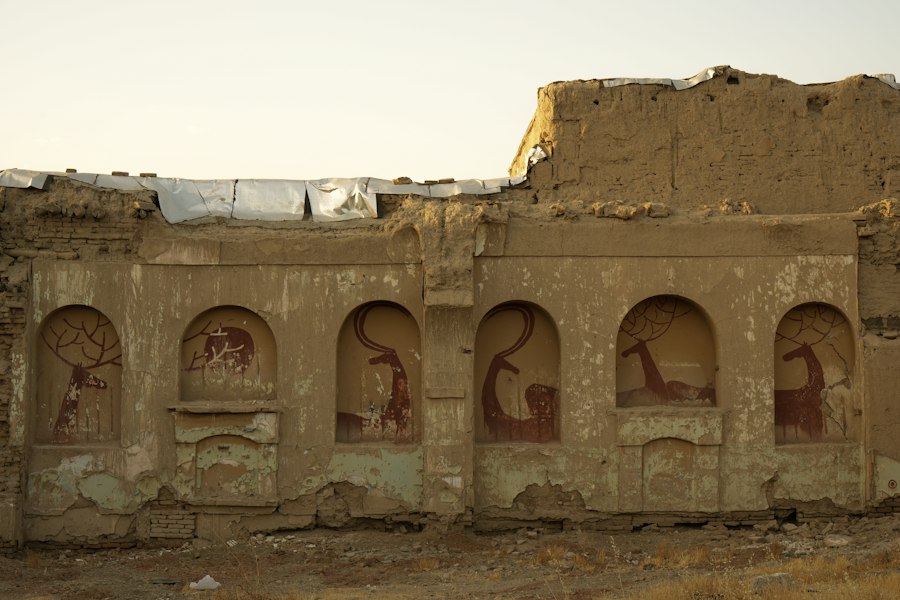
The Assyrian palaces were not merely repositories of wealth; they were also canvases for some of the ancient world’s most remarkable artistic achievements. The walls of these palaces were adorned with colossal reliefs, intricate ivories, and exquisite metalwork, all serving to narrate the deeds of the kings, glorify their victories, and assert their dominance over conquered lands. The craftsmanship displayed in these artifacts is of the highest order, showcasing a deep understanding of form, detail, and narrative.
Monumental Reliefs: Narratives in Stone
Perhaps the most iconic treasures of the Assyrian palaces are their monumental stone reliefs. Carved from gypsum or limestone, these panels once lined the walls of the throne rooms and public halls, creating immersive visual narratives. These reliefs depicted a wide array of subjects, from meticulously detailed hunting scenes and military campaigns to processions of tribute bearers and depictions of religious ceremonies. The scale and artistry of these carvings are astonishing. The figures are often rendered with a striking realism, capturing the musculature of warriors and the ferocity of lions. The attention to detail, from the folds of royal garments to the individual strands of hair on a lion’s mane, is unparalleled. These reliefs served a dual purpose: to inform and to intimidate, reminding both subjects and visitors of the king’s power, his military prowess, and his divinely ordained right to rule. The sheer volume of these reliefs found within the palaces, often stretching for hundreds of meters, testifies to the enormous resources dedicated to their creation and the importance placed on visual propaganda in the Assyrian court.
Ancient Assyrian palace objects provide a fascinating glimpse into the opulence and artistry of one of history’s most powerful empires. These artifacts, ranging from intricately carved reliefs to exquisite jewelry, reflect the cultural and political significance of the Assyrian civilization. For those interested in how ancient cultures have influenced modern perceptions of power and territory, a related article explores how the world map evolves and changes across the globe. You can read more about it here.
Exquisite Ivories: Delicate Craftsmanship and Exotic Motifs
The Assyrian fascination with luxury and exoticism is vividly illustrated by their exquisite ivory carvings. Sourced from elephant tusks imported from distant lands, these delicate artifacts adorned furniture, chariots, and personal items. The skill of the Assyrian artisans in carving ivory is truly remarkable, producing intricate designs with astonishing precision. Many of these ivories feature motifs that blend Assyrian styles with influences from Egypt, Phoenicia, and Anatolia, reflecting the empire’s extensive trade networks and cultural interactions. Scenes of hunting, banqueting, and mythological figures are common, often rendered with a fluidity and grace that contrasts with the more monumental stone reliefs. The discovery of large caches of these ivories, particularly at Nimrud, has provided invaluable insights into the daily lives of the Assyrian elite and their appreciation for fine craftsmanship. These pieces, often inlaid with precious stones and gold, speak to a level of refinement and taste that was characteristic of the Assyrian court.
Metalwork and Jewelry: Glimmers of Wealth and Symbolism
Assyrian metalworkers were masters of their craft, producing a dazzling array of objects from bronze, gold, and silver. These included weaponry, ceremonial vessels, and elaborate jewelry. The weaponry, such as helmets and sword hilts, was not only functional but also highly decorative, often embellished with intricate carvings and precious metals. Ceremonial vessels, like cauldrons and bowls, were often adorned with mythological scenes and symbolic imagery, used in both religious rituals and royal banquets. The jewelry found in Assyrian palaces, including necklaces, bracelets, and earrings, is a testament to the immense wealth of the ruling class. These pieces, fashioned from gold and studded with gemstones like lapis lazuli, carnelian, and turquoise, were not merely adornments but also potent symbols of status and power. The sophisticated techniques employed, such as filigree and granulation, showcase a high level of metallurgical skill and artistic sensibility, contributing significantly to the overall opulence of the Assyrian royal courts.
The Legacy of the Palaces: Unveiling Assyrian Beliefs and Power Structures

The treasures unearthed from the Assyrian palaces are more than just beautiful objects; they are vital keys to understanding the complex belief systems, social hierarchies, and power structures that defined this ancient civilization. Through the careful study of these artifacts, scholars can reconstruct the worldview of the Assyrians and appreciate the sophisticated mechanisms that allowed them to maintain their vast empire for centuries.
Divine Kingship and Royal Ideology: The King as God’s Representative
A central theme that emerges from the study of Assyrian palace treasures is the concept of divine kingship. The Assyrian kings were not merely secular rulers; they were considered divinely appointed intermediaries between the gods and their people. This ideology permeated every aspect of palace life and was visually reinforced through the art and inscriptions found within these complexes. The reliefs often depict the king receiving divine favor or engaged in sacred rituals, underscoring his unique relationship with the gods. The treasures themselves, such as votive offerings and religious artifacts, highlight the king’s role as the chief priest and protector of the realm. This divine mandate legitimized his absolute authority and provided a powerful ideological framework for his rule, ensuring the loyalty of his subjects and justifying his military conquests as divinely sanctioned endeavors. The careful curation of these artifacts within the palaces served to constantly remind all who entered of the king’s sacred status and his indispensable role in the cosmic order.
The Hierarchy of Power: Social Stratification and Elite Life
The Assyrian palaces were not only the domain of the king but also the center of a complex social hierarchy. The vast array of artifacts reveals the lives of the elite – the royal family, nobles, high-ranking officials, and priests – who resided within or frequented these palaces. The differences in the quality and quantity of treasures found in various parts of the palace complex reflect the distinct social strata. For example, the royal apartments would have contained the most luxurious items, while the quarters of lower-ranking officials would have featured simpler, though still valuable, possessions. The prevalence of imported luxury goods, such as precious stones, exotic woods, and ivory, further indicates the extensive trade networks that supported the elite lifestyle and the vast wealth accumulated by the ruling class. Studying these material differences allows scholars to reconstruct the intricate social dynamics and power relationships that characterized Assyrian society, revealing a society where status and privilege were clearly defined and visually communicated.
International Relations and Imperial Reach: Diplomacy Through Objects
The treasures found within Assyrian palaces often tell a story of international relations and the empire’s vast reach. The presence of artifacts made from materials not native to Mesopotamia, such as lapis lazuli from Afghanistan or ivory from Africa, speaks volumes about Assyria’s extensive trade routes and diplomatic ties. Tribute lists inscribed on clay tablets meticulously detail the goods received from conquered territories, showcasing the empire’s economic power and its ability to extract resources from across the Near East and beyond. The exchange of gifts between rulers, often depicted in the palace reliefs, was a crucial aspect of diplomacy. These gifts, frequently comprising valuable objects and luxury items, served as tangible expressions of political alliances and subjugation. Therefore, these palace treasures are not merely indicators of internal wealth but also crucial evidence for understanding the complex web of interactions, alliances, and rivalries that shaped the ancient Near East. They paint a picture of an empire deeply embedded in a globalized world, connected by trade, diplomacy, and the ebb and flow of power.
Preserving the Past: Modern Challenges and Ongoing Discoveries
The ongoing exploration of Assyrian palace treasures is a monumental undertaking, fraught with challenges but also rich with the promise of new revelations. Protecting these fragile remnants of the past from the ravages of time, environmental factors, and the unfortunate realities of conflict is a continuous battle. Yet, with each new excavation and meticulous analysis, our understanding of this remarkable civilization grows, offering a deeper appreciation for its enduring legacy.
The Delicate Process of Excavation and Conservation
Excavating ancient Assyrian palaces is a highly specialized and labor-intensive process. Archaeologists must carefully unearth fragile artifacts from layers of soil and debris, often working in challenging environmental conditions. Once removed from their protective context, these treasures are susceptible to degradation. Conservationists play a crucial role in stabilizing and preserving these objects, using advanced techniques to prevent further decay and to restore them to a condition that allows for study and display. This involves everything from carefully cleaning delicate ivories to treating metal artifacts to prevent corrosion. The meticulous documentation of every find, from its exact location to its physical characteristics, is paramount, as it provides the context necessary for accurate interpretation. The challenge lies not only in the physical act of excavation but also in ensuring that these priceless artifacts are preserved for future generations to study and admire.
The Impact of Conflict and Looting: A Threat to Heritage
Tragically, many ancient Assyrian sites, including palaces, have fallen victim to conflict and looting in recent history. The destruction of cultural heritage is a profound loss, not only for the people of Iraq, where these sites are located, but for the entire world. Looters often operate with little regard for the historical context or scientific value of the artifacts they steal, and many precious objects are lost forever or end up in the illicit antiquities market. Efforts are underway by international organizations and local authorities to protect these sites and to recover stolen artifacts, but the scale of the problem is immense. The impact of such destruction is immeasurable, as it erases vital pieces of human history and makes it impossible to fully understand the achievements of civilizations like Assyria. The fight against looting and the reconstruction of damaged sites are critical components of preserving the legacy of Assyrian palace treasures.
Continual Scholarship and New Technologies: Expanding Our Knowledge
Despite the challenges, the study of Assyrian palace treasures is a dynamic field. New discoveries are still being made, and existing artifacts are continuously being re-examined through the lens of evolving scholarly approaches and technological advancements. Sophisticated imaging techniques, such as CT scans and X-ray fluorescence, allow researchers to analyze artifacts without physically damaging them, revealing hidden details or material compositions. Digital modeling and virtual reality are also revolutionizing how these sites and their treasures can be experienced and understood by a wider audience. As scholars continue to decipher ancient texts, compare artistic styles, and integrate findings from different excavations, our comprehension of Assyrian society, its beliefs, and its achievements expands. The ongoing pursuit of knowledge, fueled by both painstaking fieldwork and cutting-edge technology, ensures that the echoes of Assyrian grandeur will continue to resonate for centuries to come, offering an ever-richer tapestry of understanding.

Did This Ancient Crystal Help People See?
FAQs
What are ancient Assyrian palace objects?
Ancient Assyrian palace objects are artifacts and items that were used or found in the palaces of the Assyrian Empire, which existed in the ancient Near East from the 25th century BC to 612 BC.
What types of objects were commonly found in Assyrian palaces?
Common objects found in Assyrian palaces include sculptures, reliefs, pottery, jewelry, weapons, tools, and furniture. These objects provide insights into the daily life, culture, and beliefs of the Assyrian people.
Where are ancient Assyrian palace objects typically found?
Ancient Assyrian palace objects are typically found in archaeological sites in modern-day Iraq, particularly in the ancient Assyrian cities of Nineveh, Nimrud, and Khorsabad. These objects are often discovered in the ruins of royal palaces and temples.
What do ancient Assyrian palace objects reveal about Assyrian society?
Ancient Assyrian palace objects reveal aspects of Assyrian society such as their religious beliefs, military prowess, artistic achievements, trade networks, and social hierarchy. These objects also shed light on the interactions between the Assyrians and other ancient civilizations.
How are ancient Assyrian palace objects preserved and displayed today?
Many ancient Assyrian palace objects are preserved in museums around the world, such as the British Museum, the Louvre, and the Iraq Museum in Baghdad. These objects are displayed to the public to educate people about the rich history and culture of the Assyrian Empire.