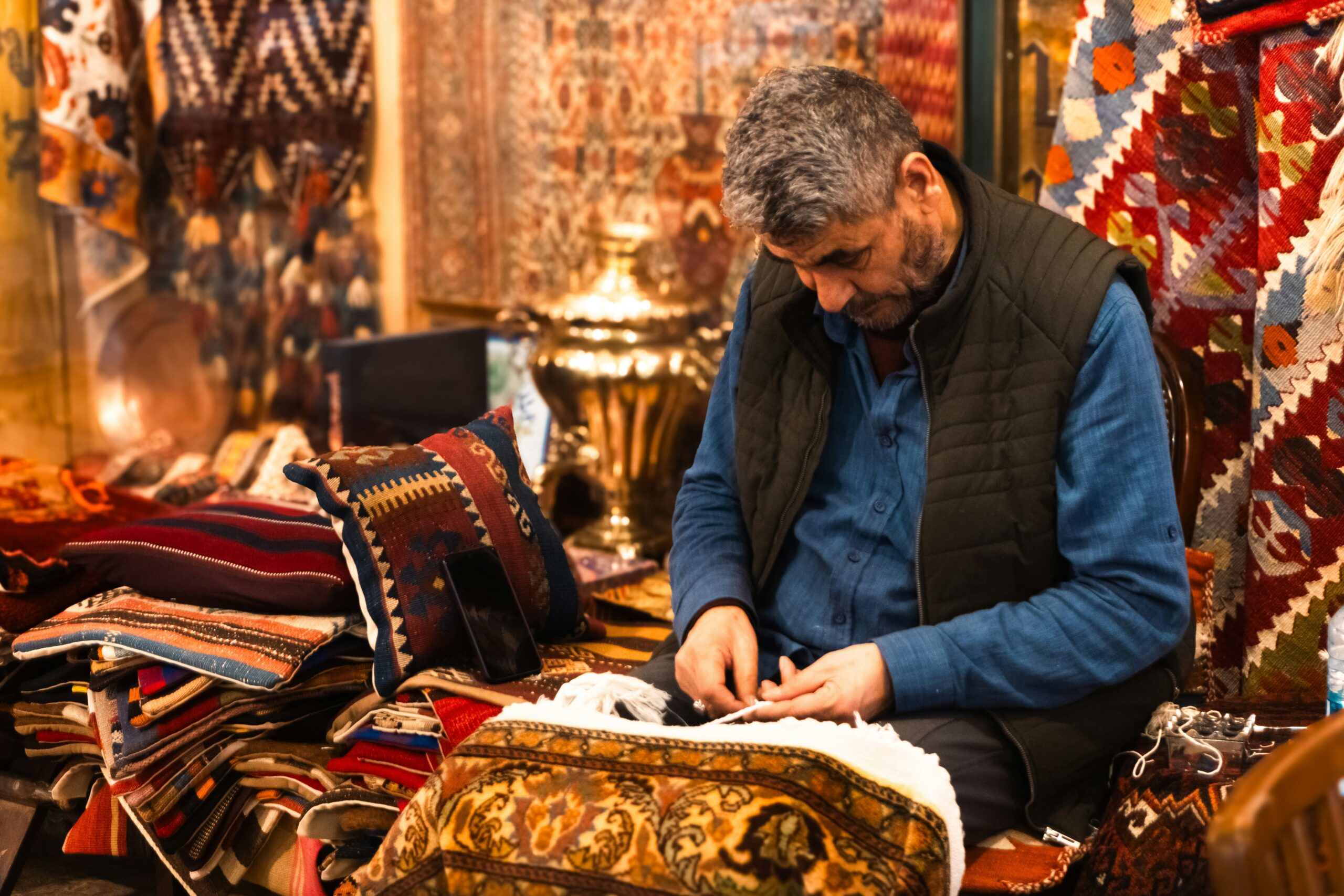
The sands of Mesopotamia whisper tales of empires long past, and among the most resonant are those of Assyria. This formidable civilization, renowned for its military might and vast empire, also possessed a sophisticated and awe-inspiring mastery of craftsmanship. From monumental architecture to exquisite personal adornments, Assyrian artisans left an indelible mark on the ancient world, their techniques and aesthetic principles influencing subsequent cultures for centuries. To truly understand Assyria is to delve into the heart of its workshops, to unravel the secrets of its metalsmiths, stone carvers, potters, and scribes, and to appreciate the dedication, skill, and profound artistry that defined their material culture. This article aims to illuminate the multifaceted world of ancient Assyrian craftsmanship, exploring its key domains, the materials they expertly manipulated, and the enduring legacy it continues to inspire.
The Foundations of Assyrian Artisanship
The rise of Assyria as a dominant power was intrinsically linked to its ability to organize labor and resources effectively. The state played a crucial role in fostering and directing artisanal production. Royal patronage was paramount, with kings commissioning vast construction projects, intricate artworks for palaces, and opulent treasures for religious institutions. This demand fueled innovation and encouraged specialization within the workforce. Beyond the royal court, a thriving urban economy supported independent workshops and individual craftspeople. Cities like Ashur and Nineveh became centers of production, attracting skilled individuals and facilitating the exchange of materials and techniques. The Mesopotamian environment, with its readily available clay and access to trade routes for precious metals and stones, provided the essential building blocks for their creations.
Access to Raw Materials and Resources
Assyrian artisans were remarkably adept at sourcing and utilizing a diverse range of raw materials. The alluvial plains of Mesopotamia offered an abundance of clay, essential for pottery, bricks, and the creation of cuneiform tablets. Timber, though less abundant locally, was imported from regions like Lebanon, crucial for construction and furniture. The true marvel of Assyrian material sourcing lay in their control of trade networks. Through military conquest and diplomatic alliances, they secured access to vital resources: copper and tin from Anatolia and the Levant for bronze, gold and silver from Egypt and further afield, and a dazzling array of gemstones such as lapis lazuli from Afghanistan, carnelian from India, and chalcedony from the Arabian Peninsula. These imported materials not only enriched their artistic palette but also served as potent symbols of their imperial reach and wealth.
The Role of the State and Patronage
The Assyrian state was a powerful engine for artisanal development. Royal commissions for palaces, temples, and monumental sculptures were not merely acts of ostentation but served to project imperial power, legitimize rule, and honor the gods. The vast reliefs adorning the walls of Ashurbanipal’s palace in Nineveh, depicting scenes of warfare, royal hunts, and religious ceremonies, were testament to the immense resources and skilled labor that the king could command. Similarly, the construction of ziggurats and the dedication of precious votive offerings in temples required the expertise of master builders, metalworkers, and jewelers. This direct royal patronage ensured the highest standards of execution and fostered an environment where traditional techniques were honed and new innovations encouraged. The scribal tradition, essential for administration and record-keeping, also fostered a distinct form of craftsmanship in the meticulous creation of cuneiform tablets.
Ancient Assyrian craftsmanship is renowned for its intricate artistry and advanced techniques, which played a significant role in the empire’s cultural and political identity. The Assyrians were skilled in various forms of art, including sculpture, metalwork, and textiles, often depicting scenes of their conquests and religious beliefs. For a deeper understanding of how such craftsmanship influenced political geography and global relations, you can explore this related article: Understanding Political Geography: A Key Aspect of Global Relations.
The Art of Stone: Monumental Sculpture and Reliefs

The Assyrians are perhaps most famously recognized for their monumental stone sculptures and the intricate narrative reliefs that adorned the palaces of their kings. These artworks were not merely decorative; they served as powerful propaganda, chronicling military victories, royal prowess, and the divine favor bestowed upon the ruler. The sheer scale and detail of these creations speak volumes about the technical mastery and artistic vision of Assyrian stone carvers.
The Grandeur of Palace Reliefs
The walls of Assyrian palaces were transformed into vast canvases, alive with scenes rendered in low relief. These narrative friezes depicted a range of subjects, from the ferocity of Assyrian armies engaged in battle and siege warfare to the majestic grandeur of royal hunts, showcasing the king’s dominion over both the natural and human world. The meticulous attention to detail in rendering musculature, fabric textures, and even the expressions of participants imbues these scenes with a remarkable sense of realism. Individual figures, often depicted in profile or with a composite perspective, were rendered with a dynamic energy, their movements captured with striking clarity. The Assyrian love for narrative is evident in the sequential arrangement of scenes, allowing viewers to follow the progression of events. The intricate depiction of weaponry, armor, and chariots also offers invaluable insights into Assyrian military technology.
The Iconic Lamassu and Divine Guardians
Among the most iconic and imposing examples of Assyrian stone carving are the colossal human-headed winged bulls and lions, known as lamassu. These formidable guardian figures, often paired to flank palace entrances and city gates, were believed to ward off evil spirits and protect the royal domain. Carved from single blocks of immense stone, typically alabaster or limestone, their sheer size alone inspires awe. The fusion of human intelligence, animal strength, and avian mobility symbolized the ultimate power and omnipresence of the deities and the king. The artists demonstrated exceptional skill in carving these massive figures, ensuring their anatomical accuracy and conveying a sense of immense power and serenity. The intricate detailing of their musculature, feathered wings, and regal headdresses showcases a refined aesthetic sensibility. The presence of five legs, a convention to allow the creature to appear both striding and stationary from different viewpoints, is a testament to the Assyrians’ sophisticated understanding of visual representation.
Metallurgy: Forging Power and Prestige

Assyrian metalworkers were masters of their craft, transforming raw ores into objects of both immense practical value and striking beauty. Their expertise extended to bronze, iron, gold, and silver, utilized for everything from weaponry and tools to elaborate jewelry and ceremonial objects. The controlled manipulation of these metals, combined with innovative techniques, allowed them to create works that spoke of wealth, power, and a deep understanding of material properties.
Bronze Casting and Iron Smelting
The Assyrians inherited and refined sophisticated bronze-casting techniques. They produced not only formidable weaponry, such as swords, spearheads, and shield bosses, but also intricate decorative elements for furniture, horse trappings, and votive objects. The lost-wax casting method was likely employed, allowing for the creation of complex forms with a high degree of detail. As the Iron Age progressed, Assyrian smiths also became adept at ironworking. While iron was more abundant than bronze, its extraction and manipulation were more challenging. Assyrian iron tools and weapons were renowned for their strength and durability, contributing to their military dominance. The ability to smelt and forge iron represented a significant technological advancement, allowing for the production of more robust and affordable implements.
Exquisite Gold and Silverwork
Gold and silver were prized for their intrinsic value and their malleability, allowing for the creation of highly ornate objects. Assyrian goldsmiths and silversmiths produced a breathtaking array of artifacts, including elaborate necklaces, bracelets, earrings, and pectorals, often inlaid with semi-precious stones and intricate filigree. Royal treasuries overflowed with golden goblets, bowls, and ceremonial vessels, many of which were decorated with repoussé work—a technique where the metal is hammered from the reverse side to create a raised design. The craftsmanship displayed in these pieces is of the highest order, demonstrating an exceptional control over the material and a sophisticated understanding of form and ornamentation. The intricate detailing, often incorporating animal motifs and geometric patterns, reflects both a keen aesthetic sense and the symbolic importance of these precious metals.
Ceramics and the Art of the Vessel
While monumental stone and precious metals often capture the most attention, the humble clay vessel played a crucial role in daily Assyrian life and was also a canvas for artistic expression. From utilitarian pottery for storage and cooking to finely crafted bowls and decorative objects, Assyrian potters demonstrated considerable skill and ingenuity. The abundance of local clay made ceramics an accessible medium for a wide range of applications.
Everyday Pottery and Utilitarian Forms
The vast majority of ceramic production was geared towards practical needs. Large storage jars, often made with coarse clay and fired at lower temperatures, were used to hold grain, liquids, and other provisions. Cooking pots, designed to withstand direct heat, were essential in every household. Even these utilitarian forms, however, often displayed a degree of craftsmanship, with carefully formed rims and bases. The potter’s wheel, a crucial innovation that spread throughout Mesopotamia, allowed for the efficient production of standardized shapes. These everyday objects, though often overlooked, formed the backbone of Assyrian domestic life and were produced in prodigious quantities to support a growing population and imperial administration.
Decorative Ceramics and Glazing Techniques
Beyond the purely functional, Assyrian potters also produced more decorative wares. Finer clays were used to create thinner-walled vessels with more refined shapes. While the Assyrians are not as renowned for their extensive use of glaze as some of their predecessors or successors, they did employ glazing techniques, particularly for smaller decorative objects and sometimes for architectural elements. The use of vibrant colors, often achieved through mineral pigments, added an aesthetic dimension to their ceramic output. Painted pottery, featuring geometric designs, animal motifs, or even figural scenes, was also produced, showcasing a more accessible form of artistic expression. The development of specialized kilns and an understanding of firing temperatures were crucial for achieving consistent results and producing durable, attractive ceramic wares.
Ancient Assyrian craftsmanship is renowned for its intricate designs and remarkable artistry, which can be seen in their sculptures, pottery, and textiles. The techniques developed during this period have influenced various cultures throughout history. For those interested in exploring the broader implications of craftsmanship and innovation, a fascinating article discusses the intersection of private sector investment and infrastructure development in modern contexts. You can read more about it in this insightful piece on lunar infrastructure, which highlights how ancient practices can inspire contemporary advancements in technology and design. Check it out here.
The Enduring Legacy of Assyrian Craftsmanship
| Aspect | Description | Materials Used | Notable Techniques | Examples |
|---|---|---|---|---|
| Stone Carving | Intricate reliefs and sculptures depicting mythology, battles, and daily life | Gypsum, alabaster, limestone | Bas-relief, high relief, detailed incisions | Palace of Ashurbanipal reliefs |
| Metalwork | Creation of weapons, jewelry, and ceremonial objects | Bronze, iron, gold, silver | Casting, inlay, engraving | Bronze swords, gold earrings |
| Ivory Carving | Decorative panels and furniture inlays | Elephant ivory | Fine engraving, relief carving | Ivory plaques from Nimrud |
| Pottery | Functional and decorative ceramics | Clay, terracotta | Wheel-throwing, slip painting | Painted jars and bowls |
| Textile Production | Woven fabrics used for clothing and decoration | Wool, flax | Weaving, dyeing | Woolen garments depicted in reliefs |
The achievements of Assyrian artisans were not confined to the lifespan of their empire. The sophisticated techniques they developed, the aesthetic principles they championed, and the sheer quality of their creations had a profound and lasting impact on the ancient world and beyond. Their influence can be traced in the art and architecture of subsequent Mesopotamian empires, as well as in the cultural exchanges that occurred across the wider Near East and into the Mediterranean.
Influence on Subsequent Empires and Cultures
The fall of the Assyrian Empire did not signal the end of its artistic influence. The Neo-Babylonian Empire, which rose to prominence in its wake, inherited many of the Assyrian artistic traditions, particularly in their monumental architecture and glazed brickwork. The Achaemenid Persian Empire, which conquered the Neo-Babylonians, absorbed and adapted Assyrian styles, incorporating them into their own vast and diverse artistic production. The impressive reliefs at Persepolis, for example, show clear echoes of Assyrian narrative traditions and attention to detail. Furthermore, the extensive trade networks established by the Assyrians facilitated the dissemination of their artistic ideas and technical knowledge, impacting cultures as far west as the Aegean.
The Art of the Scribe and the Written Word
While not typically considered ‘craftsmanship’ in the same vein as stone carving or metalworking, the work of the Assyrian scribe was a highly specialized and essential form of skilled production. The meticulous carving of cuneiform script onto clay tablets required immense precision, a steady hand, and a deep understanding of the syllabic and logographic signs. These tablets, whether recording administrative decrees, economic transactions, literary works, or scientific observations, were the repository of Assyrian knowledge and culture. The scribes’ dedication to preserving and transmitting information through this demanding form of writing was a crucial element of Assyrian societal structure and intellectual continuity. The very act of shaping and impressing the clay, creating legible characters, was a physical craft demanding significant skill and dedication.
The mastery of ancient Assyrian craftsmanship represents a compelling chapter in the history of human ingenuity and artistic expression. Through their skillful manipulation of materials, their innovative techniques, and their unwavering dedication to their craft, Assyrian artisans created works that not only served the practical and political needs of their empire but also endure as testaments to their aesthetic sensibilities and their profound understanding of the world around them. From the colossal lamassu guarding palace gates to the intricate details on a silver goblet, these creations continue to captivate and inspire, offering a tangible link to a civilization that, in its artistry, achieved a form of immortality.

Did This Ancient Crystal Help People See?
FAQs
What is Assyrian craftsmanship?
Assyrian craftsmanship refers to the skilled artistry and techniques used by the ancient Assyrians to create various objects and structures, including sculptures, jewelry, pottery, and architectural designs.
What materials were commonly used in Assyrian craftsmanship?
The ancient Assyrians primarily used materials such as clay, stone, metal (such as bronze and gold), ivory, and wood in their craftsmanship. These materials were readily available in the region and were used to create intricate and detailed works of art.
What were some notable examples of Assyrian craftsmanship?
Some notable examples of Assyrian craftsmanship include the intricate relief sculptures found on the walls of Assyrian palaces, such as the famous reliefs from the palace of King Ashurnasirpal II at Nimrud. Additionally, Assyrian jewelry, pottery, and metalwork have also been highly regarded for their craftsmanship.
What techniques were used in Assyrian craftsmanship?
Assyrian craftsmen employed various techniques such as carving, engraving, casting, and inlay work to create their intricate pieces. They were skilled in working with different materials and often combined multiple techniques to achieve detailed and elaborate designs.
What is the significance of Assyrian craftsmanship?
Assyrian craftsmanship played a crucial role in the cultural and artistic development of the ancient Assyrian civilization. It not only served practical purposes but also reflected the religious beliefs, social hierarchy, and artistic achievements of the Assyrian society. The craftsmanship of the Assyrians has left a lasting legacy in the field of art and archaeology.