Embarking on Your Cherokee Ancestry Journey
You stand at the precipice of discovery, a vast tapestry of your past waiting to be unfurled. For many of you, the desire to connect with your Cherokee roots isn’t just a curiosity; it’s a profound longing to understand where you come from, to grasp the stories and traditions that shaped your lineage. This journey of uncovering your Cherokee ancestry is a deeply personal and rewarding one, and often, the most valuable keys to unlocking its secrets lie within the memories and experiences of your own family. This article is your guide, a roadmap to help you navigate the process of interviewing relatives, transforming their recollections into a tangible connection to your heritage. You’ll learn how to approach these conversations with respect and purpose, how to ask the right questions, and how to preserve the precious information you gather.
When exploring your Cherokee ancestry, interviewing relatives can provide invaluable insights and personal stories that enrich your understanding of your heritage. A related article that discusses the broader implications of ancestry and heritage is available at this link: Government-Controlled Assets: A Comprehensive Overview. This article delves into how historical factors have shaped the experiences of Native American communities, including the Cherokee, and can offer context that may enhance your interviews with family members about your lineage.
Preparing for Your Ancestral Conversations
Before you even think about picking up the phone or sitting down with a loved one, a crucial period of preparation is essential. Rushing into interviews without a clear plan can lead to missed opportunities and fragmented information. Think of this phase as laying the groundwork for your genealogical expedition.
Defining Your Starting Point and Goals
What do you already know about your Cherokee heritage? Jot down any names, dates, places, or stories you’ve heard, no matter how vague. This forms your starting point. Are you trying to trace a specific branch of your family tree? Are you looking for confirmation of Cherokee lineage, or are you aiming to understand cultural practices and traditions? Having clear goals will help you focus your interviews and ensure you’re asking questions that directly contribute to your objectives. Perhaps you’ve heard a whisper of an ancestor who was a tribal member, or you’re curious about the stories your grandmother told about her childhood. Even the smallest fragments can be starting points.
Identifying Potential Interviewees
Who are the keepers of your family’s history? This usually means the older generations: parents, grandparents, aunts, uncles, and even older cousins. Think about who has a reputation for remembering family stories, who has lived in the same area for a long time, or who might have been closer to ancestors further back in time. Make a list of potential interviewees. Don’t be discouraged if some individuals are hesitant or seem unapproachable at first. Patience and a genuine expression of your interest can often open doors. Consider the geographical proximity to your relatives. If some live far away, you’ll need to plan for remote interviews.
Gathering Existing Family Records
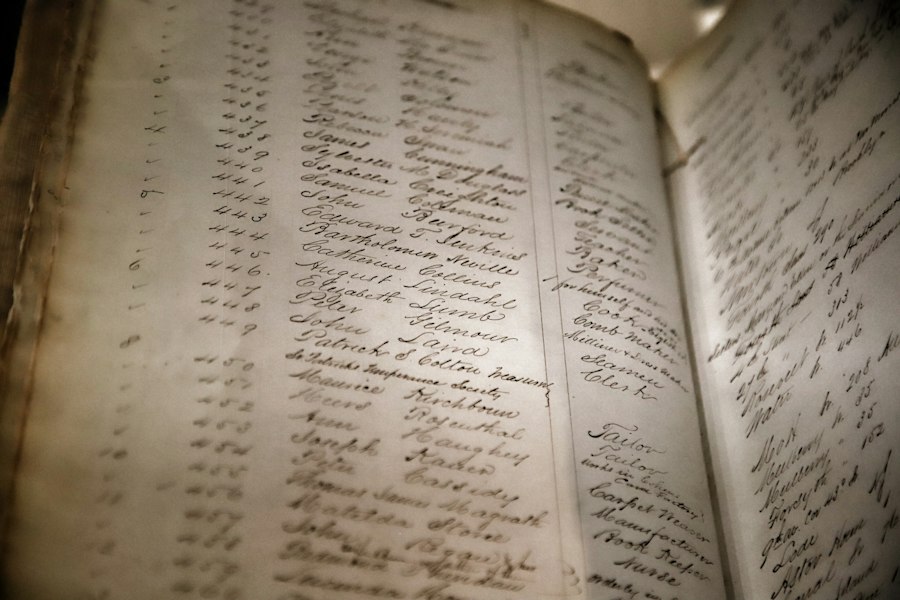
Before you speak to anyone, take stock of what family documents you already possess. This could include birth certificates, marriage licenses, death certificates, old family Bibles with handwritten entries, photographs with names and dates on the back, letters, diaries, or even community records like church bulletins or newspaper clippings. These documents can provide concrete facts and dates that can be verified or expanded upon during your interviews. They can also offer clues about people to ask about and topics to explore. Imagine finding an old photograph with a handwritten name on the back – this can be a powerful prompt for a conversation.
Researching Basic Genealogical Tools and Techniques
Familiarize yourself with basic genealogy research methods. This includes understanding how to read census records, vital records, and other historical documents. Knowing these basics will allow you to ask more informed questions and to better interpret the information your relatives provide. Resources like Ancestry.com, FamilySearch, and local historical societies can be invaluable. The more you understand the landscape of genealogical research, the more effectively you can steer your interviews.
Conducting Meaningful Interviews

The interview itself is where the magic happens. It’s about more than just asking questions; it’s about creating a comfortable and respectful environment that encourages open sharing. Your approach will significantly influence the depth and richness of the information you gather.
Approaching Relatives with Respect and Sensitivity
When you approach your relatives, your demeanor is paramount. Begin by expressing your genuine interest in learning about your family history and, specifically, your Cherokee heritage. Emphasize that you value their memories and that you want to preserve these stories for future generations. Be mindful that some family members may have had negative experiences or faced prejudice related to their Cherokee identity, so tread carefully and with empathy. Avoid making assumptions or judgments. Your goal is to listen and learn, not to interrogate. Frame your request as an honor you wish to bestow upon their memories.
Setting the Stage: Environment and Logistics
Choose a time and place where your interviewee feels comfortable and unhurried. A quiet setting at their home, perhaps during a relaxed afternoon, is often ideal. If conducting a remote interview via phone or video call, ensure you have a good connection and minimize distractions. Ask for permission before recording the interview, whether it’s audio or video. Explain that recording will allow you to focus on listening and to accurately capture their words without the pressure of taking copious notes. Some people feel more at ease speaking without a recording device initially, so be prepared to adapt.
Crafting Effective Interview Questions
Your questions should be open-ended, encouraging detailed responses rather than simple “yes” or “no” answers. Start with broader questions and then delve into specifics. Here are some examples of questions you might ask, categorized by theme:
About Ancestors and Family Lines:
- “Can you tell me about your grandparents? What were their names, and where did they grow up?”
- “Do you remember any stories about your great-grandparents or even further back?”
- “Were there any family members who were particularly known for their connection to our Cherokee heritage? What do you remember about them?”
- “Did any of our ancestors live on or near tribal lands? Do you know which nation or band they might have belonged to?”
- “Were there any family traditions or customs that you remember being passed down, especially those you believe have Cherokee origins?”
- “Do you recall any family members who were involved in tribal matters, ceremonies, or community life?”
- “What were their occupations or how did they make a living?”
- “Do you know if any family members were listed on any rolls or received any benefits related to their Cherokee ancestry?”
- “Were there any significant family events or gatherings you remember your ancestors participating in?”
- “Did any family members have specific skills or talents that were unique or passed down?”
About Life Experiences and Traditions:
- “What was life like when you were growing up? What were some of your favorite memories?”
- “What kind of food did your family eat? Were there any traditional dishes you remember?”
- “Did you learn any songs, dances, or stories from your family that you believe are part of our heritage?”
- “What were the holidays like in your family? Were there any special celebrations or rituals?”
- “Did your family have any specific beliefs or spiritual practices that were important to them?”
- “What languages, if any, were spoken in the home besides English?”
- “Were there any challenges or triumphs that your family faced that you think are important to know about?”
- “What are some of the most important lessons you learned from your elders?”
About Physical Descriptions and Traits:
- “Can you describe what some of our ancestors looked like? Any distinctive features you recall?” (This can be sensitive, so phrase it gently.)
- “Did any family members have particularly strong connections to nature or the land?”
Probing for Details and Clarification:
- “Can you tell me more about that?”
- “What do you mean by that?”
- “Can you give me an example?”
- “What was their personality like?”
Remember to listen actively. If they mention a specific name or place, make a note to research it later. Be prepared to deviate from your prepared questions if an interesting story or new avenue of inquiry arises.
Active Listening and Encouraging Elaboration
Your role as an interviewer is to facilitate, not dominate. Listen intently to what your relative is saying, both verbally and non-verbally. Nod, make eye contact, and use verbal cues like “uh-huh” and “I see” to show you’re engaged. If they pause, give them a moment; they might be searching for the right words. If they seem hesitant about a topic, don’t push. Gently acknowledge their feelings and perhaps try another approach later. Encourage them to elaborate by asking follow-up questions like “Could you tell me more about that?” or “What was that like for you?” Sometimes, a simple “And then what happened?” can unlock a wealth of detail.
Preserving and Organizing Your Ancestral Discoveries
Gathering the information is only the first step. The real work of building your family tree and understanding your Cherokee roots comes in organizing and preserving what you’ve learned. This phase is crucial for making your research accessible and useful for years to come.
Transcribing and Documenting Interview Recordings
If you recorded your interviews, the next step is to transcribe them. This can be a time-consuming process, but it’s invaluable. You can transcribe them yourself, use transcription software, or hire a professional transcriber. As you transcribe, pay close attention to names, dates, places, and any specific details that seem significant. Make annotations in the margins of your transcriptions to highlight key information or potential areas for further research. Even if you didn’t record, meticulously document your handwritten notes immediately after each interview, fleshing out details while they are fresh in your mind.
Creating a Family Tree Structure
As you gather names and relationships, begin to build a visual representation of your family tree. You can do this using genealogical software programs (like RootsMagic, Legacy Family Tree, or online platforms like Ancestry.com or MyHeritage), or even with simple pen and paper. For each individual, create a profile where you can store their name, birth and death dates, marriage information, and crucially, any notes about their potential Cherokee heritage, including the source of that information (e.g., “interview with Aunt Mary, 2023”). Link the information you gathered from your interviews to the relevant individuals on your tree.
Verifying and Cross-Referencing Information
Information from oral histories is incredibly valuable, but it’s not always perfectly accurate. Memories can fade, details can be misremembered, or stories can evolve over time. Your next crucial step is to verify what you’ve learned by cross-referencing it with documented evidence. This might involve searching for birth, marriage, and death certificates, census records, land records, or tribal rolls for the individuals your relatives mentioned. Be aware of the Dawes Rolls and other enrollment records, which are critical for establishing official tribal connections, but also understand their historical context and limitations. If a relative mentions an ancestor who was a farmer, try to find census records that list their occupation. If they mention a specific town, try to find that town in historical records.
Storing and Safeguarding Your Records
Once you have your transcriptions, notes, family tree, and any supporting documents, it’s vital to store them safely. Consider both digital and physical storage. For digital records, use cloud storage services (like Google Drive, Dropbox, or iCloud) and back up your files regularly on external hard drives. Keep physical documents in acid-free folders and boxes in a cool, dry, and dark place to prevent deterioration. Organize your files logically, perhaps by surname or by generation, so you can easily access them when needed. Label everything clearly.
When exploring your Cherokee ancestry, interviewing relatives can provide invaluable insights and personal stories that enrich your understanding of your heritage. To enhance your research, you might find it helpful to read a related article that discusses the historical context of family narratives and their significance in uncovering ancestral connections. This article delves into the complexities of historical debt and peonage systems, which can shed light on the experiences of your ancestors. For more information, you can check out the article here.
Navigating the Nuances of Cherokee Identity
| Metric | Description | Recommended Approach | Purpose |
|---|---|---|---|
| Interviewee Age | Age of the relative being interviewed | Prioritize older relatives (70+ years) for firsthand stories | Gather authentic and detailed ancestral information |
| Interview Duration | Length of each interview session | 30-60 minutes to maintain engagement and depth | Balance thoroughness with interviewee comfort |
| Question Types | Categories of questions asked | Open-ended, memory-based, and fact-checking questions | Encourage storytelling and verify details |
| Documentation Method | How information is recorded | Audio recording plus written notes | Ensure accuracy and preserve details for analysis |
| Genealogical Records Referenced | Number of family documents reviewed during interview | At least 2-3 documents such as birth certificates or tribal records | Corroborate oral histories with official records |
| Consent Obtained | Whether interviewee agrees to share information | Verbal or written consent before starting | Respect privacy and ethical considerations |
| Follow-up Sessions | Number of additional interviews planned | 1-2 follow-ups to clarify or expand information | Deepen understanding and fill gaps |
Understanding Cherokee identity is a complex and often deeply personal matter, extending far beyond simple blood quantum or official enrollment. As you uncover your roots, you’ll encounter a rich tapestry of cultural, historical, and personal dimensions that define what it means to be Cherokee.
Understanding Tribal Enrollment and Membership
It’s important to understand that official tribal enrollment is the primary method for determining membership in federally recognized Cherokee tribes. The largest and most widely recognized is the Cherokee Nation of Oklahoma, but there are also the Eastern Band of Cherokee Indians in North Carolina and the United Keetoowah Band of Cherokee Indians, also in Oklahoma. These tribes have their own criteria for enrollment, which often involve lineal descent from individuals listed on specific historical rolls, such as the Dawes Rolls. Many interviews will touch upon whether ancestors were listed on these rolls. However, be aware that not all individuals with Cherokee ancestry are enrolled members. Historical policies, forced removals, and the complexity of record-keeping mean that some individuals may have legitimate Cherokee heritage without current enrollment.
Recognizing Cultural and Historical Connections
Beyond formal enrollment, Cherokee identity is also deeply intertwined with cultural practices, historical experiences, and a sense of belonging. Your relatives might share stories about traditional foods, crafts, languages, ceremonies, or even specific community interactions that reflect their Cherokee heritage. These are invaluable pieces of your ancestral puzzle. For instance, a story about a grandmother who was an exceptional storyteller or who knew traditional herbal remedies can be a strong indicator of cultural continuity, even if official enrollment documents are absent or unclear. The forced removals, the resilience in the face of adversity, and the enduring strength of community are all integral parts of the Cherokee narrative that your relatives might share.
Addressing Potential Misinformation and Family Legends
In any family history research, you’re bound to encounter family legends, embellishments, or even outright misinformation. Your relatives’ memories, while precious, are subjective and can be influenced by a desire to connect with a particular identity or by the passage of time. Be prepared to critically evaluate the stories you hear. If a story seems extraordinary or conflicts with documented evidence, gently seek clarification or further corroboration. Sometimes, a family legend about a “full-blooded Cherokee” ancestor might be an oversimplification or an idealization. Approach these narratives with an open mind but a discerning ear. Your goal is to piece together the most accurate picture possible, acknowledging the human element of memory and storytelling.
The Importance of Respectful Inquiry and Avoiding Stereotypes
As you delve into your Cherokee roots, it is paramount to approach the subject with profound respect. Avoid perpetuating harmful stereotypes or reducing individuals to simplistic notions of “Indianness.” Cherokee people are diverse, with a wide range of experiences, beliefs, and connections to their heritage. Your interviews should focus on understanding the individual lives and experiences of your ancestors, not on fitting them into pre-conceived notions. Be sensitive to any discussions of discrimination or hardship your relatives may have faced due to their heritage. Your journey is about honoring their stories and acknowledging their resilience.
Continuing Your Cherokee Ancestral Journey
Uncovering your Cherokee roots is rarely a destination; it’s a continuous process of learning, discovery, and connection. The information you gather from your relatives is a powerful launchpad, but it’s also the beginning of a much larger exploration.
Connecting with Tribal Resources and Archives
Once you have a clearer understanding of potential tribal affiliations, actively seek out resources provided by the relevant Cherokee tribes. Many tribes have their own archives, genealogy departments, or historical societies that can offer invaluable assistance. They may have access to enrollment records, historical documents, and even living tribal members who can share their knowledge. Reaching out to these official bodies with the information you’ve gathered can help you verify your lineage and deepen your understanding of your ancestral connections. Be prepared to provide documentation and to follow their specific procedures for genealogical inquiries.
Joining Genealogical Societies and Online Communities
Genealogy is a collaborative endeavor. Connecting with other researchers who share your interests can be incredibly beneficial. Consider joining local genealogical societies or online forums dedicated to Cherokee genealogy or Native American ancestry. These communities can offer advice, share resources, and even help you connect with distant relatives you never knew existed. Sharing your journey and your findings (while respecting privacy) can lead to unexpected breakthroughs and a sense of shared purpose.
Incorporating Cultural Understanding into Your Life
Your ancestral discoveries are not just about names and dates; they are about understanding a rich cultural heritage. As you learn more about your Cherokee ancestors, explore ways to incorporate that understanding into your own life. This might involve learning about Cherokee history, art, music, language, or traditional practices. Read books, watch documentaries, visit cultural centers, or attend events if possible. This deeper engagement with your heritage will transform your genealogical research from an academic pursuit into a lived experience.
Passing the Torch: Educating Future Generations
The ultimate goal of uncovering your Cherokee roots is to ensure that these stories and connections are not lost. As you gather information, think about how you will share it with your children, grandchildren, and future generations. Create a family history book, a digital archive, or simply make time to share the stories and traditions you’ve learned. By actively teaching and engaging younger family members, you ensure that your Cherokee heritage continues to thrive and remain a vital part of your family’s identity for years to come. Your journey is a gift to them.

Can Your Feet Reveal Cherokee Ancestry? Check the Evidence
FAQs
1. Why is it important to interview relatives about Cherokee ancestry?
It is important to interview relatives about Cherokee ancestry to gather information, stories, and details that can help in tracing and understanding one’s heritage and cultural background.
2. What are some tips for conducting interviews with relatives about Cherokee ancestry?
Some tips for conducting interviews with relatives about Cherokee ancestry include preparing questions in advance, being respectful and patient, actively listening, recording the conversation if possible, and following up with additional questions if needed.
3. What are some common questions to ask when interviewing relatives about Cherokee ancestry?
Common questions to ask when interviewing relatives about Cherokee ancestry include inquiring about family stories, traditions, specific ancestors, tribal affiliations, language use, cultural practices, and any historical events or experiences related to Cherokee heritage.
4. How can one verify the information obtained from interviewing relatives about Cherokee ancestry?
One can verify the information obtained from interviewing relatives about Cherokee ancestry by cross-referencing details with historical records, genealogical databases, official documents, tribal records, and consulting with Cherokee genealogy experts or historians.
5. What are the benefits of learning about Cherokee ancestry through interviewing relatives?
The benefits of learning about Cherokee ancestry through interviewing relatives include gaining a deeper understanding of one’s roots, preserving family history, connecting with Cherokee culture and traditions, fostering a sense of identity and belonging, and passing down valuable knowledge to future generations.