The Fading Echo: Your Ancestral Threads and the Currents of Time
You stand at the crossroads of your heritage, holding a fragmented map of your ancestors. You might have heard whispers, seen fleeting glimpses in old photographs, or felt an intangible connection to a past that feels both deeply yours and strangely distant. For many of you with Native American ancestry, this feeling intensifies when you delve into your genetic makeup. The vibrant threads of your Indigenous lineage, which you might have expected to be a prominent tapestry, can sometimes appear surprisingly thin, almost as if they are fading away. This phenomenon, the gradual vanishing of Native American DNA within families, is not a mystery of lost records or forgotten stories; it is a deeply human narrative woven by the persistent forces of history, societal pressures, and the simple, powerful reality of intermarriage. Your genetic heritage, like a river, is constantly influenced by the tributaries and landscapes it flows through, and in the context of American history, those influences have profoundly shaped the visibility and prevalence of Indigenous DNA.
The complexities surrounding the disappearance of Native American DNA in families can be traced to various historical and social factors, including assimilation policies and intermarriage. For a deeper understanding of how these dynamics play out in the context of broader societal changes, you might find it interesting to explore the article on proxy wars and global power struggles. This article highlights how external influences can shape cultural identities and demographics, which can indirectly affect the preservation of Native American heritage. You can read more about it here: The Rise of Proxy Wars: A Global Power Struggle.
Generations of Connection: The Unfolding Story of Intermarriage
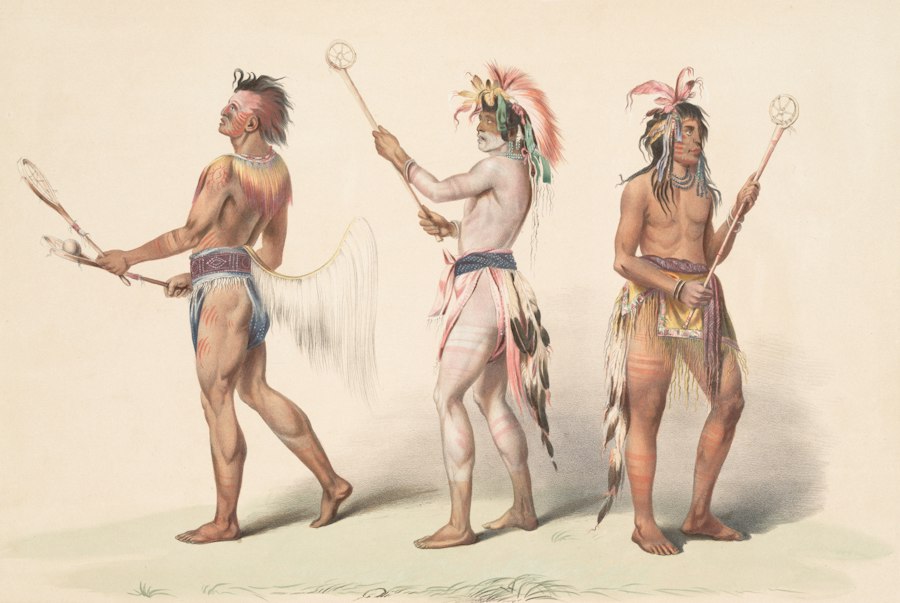
The story of Native American DNA vanishing in families is intrinsically linked to the history of intermarriage, a complex tapestry woven with threads of both genuine connection and systemic coercion. For centuries, as European settlers arrived on Indigenous lands, interactions between Native American individuals and newcomers became inevitable. These interactions, often born out of necessity, trade, or unfortunately, exploitation, led to the formation of unions across cultural and genetic lines. You might trace this back through your family tree, identifying ancestors who took spouses from different backgrounds. This process, over generations, inevitably dilutes the proportion of any single ancestral group within your overall genetic makeup.
The Early Encounters: Necessity and Alliance
In the earliest days of European colonization, intermarriage was often a pragmatic strategy for survival and alliance. Native American communities and European settlers, though distinct, needed to engage with each other for trade, diplomacy, and sometimes, mutual defense against other groups. You might find instances where an ancestor from a European background married into a Native American family, or vice versa, to solidify alliances, facilitate trade, or simply as a result of proximity and shared challenges. These unions were not always voluntary on the part of Native Americans, but they represented early points of genetic exchange.
Shifting Dynamics: Conquest and Assimilation
As colonization progressed and the power balance shifted dramatically, the nature of intermarriage began to change. The concept of “manifest destiny” and the ongoing dispossession of Native lands created immense societal pressure on Indigenous populations. The desire to assimilate into dominant white society, or even the need for survival in a rapidly changing world, could lead to individuals choosing partners outside their Indigenous communities. You might grapple with the understanding that for some ancestors, marrying outside their heritage might have been a decision driven by a perceived need to escape discrimination or to access opportunities that were otherwise denied to them. This voluntary or semi-voluntary assimilation led to a steady introduction of non-Native DNA into Indigenous family lines.
The Shadow of Forced Assimilation: Boarding Schools and Beyond
Beyond individual choices, the history of forced assimilation policies cast a long shadow. The notorious Native American boarding schools, designed to “kill the Indian to save the man,” actively discouraged Indigenous languages, traditions, and social connections. While not directly mandating intermarriage, the disruption of communities and the enforced separation from traditional life undoubtedly created environments where intergroup relationships became more common. You might reflect on how the trauma and disruption caused by these policies could indirectly contribute to the dilution of Native American DNA by altering social structures and increasing exposure to non-Native populations.
Societal Currents: The Broader Impact on Genetic Persistence
The disappearance of Native American DNA in families is not solely a matter of individual unions; it is deeply influenced by the broader societal currents that have shaped the American landscape for centuries. The dominant culture’s influence, the legal frameworks in place, and the very definition of “Indianness” have all played a role in how Indigenous genetic heritage is perceived and maintained. These external forces have created a context where genetic dilution became an almost inevitable outcome.
The Power of the Majority: Cultural Dominance and Pressure
Throughout American history, the dominant white culture has exerted immense influence, often at the expense of Indigenous cultures. This cultural dominance created a powerful pressure for assimilation. You might have ancestors who consciously or unconsciously sought to blend in, to avoid the stigma and discrimination associated with being visibly Indigenous. This pressure wasn’t always overt; it was often a subtle but pervasive force that encouraged the adoption of dominant cultural norms, including language, dress, and social practices, which in turn could lead to increased intermarriage and a decrease in the observable markers of Indigenous heritage.
Redefining Identity: The Shifting Sands of “Indianness”
The very definition of who is considered “Native American” has been a site of contention and evolution, often dictated by external forces. Government policies, like the Dawes Act, which aimed to break up tribal lands and individualize Native Americans, contributed to a fracturing of traditional tribal structures. The establishment of blood quantum requirements, while intended by some to preserve tribal membership, inadvertently created a system where individuals with a lower percentage of Native ancestry could be excluded from tribal rolls, even if they maintained strong cultural connections. You might see how these bureaucratic definitions can impact not only tribal enrollment but also a family’s sense of identity and their willingness to trace and embrace their Indigenous roots, potentially leading to a subconscious downplaying of that lineage.
The Stigma and the Silence: Consequences of Discrimination
The history of discrimination against Native Americans is undeniable. From outright violence and land theft to systemic prejudice and social ostracism, the experience of being Indigenous in America has often been fraught with hardship. This pervasive stigma could lead families to actively suppress or hide their Native American heritage to protect themselves or their children from prejudice. You might discover that some of your ancestors chose silence, not out of a lack of pride, but out of a desire for safety and acceptance within a society that often viewed them with suspicion or disdain. This silence, over generations, can contribute to the feeling that the DNA has “vanished” because the overt expression of that identity has been suppressed.
The Genetic Equation: Understanding the Math of Inheritance
At its core, the vanishing of Native American DNA is a matter of genetics, a fascinating interplay of inheritance and probability. Each of your parents contributes half of your genetic material, and this process repeats with each generation. As you intermarry with individuals of different ancestries, the proportion of any single ancestral group within you inevitably decreases. Understanding this fundamental biological process is crucial to grasping why your Native American heritage might appear less pronounced than you initially expected.
The Odds of Inheritance: A Generational Fade
Consider this: if one of your great-grandparents was 100% Native American and your other three great-grandparents were of different ancestries, your genetic contribution from that Native American ancestor would be, on average, 12.5% (1/8th). Now, imagine that in the subsequent generation, your parents each had a great-grandparent who was that same 12.5% Native American. If they then had children with individuals who had no Native American ancestry, the percentage of Native American DNA in those children would be halved again, to approximately 6.25% (1/16th), and so on. You can see how, with each successive generation, without a new introduction of Native American ancestry, the percentage of DNA from that specific lineage diminishes. Your ancestral threads are indeed present, but they become finer, woven into a broader fabric.
The Role of Randomness: Not All Genes Are Equal
It’s important to remember that genetic inheritance is not always perfectly even. While you receive roughly 50% of your DNA from each parent, the specific genes you inherit from them are a random selection. This means that while your great-grandmother might have been 100% Native American, you might have inherited a slightly larger or smaller proportion of her DNA. This inherent randomness can sometimes lead to surprising results. You might have a sibling who shows a slightly higher percentage of Native American DNA than you do, or vice versa, even if you share the same ancestors. This is simply the nature of how our genes are passed down.
The Impact of Multiple Ancestries: A Mosaic of Heritage
For many individuals with Native American ancestry, this heritage is not their sole lineage. You are likely a mosaic of multiple ancestries. When you trace your family tree, you will find branches leading to European, African, Asian, and other origins. Each of these ancestral groups contributes to your genetic makeup. As you incorporate more ancestral lines, the percentage of any one specific lineage, including your Native American heritage, will naturally become a smaller proportion of your total DNA. You are not losing your Native American ancestors; rather, you are gaining a more complete picture of the rich tapestry that makes you, you.
The complexities surrounding the disappearance of Native American DNA in family lineages can be attributed to various factors, including historical events and societal changes. For a deeper understanding of how such genetic heritage can fade over generations, you may find it insightful to explore related discussions in articles like the one on protecting your financial assets during economic uncertainty. This connection highlights how cultural and genetic legacies can be overlooked in times of crisis. To read more about this topic, visit this article.
Tracing the Threads: Rediscovering and Reclaiming Your Heritage
| Factor | Description | Impact on Native American DNA | Example/Metric |
|---|---|---|---|
| Genetic Dilution | Intermarriage with non-Native populations reduces the percentage of Native DNA in descendants. | Decreases Native American genetic markers over generations. | After 4 generations of mixed ancestry, Native DNA can drop below 10%. |
| Recombination | During reproduction, DNA segments are shuffled, potentially losing specific Native markers. | Some Native DNA segments may not be passed down. | Only about 50% of each parent’s DNA is inherited by a child. |
| Genetic Drift | Random changes in gene frequencies can lead to loss of certain Native alleles. | Reduces presence of Native DNA in small populations. | Small isolated groups may lose unique Native markers over time. |
| Population Bottlenecks | Historical events drastically reducing Native populations, limiting genetic diversity. | Loss of some Native DNA lineages. | Post-contact population declines reduced Native genetic diversity by up to 90% in some tribes. |
| Testing Limitations | DNA tests may not detect all Native markers due to reference database limitations. | Underestimation of Native ancestry in results. | Some tests miss rare Native haplogroups, leading to false negatives. |
Despite the genetic dilution, the story of your Native American heritage is far from over. The vanishing DNA is not an erasure, but rather a transformation. The challenges of history have, for many, made the act of tracing and reclaiming this lineage a deliberate and often profound journey of discovery. It is a process that involves not just genetic testing, but also historical research, genealogical exploration, and often, a reconnection with living communities and traditions.
Beyond the Numbers: The Importance of Cultural Connection
While DNA testing can provide valuable insights into your genetic predispositions, it is crucial to remember that it is only one piece of the puzzle. For many Indigenous communities, identity is deeply rooted in culture, tradition, language, and community belonging. You might find that even with a lower percentage of DNA, your connection to your Native American heritage is strongest through oral histories, family traditions, the practice of cultural arts, or a strong sense of community with a particular tribe or nation. Your DNA may have faded, but your cultural connections can remain vibrant and enduring.
Genealogical Detective Work: Piecing Together the Past
The journey to understand your Native American ancestry often involves dedicated genealogical research. This means poring over old census records, birth and death certificates, marriage licenses, and tribal rolls. You might need to navigate historical archives, libraries, and online genealogical databases. This detective work can be challenging, as records may be incomplete, misspelled, or difficult to interpret. However, each document you uncover, each story you piece together, brings you closer to understanding the lives of your ancestors and the context in which they lived. You are essentially reassembling the scattered pieces of your family history.
Reconnecting with Communities: The Living Legacy
For many, the most meaningful aspect of reclaiming their heritage is connecting with living Native American communities. This could involve reaching out to tribal enrollment offices, attending cultural events, or seeking out elders and cultural practitioners who can share their knowledge and wisdom. You might discover that even if your direct paternal or maternal line is not currently enrolled in a tribe, you may have distant cousins who are, or your ancestors may have been affiliated with specific nations. These connections can provide invaluable context, support, and a sense of belonging. You are not just discovering your past; you are potentially becoming a part of its ongoing future.
The complexities surrounding Native American ancestry often lead to discussions about how DNA can seemingly disappear from family lineages over generations. Factors such as intermarriage, cultural assimilation, and historical events have contributed to this phenomenon. For a deeper understanding of related topics, you might find this article on securing lunar bases quite intriguing, as it explores the importance of preserving heritage and identity in various contexts. You can read more about it here.
The Enduring Legacy: More Than Just Genes
The vanishing of Native American DNA within families is a complex phenomenon, a testament to the enduring power of historical forces and the intricate dance of genetics. It is a story of intermarriage, societal pressures, and the quiet erosion that can occur over generations. However, it is crucial to understand that this fading is not an erasure. Your Native American ancestors have left an indelible mark, not only in your DNA but in the resilience, traditions, and spirit that have been passed down through your family line.
Embracing the Mosaic: A Richer Understanding of Self
The realization that your Native American genetic contribution may be diluted should not be a cause for diminished pride, but rather an opportunity for a richer, more nuanced understanding of yourself. You are a living embodiment of the complex and often beautiful fusion of cultures that has shaped the American experience. Your heritage is a mosaic, and each piece, no matter how small, contributes to the unique and magnificent picture that is you.
The Responsibility of Remembrance: Honoring Your Ancestors
The journey of understanding your ancestry also carries a responsibility. It is a call to remember, to honor, and to learn from the experiences of your Native American ancestors. This means acknowledging the hardships they faced, celebrating their triumphs, and understanding the ongoing struggles and resilience of Indigenous peoples today. You have the privilege of carrying their stories forward, of ensuring that their legacy is not forgotten.
A Future Woven with Threads of the Past: Ongoing Connection
Your connection to your Native American heritage is not static; it is a living, evolving relationship. By engaging in genealogical research, cultural exploration, and by honoring the experiences of your ancestors, you can ensure that the threads of your Indigenous lineage, though perhaps finer than they once were, remain strong and vibrant. You are not just a product of your past; you are a participant in its ongoing narrative, a bridge between generations, and a testament to the enduring spirit of your ancestral lines. The echoes of your Native American past resonate within you, and by actively seeking them out, you can ensure they continue to sing.

Can Your Feet Reveal Cherokee Ancestry? Check the Evidence
FAQs
1. Why does Native American DNA often disappear in family genealogy?
Native American DNA can disappear in family genealogy due to a variety of factors such as intermarriage with individuals from other ethnic groups, genetic dilution over generations, and lack of documentation or recognition of Native American ancestry.
2. How does intermarriage contribute to the disappearance of Native American DNA in families?
Interracial marriages between Native Americans and individuals from other ethnic backgrounds can lead to the dilution of Native American DNA in subsequent generations. As genetic traits are passed down, the percentage of Native American ancestry may decrease significantly.
3. What role does genetic dilution play in the fading of Native American DNA in family lines?
Genetic dilution occurs when individuals with Native American ancestry have children with partners who do not share that ancestry. Over time, the genetic markers specific to Native American heritage may become less prominent or even undetectable in the descendants’ DNA.
4. How does the lack of documentation or recognition of Native American ancestry impact the preservation of Native American DNA in families?
Without proper documentation or recognition of Native American ancestry, individuals may not be aware of their heritage or may not prioritize preserving that aspect of their genetic makeup. This lack of awareness or acknowledgment can contribute to the fading of Native American DNA in family lines.
5. Are there ways to preserve and trace Native American DNA in family genealogy?
While Native American DNA may fade over generations, there are ways to preserve and trace this ancestry in family genealogy. This can include conducting genetic testing, researching historical records, and connecting with Native American communities to learn more about one’s heritage and potentially identify genetic markers specific to Native American ancestry.