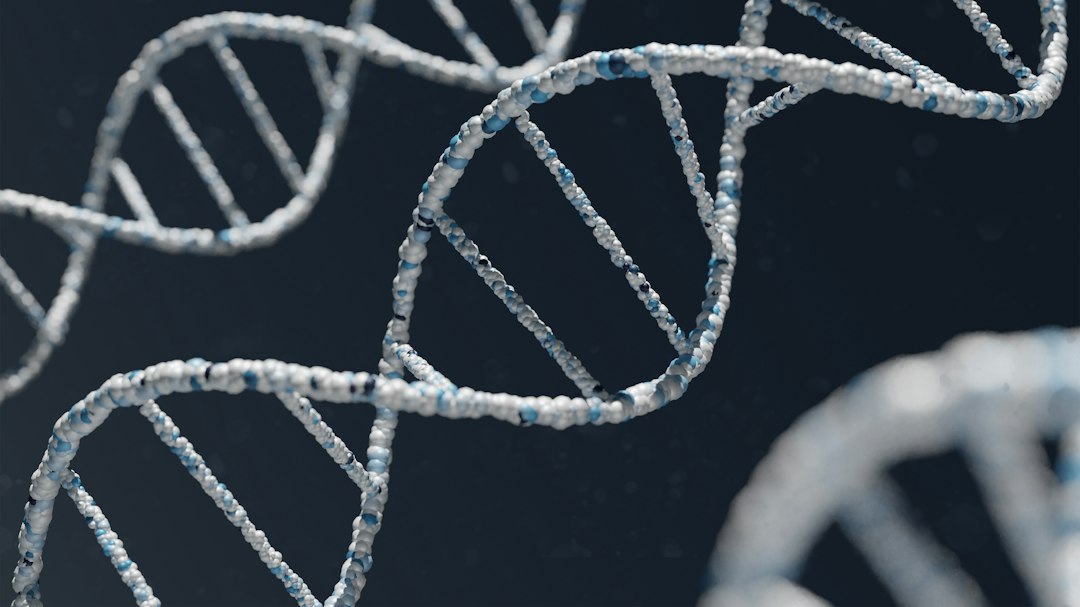
Unraveling the Whispers: Your Genetic Inheritance
You stand on the precipice of understanding a profound aspect of yourself, a part that transcends the tangible and the seen. You are a tapestry woven from threads of your ancestors, their stories, their triumphs, and their struggles etched into the very building blocks of your being. For decades, the focus of genetic inheritance has predominantly centered on what you receive – the dominant traits, the predispositions passed down through generations, the blueprint that shapes your physical form and influences your health. But what about the genetic segments that don’t get passed on? What about the whispers, the faint echoes of your genetic lineage that, for various reasons, remain uninherited by you? This is the fascinating, often overlooked, realm of uninherited DNA segments, the genetic legacy left behind.
These uninherited segments aren’t necessarily “lost” in a dramatic sense. Rather, they represent the vast landscape of your genome and the genomes of your ancestors that, through the intricate dance of reproduction, did not make it into your personal genetic code. Think of it like a vast library where each ancestor contributes a significant portion of their books to a new collection. You receive a substantial selection, but there are countless other books, equally valuable and informative, that remain on the shelves of your ancestral libraries. Understanding these uninherited segments offers a unique perspective on your genetic journey, revealing the evolutionary forces at play, the probabilistic nature of inheritance, and the sheer immensity of the genetic information that flows through humanity. It’s a story not just of what you are, but also of what you could have been, and the pathways your genetic heritage did not take.
Recent research has shed light on the fascinating topic of DNA segments that are not passed down to children, revealing how certain genetic traits can skip generations. This intriguing phenomenon is explored in greater detail in a related article that discusses accidental discoveries in genetics. For more insights on this subject, you can read the article here: Accidental Discoveries in Genetics.
The Architects of Inheritance: Meiosis and Genetic Shuffling
At the heart of understanding uninherited DNA segments lies the fundamental biological process of sexual reproduction, specifically meiosis. This is where the magic, and the seemingly arbitrary selection, of genetic material occurs. You, like all sexually reproducing organisms, received half of your chromosomes from your mother and half from your father. These chromosomes, however, are not pristine copies of your parents’ entire genetic makeup. They are the result of a meticulous process designed to create genetic diversity.
Crossing Over: The Great Exchange
During meiosis, in a phase called prophase I, homologous chromosomes – the pairs of chromosomes that carry the same genes, one from each parent – come together. Here, a remarkable event called crossing over, or recombination, takes place. The arms of these homologous chromosomes physically break and then rejoin, swapping segments of DNA. This is a crucial mechanism for shuffling genetic information. Imagine two decks of cards, each representing a chromosome from one parent. Crossing over is like taking a few cards from one deck and trading them with cards from the other deck. The resulting decks, which will eventually form the gametes (sperm or egg cells), are no longer pure representations of the original parental decks but rather unique combinations.
The consequence of crossing over is that any given chromosome in your gametes is a mosaic of DNA inherited from your mother’s mother, your mother’s father, your father’s mother, and your father’s father, and so on, stretching back through countless generations. Critically, crossing over does not occur at the exact same points in every meiotic event. This means that even siblings, who share the same parents, will have different combinations of DNA segments on their chromosomes. Some segments that one sibling inherits, another might not. This is a primary reason why you will have uninherited segments – the specific recombination events in your parents’ meiosis that produced your gametes did not include certain segments that were present in your parents’ broader chromosomal makeup.
Independent Assortment: The Random Roll of the Dice
Adding to this genetic shuffling is the principle of independent assortment, which occurs during metaphase I of meiosis. Here, the homologous chromosome pairs align randomly at the cell’s equator. For each pair, there’s a 50/50 chance that the maternal chromosome will face one pole and the paternal chromosome the other. With 23 pairs of chromosomes in humans, the number of possible combinations of chromosomes in a single gamete is astronomical (2^23, or over 8 million).
This random alignment means that even without crossing over, the specific assortment of entire chromosomes inherited from each parent is highly variable. For instance, you might inherit the maternal chromosome 1 and the paternal chromosome 2, or the paternal chromosome 1 and the maternal chromosome 2. While this process deals with entire chromosomes, the segments within those chromosomes are also being shuffled by crossing over. The combined effect of crossing over and independent assortment ensures that each gamete is genetically unique. This inherent randomness is a fundamental contributor to the uninherited DNA segments you carry; the specific combination of parental chromosomes and the precise crossover points that formed your gametes meant that certain DNA segments from your ancestors were simply not selected to be part of your inheritance.
The Ghosts in the Genetic Machine: Mechanisms of Non-Inheritance
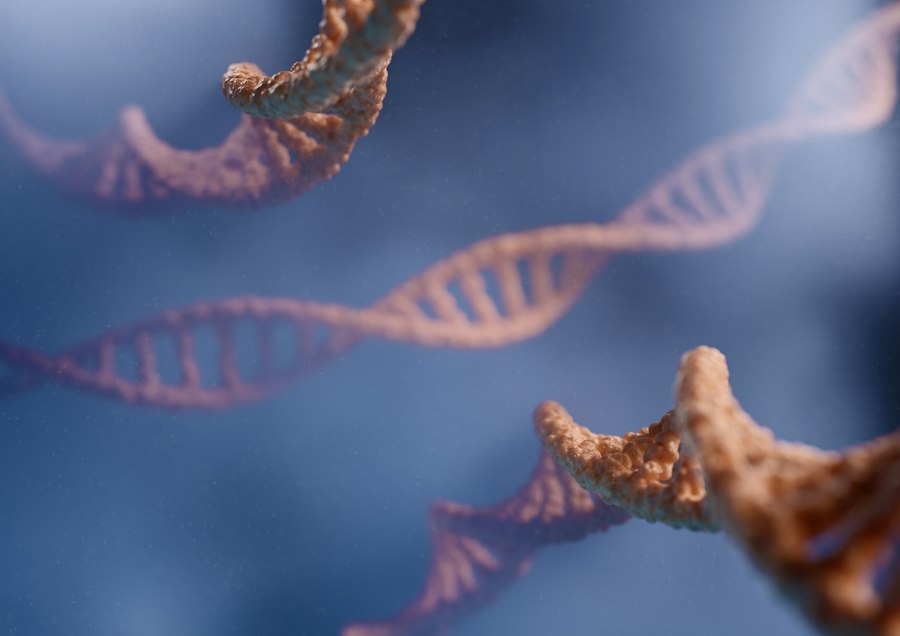
The concept of uninherited DNA segments isn’t solely about the shuffling that occurs during meiosis. There are other biological mechanisms, as well as evolutionary forces, that contribute to the presence of these genetic “ghosts” – remnants of your ancestral genome that don’t manifest in your own. Understanding these mechanisms provides a deeper appreciation for the dynamic nature of DNA and its transmission.
Chromosomal Rearrangements and Deletions
Over evolutionary timescales, and even within individual lineages, chromosomes can undergo various rearrangements. These can include translocations (where a segment of one chromosome breaks off and attaches to another), inversions (where a segment of a chromosome breaks off, flips, and reattaches), and deletions (where a portion of a chromosome is lost). If such an event occurred in an ancestor and the altered chromosome was passed down, the original, unmutated segment of DNA might no longer exist in that lineage.
Consider a simple deletion: if a specific gene or a regulatory region was deleted from a chromosome in a distant ancestor, and that altered chromosome was passed down through your direct maternal or paternal line, then you simply wouldn’t have that particular DNA segment. It’s not that it was “uninherited” in the same way as a shuffled segment; it’s that it was removed from the ancestral blueprint before it could be transmitted. These large-scale changes can significantly impact the genetic landscape and explain why certain DNA sequences present in distant relatives might be absent in you.
Epigenetic Silencing and Gene Regulation
Beyond the physical DNA sequence itself, there’s the realm of epigenetics. Epigenetic modifications are chemical tags that attach to DNA or the proteins that package it, influencing gene expression without altering the underlying DNA sequence. These modifications can be inherited, but they can also be dynamically regulated and, in some cases, silenced.
Imagine a gene that was active in an ancestor, contributing to a particular trait or metabolic pathway. Through epigenetic mechanisms, this gene might have been switched off, or “silenced,” in subsequent generations. While the DNA sequence for that gene is still present in the ancestral genome, its expression is suppressed. If this silencing persists for many generations, it’s akin to the gene being uninherited in terms of its functional contribution to the organism. Moreover, these epigenetic marks can be reset or altered in each generation, meaning a gene that was silenced in your parent might be active in you, or vice versa. This dynamic nature of gene regulation means that even if the DNA segment is physically present, its functional inheritance is not guaranteed.
The Transient Nature of Alleles
The concept of alleles – different versions of the same gene – is also crucial here. When your parents contribute their DNA, they each contribute one allele for each gene. You then inherit a pair of alleles. However, there might be other alleles for that same gene present in your parents’ broader genetic makeup that were not passed down to you. This is particularly evident in heterozygous individuals, who carry two different alleles for a gene. The allele that is not passed down to you is essentially uninherited.
This isn’t limited to just two alleles; sometimes, a population might have many different alleles for a particular gene. Through random chance, founder effects, or bottlenecks, certain alleles can become more or less common in a population over time. If an ancestor possessed a rare allele that was not passed down through your direct lineage, then that specific allele, and the DNA segment it resides within, remains uninherited by you, even though it exists elsewhere in the human gene pool.
The Evolutionary Tapestry: Selection and Drift in Uninherited DNA
The story of uninherited DNA segments is deeply intertwined with the grand narrative of evolution. Natural selection and genetic drift, the two primary drivers of evolutionary change, play significant roles in determining which DNA segments are passed on and which are not. These forces act over vast timescales, shaping the genetic makeup of populations and, by extension, the inheritance patterns of individuals.
Natural Selection: The Fittest Pass On
Natural selection is the process by which organisms with traits better suited to their environment tend to survive and reproduce more successfully, passing on those advantageous traits to their offspring. From a genetic perspective, this means that DNA segments associated with beneficial traits are more likely to be propagated through generations. Conversely, DNA segments linked to detrimental traits, or those that confer no significant advantage, are less likely to be passed on.
Imagine a segment of DNA that, due to a mutation, increases susceptibility to a deadly disease prevalent in a particular environment. Individuals carrying this segment are less likely to survive to reproductive age, and therefore, the segment is less likely to be passed on. Over generations, this detrimental DNA segment becomes rarer in the population, effectively being “uninherited” by future generations who survive these environmental pressures. Similarly, segments that confer advantages, such as enhanced disease resistance or improved metabolic efficiency, are selected for and become more prevalent, increasing their likelihood of being inherited. The absence of certain DNA segments in your genome can therefore be a testament to the selective pressures faced by your ancestors.
Genetic Drift: The Random Chance of Inheritance
While natural selection acts on the adaptive value of DNA, genetic drift operates through random chance. This is particularly potent in smaller populations, where the survival and reproduction of a few individuals can disproportionately influence the genetic makeup of the next generation. Imagine a small group of ancestors who migrate to a new territory. The specific alleles present in that founding group, purely by chance, may not be representative of the larger ancestral population.
In this scenario, certain DNA segments might be overrepresented or underrepresented in the new population simply due to the random sampling of alleles in the founders. If a specific DNA segment was present in the larger ancestral population but absent in the founding group, it would be uninherited by the descendants of that group, not because it was detrimental, but simply due to the accident of its absence in the founders. Over many generations, genetic drift can lead to the fixation of certain alleles (making them the only version present) and the complete loss of others within a population, thus shaping the landscape of inherited and uninherited DNA. The vastness of the human genome means that even in larger populations, the probabilistic nature of meiosis ensures that a significant portion of your ancestral DNA will not be present in your own genetic code.
Recent studies have shed light on the fascinating aspects of DNA segments that are not inherited by children, revealing the complexities of genetic transmission. For those interested in the broader implications of genetic studies, a related article discusses the intriguing findings of the Piri Reis map and its connections to historical navigation techniques. You can read more about this topic in the article found here: Piri Reis Map Analysis. This exploration not only highlights the intricacies of our genetic makeup but also invites us to consider how historical knowledge can intersect with modern scientific inquiry.
The Personal Genome: What Your Uninherited DNA Implies
| Metric | Description | Typical Value / Range | Notes |
|---|---|---|---|
| Average DNA Segment Length Not Passed | Average length of DNA segments that parents do not transmit to their children | ~50-100 centiMorgans (cM) | Varies by chromosome and recombination rate |
| Percentage of Parental DNA Not Inherited | Proportion of a parent’s DNA segments not passed to a single child | Approximately 50% | Due to meiosis and recombination, roughly half of each parent’s DNA is passed on |
| Number of DNA Segments Not Passed | Count of distinct DNA segments from a parent not inherited by a child | Varies; typically dozens to hundreds | Depends on recombination events and segment size |
| Recombination Rate | Frequency of crossover events during meiosis affecting segment inheritance | ~1-2 crossovers per chromosome per generation | Higher recombination increases segment shuffling |
| Impact on Genetic Diversity | Effect of unpassed DNA segments on genetic variation in offspring | Significant contributor to genetic uniqueness | Ensures siblings have different genetic makeups |
While the focus often lies on the DNA you carry, contemplating the DNA you don’t carry offers a profound personal perspective. It’s a reminder of the vastness of your genetic potential and the countless paths your lineage could have taken. Understanding these uninherited segments can illuminate aspects of your family history, your ancestry, and even your individual identity in surprising ways.
Ancestral Journeys and Migrations
The presence or absence of specific DNA segments can act as markers of your ancestors’ journeys. Different populations have experienced distinct evolutionary pressures and genetic bottlenecks throughout history. If your ancestry traces back to a region that underwent a significant population bottleneck, you might find that many DNA segments common in other human populations are unrepresented in your genome. Conversely, segments that are prevalent in that specific ancestral population, even if rare elsewhere, are more likely to be present in your DNA. Analyzing these patterns can help paint a more detailed picture of your ancestral origins and the historical migrations that shaped your lineage.
Furthermore, the uninherited segments from your ancestors can offer clues about their lives. For example, if your ancestors lived in an environment with a specific endemic disease, and you lack certain DNA variations associated with resistance to that disease, it might suggest that those variations were either not present in your ancestral population or were lost through genetic drift. This highlights the constant interplay between your genetic makeup and the environmental challenges faced by your forebears.
The Unseen Potential and the “Could Have Been”
Perhaps the most poignant implication of uninherited DNA segments is the contemplation of the “could have been.” Every individual represents a unique combination of genetic material. The DNA segments you haven’t inherited represent alternative genetic possibilities, variations that might have manifested different traits, predispositions, or even physical characteristics. This is not to suggest a sense of loss, but rather an appreciation for the sheer diversity of the human genome and the probabilistic nature of inheritance.
Consider traits like height, hair color, or even predispositions to certain talents. The specific alleles contributing to these traits are passed down through meiosis. If you didn’t inherit a particular allele for increased height, for instance, it doesn’t mean that potential for height was destroyed; it simply means that specific allele wasn’t selected in the meiotic events that formed your gametes. It exists in your extended family tree, a testament to the genetic richness of your lineage. Understanding these uninherited segments allows you to appreciate that the genetic mosaic you embody is but one of an almost infinite number of possible combinations that could have arisen from your ancestors.
Genetic Diversity and the Human Story
Ultimately, the study of uninherited DNA segments underscores the incredible genetic diversity within the human species. While we are all remarkably similar, the vastness of our genomes, coupled with the mechanisms of inheritance, ensures that each individual is a unique genetic entity. The segments that remain uninherited are not failures of transmission but rather essential components of the ongoing story of human evolution. They represent the genetic information that has been shaped by selection, drift, and the fundamental biological processes that have guided our species’ journey. By exploring these uninherited whispers, you gain a deeper understanding of your place within this grand, interconnected genetic tapestry, a tapestry woven from the threads of all who came before you.

Can Your Feet Reveal Cherokee Ancestry? Check the Evidence
FAQs
What are DNA segments not passed to children?
DNA segments not passed to children are sections of an individual’s DNA that are not inherited by their offspring during the process of genetic inheritance.
Why are some DNA segments not passed to children?
DNA segments not passed to children can be the result of genetic recombination, where sections of DNA from both parents are shuffled and exchanged during the formation of reproductive cells.
Do DNA segments not passed to children have any impact on the parent’s health?
While DNA segments not passed to children do not affect the genetic makeup of the offspring, they can still play a role in the parent’s health and genetic predispositions.
Can DNA segments not passed to children be inherited by future generations?
DNA segments not passed to children can potentially be inherited by future generations if they are passed down through siblings or other relatives who share the same genetic material.
How do scientists study DNA segments not passed to children?
Scientists study DNA segments not passed to children through various genetic techniques, such as genome sequencing, genetic mapping, and studying patterns of inheritance within families.