The stark, arid plains of the Nazca Desert in southern Peru hold one of the world’s most enduring and enigmatic archaeological treasures: the geoglyphs, vast figures etched into the earth by an ancient civilization. For decades, these colossal designs – spanning hundreds of meters and depicting animals, plants, and geometric shapes – have captivated the imagination, sparking theories ranging from astronomical observatories to extraterrestrial landing strips. Yet, much of our understanding of the Nazca Lines has been, by necessity, aerial. From high above, their full scale and intricate patterns become apparent. However, a ground-level perspective offers a unique and often overlooked dimension to this mystery, revealing a more intimate connection to the people who created these monumental works and the landscape they inhabited.
The Silent Sculptors: Unveiling the Builders of the Geoglyphs
The Nazca culture, flourishing roughly between 200 BCE and 600 CE, was responsible for the creation of these massive earth drawings. While the aerial view emphasizes the grand designs, a closer examination on the ground reveals the meticulous craftsmanship and the sheer human effort involved. The geoglyphs are not painted or carved into bedrock; rather, they are formed by removing the reddish-brown, iron-oxide-coated pebbles that litter the desert surface, exposing the lighter-colored soil beneath. This process, known as the Nazca technique, was surprisingly effective in creating clear, lasting lines.
The Scale of Human Endeavor
Standing within the confines of a geoglyph, such as the famed hummingbird or monkey, the sense of scale is profound. The lines themselves are not incredibly deep, typically only a few centimeters to a meter in depth, yet their expanse is breathtaking. To comprehend the creation of these figures without modern machinery requires a mental shift. Imagine hundreds, perhaps thousands, of individuals working collaboratively, their movements guided by precise planning and an understanding of their environment. The sheer manpower, organization, and dedication needed to clear these vast areas, often in challenging desert conditions, speaks volumes about the social structure and community spirit of the Nazca people. It was a project of immense communal investment, undertaken over generations.
Tools of the Trade: Evidence from the Ground
While no definitive toolkits have been found directly at the creation sites of the largest geoglyphs, archaeological surveys in the Nazca region have unearthed stone tools, likely used for scraping and digging. Pottery shards, tools for weaving, and remnants of agricultural implements found in associated settlements suggest a society that was adept at working with their hands and utilizing available resources. The simplicity of the creation method – essentially removing surface material – belies the sophistication of the planning and execution. It is believed that wooden stakes and ropes may have been used to mark out the designs on a smaller scale, with surveyors or guides then directing the labor force. The consistency of the lines and the accurate reproduction of complex forms point to a well-defined system of measurement and design transfer.
The Desert as a Canvas: Understanding the Landscape
The Nazca Desert is not a barren wasteland but a landscape with specific characteristics that the Nazca people understood intimately. The arid climate, with its minimal rainfall and wind erosion, has played a crucial role in preserving the geoglyphs for centuries. The specific composition of the soil, with its contrasting colors, provided the perfect medium for these earth drawings to stand out. From the ground, one can observe the subtle undulations of the terrain, the patterns of the pebbles, and the way the sunlight interacts with the exposed soil at different times of day, revealing nuances not visible from above. The choice of location for the geoglyphs, often on expansive, relatively flat pampa, was deliberate, maximizing the visibility of the designs once created.
The Nazca drawings, a remarkable testament to ancient artistry and cultural significance, have captivated historians and tourists alike. For those interested in exploring the economic implications of cultural heritage, a related article discusses the potential of investing in Mexican nearshoring companies, which can be found at this link. This piece highlights how the preservation of cultural sites, like the Nazca lines, can influence local economies and attract investment, making it a compelling read for anyone interested in the intersection of culture and commerce.
Interpreting the Imagery: A Ground-Level Dialogue with the Past

The meaning and purpose of the Nazca Lines have been the subject of intense debate. While aerial observation highlights the iconic figures, a ground-level perspective allows for a deeper engagement with the individual elements and their potential significance. It moves beyond abstract pattern recognition to a more contextual understanding of what these images might have represented to the people who created them.
Symbols of Survival and Sustenance: Animals and Plants
The prevalence of animal and plant motifs – condors, monkeys, spiders, hummingbirds, lizards, and various floral designs – is striking. From the ground, these figures are not merely abstract representations but can be seen as reflections of the Nazca people’s relationship with their environment. These creatures and plants were likely integral to their daily lives, their cosmology, and their understanding of the natural world. For instance, the hummingbird, a symbol of fertility and regeneration in many cultures, might have held similar significance for the Nazca. The spider, another common motif, could represent weaving or perhaps a connection to the earth. Observing these figures up close invites contemplation of their ecological importance and the reverence they may have held for these beings.
The Human Form and Abstract Designs
Beyond the natural world, there are human-like figures and purely geometric shapes. The “Astronaut,” a stylized anthropomorphic figure, is a prime example. From the ground, its posture and features can be examined more closely, prompting questions about its representation: a shaman, a deity, or a mythological ancestor? The geometric patterns – trapezoids, rectangles, and spirals – are equally intriguing. Their purpose remains elusive, but standing within them, one can imagine them serving as pathways, ritual spaces, or markers within the landscape. The sheer variety of imagery suggests a complex system of beliefs and communication.
The Mystery of Purpose: Ritual, Astronomy, and Beyond
The persistent question of “why?” continues to drive research. While theories abound, a ground-level exploration can offer clues. The sheer effort involved suggests a purpose beyond mere decoration. Many researchers propose ritualistic or ceremonial functions. The lines might have been walked upon during processions or ceremonies, their creation and use an act of devotion or a plea for divine favor. The alignment of some geoglyphs with celestial events, as proposed by Maria Reiche, the pioneering researcher of the Nazca Lines, gains a tangible dimension when one stands on the ground and considers the vastness of the sky above. While definitive proof remains elusive, the earth itself, when viewed from its surface, becomes a text to be read, a silent testament to the intentions of its creators.
The Intimacy of the Lines: Experiencing the Geoglyphs Up Close

The transformative power of experiencing the Nazca Lines lies in moving from the distant observer to an intimate participant. Standing on the same ground as the ancient artists, one begins to grasp the physical reality of their creation and the profound connection they must have felt to this land.
Walking the Lines: A Physical Connection to the Past
To walk the lines of a geoglyph is to engage with it on a visceral level. The subtle shift in terrain as one steps from the desert floor onto the cleared lines, the feel of the exposed soil beneath one’s feet, creates a tangible link to the past. It allows for an appreciation of the precision required to maintain these long, straight lines or sweeping curves. It also highlights the scale of the undertaking. Imagine the rhythmic tread of feet, the sound of scraping tools, the collective breath of a community working towards a common goal. This physical engagement fosters a deeper empathy and understanding than any aerial photograph can convey.
The Play of Light and Shadow: A Dynamic Revelation
From the ground, the interplay of sunlight and shadow reveals the geoglyphs in a dynamic and ever-changing manner. As the sun moves across the sky, different parts of the figures are illuminated, casting shadows that emphasize their form and depth. Early morning and late afternoon light can accentuate the three-dimensionality of the lines, making them appear more sculpted. This daily transformation suggests that the Nazca people may have been keenly aware of the temporal aspects of their creations, perhaps even incorporating them into their rituals or astronomical observations. Observing this phenomenon firsthand offers a glimpse into how the geoglyphs might have been perceived by their creators throughout the day.
The Subtlety of Detail: Beyond the Grand Design
While the aerial view showcases the overall patterns, a ground-level perspective allows for an appreciation of the subtle details. The variations in the texture of the exposed soil, the occasional presence of small stones that were overlooked during the clearing process, and the way the lines curve and intersect – these are elements that contribute to the overall artistry. One can trace the path of a line with one’s finger, marveling at its continuity. This focus on detail can spark new avenues of interpretation, suggesting that the nuances of the designs might hold specific meanings that are lost from a purely aerial vantage point.
Preserving the Legacy: Challenges and Efforts from the Ground
The ongoing preservation of the Nazca Lines is a critical concern, and efforts to protect this fragile heritage are often undertaken with a ground-level awareness of the threats they face.
The Fragility of the Earth Canvas: Erosion and Human Impact
The very elements that preserved the geoglyphs for millennia now pose a threat. Wind and occasional rainfall can gradually erode the exposed soil, blurring the lines and obscuring the designs. Human activity, both accidental and intentional, can also cause damage. Foot traffic, if not carefully managed, can compact the soil and wear down the edges of the lines. Vehicle traffic, particularly in areas not designated for access, can cause irreversible destruction. From the ground, one can see firsthand the areas where erosion is most pronounced and where the lines are most vulnerable, highlighting the need for careful management and conservation.
Archaeological Vigilance: Monitoring and Research
Archaeologists and conservationists work tirelessly on the ground to monitor the condition of the geoglyphs. This involves regular surveys, mapping of any damage, and implementing protective measures. Research conducted at ground level, including excavation of nearby settlements and analysis of the geoglyphs themselves, provides crucial context for understanding their creation and purpose. This meticulous, hands-on work is essential for ensuring that these ancient wonders are passed on to future generations. The challenges are significant, but the dedication of those working directly with the sites is unwavering.
The Role of Tourism: Balancing Access and Preservation
Tourism plays a vital role in the economy of the region and in raising global awareness of the Nazca Lines. However, it also presents a significant challenge to preservation. Strict regulations are in place to control access, with elevated viewing platforms and designated pathways designed to minimize impact. Visitors are educated about the fragility of the geoglyphs and encouraged to respect the site. From a ground-level perspective, the effectiveness of these measures can be observed, and the constant need for vigilance to balance the benefits of tourism with the imperative of preservation becomes clear. The goal is to allow people to experience the magic of the lines without compromising their integrity.
The Nazca drawings, a fascinating subject for both historians and art enthusiasts, have sparked numerous discussions about their purpose and significance. For those interested in exploring how ancient cultures communicate complex ideas, a related article on financial systems might provide an intriguing perspective. You can read more about the intricacies of modern financial structures and their unexpected parallels to historical practices in this article on understanding financial bank bail-ins. This connection highlights how societies, whether ancient or contemporary, often develop unique methods to convey their values and navigate challenges.
The Enduring Enigma: Questions Raised from the Surface
| Metric | Data/Value | Description |
|---|---|---|
| Intended Audience | Deities and celestial beings | The Nazca drawings are believed to be created for gods or beings in the sky, visible from above. |
| Visibility | High from aerial view | Drawings are large-scale geoglyphs best seen from the air or nearby foothills. |
| Location | Ground level, Nazca Desert, Peru | Drawings are etched into the desert floor. |
| Size Range | 50 to 300 meters | Size of individual geoglyphs varies widely. |
| Purpose Hypothesis | Religious and ceremonial | Likely used in rituals to communicate with gods or for water-related ceremonies. |
| Audience Accessibility | Limited to aerial or elevated view | Not intended for ground-level viewing by common people. |
Despite decades of study, the Nazca Lines retain a profound sense of mystery, and a ground-level perspective often deepens rather than resolves these enigmas. It encourages a more nuanced appreciation of the limitations of our knowledge and the enduring power of human ingenuity.
Rethinking the Celestial Connection: A Grounded Perspective on Astronomy
While the astronomical alignment theories are compelling, standing on the ground invites a re-evaluation. Did the Nazca people need colossal earth drawings to observe celestial events? Or was their connection to the cosmos more intertwined with their earthly practices? The precise alignments observed from above might have been achieved through simpler, ground-based astronomical observations and a deep understanding of the landscape. The lines could have served as ritual pathways that oriented individuals towards important celestial occurrences, rather than being direct observational tools themselves. The ground offers a different lens through which to consider these astronomical hypotheses, suggesting that the answer may lie in a synthesis of terrestrial and celestial understanding.
The Psychology of the Creator: Motivation and Meaning
From the earth, one can contemplate the psychological landscape of the Nazca people. What drove them to dedicate so much time and effort to these creations? Was it a unified cultural imperative, a deeply held spiritual belief, or a combination of factors? The sheer diversity of the figures suggests a rich inner world, a complex system of symbols and meanings that we are only beginning to decipher. Standing within these vast figures, one can almost feel the echoes of their motivations, the hopes, fears, and aspirations that shaped their world. The earth itself becomes a canvas for their psychological and spiritual expressions.
The Legacy of Ingenuity: A Timeless Human Achievement
Ultimately, the most compelling aspect of the Nazca Lines, viewed from the ground, is the testament to human ingenuity and perseverance. These are not the products of advanced technology, but of coordinated effort, meticulous planning, and an intimate understanding of the natural world. They represent a profound achievement of ancient artistry and engineering, a dialogue between humanity and the earth that has endured for centuries. The mystery of their complete purpose may never be fully unraveled, but the act of creation itself, as experienced from the ground, is a powerful and enduring legacy that continues to inspire awe and wonder, reminding us of the boundless potential of the human spirit.
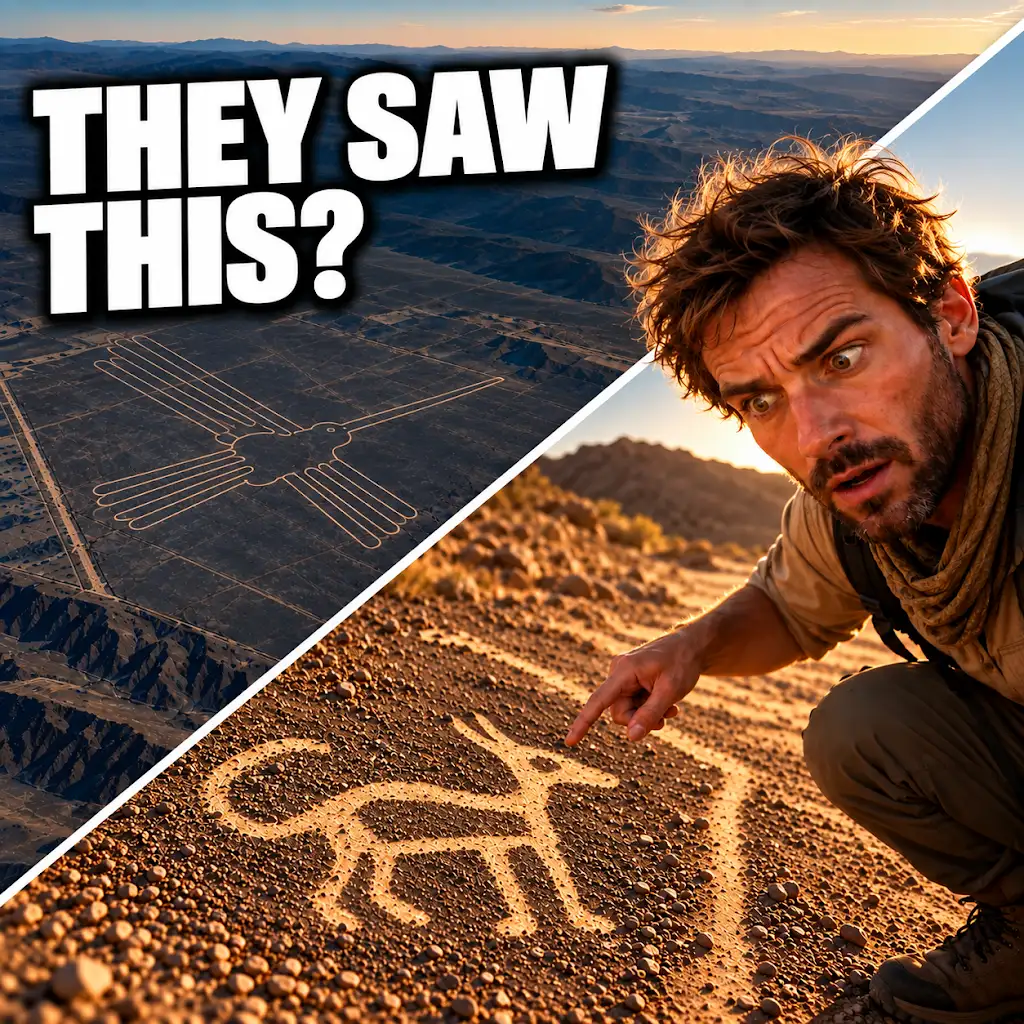
AI Found New Nazca Drawings—Could People See Them from the Ground?
FAQs
What are Nazca drawings?
Nazca drawings are a series of ancient geoglyphs located in the Nazca Desert in southern Peru. These large designs are created by removing the reddish-brown iron oxide-coated pebbles that cover the surface of the Nazca Desert, revealing the lighter-colored earth underneath.
Who created the Nazca drawings?
The Nazca drawings were created by the Nazca culture, a pre-Inca civilization that thrived in the region between 200 BCE and 600 CE. The purpose and methods of creating these geoglyphs are still a subject of debate among archaeologists and historians.
What is the intended audience of the Nazca drawings?
It is believed that the Nazca drawings were created for the gods or as part of religious rituals. Some theories suggest that the drawings served as astronomical calendars, while others propose that they were meant to be seen by deities in the sky.
How were the Nazca drawings made?
The Nazca drawings were made by removing the surface stones to reveal the lighter-colored earth underneath, creating lines and shapes that form various designs such as animals, plants, and geometric patterns. The precision and scale of these geoglyphs are remarkable, considering the limited technology available to the Nazca people.
Why are the Nazca drawings significant?
The Nazca drawings are significant because of their size, complexity, and mysterious nature. These geoglyphs have survived for centuries in the arid desert landscape, sparking curiosity and fascination among researchers and visitors alike. Studying the Nazca drawings provides insights into the beliefs, practices, and artistic abilities of the ancient Nazca culture.