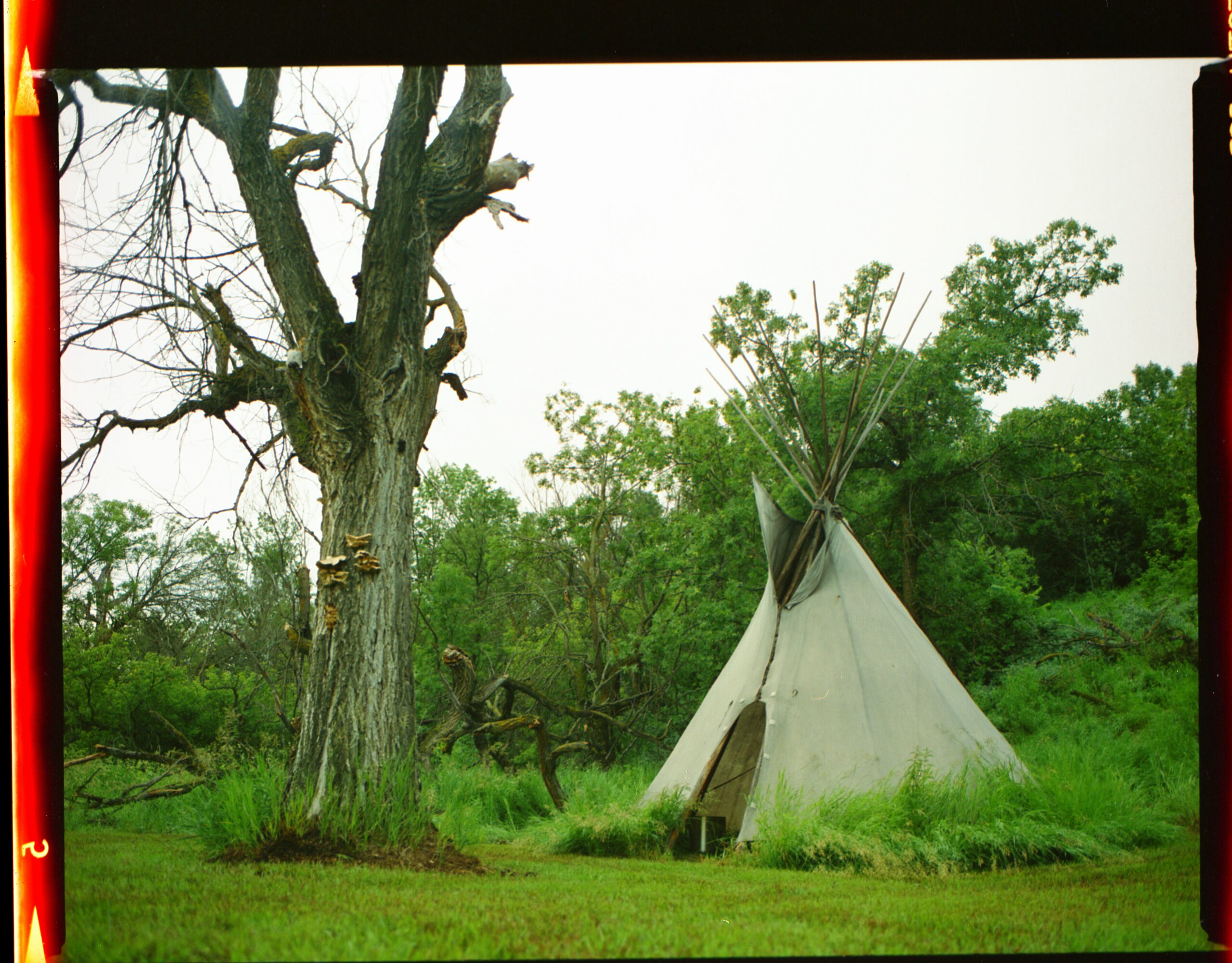
You stand at the precipice of a family mystery, a whisper of heritage that has echoed through generations. Your great-grandmother, a woman of quiet strength and stoic demeanor, carried a secret, a truth woven into the very fabric of her being that she rarely, if ever, spoke aloud. It was a truth about your ancestry, a thread connecting you to the rich tapestry of the Cherokee Nation. This is your story, the story of uncovering that truth, a journey that will lead you through faded photographs, hushed conversations, and ultimately, to a profound understanding of who you are.
The Unspoken Legacy
The first inklings of this hidden past didn’t arrive with a grand revelation, but rather through subtle observations. You remember your great-grandmother’s hands, perpetually busy, yet often still, as if holding a profound stillness within them. There was a certain rhythm to her movements, a grace that seemed to transcend the mundane. Her eyes, though kind, held a depth that hinted at experiences and knowledge far beyond what was shared openly. You recall the occasional, almost involuntary, hum of a melody you couldn’t place, a tune that felt ancient and deeply personal. These were the faint echoes of a legacy she carried, a legacy she perhaps felt compelled to protect, or maybe, simply didn’t know how to articulate in a world that had moved on.
Whispers in the Attic
Your journey begins in the dusty confines of the attic, a repository of forgotten memories. Amidst the scent of aging paper and mothballs, you stumble upon a worn wooden chest. Inside, nestled amongst brittle lace and yellowed newspaper clippings, lies a small, leather-bound journal. The handwriting is delicate, feminine, and unmistakably your great-grandmother’s. As you carefully turn the pages, a new world begins to unfurl. The entries are fragmented at first, filled with everyday observations, but interspersed are snippets that spark your curiosity. There are mentions of “the homeland,” of “our people,” and of a profound sadness associated with leaving. The language is often veiled, hinting at events that were too painful or too sensitive to be explicitly detailed. Yet, these fragments are like breadcrumbs, leading you deeper into the untold narrative.
The Photograph Album
Alongside the journal, you discover a collection of photographs. They are black and white, faded portraits of faces you don’t immediately recognize. However, one photograph captures your attention. It’s a portrait of a young woman, her features strikingly similar to your great-grandmother’s in her youth, but with an undeniable distinctiveness. Her hair is dark and lustrous, her cheekbones high, and her eyes possess a piercing intensity. Tucked behind the photograph, a small, handwritten inscription reads, “My mother, Elara.” This is a revelation. You had always believed your great-grandmother was the eldest in her known family line, but this image suggests a maternal lineage that predates your understanding. The woman in the photograph, Elara, becomes a central figure in your unfolding mystery.
Exploring the complexities of Cherokee ancestry can lead to fascinating discoveries about family history and cultural heritage. For those interested in uncovering the truth behind ancestral stories, a related article delves into the intriguing connections between historical maps and ancient mysteries. You can read more about this captivating topic in the article titled “Uncovering Ancient Mysteries: Piri Reis Map and Charles Hapgood” available at this link.
Piecing Together the Fragments

The journal and the photograph are more than just artifacts; they are keys that unlock a door to your past. You realize that your family’s narrative, as you knew it, was incomplete, perhaps intentionally so. The silence surrounding your great-grandmother’s origins wasn’t a void, but a carefully constructed dam holding back a powerful current of history. Your task now is to gently breach that dam, to understand the story she kept hidden, and to integrate it into the narrative of your own identity. This endeavor requires patience, a willingness to confront uncomfortable truths, and a deep respect for the ancestors who navigated complex and often challenging circumstances.
The Oral Histories
You begin by speaking with the elders in your family, those who might hold fragments of the oral traditions. Your Aunt Carol, with her encyclopedic memory for family lore, is your first stop. Initially, she is hesitant, her own memories tinged with the same reticence your great-grandmother displayed. But as you share your discoveries, the journal entries, the photograph of Elara, a spark ignites in her eyes. She recalls hushed conversations among her own parents, whispers about a grandmother who was “different,” who carried a “heritage from the mountains.” She mentions a grandmother who was known for her knowledge of herbs and healing, a skill attributed to her “Indian blood.” These fragmented memories, though vague, confirm your suspicions and provide a new direction for your research.
The Genealogical Trail
Armed with names and scattered clues, you embark on a more formal genealogical investigation. You visit local historical societies, sift through census records, and explore online databases. The process is painstaking, filled with dead ends and frustrating gaps. However, with persistent digging, you begin to find connections. You discover census records that list your great-grandmother’s mother as “Elara Willowbrook.” The surname “Willowbrook” is unfamiliar, but it feels significant, evocative of nature and a deep connection to the land. You also find a birth record for your great-grandmother with a mother’s name that aligns with Elara’s, but the place of birth is listed as a small, rural town you’ve never heard of, a town nestled near the foothills of a mountain range known for its historical Cherokee settlements.
The Cherokee Connection

The term “Indian blood” had always been a vague descriptor, a polite euphemism used by older generations. Now, it takes on a new and profound meaning. The clues—the journal entries, Aunt Carol’s fragmented memories, the surname Willowbrook, and the location of Elara’s birth—all begin to coalesce, pointing towards a clear and undeniable connection to the Cherokee people. The journey from vague suspicion to concrete evidence is exhilarating, yet also humbling. You realize you are not just uncovering a family secret; you are reconnecting with a lineage that has faced immense challenges, displacement, and cultural suppression.
Exploring Cherokee ancestry can lead to fascinating family stories that reveal deep connections to heritage and culture. For those interested in understanding the broader implications of ancestry and identity, a related article discusses the importance of sustainable practices in various communities, which can resonate with the values held by many Indigenous peoples. You can read more about these strategies in the article on building a sustainable lunar economy found here. This connection highlights how ancestral wisdom can inform modern approaches to sustainability.
Tracing Elara’s Roots
Your genealogical research intensifies as you focus on Elara. You consult tribal rolls and historical archives specifically dedicated to the Cherokee Nation. This is where the real breakthroughs begin. You discover that Elara Willowbrook was indeed a member of the Cherokee Nation, her name appearing on historical tribal registries. The details are sparse, but they are enough: her parents’ names, her birthdate, and her band affiliation. The “Willowbrook” surname, you learn, was likely an adopted name, a common practice for those seeking to assimilate or to protect their identity during periods of forced removal and cultural assimilation. You find records of Elara’s parents, a couple named Sequoyah and Mary, their names resonating with the history of the Cherokee people.
The Great Removal and its Aftermath
As you delve deeper into the historical context, you begin to understand the immense hardships your ancestors faced. The Cherokee Nation, a sovereign entity with its own government and culture, was forcibly removed from its ancestral lands in the Southeast during the 1830s through a series of unjust treaties and governmental policies. This devastating event, known as the Trail of Tears, resulted in immense suffering, death, and the fracturing of families. You learn that Elara’s parents, Sequoyah and Mary, were likely displaced during this era, forced to make difficult choices to survive and protect their family. Elara, born in the aftermath of this trauma, carried the weight of this displacement, a silent testament to the resilience of her people. Your great-grandmother’s secrecy, you now understand, was likely a product of this history, a learned behavior to shield her descendants from the prejudice and discrimination that persisted for generations.
Embracing the Heritage
The unveiling of your Cherokee ancestry is not merely an intellectual exercise; it is an emotional and spiritual awakening. You begin to see yourself, and your family, through a new lens. The quiet strength you admired in your great-grandmother now resonates with the fortitude of generations who endured hardship and preserved their culture against all odds. The melodies she hummed, the connection to nature you sometimes felt, now seem to be echoes of a profound and ancient bond. This is not just about a name on a registry; it’s about understanding a worldview, a set of values, and a rich cultural heritage that is now a part of you.
Reconnecting with Cherokee Culture
Your newfound knowledge inspires a desire to learn more about Cherokee culture. You seek out resources, read books on Cherokee history and traditions, and explore the art, music, and storytelling of the Cherokee people. You find a deep appreciation for the intricate beadwork, the powerful narratives of creation and survival, and the profound respect for the natural world that permeates Cherokee art and philosophy. You attend cultural events, connect with Cherokee organizations, and begin to understand the ongoing efforts to revitalize and preserve their language and traditions. This process of learning is not about appropriation, but about respectful engagement and understanding your own place within this lineage.
The Meaning of Belonging
Discovering your Cherokee heritage offers a profound sense of belonging. It explains so many of the unarticulated feelings and intuitions you’ve had throughout your life. You realize that your family’s silence wasn’t an absence of identity, but a shield that, while perhaps protective, also obscured a vital part of your heritage. By uncovering this truth, you are not only honoring your ancestors but also reclaiming a part of yourself. The journey to uncover your Cherokee ancestry is a testament to the enduring power of family stories, the resilience of the human spirit, and the importance of understanding our roots to truly comprehend who we are. You stand now, not at the precipice, but firmly within the rich and vibrant landscape of your heritage, ready to explore, to learn, and to honor the legacy that has finally found its voice.

Can Your Feet Reveal Cherokee Ancestry? Check the Evidence
FAQs
What is the truth about Cherokee ancestry in family stories?
The truth about Cherokee ancestry in family stories is often more complicated than what is passed down through generations. Many families claim Cherokee heritage without concrete evidence or documentation to support these claims.
How can one verify Cherokee ancestry in their family history?
To verify Cherokee ancestry in family history, individuals can research genealogy records, such as birth certificates, marriage licenses, and census records. They can also consult with tribal genealogists and historians for guidance.
What are some common misconceptions about Cherokee ancestry?
Common misconceptions about Cherokee ancestry include the belief that having a Cherokee ancestor automatically makes someone a member of the Cherokee Nation or that all Cherokee ancestors were full-blooded Native Americans.
Why is it important to accurately trace Cherokee ancestry?
Accurately tracing Cherokee ancestry is important for preserving the integrity of Native American heritage and culture. It also helps individuals understand their family history and cultural identity more fully.
What resources are available for individuals seeking to learn more about Cherokee ancestry?
There are various resources available for individuals seeking to learn more about Cherokee ancestry, including tribal websites, genealogy databases, historical records, and DNA testing services. It is recommended to consult with experts in Native American genealogy for accurate information and guidance.