The arid plains of the Nazca Desert in southern Peru hold a profound mystery, etched into the earth by a civilization lost to time. For centuries, these colossal figures, known as geoglyphs, have captivated imaginations, their precise purpose and creation method remaining subjects of intense debate. Among the most compelling are the zoomorphic designs, the animal geoglyphs, which depict a menagerie of creatures rendered on a scale that can only be fully appreciated from the heavens. Uncovering these ancient artworks is not merely an archaeological endeavor; it is an exploration into the beliefs, astronomical knowledge, and artistic prowess of the Nazca people.
The Silent Canvas of the Desert Floor
The Nazca culture flourished in the coastal region of Peru between roughly 100 BCE and 800 CE. Their legacy is most famously preserved in the Nazca Lines, a series of enormous geoglyphs scraped into the desert surface. These designs, some stretching for hundreds of meters, are created by removing the reddish-brown, iron-oxide-coated pebbles that cover the desert floor to expose the lighter-colored soil beneath. The arid climate, with its minimal rainfall and wind, has preserved these delicate etchings for over a millennium, making them an extraordinary testament to human ingenuity.
The Scale of the Unseen
The true marvel of the Nazca animal geoglyphs lies in their monumental scale. Figures such as the condor, monkey, spider, hummingbird, and lizard are meticulously crafted, their outlines clear and precise. The condor, for instance, boasts a wingspan of over 130 meters, while the monkey’s spiraling tail is a design in itself, spanning some 90 meters. These are not doodles in the sand; they are grand artistic statements, demanding a perspective far beyond that of their creators walking the earth. The fact that they are largely invisible from ground level has fueled much of the speculation surrounding their function.
The Materials and Methods of Creation
The construction of these geoglyphs, while seemingly simple in concept, required sophisticated planning and execution. The Nazca people likely used simple tools, such as sharpened stakes and ropes, to lay out their designs. They would have meticulously measured and marked the ground, then removed the surface stones in a systematic manner. The consistent depth of the removal suggests a well-coordinated effort, likely involving a considerable workforce. The sheer effort involved in creating these massive figures, especially considering their intended audience was likely otherworldly, underscores the importance they held for the Nazca civilization.
The Nazca Lines, particularly the geoglyph patterns depicting domesticated animals, have long intrigued researchers and enthusiasts alike. These ancient designs not only showcase the artistic capabilities of the Nazca civilization but also provide insights into their agricultural practices and animal husbandry. For a deeper understanding of how ancient technologies can inform modern solutions, you can explore a related article that discusses the intersection of historical innovations and contemporary applications. Check it out here: Unlocking the Power of Ancient Tech for Modern Solutions.
Decoding the Zoomorphic Language

The Nazca animal geoglyphs are not random depictions; they are a deliberate selection of creatures, each carrying potential symbolic weight. The diversity of animals represented – from avian and terrestrial to arachnids and marine life – suggests a rich understanding and reverence for the natural world. While definitive interpretations remain elusive, scholars have proposed various theories that attempt to decipher the meaning behind these etched creatures.
The Sky-Bound Gazers: Birds of Prey and Divine Messengers
Birds, particularly raptors like the condor and the hummingbird, feature prominently among the geoglyphs. The condor, a scavenger of the skies, held significant symbolic meaning in many ancient Andean cultures, often associated with death, the underworld, and the spiritual realm. The hummingbird, conversely, is a creature of vibrant energy and swift flight, perhaps representing messengers between the earthly and divine realms. The precision with which these avian figures are rendered, with their outstretched wings and distinct features, speaks to a deep familiarity and respect for these creatures.
Terrestrial Titans: Beasts of the Land and Their Significance
The Nazca desert also bears the imprints of land-dwelling animals. The spider, with its intricate web-like markings, is a less common but equally fascinating geoglyph. Spiders are often associated with creation, weaving, and destiny in various mythologies. The lizard, another common figure, could represent fertility or regeneration, given its ability to shed and regrow its tail. The monkey, with its dynamic posture and distinctive tail, might symbolize a connection to the primal forces of nature or even a mischievous spirit. The careful placement and orientation of these figures also warrant consideration.
Aquatic Apparitions: Echoes of a Drier Past?
While the Nazca region is currently arid, evidence suggests that it may have been wetter in the past, or that the Nazca people had strong connections to water sources, perhaps through ancient rivers or underground aquifers. The presence of marine creatures, even if fewer in number, could allude to these connections or represent mythical beings. The interpretation of these figures is often intertwined with the understanding of the Nazca people’s relationship with water, a vital resource in their desert environment.
Astronomical Alignments and Celestial Connections

One of the most enduring theories regarding the purpose of the Nazca animal geoglyphs centers on their potential astronomical significance. The remarkable precision of the lines and the orientation of some figures suggest a deliberate connection to celestial events. The ability to observe and record the movements of the stars and planets would have been crucial for an agricultural society, and the geoglyphs may have served as a monumental calendar or observatory.
The Star-Gazing Engineers
The discovery that some geoglyphs align with the rising and setting points of the sun, moon, and stars on specific dates, such as solstices and equinoxes, has been a cornerstone of astronomical interpretations. For example, the famous trapezoidal shapes on the plains are believed by some to have served as markers for astronomical observations. The animal figures, too, may have played a role. Some researchers have proposed that the depiction of certain constellations or celestial bodies could be represented by the animal geoglyphs, aligning with their movements across the night sky.
A Calendar Etched in Earth
The hypothesis that the geoglyphs functioned as a giant astronomical calendar is compelling. By observing which figures were aligned with celestial bodies at different times of the year, the Nazca people could have tracked seasons, predicted agricultural cycles, and perhaps even marked important religious festivals. The sheer scale of the geoglyphs would have made them visible and impactful from a distance, allowing for coordinated observations and a shared understanding of time and the cosmos.
Ritualistic Purpose and the Sacred Landscape
Beyond astronomical observations, the Nazca animal geoglyphs are widely believed to have held profound ritualistic and religious significance. The act of creating such monumental artworks, visible only from the sky, suggests a connection to a divine audience or a desire to communicate with deities. The desert itself, a harsh and unforgiving environment, may have been imbued with spiritual meaning, and the geoglyphs could have been integral to their sacred practices.
Offerings to the Gods Above
The concept of the geoglyphs as offerings or appeals to sky deities is a prevalent theory. The Nazca people, dependent on the unpredictable rains and agricultural success, may have created these figures to appease their gods, seek blessings, or express gratitude. The precise location and design of each geoglyph could have been dictated by specific prayers or rituals, intended to be witnessed by the gods from their celestial perch.
Pathways for Spirits and Ancestors
Another interpretation suggests that the geoglyphs served as pathways or markers for the spirits of ancestors or deities. The long, straight lines could represent processional routes, while the animal figures might symbolize the spiritual beings who traveled these paths. The act of walking or performing rituals along these lines would have been a way to connect with the spiritual world and maintain cosmic balance.
The Role of Water and Fertility Rites
Given the critical importance of water in the Nazca environment, it is highly probable that the geoglyphs were linked to rituals concerning water and fertility. Some designs, like the spider with its web, could be associated with the gathering and distribution of water, or with the cycles of life and renewal. The presence of animals associated with abundance or resilience might also point to a desire for successful harvests and the continuation of their society.
The Nazca Lines, particularly the geoglyph patterns representing domesticated animals, have long fascinated researchers and archaeologists alike. These massive designs, etched into the Peruvian desert, offer insights into the cultural and agricultural practices of the ancient Nazca civilization. For those interested in exploring how ancient civilizations harnessed their environment, a related article discusses modern advancements in sustainable energy, which can be found here. This connection highlights the ongoing relationship between humanity and the land, bridging the past with contemporary innovations.
Ongoing Investigations and Modern Discoveries
| Metric | Data |
|---|---|
| Geoglyph Name | Nazca Domesticated Animal Pattern |
| Location | Nazca Desert, Peru |
| Estimated Age | 500 BCE to 500 CE |
| Animal Depicted | Likely domesticated animals such as llamas or alpacas |
| Length | Approximately 50 meters |
| Width | Approximately 20 meters |
| Technique | Lines created by removing reddish-brown iron oxide-coated pebbles to reveal lighter ground beneath |
| Purpose | Likely religious or ceremonial, possibly related to agriculture or animal domestication |
| Visibility | Best viewed from the air or nearby foothills |
Despite decades of research, the Nazca animal geoglyphs continue to yield new insights through the application of advanced technologies and persistent fieldwork. Modern archaeology has provided tools that allow for more detailed analysis and a deeper understanding of the Nazca people’s capabilities and beliefs, challenging and refining earlier theories.
Precision from Above: Drones and Satellite Imagery
The advent of drone technology and sophisticated satellite imagery has revolutionized the study of the Nazca Lines. These tools allow researchers to capture high-resolution aerial photographs and create detailed 3D models of the geoglyphs, revealing intricate details previously missed. Drones can also access areas that are difficult or impossible to reach on foot, providing a more comprehensive view of the entire network of geoglyphs. This technology has helped identify new figures and better understand the spatial relationships between existing ones.
Unearthing Clues: Excavations and Artifact Analysis
Archaeological excavations at sites near the geoglyphs have unearthed artifacts that shed light on the Nazca culture’s daily life, beliefs, and practices. Pottery fragments, tools, and ceremonial objects found in the vicinity provide context for the creation and use of the geoglyphs. Analysis of these artifacts can reveal details about their diet, social structure, religious rituals, and technological advancements, all of which can inform interpretations of the animal geoglyphs.
The Enigma Continues: Future Research Directions
The mysteries of Nazca are far from fully solved. Future research will likely focus on more interdisciplinary approaches, combining archaeology with archaeoastronomy, anthropology, and even advanced geological analysis. Understanding the specific environmental conditions that facilitated the preservation of the geoglyphs, as well as more nuanced interpretations of their symbolism, will be key. The ongoing quest to uncover the full story behind these monumental animal etchings promises to continue captivating scholars and the public alike for years to come, reminding us of the enduring power of human creativity and the profound questions that lie etched in the earth.
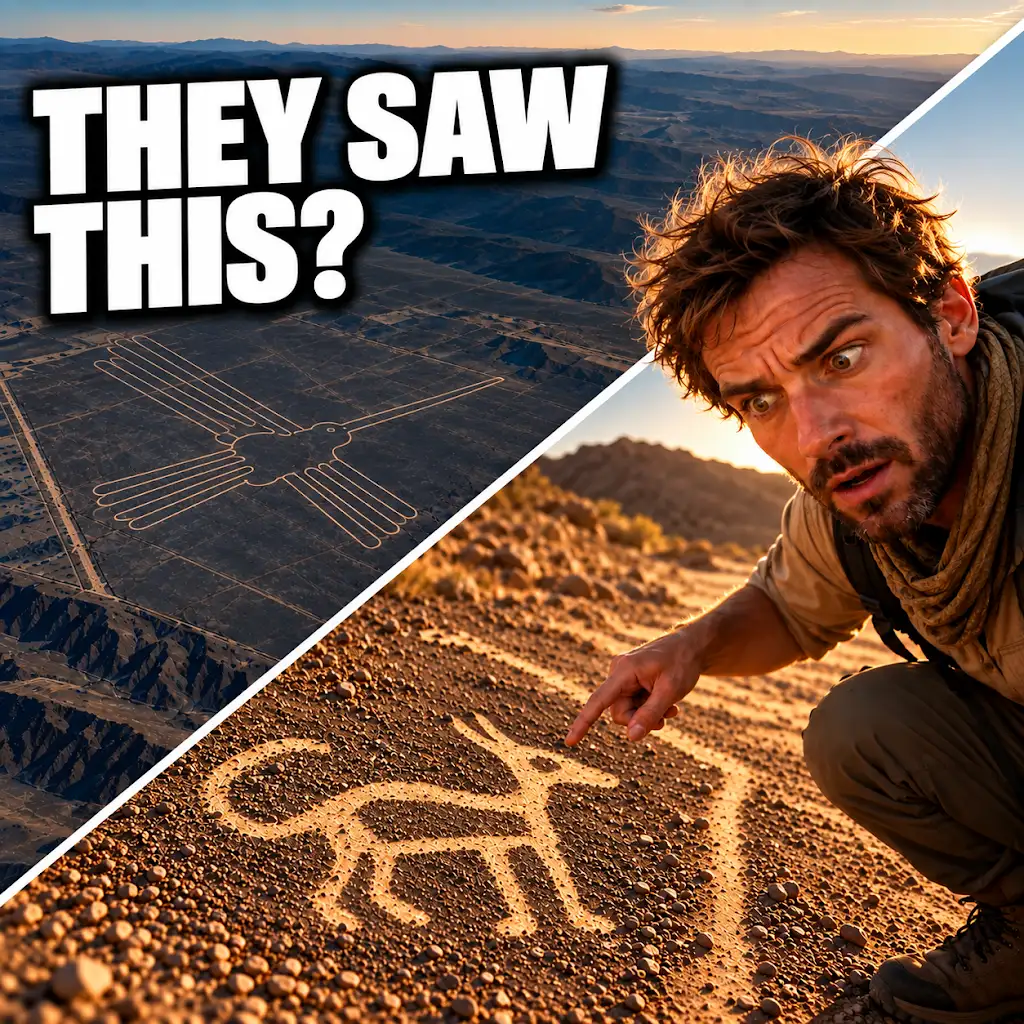
AI Found New Nazca Drawings—Could People See Them from the Ground?
FAQs
What is the Nazca domesticated animal geoglyph pattern?
The Nazca domesticated animal geoglyph pattern is a series of large-scale designs etched into the ground in the Nazca Desert in southern Peru. These geoglyphs depict various domesticated animals such as llamas, alpacas, and guanacos.
When were the Nazca domesticated animal geoglyph patterns created?
The Nazca domesticated animal geoglyph patterns were created by the ancient Nazca civilization between 200 BCE and 600 CE. These intricate designs were made by removing the reddish-brown iron oxide-coated pebbles on the surface of the desert floor to reveal the lighter-colored earth beneath.
What is the purpose of the Nazca domesticated animal geoglyph patterns?
The exact purpose of the Nazca domesticated animal geoglyph patterns is still a topic of debate among archaeologists and historians. Some theories suggest that they served as religious or ceremonial sites, while others propose that they were used for astronomical or agricultural purposes.
How were the Nazca domesticated animal geoglyph patterns discovered?
The Nazca domesticated animal geoglyph patterns were first discovered in the early 20th century when commercial airlines began flying over the Nazca Desert. The designs are best viewed from the air due to their large size and intricate details.
Are the Nazca domesticated animal geoglyph patterns protected?
Yes, the Nazca domesticated animal geoglyph patterns are protected as a UNESCO World Heritage Site. Efforts are being made to preserve and conserve these ancient designs from natural erosion, human encroachment, and other threats.