The arid plains of the Nazca Desert in southern Peru hold secrets as stark and enduring as the landscape itself. For centuries, the Nazca civilization flourished here, leaving behind a legacy of enigmatic geoglyphs, intricate pottery, and a complex understanding of their environment. Among these lasting impressions, however, lies a more somber and disturbing aspect of their culture: evidence of human sacrifice. The Nazca Path of Human Sacrifice, a term that evokes images of ritualistic offerings and a profound connection between life, death, and the divine, represents a crucial, albeit chilling, window into the spiritual and societal fabric of this ancient people. Examining this aspect requires delving into archaeological findings, interpreting symbolic representations, and understanding the context within which these sacrifices likely occurred. It is a journey into the depths of human belief, where the ultimate offering was life itself, purportedly to appease gods, ensure fertility, or maintain cosmic order.
Echoes of the Sacred and the Mundane
The Nazca civilization, flourishing between roughly 100 BCE and 800 CE, occupied a challenging environment. The desert’s aridity demanded sophisticated irrigation systems and a deep respect for water, a vital resource that was often deified. Their existence was inextricably linked to the cycles of nature – the scarce rainfall, the fertile periods, and the ever-present threat of drought and famine. It is within this precarious balance that the practice of human sacrifice, as understood through archaeological evidence, finds its most compelling context. The Nazca people, like many ancient cultures, sought to influence the forces that governed their lives, and it appears they believed that the most potent offerings could secure the favor of their deities. These sacrifices were not random acts of violence but were embedded within a complex system of religious beliefs and societal obligations.
The Ubiquitous Presence of the Divine
For the Nazca, the divine was not an abstract concept but a tangible force interwoven into the fabric of their daily existence. The sun, the moon, the stars, and the very earth were imbued with spiritual significance. Water, the lifeblood of their desert home, was particularly venerated, with deities associated with rain and fertility holding immense power. The geoglyphs themselves, vast figures etched into the desert floor, are often interpreted as votive offerings or communication with these celestial and terrestrial powers. The intricate patterns and animal representations suggest a deep cosmological understanding and a desire to interact with the spiritual realm. It is within this pantheon of revered entities that the rationale for extreme offerings, such as human sacrifice, likely emerged. To ensure the continuity of life, to ward off disaster, or to celebrate significant events, the Nazca might have believed that nothing less than the most precious offering – human life – would suffice.
The Fragile Ecosystem and its Demands
The Nazca Desert is not a forgiving environment. The scarcity of water is a constant challenge, and the population relied heavily on ingenious irrigation canals, known as puquios, to sustain their agriculture. The success of their crops, and by extension their survival, was dependent on the whims of nature. Droughts could be devastating, leading to famine and societal disruption. It is within this context of environmental vulnerability that ritualistic appeasement and the seeking of divine intervention would have been paramount. The act of sacrifice, therefore, can be viewed not merely as a barbaric practice but as a desperate and deeply ingrained cultural mechanism to ensure the stability of their world. The offering of life could have been seen as a way to replenish the vital forces of nature, to encourage rainfall, or to ensure the fertility of the land.
The theme of human sacrifice in ancient cultures, such as the Nazca civilization, often evokes a deep fascination with the rituals and beliefs that shaped their societies. For a broader understanding of how cultural practices and societal structures influence modern communities, you might find the article on Guadalajara, Mexico’s burgeoning tech scene particularly interesting. It explores the intersection of tradition and innovation in a region often referred to as Mexico’s Silicon Valley. To read more about this intriguing topic, visit this article.
Unearthing the Evidence: Archaeological Insights

The discovery of human remains in contexts suggestive of sacrifice has provided archaeologists with tangible, albeit grim, proof of this practice among the Nazca. These findings, often unearthed in ceremonial sites, burial grounds, and even within the Nazca Lines themselves, paint a picture of carefully orchestrated rituals. The condition of the remains, the presence of specific artifacts, and the location of the burials all contribute to the interpretation of these individuals as sacrificial victims.
The Ceremonial Context of Sacrifice
Archaeological excavations have revealed that human sacrifices were not performed haphazardly but were integral parts of elaborate ceremonies. Skeletal remains, often found in dedicated ceremonial platforms or within temple complexes, have provided crucial insights. The presence of particular grave goods, such as finely crafted pottery, textiles, and ornamental items, suggests that these individuals were not ordinary burials but held a special significance. These offerings, accompanying the sacrificed individuals, were likely intended to accompany them in the afterlife or to serve as a means of petitioning the gods. The discovery of mummified bodies, preserved by the arid climate, further enhances our understanding, allowing for detailed analysis of their health, age, and potential cause of death.
The Geographic Distribution of Sacrificial Sites
Evidence of human sacrifice is not confined to a single location but appears across various Nazca sites. Burial grounds associated with ceremonial centers have yielded the most significant findings. These include sites like Cahuachi, a major ceremonial center of the Nazca, where numerous burials, some exhibiting signs of ritualistic killing or mutilation, have been uncovered. The Nazca Lines themselves have also yielded a small number of human remains, suggesting that even these monumental geoglyphs may have served as sites for ritualistic offerings. The strategic placement of these sacrifices, often in prominent or sacred locations, underscores their importance within the Nazca worldview and their role in connecting the terrestrial and divine realms.
The Identification of Sacrificial Victims
Determining who was sacrificed and why is a complex aspect of the research. While the exact selection criteria remain largely speculative, several hypotheses have emerged. The age and sex of the victims vary, suggesting that different types of sacrifices may have been performed for different purposes. Children and adolescents are often found, leading to theories that they were chosen for their purity or as particularly potent offerings. The presence of individuals with evidence of illness or physical deformities has also led to speculation that they may have been offered as a way to cleanse the community or appease deities by offering those deemed less vital to the societal fabric. However, many of the remains show no signs of illness, suggesting that healthy individuals were also chosen, possibly for their strength or vitality.
The Ritualistic Act: Methods and Meanings

The precise methods of Nazca human sacrifice remain a subject of ongoing scholarly debate, with interpretations often drawn from skeletal trauma, artifact associations, and iconographic evidence. While definitive proof of every ritualistic detail is elusive, the available evidence points towards deliberate and systematic practices. The purpose behind these sacrifices, however, is more readily understood through the lens of their cosmology and their struggle for survival in a harsh environment.
Tracing the Methods of Offering
Skeletal analysis provides some of the most direct evidence of how individuals were sacrificed. Evidence of decapitation, dismemberment, and ritualistic mutilation has been found in several instances. These acts were likely not random but were performed with specific intent, possibly to symbolically sever the connection between the victim and the earthly realm or to represent a particular deity or cosmic principle. The context of the burials is also crucial. Some individuals were found with their limbs bound, suggesting they were restrained before their demise. The presence of specific artifacts, such as ritualistic knives or containers for offerings, further corroborates the idea of carefully orchestrated ceremonies. The discovery of heads severed from their bodies, often found with elaborate headdresses or as trophies, points to a significant ritualistic component associated with these sacrifices.
The Symbolism of Death and Rebirth
For the Nazca, death was not necessarily an end but a transition. The concept of the afterlife, while not fully understood, was likely intertwined with the natural cycles of life, death, and rebirth. Human sacrifice could have been seen as a mechanism to facilitate this transition, to ensure the continuity of the community through the appeasement of divine forces, or to imbue the cosmos with renewed vitality. The symbolism associated with the geoglyphs, particularly the animal figures, may also offer clues. Many of these animals are associated with fertility, water, or the underworld, suggesting a connection between the sacrifices and the desire to ensure the continuation of life and the abundance of resources. The act of offering a human life might have been viewed as a reciprocal exchange, a way to nourish the gods in return for their blessings.
The Role of Fertility and Sustenance
The overriding concern for sustenance and fertility in the arid Nazca environment likely played a central role in their sacrificial practices. The desire for rain, fertile land, and successful harvests would have driven them to seek the favor of their deities through the most powerful means available. Human sacrifice, therefore, can be interpreted as an extreme form of petition, a desperate plea for the continuation of life in a challenging landscape. The offerings may have been intended to symbolically fertilize the earth, to appease deities who controlled the rainfall, or to ensure the well-being of the community through divine intervention. The very act of giving life might have been believed to generate more life, a powerful paradox at the heart of their ritualistic practices.
Societal Implications and Cultural Understandings
The practice of human sacrifice inevitably had profound implications for Nazca society, shaping its social structure, religious ideology, and collective consciousness. It speaks to a culture where the needs of the community and the appeasement of the divine often superseded individual lives. The selection of victims, the execution of the rituals, and the interpretation of their outcomes would have reinforced certain social hierarchies and spiritual beliefs.
The Nazca’s Connection to the Cosmos
The Nazca people possessed a sophisticated understanding of their environment and the cosmos. Their astronomical observations, reflected in the alignment of certain structures and the symbolism within their art, suggest a profound connection to the celestial realm. Human sacrifice, within this framework, could be seen as a ritualistic act that bridged the gap between the human and divine worlds. By offering their own kind, they were, in essence, participating in the cosmic order, reaffirming their place within the grand design of existence. The geoglyphs, so integral to Nazca identity, likely played a role in these cosmic connections, and the sacrifices performed at or near them would have further amplified this link between the earthly and the celestial.
The Power of Religious Authority
The organization and execution of human sacrifices would have undoubtedly placed significant power in the hands of religious leaders and shamans. These individuals would have been responsible for interpreting the will of the gods, selecting victims, and performing the sacred rites. The effectiveness of these rituals, in the eyes of the Nazca, would have directly correlated with the authority and prestige of these religious figures. The public nature of many of these ceremonies would have reinforced their societal importance and solidified the influence of those who officiated them. The intricate rituals and symbolic meanings associated with sacrifice would have served to legitimize the power of the priestly class and maintain social order.
The Collective Identity and Shared Beliefs
The practice of human sacrifice, while offering a glimpse into the darker aspects of Nazca culture, also reveals a profound sense of collective identity and shared beliefs. The willingness to offer human life for the perceived benefit of the community points to a strong communal ethos, where individual lives were sometimes subordinated to the greater good or the will of the gods. These rituals would have served as powerful unifying events, reinforcing shared values and a common understanding of their place in the world. The narratives and symbolism surrounding sacrifice would have been passed down through generations, shaping the cultural identity of the Nazca and their understanding of life, death, and the divine.
The intriguing theme of Nazca human sacrifice is explored in various archaeological studies, shedding light on the rituals and beliefs of ancient civilizations. One such article delves into the mystical aspects of ancient cultures, offering insights into their practices and the significance of sound in rituals. For a deeper understanding of these connections, you can read more about it in this fascinating piece on the mystical sound of Chavín de Huantar, which highlights the cultural context surrounding these ancient traditions.
Legacy and Modern Interpretations
| Aspect | Description | Metric/Value |
|---|---|---|
| Location | Nazca Desert, Southern Peru | Approx. 500 km² area |
| Theme | Human Sacrifice Depictions | Multiple geoglyphs interpreted as ritualistic |
| Number of Geoglyphs | Related to human sacrifice or ritual paths | Estimated 10-15 figures |
| Geoglyph Length | Length of the main human sacrifice themed path | Approx. 300 meters |
| Estimated Age | Period when the geoglyphs were created | Between 500 BCE and 500 CE |
| Purpose | Hypothesized use of the path | Ritual procession or ceremonial sacrifice route |
| Visibility | How the geoglyphs are best viewed | From elevated ground or aerial perspective |
| Preservation Status | Current condition of the geoglyphs | Moderate; threatened by natural erosion and human activity |
The study of Nazca human sacrifice continues to evolve, with ongoing archaeological research and new analytical techniques shedding further light on these ancient practices. Modern interpretations grapple with the ethical complexities of such rituals, seeking to understand them within their historical and cultural context rather than simply condemning them. The legacy of the Nazca, though marked by such stark practices, also includes their remarkable ingenuity, their artistic achievements, and their enduring mystery.
Ongoing Research and New Discoveries
Archaeological endeavors in the Nazca region remain active, constantly unearthing new sites and re-examining existing ones. Advances in forensic analysis, such as isotopic analysis of skeletal remains and DNA sequencing, are beginning to provide more precise information about the origins of sacrificial victims and their diets, potentially revealing insights into social stratification and migration patterns. The use of non-invasive techniques like lidar is also aiding in the discovery of previously unknown ceremonial structures and burial sites. Each new discovery contributes to a more nuanced and detailed understanding of the complexities of Nazca society and their sacrificial practices.
Ethical Considerations and Cultural Relativity
Interpreting ancient practices like human sacrifice necessitates a careful approach that balances scientific inquiry with ethical considerations. It is crucial to avoid anachronistic judgments and to understand these practices within the specific cultural and historical context in which they occurred. While the concept of human sacrifice is abhorrent to modern sensibilities, it was, for the Nazca, a deeply ingrained part of their religious and societal framework. Understanding the motivations and beliefs that underpinned these actions, however challenging, is essential for a comprehensive understanding of human history and the diverse ways in which societies have sought meaning and order. Cultural relativity, therefore, becomes a vital tool in approaching these sensitive subjects.
The Enduring Enigma of the Nazca
Despite decades of research, the Nazca civilization, including its sacrificial practices, continues to hold an element of profound enigma. The Nazca Lines remain a subject of awe and speculation, their purpose not definitively understood. The intricate details of their social organization, their belief systems, and the full scope of their rituals continue to be debated. The Nazca Path of Human Sacrifice, while a disturbing facet of their existence, is an integral part of this enduring mystery. It serves as a reminder of the vast diversity of human experience and the enduring quest for connection between humanity and the forces that govern our existence, a quest that, for the Nazca, sometimes led to the ultimate offering.
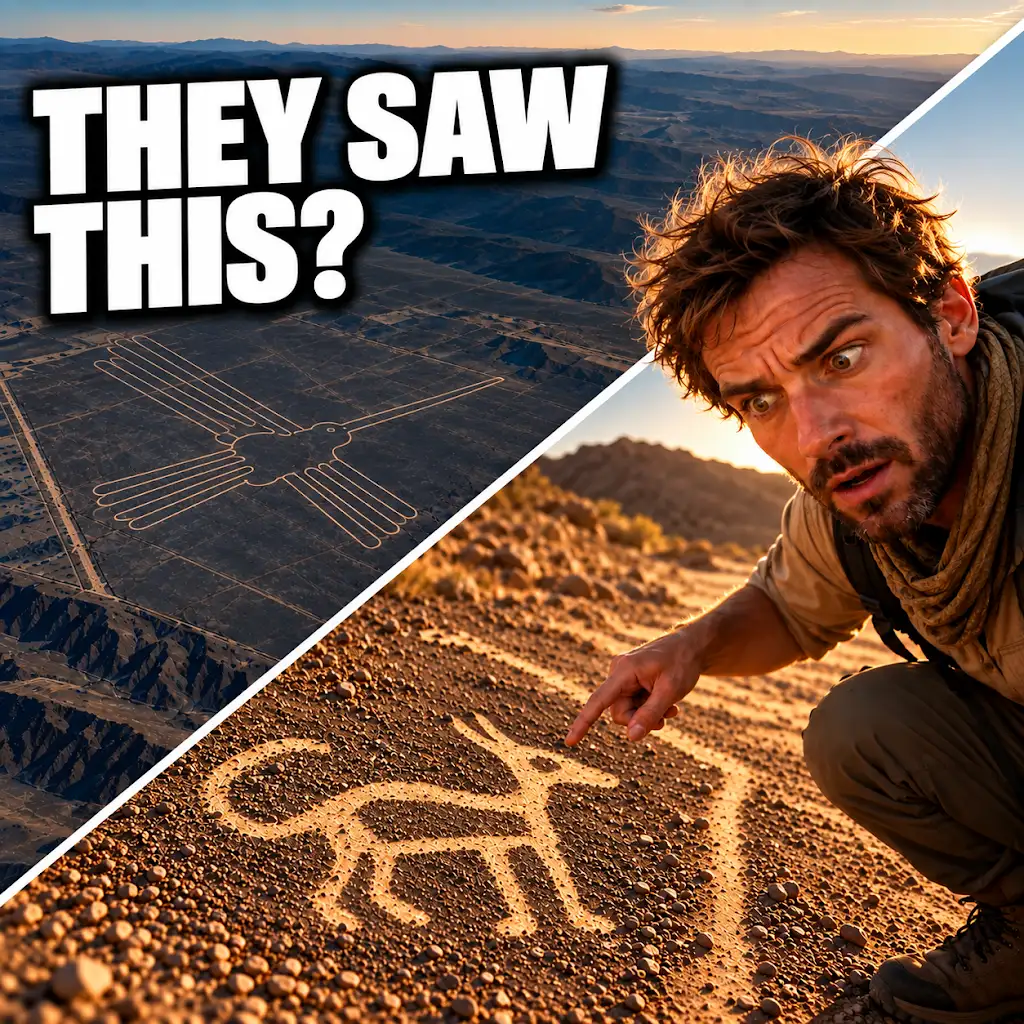
AI Found New Nazca Drawings—Could People See Them from the Ground?
FAQs
What is the Nazca human sacrifice theme path?
The Nazca human sacrifice theme path is a series of geoglyphs found in the Nazca Desert in Peru that depict scenes of ritual human sacrifice.
When were the Nazca human sacrifice theme path geoglyphs created?
The Nazca human sacrifice theme path geoglyphs were created by the ancient Nazca civilization between 200 BCE and 500 CE.
How were the Nazca human sacrifice theme path geoglyphs made?
The Nazca human sacrifice theme path geoglyphs were made by removing the reddish-brown iron oxide-coated pebbles that cover the surface of the Nazca Desert, revealing the lighter-colored earth underneath.
What is the significance of the Nazca human sacrifice theme path geoglyphs?
The Nazca human sacrifice theme path geoglyphs are believed to have served a religious or ceremonial purpose, possibly as a way to communicate with the gods or to commemorate important rituals such as human sacrifices.
Can visitors see the Nazca human sacrifice theme path geoglyphs?
Yes, visitors can see the Nazca human sacrifice theme path geoglyphs by taking a flight over the Nazca Desert or by visiting the observation towers located near the geoglyphs.