The stark, arid plains of Peru’s Nazca Desert have for millennia cradled a testament to ancient human ingenuity and artistic prowess: the Nazca Lines. These colossal geoglyphs, etched into the earth’s surface by the Nazca culture between 500 BCE and 500 CE, depict a breathtaking array of animals, plants, geometric shapes, and human figures, some stretching for hundreds of meters. For centuries, these silent sentinels of the desert remained remarkably preserved, a testament to the unique environmental conditions that have sheltered them. However, in the face of modern challenges, the imperative to preserve these invaluable archaeological wonders has never been more pressing. The delicate balance of the desert ecosystem, coupled with the increasing impact of human activity and climate change, poses a significant threat to the longevity of these ancient masterpieces. Understanding the factors that have historically contributed to their survival, as well as the contemporary risks they face, is crucial for developing effective strategies to ensure their continued existence for future generations.
The Protective Embrace of Aridity
The remarkable preservation of the Nazca Lines is inextricably linked to the exceptionally dry climate of the Nazca region. For over two millennia, this hyper-arid environment has acted as a natural safeguard, shielding the geoglyphs from the erosive forces that would typically degrade such surface features. The scarcity of rainfall, coupled with the low humidity and intense solar radiation, creates a stable environment where the exposed desert pavement, the very medium of the geoglyphs, remains largely undisturbed.
Rain Shadows and Minimal Precipitation
The geography of the region plays a pivotal role in its extreme aridity. Situated in a vast rain shadow cast by the Andes Mountains to the east, the Nazca Desert receives an infinitesimal amount of precipitation. Annual rainfall averages are measured in millimeters, and prolonged droughts, lasting for decades, are not uncommon. This lack of water means that the exposed earth, once the dark, iron-oxide-rich desert pavement is scraped away to reveal the lighter soil beneath, is not subjected to the weathering effects of rain. Water erosion, a primary agent of destruction for exposed archaeological sites globally, is virtually absent in this environment. The few instances of rain that do occur are often brief and infrequent, insufficient to significantly alter the exposed surfaces of the geoglyphs. This consistent dryness prevents the formation of runoff channels, which could otherwise dissect and erode the lines, and inhibits the growth of vegetation that could disrupt their forms.
The Role of Humidity and Decomposers
Beyond the absence of rain, the low humidity levels in the Nazca Desert further contribute to the preservation of the geoglyphs. High humidity can accelerate the decay of organic materials and promote the growth of microorganisms and fungi, which can degrade exposed surfaces. In Nazca, the dry air minimizes these biological processes. The desert soil itself is largely devoid of significant organic matter, further limiting the potential for decomposition. Without the constant presence of moisture, the microscopic organisms that would typically break down exposed soil and rock are largely dormant. This lack of biological activity means that the exposed earth of the geoglyphs remains stable, resisting the slow, insidious processes of decay that would occur in more temperate or humid climates. The exposed earth, essentially a sterile layer, is less susceptible to the biological breakdown that affects many other archaeological sites.
Sunlight’s Double-Edged Sword
While sunlight is a crucial factor in the formation of the desert pavement and the visual contrast of the lines, its role in preservation is more nuanced. The intense solar radiation contributes to the oxidation of the iron in the desert pavement, creating the dark, reddish-brown crust. When this crust is removed, the lighter, unoxidized soil beneath is revealed, creating the distinct lines. The consistent, high levels of sunlight and heat help to bake and harden the exposed soil, making it more resistant to wind erosion. However, prolonged and intense UV radiation can, over extremely long timescales, contribute to the degradation of the exposed minerals. Nevertheless, in the context of the Nazca Desert, the stabilizing effects of dryness and the absence of biological activity far outweigh the potential long-term weathering effects of sunlight. The arid environment essentially creates a frozen moment in time, a testament to the ingenuity of the Nazca people, preserved by the very austerity of their surroundings.
The Nazca drawings, remarkable geoglyphs etched into the arid landscape of Peru, have been remarkably preserved due to the region’s dry climate, which minimizes erosion and degradation. These ancient artworks provide invaluable insights into the culture and beliefs of the Nazca civilization. For a deeper understanding of how environmental factors influence the preservation of historical sites, you might find the article on ancient city planning and its challenges interesting. It discusses various aspects of urban development and preservation in different climates, which can be related to the preservation of the Nazca lines. You can read more about it in this article: The Ancient City Planning Disaster.
Threats to the Ancient Etchings
Despite the protective embrace of its hyper-arid climate, the Nazca Lines are not immune to the ravages of time and, increasingly, human intervention. While natural erosion is a slow and steady force, modern challenges present more immediate and potentially irreversible threats to these iconic geoglyphs. Understanding these multifaceted dangers is the first step in formulating effective conservation strategies.
The Specter of Erosion: Wind and Dust Storms
While the lack of rain is a primary preservative, wind remains a persistent agent of erosion in the Nazca Desert. The vast, open plains are susceptible to strong winds, which can carry abrasive sand and dust particles. These particles, over time, can abrade the exposed soil of the geoglyphs, subtly altering their shapes and potentially blurring their intricate details. Particularly during periods of drought and high winds, dust storms can significantly impact the surface of the lines. These storms can deposit layers of sand onto the geoglyphs, obscuring them and requiring careful removal. Furthermore, the constant movement of sand can lead to the gradual “sanding up” of the lines, diminishing their clarity and definition. The intensity of these winds can also cause the edges of the lines to become less sharp and more rounded. While the Nazca culture likely understood and managed this natural erosive force, modern anthropogenic activities can exacerbate wind patterns and increase the risk of erosion.
The Impact of Human Footprint: Tourism and Infrastructure
The global recognition and awe inspired by the Nazca Lines have unfortunately led to a surge in tourism. While tourism brings economic benefits and raises awareness, it also poses a significant threat. Unregulated access, unauthorized vehicles, and the sheer volume of visitors can lead to direct damage. Tourists, intentionally or unintentionally, can step on and trample the fragile lines, causing immediate physical disruption. The creation of unofficial paths and viewpoints can lead to widespread erosion as foot traffic breaks down the protective desert pavement. Furthermore, the development of infrastructure to support tourism, such as roads, hotels, and viewing platforms, can fragment the archaeological landscape and alter natural wind and water flow patterns, potentially increasing erosion in adjacent areas. The construction of such facilities requires digging and excavation, which can directly impact or destroy portions of the geoglyphs. Even the presence of a large number of people in close proximity can subtly alter the microclimate of the site, though this is a less immediate concern than direct physical damage.
The Shadow of Modern Agriculture and Resource Extraction
The expansion of agriculture into the desert fringes, driven by water scarcity and the need for arable land, presents another significant threat. Irrigation projects, even those located some distance from the geoglyphs, can alter groundwater levels and potentially affect the soil’s stability. Dust generated from agricultural activities, such as plowing and harvesting, can also contribute to wind erosion of the lines. Similarly, resource extraction, whether for mining or other industrial purposes, can lead to landscape alteration, habitat destruction, and increased dust pollution. The construction of access roads for these activities, as well as the establishment of extraction sites, can directly encroach upon or bisect areas containing geoglyphs. The long-term consequences of altering natural landscapes through intensive resource exploitation are often unpredictable and can have cascading effects on the delicate desert ecosystem, ultimately endangering the preservation of the Nazca Lines.
Conservation Strategies in the Desert Crucible

Preserving the Nazca Lines in their arid environment requires a multifaceted approach that balances the need for protection with the realities of climate, geology, and human interaction. Conservation efforts must be both proactive and reactive, employing scientific understanding and strategic interventions to safeguard these ancient marvels.
Monitoring and Documentation: The Foundation of Preservation
The cornerstone of any effective conservation program is meticulous monitoring and documentation. This involves establishing baseline data on the condition of the geoglyphs and tracking any changes over time. Advanced technologies play a crucial role in this process. Aerial photography, including high-resolution satellite imagery and drone surveys, allows for the creation of detailed maps and visual records of the lines. These records can then be compared over time to identify subtle shifts, erosion patterns, or evidence of human impact. Geographic Information Systems (GIS) are invaluable for overlaying different data sets, analyzing spatial relationships, and identifying areas of particular vulnerability. Ground-penetrating radar can be used to assess the subsurface stability of the geoglyphs and identify potential geological issues. Furthermore, detailed photographic and videographic documentation of individual lines and motifs provides an invaluable historical record. This continuous process of observation and recording enables researchers to understand the natural processes affecting the lines and to detect and respond to emerging threats before they cause irreparable damage.
Protection Zones and Access Control
Establishing clearly defined protected zones around the Nazca Lines is a fundamental step in preventing direct human damage. These zones are typically demarcated with physical barriers, signage, and the presence of trained personnel. Access to the geoglyphs is then carefully controlled, restricting entry to authorized researchers, conservationists, and carefully managed tourist groups. The goal is to minimize the number of people and vehicles in direct contact with the fragile surfaces. Designated viewing areas, often elevated platforms or specific observation points, allow visitors to appreciate the scale and artistry of the lines without treading on them. Educational programs are also an integral part of access control, informing visitors about the significance of the Nazca Lines and the importance of responsible tourism. These programs aim to foster a sense of respect and stewardship for the heritage site, encouraging visitors to become advocates for its preservation rather than unintentional agents of its destruction.
Ecological Restoration and Stabilization Techniques
In areas where erosion or human activity has degraded the geoglyphs, ecological restoration and stabilization techniques become essential. This can involve carefully replacing removed desert pavement to protect the exposed soil beneath. Skilled archaeological conservators meticulously collect and reapply the original surface material, mimicking the natural processes that created the lines in the first place. In some cases, where wind erosion is particularly severe, permeable barriers or windbreaks might be strategically placed in areas adjacent to the geoglyphs to reduce wind speed and sand movement. These interventions are designed to be as minimally invasive as possible, using natural materials and techniques that are compatible with the desert environment. The aim is not to artificially recreate the lines but to support their natural preservation by mitigating the most damaging erosive forces. Scientific research into the specific soil composition and microclimates of different sections of the geoglyphs informs these stabilization efforts, ensuring that interventions are tailored to the unique conditions of each area.
The Cultural Significance and Enduring Legacy
The Nazca Lines are far more than just ancient etchings in the desert; they are a profound expression of a lost civilization’s worldview, cosmology, and relationship with their environment. Their enduring legacy lies not only in their artistic merit but also in the enduring mystery and fascination they inspire, prompting ongoing research and cultural dialogue.
Unraveling the Enigma: Theories of Purpose
For decades, scholars and enthusiasts have debated the purpose and meaning behind the creation of the Nazca Lines. Theories range from astronomical observatories, tracking celestial movements and solstices, to ritual pathways used for religious ceremonies, processions, and offerings. Some hypotheses suggest they served as water-related markers in a land of extreme scarcity, guiding rituals to ensure rainfall or appealing to deities for water. Others propose they were part of a complex shamanic cosmology, connecting the earth to the sky and the spirit world. The sheer scale and precision of these geoglyphs, visible only from great heights, have fueled speculation about advanced astronomical knowledge and even extraterrestrial intervention, although mainstream archaeology largely dismisses the latter. Regardless of the definitive answer, the ongoing quest to understand their purpose underscores their profound cultural significance, revealing the Nazca people’s deep connection to their land and the cosmos.
A Window into Ancient Belief Systems
The motifs depicted in the Nazca Lines offer a tantalizing glimpse into the belief systems of this ancient culture. The zoomorphic figures – spiders, hummingbirds, monkeys, lizards, and pelicans – are often rendered with remarkable naturalism, suggesting a deep understanding and reverence for the natural world. These creatures may have held symbolic meaning within their cosmology, perhaps representing deities, spirits, or important natural phenomena. The anthropomorphic figures, such as the famous “Astronaut” or “Spider-Man,” remain particularly enigmatic, hinting at possible shamanic transformations or mythological beings. The geometric designs, including trapezoids, rectangles, and spirals, may have served as ceremonial platforms, landing strips for celestial visitors (in more speculative theories), or simply as abstract representations of cosmic order. The careful placement and alignment of some lines with astronomical events further suggest a sophisticated understanding of the heavens and its influence on their lives.
Inspiring Wonder and Preserving Heritage for the Future
The Nazca Lines continue to captivate the imagination of people worldwide, transcending cultural and temporal boundaries. They serve as a powerful reminder of human creativity, ingenuity, and our enduring desire to make our mark on the world. Their preservation is not merely an archaeological concern but a global imperative. As a UNESCO World Heritage site, they represent a shared human legacy, a testament to the diverse expressions of human civilization across time. The ongoing efforts to protect these ancient drawings in their harsh yet protective desert environment are a testament to our collective responsibility to safeguard such invaluable cultural treasures. The mystery and wonder they evoke inspire continued scientific inquiry, cultural appreciation, and a profound respect for the ancient peoples who left them behind, ensuring their legacy endures for generations to come.
The Nazca drawings, remarkable geoglyphs etched into the arid landscape of Peru, have been preserved for centuries due to the region’s dry climate. This unique environmental condition has allowed these ancient artworks to remain largely intact, offering valuable insights into the culture and beliefs of the Nazca civilization. For those interested in exploring the broader implications of ancient societies and their control over knowledge and power, a related article discusses how elites shaped their communities and maintained authority throughout history. You can read more about this fascinating topic here.
The Future of the Geoglyphs in a Changing World
| Metric | Value | Details |
|---|---|---|
| Location | Nazca Desert, Peru | Arid region in southern Peru |
| Climate Type | Hyper-arid | Extremely dry with minimal rainfall |
| Average Annual Rainfall | Less than 25 mm | Contributes to preservation of geoglyphs |
| Temperature Range | 10°C to 30°C | Moderate temperature fluctuations |
| Preservation Duration | Over 1,500 years | Estimated age of Nazca lines |
| Soil Composition | Iron oxide-coated pebbles | Dark surface layer removed to reveal lighter ground |
| Wind Erosion Rate | Low | Minimal disturbance due to stable wind patterns |
| Human Impact | Controlled access | Efforts to prevent damage and preserve lines |
The long-term survival of the Nazca Lines hinges on our ability to adapt conservation strategies to an ever-changing world. The delicate balance of the desert ecosystem, so crucial to their preservation, is increasingly influenced by global trends, necessitating a forward-looking approach to their stewardship.
Adapting to Climate Variability and Extreme Weather
The hyper-arid nature of the Nazca Desert has been their greatest protector, but climate change introduces a new layer of uncertainty. While the region is expected to remain arid, projections suggest an increase in the frequency and intensity of extreme weather events. This could include more powerful dust storms, unpredictable flash floods (even in an arid region, intense rainfall can cause localized flooding), and prolonged periods of extreme heat. These events could pose new challenges for the structural integrity of the geoglyphs. Conservation efforts must therefore incorporate adaptive management strategies that anticipate and respond to these potential shifts. This might involve developing early warning systems for extreme weather, investing in more robust erosion control measures, and continuously re-evaluating the effectiveness of existing protective infrastructure. Understanding how the soil and its chemical composition react to these changing conditions is also paramount, requiring ongoing scientific research and monitoring.
The Role of Technology in Enhanced Preservation
As technology continues to advance, its application in the preservation of the Nazca Lines will become increasingly vital. Beyond the monitoring and documentation technologies already in use, future innovations could offer even more sophisticated solutions. High-resolution 3D scanning could create incredibly detailed digital replicas, allowing for virtual analysis and even the potential for future digital reconstruction if physical degradation becomes severe. The development of advanced sensors could provide real-time data on soil moisture, temperature, and wind patterns directly at the geoglyph sites, offering immediate alerts for potential threats. AI-powered analysis of aerial imagery could automate the detection of subtle changes and anomalies, enabling faster response times. Furthermore, advancements in materials science might offer new, non-invasive methods for reinforcing or stabilizing fragile sections of the geoglyphs, if and when necessary, ensuring that any interventions are both effective and minimally disruptive to the natural environment.
International Collaboration and Sustainable Tourism
The long-term preservation of the Nazca Lines requires a global commitment. International collaboration among archaeologists, conservationists, governments, and international organizations like UNESCO is essential for sharing knowledge, resources, and best practices. Such collaborations can facilitate the implementation of consistent conservation standards across the site and provide crucial funding for long-term research and protection initiatives. Equally important is the development of truly sustainable tourism models. This involves not only strict access control but also investing in community-based tourism initiatives that directly benefit local populations and incentivize their participation in heritage protection. Educating visitors about the fragility of the site and fostering a culture of respect and responsibility is paramount. By approaching the Nazca Lines with a deep understanding of their historical significance, their environmental context, and the evolving challenges they face, humanity can ensure that these ancient wonders continue to inspire awe and wonder for centuries to come, a silent testament to human achievement etched into the enduring canvas of the desert.
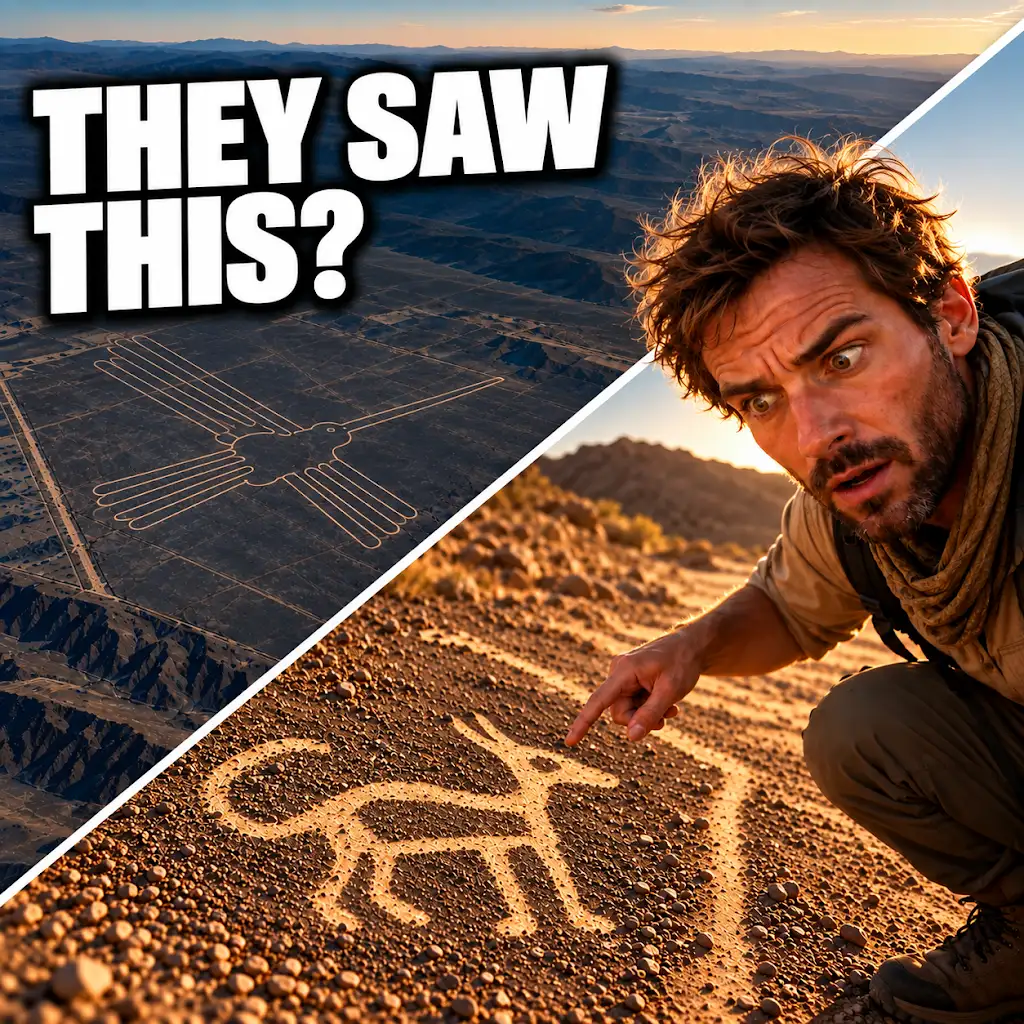
AI Found New Nazca Drawings—Could People See Them from the Ground?
FAQs
What are the Nazca drawings?
The Nazca drawings are a series of ancient geoglyphs located in the Nazca Desert in southern Peru. These large-scale designs were created by removing rocks and earth to reveal the lighter-colored ground beneath.
How were the Nazca drawings preserved?
The Nazca drawings have been remarkably well-preserved due to the extremely dry climate of the Nazca Desert. The lack of rainfall and wind erosion in the region has helped protect these geoglyphs for centuries.
When were the Nazca drawings created?
The Nazca drawings are estimated to have been created between 500 BCE and 500 CE by the ancient Nazca culture. These intricate designs cover an area of nearly 1,000 square kilometers and include various geometric shapes, animals, and plants.
What is the significance of the Nazca drawings?
The Nazca drawings are considered a UNESCO World Heritage Site and are of great archaeological and historical significance. They provide valuable insights into the beliefs, practices, and artistic abilities of the ancient Nazca civilization.
Can visitors see the Nazca drawings?
Yes, visitors can view the Nazca drawings from observation towers or by taking a flight over the Nazca Desert. However, there are strict regulations in place to protect these fragile geoglyphs, and walking on or touching the drawings is strictly prohibited.