
In today’s economy, you may have heard the term “productivity wage gap” being thrown around in discussions about income inequality and economic justice. This concept refers to the growing disparity between the productivity of workers and the wages they receive. Essentially, while you and your fellow workers may be producing more value than ever before, your compensation has not kept pace with that increase.
This gap raises important questions about fairness, economic policy, and the future of work. Understanding this phenomenon is crucial for grasping the broader implications it has on society, the economy, and your own financial well-being. As you delve deeper into this issue, you will find that the productivity wage gap is not merely a contemporary concern; it has roots that stretch back several decades.
By examining its historical context, particularly the economic landscape of the 1970s, you can gain valuable insights into how this gap has evolved and what it means for you today. The interplay of various factors—ranging from economic policies to labor dynamics—has shaped the current state of wages and productivity, making it essential for you to understand these elements as you navigate your own career and financial future.
Key Takeaways
- The productivity wage gap refers to the growing disparity between worker productivity and wage growth since the 1970s.
- Economic shifts in the 1970s, including globalization and technological change, contributed significantly to this gap.
- Factors such as declining union power, changes in labor market policies, and corporate strategies have widened the wage gap.
- The wage gap has negatively affected workers’ living standards and family economic stability over time.
- Addressing the gap today requires informed government policies, renewed labor advocacy, and corporate accountability.
Historical Context: The 1970s Economy
To fully grasp the productivity wage gap, it is important to look back at the economic conditions of the 1970s. This decade was marked by significant shifts in both the labor market and economic policies. You might recall that this period was characterized by stagflation—a combination of stagnant economic growth and high inflation—which posed unique challenges for workers.
As prices soared, many found their purchasing power eroded, leading to widespread discontent among the workforce. The economic turmoil of this era set the stage for a transformation in how wages were determined and how productivity was measured. During the 1970s, you would have witnessed a growing disconnect between productivity gains and wage increases.
While businesses were becoming more efficient and productive due to technological advancements and globalization, workers were not reaping the benefits of these changes. Instead, wages stagnated or even declined for many sectors. This divergence laid the groundwork for the productivity wage gap that continues to affect you and your peers today.
Understanding this historical backdrop is essential for recognizing how past economic policies have shaped current labor dynamics and wage structures.
Factors Contributing to the Productivity Wage Gap
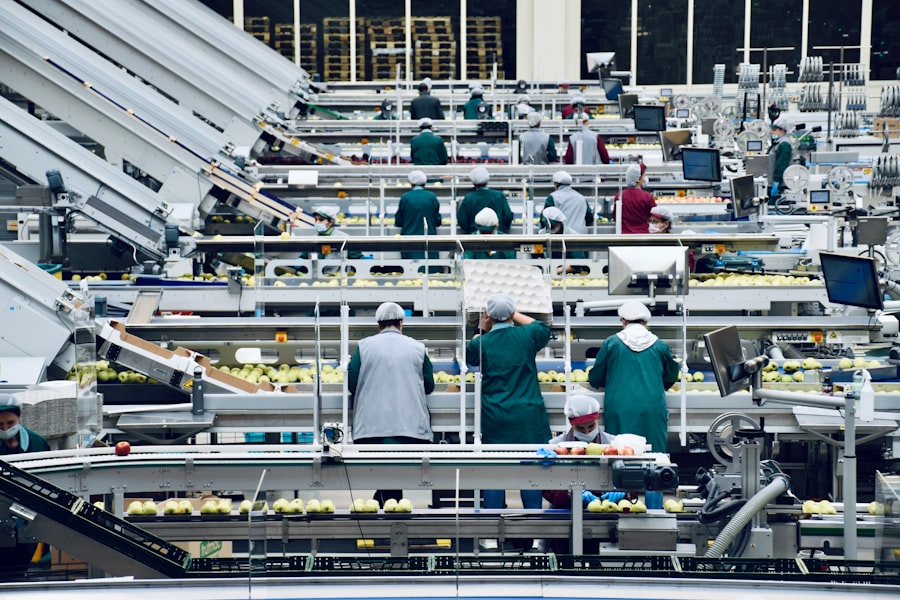
Several factors contribute to the widening productivity wage gap, and as you explore these elements, you may find that they resonate with your own experiences in the workplace. One significant factor is the decline of labor unions, which historically played a crucial role in advocating for fair wages and better working conditions. As union membership has dwindled over the years, workers like you have lost a powerful voice in negotiations with employers.
This decline has made it easier for companies to suppress wage growth, even as productivity continues to rise. Another contributing factor is the shift in corporate priorities towards shareholder value over employee welfare. In recent decades, many companies have focused on maximizing profits for shareholders rather than investing in their workforce.
This shift often results in cost-cutting measures that disproportionately affect employees, such as wage freezes or reductions in benefits. As a worker, you may feel the impact of these corporate strategies firsthand, as they can lead to increased workloads without corresponding increases in pay or job security.
Impact on Workers and Families
| Metric | Description | Value | Unit |
|---|---|---|---|
| Average Weekly Work Hours | Average number of hours worked per week by employees | 38 | Hours |
| Work-Life Balance Satisfaction | Percentage of workers reporting satisfaction with work-life balance | 65 | Percent |
| Parental Leave Usage | Percentage of eligible workers who took parental leave | 72 | Percent |
| Childcare Support Availability | Percentage of companies offering childcare support or benefits | 40 | Percent |
| Employee Stress Levels | Percentage of workers reporting high stress related to job demands | 48 | Percent |
| Family Health Insurance Coverage | Percentage of workers with health insurance covering family members | 85 | Percent |
| Job Security Perception | Percentage of workers feeling secure in their current job | 70 | Percent |
The consequences of the productivity wage gap extend far beyond individual workers; they ripple through families and communities as well. As wages stagnate while productivity rises, you may find it increasingly difficult to make ends meet. The financial strain can lead to stress and anxiety, affecting not only your work life but also your personal relationships and overall well-being.
Families are often forced to make tough choices about spending, saving, and investing in their futures when wages do not reflect the true value of their labor. Moreover, the impact of this gap can perpetuate cycles of inequality. When wages fail to keep pace with productivity, families may struggle to afford basic necessities such as housing, healthcare, and education.
This situation can create barriers for future generations, limiting their opportunities for upward mobility. As you consider your own aspirations and those of your loved ones, it becomes clear that addressing the productivity wage gap is not just an economic issue; it is a matter of social justice that affects everyone.
Government Policies and Legislation
Government policies play a pivotal role in shaping the landscape of wages and productivity. As you examine this aspect of the productivity wage gap, you may notice that legislative decisions have often favored corporate interests over those of workers. For instance, tax cuts for businesses can incentivize companies to prioritize profits rather than investing in their employees.
Additionally, minimum wage laws have not kept pace with inflation or productivity gains, leaving many workers struggling to survive on inadequate pay. In recent years, there has been a growing call for policy reforms aimed at addressing these disparities. You might be aware of movements advocating for higher minimum wages or stronger labor protections that could help bridge the productivity wage gap.
These initiatives seek to empower workers like you by ensuring that your contributions are fairly compensated and that you have a voice in shaping workplace policies. Understanding the role of government in this context can help you advocate for changes that benefit not only yourself but also your community.
Labor Union Involvement
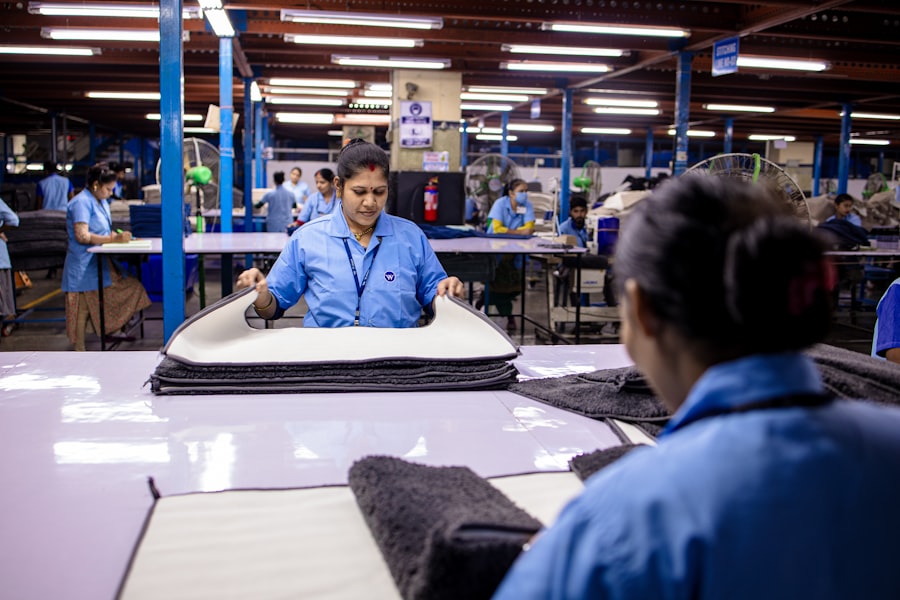
Labor unions have historically been at the forefront of efforts to combat wage disparities and advocate for workers’ rights. As you consider their role in addressing the productivity wage gap, it becomes evident that unions provide a collective voice for employees who might otherwise feel powerless in negotiations with employers. By banding together, workers can demand fair wages, better working conditions, and job security—elements that are crucial for closing the gap between productivity and compensation.
However, as union membership has declined over recent decades, so too has their influence on wage negotiations. You may find it concerning that fewer workers are represented by unions today than in previous generations. This decline has made it more challenging for employees like you to advocate for fair compensation in an increasingly competitive job market.
Revitalizing labor unions could be a key strategy in addressing the productivity wage gap and ensuring that workers receive their fair share of economic growth.
Corporate Responses to the Wage Gap
In response to growing awareness of the productivity wage gap, some corporations have begun to take steps toward addressing this issue within their organizations. You may have noticed companies implementing initiatives aimed at improving employee satisfaction and compensation as part of their corporate social responsibility efforts. These measures can include raising wages, offering better benefits, or investing in employee training programs designed to enhance skills and career advancement opportunities.
However, while some corporations are making strides toward closing the wage gap, others remain resistant to change. You might encounter companies that prioritize short-term profits over long-term investments in their workforce. This reluctance can perpetuate the cycle of stagnating wages despite rising productivity levels.
As a consumer and employee, your choices can influence corporate behavior; supporting businesses that prioritize fair wages and employee well-being can help drive positive change across industries.
Public Awareness and Advocacy
Public awareness plays a crucial role in addressing the productivity wage gap. As more individuals like you become informed about this issue, there is potential for collective action that can lead to meaningful change. Grassroots movements and advocacy groups have emerged to raise awareness about income inequality and push for policies that promote fair wages for all workers.
You may find yourself inspired by these efforts as they highlight the importance of solidarity among workers across different sectors. Social media has also become a powerful tool for raising awareness about the productivity wage gap. Platforms allow individuals to share their stories and experiences related to wage stagnation and economic inequality.
By amplifying these voices, public discourse around this issue can shift toward greater accountability from corporations and policymakers alike. As you engage with these conversations online or in your community, remember that your voice matters; advocating for change can contribute to a larger movement aimed at closing the productivity wage gap.
Comparisons to the Present Day
When comparing the current state of wages and productivity to previous decades, it becomes clear that while some progress has been made, significant challenges remain. You may notice that despite advancements in technology and increased efficiency in many industries, wages have not kept pace with these changes. The disparity between what workers produce and what they earn continues to widen, raising questions about fairness and sustainability in today’s economy.
Moreover, as you reflect on historical trends, it is evident that certain groups—such as women and people of color—have been disproportionately affected by wage stagnation. The intersectionality of race and gender within the context of income inequality highlights systemic issues that require targeted solutions. Understanding these dynamics is essential for advocating for equitable policies that address not only the productivity wage gap but also broader issues of social justice.
Addressing the Productivity Wage Gap Today
Addressing the productivity wage gap requires a multifaceted approach involving various stakeholders—workers, employers, policymakers, and advocacy groups alike. As you consider potential solutions, it becomes clear that raising awareness about this issue is just the first step; concrete actions must follow to create lasting change. You might support initiatives aimed at increasing minimum wages or advocating for stronger labor protections that empower workers like yourself.
Additionally, fostering collaboration between businesses and labor organizations can lead to innovative solutions that benefit both employees and employers. By prioritizing fair compensation practices and investing in employee development programs, companies can create a more equitable workplace while also enhancing their bottom line. As an engaged worker or consumer, your participation in these discussions can help shape a more just economy where everyone has an opportunity to thrive.
Lessons from the 1970s
Reflecting on the lessons from the 1970s provides valuable insights into how we can address today’s productivity wage gap effectively. The economic challenges faced during that decade serve as a reminder of the importance of worker solidarity and advocacy for fair wages. As you navigate your own career path or engage with your community on issues related to income inequality, remember that history has much to teach us about resilience and collective action.
Ultimately, closing the productivity wage gap requires commitment from all sectors of society—workers must advocate for their rights while employers must recognize the value of investing in their workforce. By learning from past experiences and working together toward equitable solutions, you can contribute to a future where hard work is rewarded fairly and everyone has an opportunity to succeed.
WATCH THIS! The American Dream Was a Lie: The Quiet Economic Collapse You Can’t See