
The rise of remote work has fundamentally altered the landscape of the housing market, creating a ripple effect that is felt across various sectors. As more companies embrace flexible work arrangements, employees are no longer tethered to their offices, allowing them to reconsider where they live. This newfound freedom has led to significant changes in housing preferences, demand, and even pricing structures.
You may find yourself contemplating how these shifts could affect your own living situation or investment strategies. The COVID-19 pandemic acted as a catalyst for this transformation, pushing many organizations to adopt remote work policies almost overnight. As a result, individuals began to reassess their living environments, seeking homes that better align with their new lifestyles.
The implications of this shift are profound, influencing everything from urban planning to real estate investment opportunities. Understanding these changes is crucial for anyone looking to navigate the evolving housing market effectively.
Key Takeaways
- Remote work has significantly altered housing preferences, increasing demand for suburban and spacious homes.
- There is a notable rise in the need for dedicated home office spaces within residences.
- Urban housing markets face challenges, while suburban and rural areas experience growth due to migration patterns.
- The rental market is influenced by shifting demand, with some urban rentals declining and suburban rentals gaining popularity.
- Real estate investors have new opportunities arising from changes in housing demand and the rise of second home purchases.
Changes in Housing Preferences
As remote work becomes a permanent fixture for many, housing preferences have shifted dramatically. You might notice that people are increasingly prioritizing space and comfort over proximity to urban centers. The desire for larger homes with dedicated workspaces has surged, as individuals seek environments conducive to productivity and well-being.
This trend has led many to explore properties that offer more than just a roof over their heads; they are now looking for homes that can accommodate their evolving lifestyles. Additionally, outdoor space has become a significant factor in housing preferences. With the pandemic highlighting the importance of fresh air and nature, many are now seeking homes with gardens, balconies, or access to parks.
You may find that buyers are willing to compromise on other amenities if it means securing a property with outdoor space. This shift reflects a broader desire for a balanced lifestyle, where work and leisure can coexist harmoniously within the home environment.
Shifts in Housing Demand
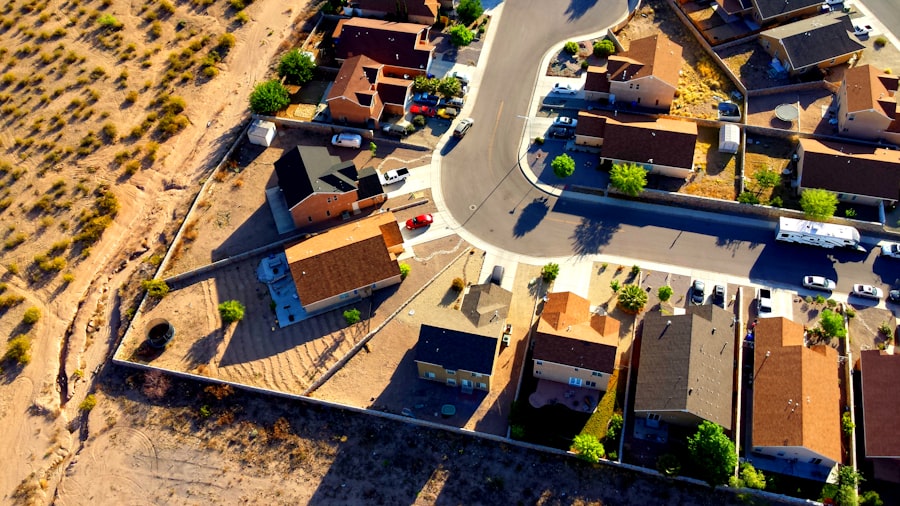
The demand for housing has experienced notable shifts as remote work continues to reshape the market. You may observe that suburban and rural areas are witnessing an influx of buyers who previously lived in urban settings. The appeal of lower housing costs and more spacious living conditions has drawn many individuals and families away from crowded cities.
This trend is not just a fleeting moment; it represents a significant reallocation of demand that could have lasting implications for the housing market. Moreover, the demand for rental properties has also evolved. With many people opting for flexibility in their living arrangements, you might find that short-term rentals and flexible lease options are becoming increasingly popular.
This shift reflects a broader desire for adaptability in an uncertain world, as individuals seek to maintain their mobility while still enjoying the comforts of home. As you navigate this changing landscape, understanding these demand shifts will be essential for making informed decisions.
The impact of remote work on urban versus suburban housing markets is particularly pronounced. You may notice that urban areas, once bustling with activity and high demand, are experiencing a slowdown as people migrate to suburban locales. The allure of city life has diminished for some, as the need for daily commutes has lessened.
This shift has led to a decrease in demand for apartments and smaller homes in urban centers, resulting in price adjustments and increased vacancy rates. Conversely, suburban markets are thriving as families and individuals seek more space and affordability. You might find that homes in these areas are selling faster than ever, often at competitive prices.
The appeal of larger properties with yards and community amenities has made suburban living increasingly attractive. As you consider your own housing options or investment strategies, it’s essential to recognize these contrasting trends and how they may influence your decisions.
Rise in Home Office Space
| Year | Percentage of Homes with Dedicated Office Space | Average Size of Home Office (sq ft) | Increase in Home Office Furniture Sales (%) | Remote Work Adoption Rate (%) |
|---|---|---|---|---|
| 2018 | 15% | 80 | 5% | 20% |
| 2019 | 18% | 85 | 7% | 25% |
| 2020 | 35% | 110 | 40% | 60% |
| 2021 | 40% | 115 | 45% | 65% |
| 2022 | 42% | 120 | 50% | 68% |
| 2023 | 45% | 125 | 55% | 70% |
One of the most significant changes brought about by remote work is the increased emphasis on home office space. You may find that buyers are now prioritizing homes with dedicated workspaces or flexible layouts that can accommodate a home office setup. This trend reflects a broader recognition of the importance of having a functional and comfortable workspace within the home environment.
As you explore potential properties, you might notice that homes featuring built-in desks, soundproof rooms, or even separate entrances for home offices are becoming highly sought after. This shift not only enhances productivity but also contributes to a better work-life balance. The rise in demand for home office space is likely to influence future home designs and renovations, making it an essential consideration for both buyers and sellers in the current market.
Influence on Rental Market
The rental market has also felt the effects of remote work, leading to significant changes in tenant preferences and landlord strategies. You may observe that renters are increasingly seeking properties that offer flexibility and amenities conducive to remote work. Features such as high-speed internet access, communal workspaces, and proximity to parks or recreational areas have become essential selling points for rental properties.
Additionally, the demand for short-term rentals has surged as people look for temporary living arrangements while they navigate their new work situations. You might find that landlords are adapting by offering flexible lease terms or converting traditional long-term rentals into short-term options to cater to this evolving market. As you consider your own rental options or investment opportunities, understanding these trends will be crucial for making informed decisions.
Migration Patterns and Housing

The migration patterns resulting from remote work have reshaped the housing landscape in profound ways. You may notice that individuals are relocating from high-cost urban areas to more affordable regions, seeking better quality of life without sacrificing career opportunities. This trend has led to increased demand in previously overlooked markets, driving up property values in suburban and rural areas.
As you explore these migration patterns, it’s essential to consider how they may impact local economies and housing availability. Communities that welcome remote workers may experience growth in local businesses and services, while those that do not adapt could face challenges related to housing supply and affordability. Understanding these dynamics will be vital as you navigate your own housing choices or investment strategies.
Impact on Housing Affordability
The impact of remote work on housing affordability is multifaceted and complex. You may find that while some areas experience rising property values due to increased demand, others may see stagnation or decline as urban centers become less desirable. This divergence can create opportunities for buyers seeking affordable housing options outside traditional markets.
However, the influx of remote workers into suburban and rural areas can also strain local housing markets, leading to increased competition and higher prices. As you consider your own housing situation or investment plans, it’s crucial to stay informed about local market conditions and affordability trends. Understanding how remote work influences these dynamics will help you make more strategic decisions in an ever-evolving landscape.
Rise in Second Home Purchases
The rise of remote work has also contributed to an increase in second home purchases as individuals seek vacation properties or alternative living arrangements. You may notice that many people are investing in second homes as a way to escape urban life while still maintaining their primary residences. This trend reflects a desire for flexibility and leisure, allowing individuals to enjoy a change of scenery without sacrificing their professional commitments.
As you explore this trend, consider how it may impact local real estate markets in popular vacation destinations or rural areas. Increased demand for second homes can drive up property values and create opportunities for investors looking to capitalize on this growing market segment. Understanding the motivations behind second home purchases will be essential as you navigate your own real estate decisions.
Opportunities for Real Estate Investors
The evolving landscape of remote work presents numerous opportunities for real estate investors looking to capitalize on changing market dynamics. You may find that investing in properties located in suburban or rural areas can yield significant returns as demand continues to rise. Additionally, properties designed with home office spaces or flexible layouts are likely to attract buyers and renters alike.
Moreover, the shift towards short-term rentals offers another avenue for investment potential. As more people seek temporary living arrangements while working remotely, you might consider exploring opportunities in the vacation rental market or converting traditional rentals into short-term options. By staying attuned to these trends and adapting your investment strategies accordingly, you can position yourself for success in an ever-changing real estate landscape.
Future Predictions for Remote Work and Housing Market
Looking ahead, the future of remote work and its impact on the housing market remains uncertain yet promising. You may anticipate that hybrid work models will become increasingly common, allowing individuals greater flexibility in their living arrangements while still maintaining connections to urban centers. This evolution could lead to further shifts in housing preferences and demand as people continue to seek balance between work and personal life.
As you consider your own housing choices or investment strategies, staying informed about emerging trends will be crucial for navigating this dynamic landscape effectively. The interplay between remote work and housing will likely continue to evolve, presenting both challenges and opportunities for those willing to adapt. By understanding these changes and anticipating future developments, you can position yourself advantageously in the ever-evolving world of real estate.
WATCH THIS! The American Dream Was a Lie: The Quiet Economic Collapse You Can’t See