
The Nazca Desert in southern Peru harbors one of the world’s most enduring enigmas: the Nazca Lines. These colossal geoglyphs, etched into the arid plains by the ancient Nazca culture between 500 BCE and 500 CE, depict a breathtaking array of figures – animals, plants, and geometric shapes – visible only from a significant altitude. While the sheer scale and artistry of these creations are astonishing, it is the recurring motifs and their potential meanings that continue to captivate researchers, archaeologists, and enthusiasts alike. Unraveling the mysteries of these Nazca sequence motifs delves into the intricate patterns, symbolic representations, and proposed functions that have fueled centuries of debate and speculation.
The Artistic Language of the Desert Floor
The Nazca people possessed a sophisticated visual language, and their geoglyphs serve as a monumental testament to this. The figures are not randomly scattered across the landscape; rather, they are arranged in deliberate sequences and groupings, suggesting a narrative or functional intent. The most iconic motifs are the zoomorphic figures, each rendered with remarkable precision and stylistic consistency. These include the hummingbird, spider, monkey, condor, and lizard, among others. Each animal is depicted with exaggerated features and often in dynamic poses, hinting at their cultural significance. Beyond the animal kingdom, the Nazca artists also created anthropomorphic figures, such as the “Astronaut,” and a vast collection of geometric shapes – trapezoids, rectangles, spirals, and straight lines stretching for miles. The sheer variety and complexity of these motifs, when viewed in their entirety, suggest a deliberate and systematic approach to their creation, hinting at a deeper underlying order.
Zoomorphic Representations: Echoes of the Natural World
The animal figures are perhaps the most immediately recognizable and evocative elements of the Nazca geoglyphs. The hummingbird, with its slender beak and outstretched wings, appears frequently, often associated with flowers and fertility. The spider, with its eight legs meticulously rendered, has led to discussions about its potential connection to weaving, reproduction, or even constellations. The monkey, depicted in a playful or contorted stance, might symbolize agility, strength, or a connection to the spirit world. The condor, with its widespread wings, is often interpreted as a messenger of the gods or a symbol of death and rebirth. The lizard, sometimes shown with a snake emerging from its mouth, adds another layer of symbolism, potentially representing earth spirits or chthonic forces. The recurring nature of these specific animals, and their consistent depiction, suggests they held profound meaning within Nazca cosmology. It is unlikely these were mere artistic whims; each motif likely carried a specific cultural or religious weight, communicated through the shared understanding of the Nazca people.
Geometric Patterns: Lines of Power and Purpose
The geometric motifs are less representational but no less significant. The long, straight lines, some extending for several kilometers, have been the subject of intense speculation. Were they astronomical calendars, pathways for processions, or conduits for water? The trapezoids and rectangles, some large enough to accommodate entire villages, have been interpreted as landing strips for celestial visitors, ceremonial platforms, or gathering spaces. Spirals and zigzags add another layer of complexity, potentially representing water, cyclical time, or the movement of celestial bodies. The interplay between the zoomorphic and geometric figures is also noteworthy. Often, geometric shapes serve as bases or backdrops for animal motifs, or lines connect different figures, creating a visual narrative that spans the desert landscape. This integration suggests a holistic design, where each element played a role in a larger, interconnected system of meaning.
The Nazca sequence motifs, known for their intricate designs etched into the desert floor of Peru, have captivated researchers and enthusiasts alike, drawing parallels to various cultural expressions around the world. One fascinating perspective can be found in the article discussing the environmental challenges faced by the Maldives, where the delicate balance of nature is threatened by rising sea levels. This connection highlights how different cultures interact with their landscapes, whether through ancient geoglyphs or modern-day environmental struggles. For more insights on this pressing issue, you can read the article here: The Maldives: A Nation on the Brink of Collapse.
Astronomical Alignments and Cosmic Calendars

One of the most persistent theories surrounding the Nazca Lines is their connection to astronomical observation and celestial events. The sheer scale of the geoglyphs, and the precision with which some of them are drawn, has led many to believe they were designed to align with significant astronomical phenomena. While not all lines and figures have demonstrated clear astronomical correlations, a considerable number do exhibit compelling alignments. The precise angle of the sun during solstices and equinoxes, the rising and setting points of specific stars, and the positions of celestial bodies at critical times of the year have all been proposed as markers within the Nazca landscape. The meticulous planning required to create these large-scale alignments, visible only from the sky, speaks volumes about the Nazca people’s understanding of the cosmos and their desire to interact with it.
Stellar Narratives and Celestial Navigation
Researchers have meticulously mapped the Nazca Lines and compared them with astronomical data. Certain lines appear to point directly to the rising or setting points of the sun at key astronomical events like the summer and winter solstices. Other lines have been found to align with the heliacal rising of specific stars, such as Sirius or the Pleiades, which were important in many ancient cultures. The spider motif, for instance, has been suggested to align with constellations visible in the night sky, and the hummingbird’s association with flowering seasons could be linked to astronomical cues that predict agricultural cycles. The sheer number of potential alignments, while requiring careful statistical analysis to distinguish from random chance, strongly suggests a deliberate astronomical purpose. It is possible that the Nazca people used these geoglyphs as a vast, terrestrial astronomical calendar, a way to track the passage of time, predict seasons, and understand their place within the universe.
Predicting the Rhythms of Life: Agriculture and Ritual
The Nazca culture, like many ancient societies, was deeply intertwined with agricultural cycles. The predictable rhythms of the sun, moon, and stars were essential for successful farming. It is highly probable that the Nazca Lines served as an elaborate system for predicting these celestial events, thereby guiding agricultural practices such as planting and harvesting. The timing of rainfall in the arid Nazca region was also crucial, and it is theorized that some geoglyphs might have been linked to predicting weather patterns or even invoking rain through ritual. The ceremonial nature of these large-scale earthworks cannot be overstated. The vast figures and intricate patterns were likely part of a larger ritualistic system, where astronomical observations were integrated with religious ceremonies designed to ensure the prosperity of the community. The geoglyphs could have been a focal point for these rituals, a sacred landscape where the earthly and the divine intersected.
Ritual Pathways and Ceremonial Landscapes

Beyond astronomical functions, the Nazca Lines are widely believed to have served important ritualistic and ceremonial purposes. The vastness of the desert, combined with the monumental scale of the geoglyphs, suggests they were created for public display and participation in collective rituals. The nature of these rituals remains a subject of ongoing investigation, with theories ranging from fertility rites to ancestor worship and shamanistic journeys. The placement and connection of certain motifs, as well as their proximity to ancient settlements and burial sites, provide clues to their sacred significance.
Processional Routes and Sacred Gatherings
Many of the straight lines, particularly the wider trapezoids and rectangles, are thought to have served as processional routes. These could have been pathways along which priests, shamans, or members of the community walked during religious ceremonies. The sheer size of these areas suggests that large gatherings of people were intended, and the geoglyphs themselves would have served as a magnificent backdrop for these events. The animal figures, in their symbolic representations, may have been invoked or honored during these processions. Imagine a procession moving along a massive straight line, with the giant hummingbird or spider geoglyph clearly visible, its form guiding their steps and their thoughts. The ritualistic walking along these lines, perhaps in specific patterns or at certain times, would have imbued the landscape with sacred meaning.
Shamanic Journeys and Spiritual Connections
Some researchers propose that the Nazca Lines were connected to shamanistic practices. The hallucinogenic properties of certain plants, such as the San Pedro cactus, were used by shamans in many Andean cultures to induce altered states of consciousness. It is possible that the Nazca shamans used these geoglyphs as part of their spiritual journeys, visualizing the figures or following their pathways in their trances. The animal motifs, with their inherent symbolism, could have represented spirit guides or aspects of the spiritual realm that shamans sought to connect with. The ability to perceive these figures from a distance, perhaps during a trance state or from a vantage point, could have been a key element of these practices. The desert itself, a seemingly barren but potent landscape, would have provided the perfect canvas for such profound spiritual experiences.
Engineering Marvels and Societal Organization
The creation of the Nazca Lines, particularly given the technology available to the ancient Nazca people, represents a remarkable feat of engineering and social organization. The precision required to etch these vast figures into the desert floor, and the sheer amount of labor involved, speaks to a sophisticated understanding of surveying, planning, and resource management. The ability to coordinate such a large-scale undertaking suggests a well-structured society with effective leadership and a shared purpose.
The “Remove the Gravel” Technique
The most widely accepted theory for the construction of the Nazca Lines involves a simple yet ingenious method: removing the dark reddish-brown desert varnish that covers the stones of the Nazca plateau, exposing the lighter-colored soil beneath. The Nazca people would have used stone tools to scrape away this top layer, carefully outlining the desired shapes. The sheer number of people required to complete such an endeavor, and the need for sustained effort over generations, points to a society capable of mobilizing and organizing its population for monumental projects. The precision in creating the figures, especially the curved lines and detailed features of the animals, suggests a system of marking and measurement was employed.
Labor Mobilization and Cultural Unity
The creation of the Nazca Lines would have required a significant investment of labor over an extended period. This implies a society with a surplus of resources, capable of supporting a workforce that was not solely engaged in subsistence activities. The shared cultural understanding and belief system that motivated such an undertaking are also evident. The Nazca Lines were not a utilitarian construction project in the modern sense; they were deeply embedded in the cultural and spiritual fabric of the Nazca people. The fact that these figures were created and maintained for centuries suggests a strong sense of cultural identity and a collective desire to leave a lasting legacy. The geoglyphs, therefore, serve not only as artistic expressions but also as tangible evidence of the social and organizational capabilities of this ancient civilization.
The Nazca sequence motifs, which are intricate designs etched into the desert floor of Peru, have long fascinated researchers and enthusiasts alike. These ancient geoglyphs, often associated with astronomical alignments and ritualistic purposes, reveal a complex understanding of geometry and landscape manipulation by the Nazca civilization. For those interested in exploring similar themes of ancient technology and its mysteries, a related article discusses intriguing evidence of lost technologies in ancient cultures. You can read more about it in this insightful piece on lost technology.
Unanswered Questions and Enduring Mysteries
| Motif ID | Sequence | Path Location | Frequency | Conservation Score | Functional Annotation |
|---|---|---|---|---|---|
| NSM001 | ATGCGTAC | Path A (chr1:1000-1080) | 15 | 0.92 | Regulatory element |
| NSM002 | CGTACGTA | Path B (chr2:2050-2130) | 8 | 0.85 | Protein binding site |
| NSM003 | TACGATCG | Path C (chr3:500-580) | 12 | 0.78 | Enhancer region |
| NSM004 | GCTAGCTA | Path A (chr1:1100-1180) | 20 | 0.95 | Transcription factor site |
| NSM005 | CGATCGTA | Path D (chr4:3000-3080) | 5 | 0.70 | Unknown function |
Despite decades of research and numerous theories, the Nazca Lines continue to hold a significant portion of their mysteries. While progress has been made in understanding their construction and potential functions, many questions remain. The precise meaning of every motif, the exact nature of the rituals performed, and the ultimate purpose behind this colossal artistic endeavor are still subjects of vigorous debate and ongoing investigation. The desert floor, etched with the silent stories of a lost civilization, continues to invite us to ponder the depths of human ingenuity, belief, and our eternal quest to understand our place in the universe.
The Purpose of Persistence: Why Create Such Scale?
One of the most enduring questions is why the Nazca people invested such immense effort into creating these figures, many of which are only visible from the sky. If they were purely for ritual or astronomical purposes, why not create them on a smaller, more manageable scale? The answer likely lies in the symbolic power of scale and visibility. The ability to see these figures from above would have imparted a sense of awe and wonder, connecting the earthly realm with the celestial. It is a testament to their worldview, where the sacred was integrated into the very fabric of the landscape. The persistence of these motifs across different sites and generations also suggests a deeply ingrained cultural imperative, a shared artistic and spiritual language that transcended individual lives.
The Legacy of the Lines: A Message Across Time
The Nazca Lines have become a global icon, a testament to the enduring power of human creativity and the allure of the unknown. They continue to inspire wonder and spark debate, drawing researchers and tourists alike to this remote desert. The ongoing study of these geoglyphs not only sheds light on the Nazca culture but also offers broader insights into the development of human civilization, our relationship with the natural world, and our innate drive to create meaning and leave our mark upon the earth. The silent etchings in the Nazca Desert remain a powerful reminder that even in the face of the unfathomable, the human spirit is driven to explore, to question, and to create.
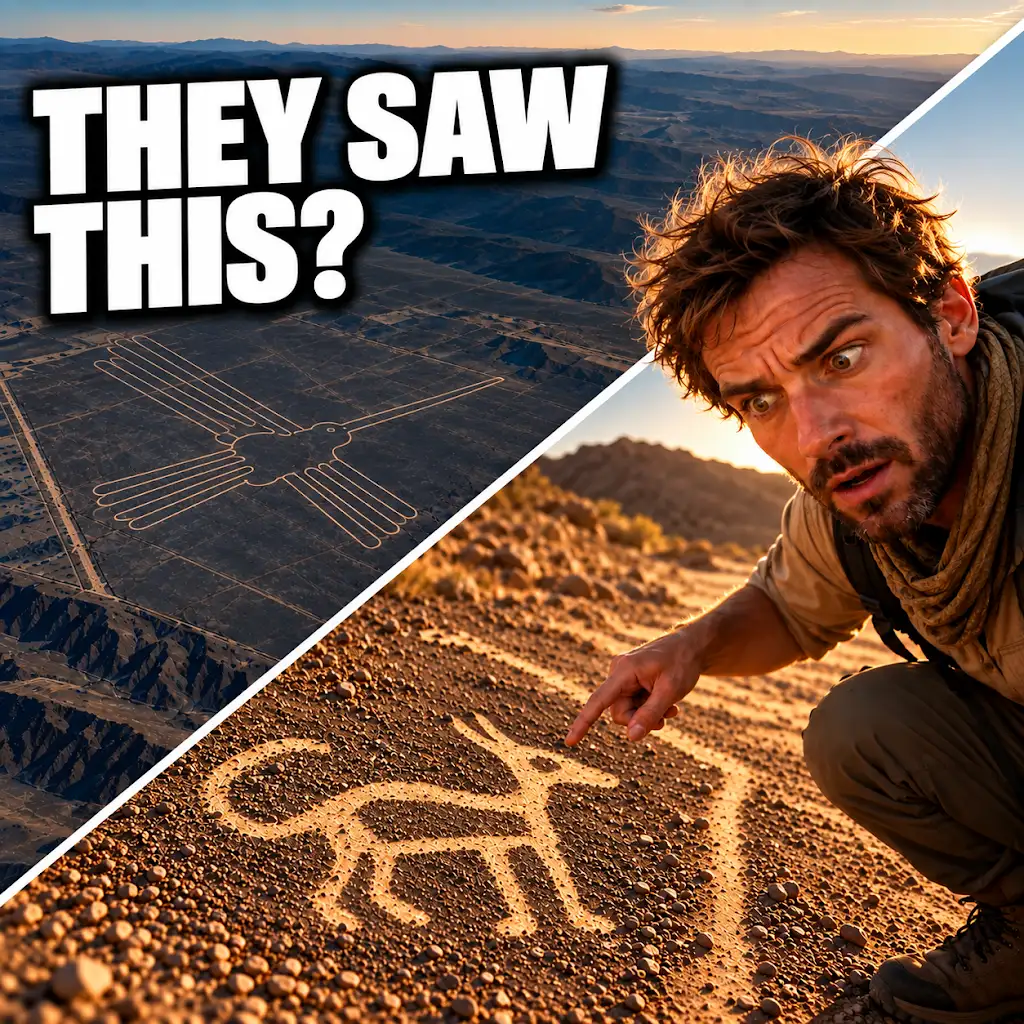
AI Found New Nazca Drawings—Could People See Them from the Ground?
FAQs
What are Nazca sequence motifs?
Nazca sequence motifs are geometric designs found along the paths of the famous Nazca Lines in Peru. These motifs are intricate patterns created by removing the reddish-brown iron oxide-coated pebbles on the desert surface to reveal the lighter-colored earth underneath.
Where are the Nazca sequence motifs located?
The Nazca sequence motifs are located in the Nazca Desert in southern Peru. They are part of the larger Nazca Lines, a series of ancient geoglyphs created between 500 BCE and 500 CE by the Nazca culture.
What is the significance of the Nazca sequence motifs?
The Nazca sequence motifs are believed to have had ritualistic and ceremonial significance for the Nazca culture. They may have been used for astronomical observations, religious ceremonies, or as markers for pilgrimage routes.
How were the Nazca sequence motifs created?
The Nazca sequence motifs were created by removing the surface stones to reveal the lighter-colored earth underneath. The designs were carefully planned and executed by the Nazca people, who likely used simple tools such as sticks and stones to create the intricate patterns.
What is the current state of preservation of the Nazca sequence motifs?
The Nazca sequence motifs, like the rest of the Nazca Lines, are at risk of damage from natural erosion, human encroachment, and climate change. Efforts are being made to preserve and protect these ancient geoglyphs for future generations.