Yamagata Announces Nazca 2025 Geoglyphs
The world of archaeology and ancient mysteries is abuzz with the groundbreaking announcement made by the Yamagata Institute for Pre-Columbian Studies. In a press conference held earlier this week, Dr. Aris Thorne, lead researcher for the institute, unveiled preliminary findings that suggest the discovery of new, previously unknown geoglyphs in the Nazca Desert of Peru. Dubbed “Nazca 2025 Geoglyphs” for the anticipated year of significant research progress, these intricate designs, etched into the arid plains centuries ago, promise to rewrite our understanding of the Nazca culture and their remarkable artistic and astronomical achievements. The announcement, delivered with palpable excitement, comes after years of meticulous aerial surveys and ground-truthing expeditions in a region already famous for its enigmatic figures.
Unveiling the Desert’s Secrets
The Nazca Desert, a vast expanse of arid land in southern Peru, has long captivated the human imagination. Home to the iconic Nazca Lines – enormous geoglyphs depicting animals, plants, and geometric shapes – the region has been a source of endless speculation regarding their purpose and creators. For decades, archaeologists, astronomers, and enthusiasts have debated whether these ancient etchings served as astronomical calendars, ritual pathways, or even landing strips for extraterrestrial visitors. The Yamagata Institute, renowned for its rigorous scientific approach to ancient civilizations, has been at the forefront of Nazca research for over fifteen years. Their latest findings, though still in their nascent stages, suggest that the desert’s secrets are far from exhausted.
The Genesis of Discovery
The Nazca 2025 Geoglyphs were not stumbled upon by chance. They are the result of a deliberate, multi-year research project employing cutting-edge technology and a deep understanding of the Nazca landscape. The Yamagata team, under the guidance of Dr. Thorne, initiated a comprehensive aerial survey program utilizing high-resolution drone imagery and advanced satellite technology. This systematic approach allowed them to systematically scan previously under-explored areas of the desert, areas that were either too remote or too visually subtle to be easily identified from traditional manned aircraft or ground observation.
The initial detection of anomalies occurred during routine image analysis. Sophisticated algorithms, designed to identify subtle variations in soil coloration and texture that could indicate human-made patterns, flagged several areas of interest. These flagged regions were then subjected to more intensive investigation. Ground teams, equipped with GPS, surveying equipment, and an intimate knowledge of the local terrain, were dispatched to verify these digital anomalies. It was on one of these expeditions, in a remote and relatively undisturbed section of the desert, that the first definitive evidence of a new geoglyph emerged.
The First Glimpse of the Unknown
The first geoglyph identified as part of the Nazca 2025 initiative is described by Dr. Thorne as a “serpentine figure of immense scale.” While the exact dimensions are still being meticulously measured, early estimates place its length in the hundreds of meters. What sets this new figure apart, according to the institute, is its intricate detail and novel stylistic elements. Unlike some of the more stylized and abstract representations found in the well-known Nazca Lines, this newly discovered geoglyph exhibits a fluidity and realism that has surprised the research team. Preliminary analysis suggests it may depict a mythological serpent or a celestial dragon, common motifs in Andean cosmology, but rendered with an unprecedented level of artistic sophistication.
The execution of the geoglyph involved the removal of darker, iron-rich surface pebbles to expose the lighter soil beneath, a technique consistent with the creation of other Nazca Lines. However, the precision of the lines and the subtle variations in width and depth suggest a highly skilled artisan or group of artisans were at work. The team has also noted the presence of what appear to be auxiliary lines and smaller accompanying figures, hinting at a more complex narrative or symbolic meaning than initially anticipated. This initial discovery has spurred the team to intensify their search in adjacent areas, leading to the identification of several other promising sites.
The recent announcement regarding the Nazca 2025 Yamagata geoglyphs has sparked significant interest in ancient civilizations and their enigmatic creations. This development draws parallels to other fascinating archaeological discoveries, such as the Baghdad Battery, which has intrigued researchers and enthusiasts alike. For more insights into ancient technologies and their potential purposes, you can read the article on the Baghdad Battery here: Unlocking the True Purpose of the Baghdad Battery.
Deciphering the New Designs
The discovery of new geoglyphs is only the first step. The true challenge, and the ultimate goal of the Yamagata Institute, lies in deciphering their meaning and understanding their context within Nazca society. The Nazca 2025 Geoglyphs, while bearing similarities to their more famous predecessors, also present unique characteristics that demand careful interpretation.
Stylistic Innovations and Iconography
One of the most striking aspects of the newly discovered geoglyphs is their stylistic divergence. While the classic Nazca monkey, hummingbird, and spider are instantly recognizable, the Nazca 2025 figures appear to lean towards more abstract or perhaps more narrative representations. Dr. Thorne hinted at the discovery of a geoglyph that, from preliminary interpretations, might depict a procession or a ritual scene. The figures within this potential scene are more humanoid in form, adorned with what appear to be elaborate headdresses and garments, and are depicted in motion, engaged in an activity that is currently unknown.
The institute is also investigating the possibility of astronomical alignments. The Nazca Lines are widely believed to have astronomical significance, with many aligning with solstices and other celestial events. Early indications suggest that some of the Nazca 2025 Geoglyphs may also possess such alignments, potentially offering new insights into the Nazca people’s understanding of the cosmos and their calendar systems. The scale and complexity of these new figures might indicate a more sophisticated or perhaps a later stage of Nazca astronomical observation and representation.
The Role of Technology in Interpretation
The Yamagata Institute is leveraging a suite of advanced technologies to aid in the interpretation of the Nazca 2025 Geoglyphs. Beyond high-resolution aerial imaging, they are employing Geographic Information Systems (GIS) for detailed topographical analysis and spatial mapping. This allows them to create precise 3D models of the geoglyphs, revealing subtle contours and relationships between different elements that might be missed in two-dimensional representations.
Furthermore, the institute is utilizing ground-penetrating radar (GPR) in targeted areas. While the geoglyphs themselves are surface features, GPR can help identify any subsurface anomalies, such as the remains of pathways, ceremonial platforms, or even associated artifacts, that might shed light on the rituals and activities connected to their creation and use. Spectrographic analysis of the exposed soil is also being conducted to determine the exact mineral composition and dating possibilities. The integration of these technologies promises to provide a more holistic and scientifically robust understanding of these ancient artworks.
Rethinking Nazca Culture

The implications of the Nazca 2025 Geoglyphs extend far beyond mere additions to the existing roster of ancient art. They have the potential to fundamentally alter our perceptions of Nazca society, their beliefs, and their capabilities. The increased complexity and apparent narrative elements suggest a culture with a richer and more nuanced worldview than previously understood.
The recent announcement regarding the Nazca 2025 Yamagata geoglyphs has sparked significant interest among researchers and enthusiasts alike, as these ancient designs continue to reveal mysteries about the cultures that created them. For those looking to delve deeper into the enigmatic world of geoglyphs and their historical context, a related article offers fascinating insights into similar discoveries. You can explore more about these intriguing findings in this article on uncovering the secrets of the desert vault, which highlights the connections between various ancient civilizations and their artistic expressions.
Expanding the Narrative Canvas
The discovery of figures that appear to depict scenes or processions, rather than single, iconic representations, suggests a more developed storytelling tradition within Nazca culture. This challenges the notion that the geoglyphs were solely functional or symbolic, and points towards a more complex artistic and cultural expression. The institute is particularly interested in the potential for these new figures to offer clues about Nazca mythology, religious practices, and social structures. Were these scenes depicting historical events, mythological narratives, or ritualistic performances? The answers, if they can be found, will undoubtedly paint a richer picture of life in the Nazca desert.
The sheer scale and detail of some of the newly identified geoglyphs also suggest a highly organized society with significant communal effort and coordination. The ability to conceive, design, and execute such massive undertakings required not only artistic skill but also sophisticated social organization, labor management, and likely, a strong shared belief system to motivate such an endeavor.
New Avenues for Archaeological Inquiry
The Nazca 2025 Geoglyphs have opened up entirely new avenues for archaeological inquiry. The Yamagata Institute is already planning extensive excavations in the vicinity of the newly identified sites. The focus will be on uncovering any associated artifacts, settlements, or ceremonial structures that might provide direct evidence of the people who created and interacted with these massive designs. This includes searching for evidence of tool use, settlement patterns, burial sites, and any other material culture that can shed light on the daily lives, beliefs, and social organization of the Nazca people.
Moreover, the discovery has prompted a re-examination of existing data from previous Nazca excavations. The team is working with other archaeological institutions to see if any previously cataloged, but perhaps overlooked, artifacts or site features might now be reinterpreted in light of the new geoglyphic discoveries. This collaborative approach is crucial for building a comprehensive understanding of this enigmatic civilization.
The Future of Nazca Research
The announcement of the Nazca 2025 Geoglyphs marks not an end, but a beginning. The Yamagata Institute’s findings have ignited a renewed sense of excitement and urgency within the archaeological community, promising a vibrant future for Nazca research.
Collaborative Efforts and Global Impact
The Yamagata Institute has emphasized its commitment to international collaboration. Dr. Thorne has extended an open invitation to archaeologists, anthropologists, and other specialists from around the globe to contribute to the ongoing research. This collaborative spirit is essential for pooling expertise, resources, and perspectives, ensuring that the Nazca 2025 Geoglyphs are studied with the utmost rigor and comprehensiveness. The potential for these discoveries to impact our understanding of ancient human ingenuity, artistic expression, and astronomical knowledge on a global scale is immense.
The institute is also working closely with Peruvian authorities and local communities to ensure the preservation and responsible study of these invaluable heritage sites. Sustainable tourism initiatives and educational programs are being considered to share the marvels of Nazca with the world while safeguarding its fragile legacy.
The Enduring Mystery and Its Significance
Despite the exciting progress, the Nazca Desert continues to hold its secrets close. The Nazca 2025 Geoglyphs, while offering tantalizing new clues, also raise as many questions as they answer. What was the specific purpose of these newly found designs? What do they tell us about the spiritual beliefs and cosmological understanding of the Nazca people? And how did they achieve such feats of engineering and artistry with the tools available to them?
The significance of these discoveries lies not only in their historical and archaeological value but also in their ability to inspire wonder and curiosity. They serve as a powerful reminder of the ingenuity and creativity of ancient civilizations and the vast, unexplored depths of human history. The Nazca 2025 Geoglyphs are more than just lines in the sand; they are echoes from a distant past, beckoning us to continue the quest for understanding.
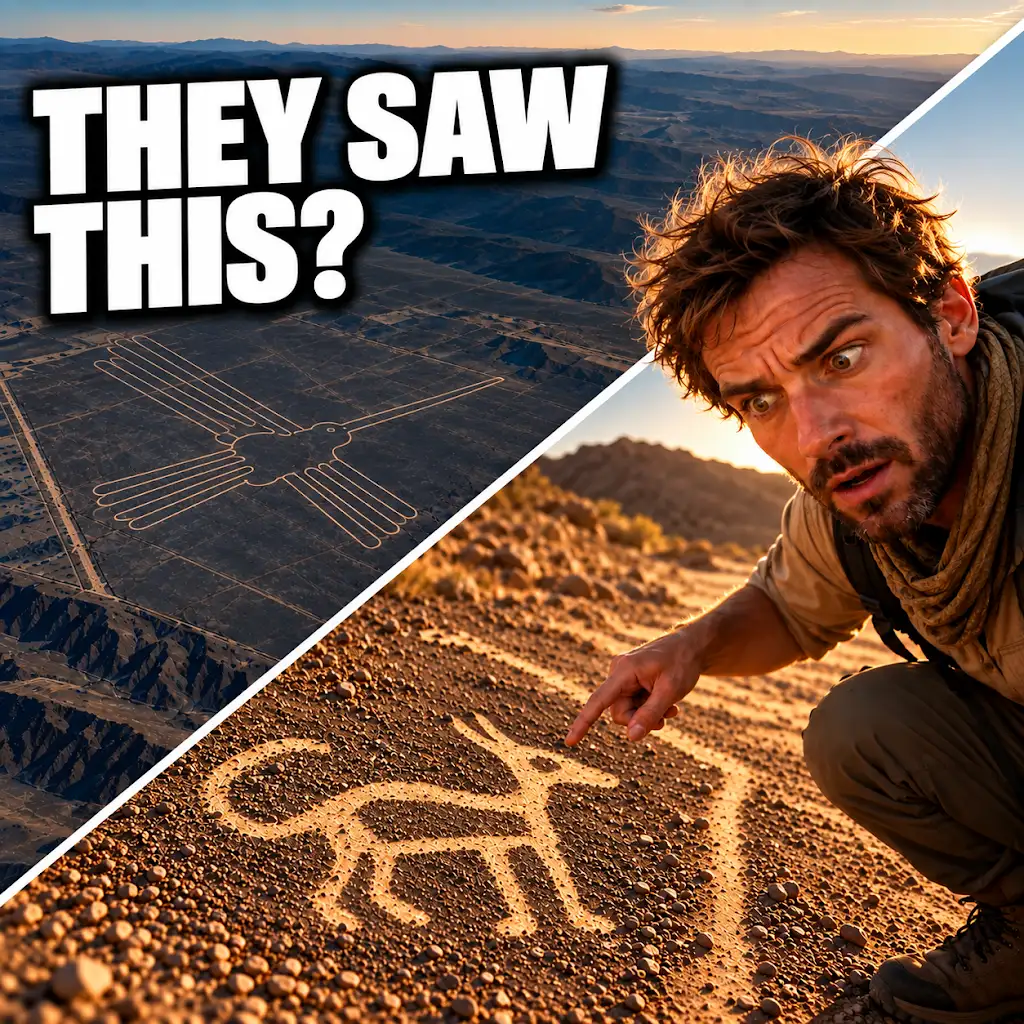
AI Found New Nazca Drawings—Could People See Them from the Ground?
FAQs
What are the Nazca 2025 Yamagata announcement geoglyphs?
The Nazca 2025 Yamagata announcement geoglyphs are a series of large-scale designs etched into the ground in the Nazca Desert in Peru.
When were the Nazca 2025 Yamagata announcement geoglyphs discovered?
The Nazca 2025 Yamagata announcement geoglyphs were discovered in 2025 during an aerial survey of the Nazca Desert.
What is the significance of the Nazca 2025 Yamagata announcement geoglyphs?
The Nazca 2025 Yamagata announcement geoglyphs are believed to be a form of communication or art created by the ancient Nazca civilization.
Who created the Nazca 2025 Yamagata announcement geoglyphs?
The creators of the Nazca 2025 Yamagata announcement geoglyphs are unknown, but they are believed to have been made by the Nazca people between 500 BC and 500 AD.
Can the Nazca 2025 Yamagata announcement geoglyphs be visited by the public?
Yes, the Nazca 2025 Yamagata announcement geoglyphs can be visited by the public, and there are tours available for visitors to see them from the air or on the ground.