
The arid plains of the Nazca Desert in southern Peru are home to one of the world’s most enduring mysteries: the Nazca Lines. These monumental geoglyphs, etched into the earth over 2,000 years ago by the ancient Nazca culture, depict a staggering array of creatures, plants, and geometric shapes, many of which are so vast they can only be fully appreciated from high above. While the most famous figures, such as the hummingbird, monkey, and spider, are well-documented, the true extent of their creative output includes lesser-known but equally impressive 90-meter creations that continue to baffle archaeologists, anthropologists, and curious minds alike. These colossal figures, often overlooked in favor of their more iconic counterparts, represent a significant aspect of the Nazca people’s artistic and possibly ritualistic endeavors. Their sheer scale and the precision with which they were executed speak volumes about the ingenuity and organizational capabilities of a society that flourished in such a challenging environment.
The Scale and Scope of the Nazca’s Artistic Endeavors
The Nazca culture, which thrived between approximately 100 BCE and 800 CE, left behind an unparalleled legacy in the form of these massive geoglyphs. Spread across an area of over 1,000 square kilometers, the lines range from simple straight lines stretching for kilometers to intricate depictions of animals and abstract forms. While the exact number is difficult to ascertain, estimates suggest there are hundreds, if not thousands, of individual geoglyphs. Among these, the 90-meter figures stand out not only for their impressive size but also for their diverse subject matter and the skill involved in their creation. These are not fleeting sketches; they are enduring statements etched into the very fabric of the landscape, designed to be seen, to be understood, or perhaps, to be revered. The sheer manpower and the sophisticated understanding of geometry and surveying required to create figures of this magnitude are truly astonishing, especially considering the technological limitations of the time. The purpose of these enormous etchings remains a subject of intense debate, adding another layer to their enigmatic nature.
Defining the 90-Meter Threshold
The classification of a geoglyph as a “90-meter creation” is, by necessity, a somewhat fluid designation. It refers to figures where at least one dimension, whether length or width, reaches or exceeds 90 meters. This threshold is chosen not for any inherent symbolic meaning, but rather to highlight the significant scale of these particular designs. Many figures, such as the renowned spider, which measures roughly 46 meters across, fall below this mark. However, others, like certain depictions of lizards or geometric patterns, easily surpass it. The challenge in defining this threshold lies in the irregular shapes of many geoglyphs. Some are elongated, while others are more compact. The focus on 90 meters serves as a practical way to identify and discuss those that demonstrate a deliberate commitment to large-scale artistic expression and territorial marking. It allows for a comparative analysis of different geoglyphs, helping to distinguish between smaller, more personal artistic endeavors and those intended for a grander, perhaps more public or spiritual, audience.
A Gallery of Giants: Notable 90-Meter Figures
Within the vast canvas of the Nazca desert, several 90-meter or larger figures command particular attention. While not always as immediately recognizable as the smaller hummingbird or monkey, these colossal creations offer unique insights into the Nazca worldview. One striking example is a massive lizard, estimated to be around 188 meters long, though a portion of its tail is lost to erosion. Another significant figure, often referred to as the “Pelican” or “Alcatraz,” is a magnificent bird with a wingspan that likely exceeds 90 meters, its body stretching out impressively across the arid terrain. Beyond animal figures, there are also enormous geometric shapes, such as vast trapezoids and rectangles, some of which are hundreds of meters in length, potentially serving as ceremonial pathways or gathering spaces. The sheer scale of these designs suggests that they were not merely decorative but served a profound purpose, deeply embedded within the cultural and spiritual fabric of the Nazca people. The precision with which these immense lines were laid out, often with subtle curves and precise angles, points to a sophisticated understanding of astronomy and land surveying.
The Nazca lines, with their intricate designs etched into the Peruvian desert, continue to fascinate researchers and enthusiasts alike, particularly the remarkable figures that stretch up to 90 meters in length. These geoglyphs, believed to have been created by the Nazca culture between 500 BCE and 500 CE, serve as a testament to the ingenuity of ancient civilizations. For those interested in exploring the broader implications of human creativity and its impact on our understanding of the cosmos, a related article discussing the militarization of the moon’s south pole can be found here: The Militarization of the Moon’s South Pole.
The Enigma of Creation: Methods and Materials
The creation of the Nazca Lines, particularly the massive 90-meter figures, has sparked decades of speculation. How did a civilization without advanced technology manage to etch such precise and enormous designs into the rocky desert floor? The answer lies in a combination of ingenious techniques, readily available materials, and a deep understanding of their environment. The Nazca people were masters of their craft, and their methods, while seemingly simple, were incredibly effective. The arid climate and the stable soil of the Nazca plateau played crucial roles, preserving the geoglyphs for millennia.
Simple Tools, Monumental Impact
The Nazca created their geoglyphs by removing the reddish-brown, iron-oxide-coated pebbles that cover the surface of the desert, exposing the lighter-colored soil underneath. This created a stark contrast, making the figures visible against the surrounding landscape. The tools used were likely simple but effective: sharpened stones, wooden levers, and ropes. Archaeologists have theorized that a grid system or stretched ropes might have been used to maintain scale and proportion during the creation process. For the larger figures, it’s conceivable that entire communities worked together, following meticulously planned outlines. The sheer physical effort involved in moving and clearing such vast quantities of material is a testament to the Nazca’s dedication and their ability to organize labor. The absence of pottery or tool fragments directly at the creation sites has led some to believe the lines were made by nomadic groups or in specific ceremonial contexts, though evidence suggests a more settled population was responsible.
The Role of the Nazca Plateau
The unique geographical characteristics of the Nazca plateau are fundamental to the preservation of these geoglyphs. The region is exceptionally dry, with minimal rainfall, which prevents erosion and vegetation growth that would otherwise obscure the markings. The soil itself, a fine, stony sediment, is stable and resists the forces of wind and weather. The high desert also experiences relatively calm winds, further aiding in preservation. It is believed that the Nazca chose this specific location for its ideal conditions, allowing their monumental art to endure for centuries. The exposed subsoil, once revealed, is also less susceptible to wind erosion than the overlying pebbles, creating a lasting contrast. The plateau’s consistent topography also provided a relatively uniform surface for their designs, minimizing the need for complex land leveling.
Decoding the Purpose: Theories and Interpretations
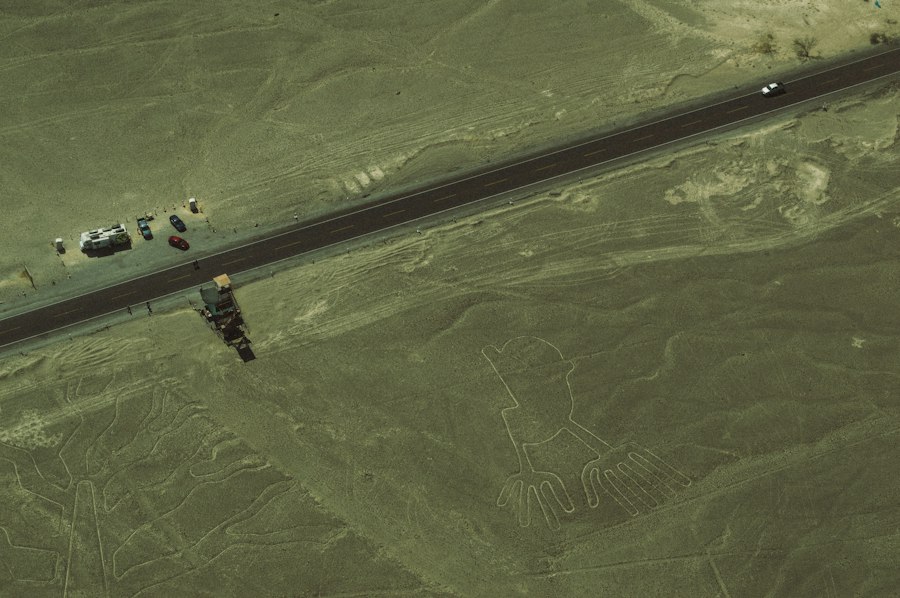
The question of why the Nazca created these colossal figures remains one of the most compelling aspects of their legacy. Numerous theories have been proposed, ranging from practical agricultural functions to profound astronomical and spiritual interpretations. The sheer scale and the effort involved strongly suggest that these were not mere idle doodles but served significant purposes within Nazca society. The ambiguity of their meaning allows for a rich tapestry of interpretations, each offering a potential glimpse into the minds of the ancient Nazca people.
Astronomical Alignments and Calendrical Functions
One of the most persistent theories posits that the Nazca Lines served as a giant astronomical observatory or calendar. Proponents of this theory suggest that many of the lines and figures align with celestial events, such as the rising and setting of the sun, moon, and certain stars. Maria Reiche, a German mathematician and archaeologist who dedicated much of her life to studying the Nazca Lines, was a prominent advocate for this astronomical interpretation. She meticulously mapped the lines and identified numerous alignments that seemed to correspond with solstice and equinox events, as well as other significant astronomical occurrences. The massive scale of the figures would have made them visible and identifiable against the horizon, allowing for precise measurements and predictions. The vast trapezoids and rectangles could have served as viewing platforms or markers for specific celestial events.
Ritualistic Pathways and Ceremonial Spaces
Another prominent theory suggests that the Nazca Lines were integral to religious rituals and ceremonies. It is believed that the figures may have represented deities, spirits, or totems, and that the lines themselves served as pathways for processions or as ceremonial grounds. The scale of some of the figures, particularly the vast straight lines and trapezoids, could have accommodated large gatherings of people participating in rituals. The fact that many figures are only fully visible from above has led to speculation that they were viewed by deities or spirit beings, or that the creation and viewing of these figures were part of a larger ritualistic practice involving flight or elevated perspectives. The association of certain figures with water sources or agricultural cycles also suggests a connection to fertility rites and appeasement of nature spirits.
Water, Fertility, and Environmental Significance
Given that the Nazca people lived in an extremely arid environment, a connection between the geoglyphs and water or fertility is a logical interpretation. Several of the depicted creatures, such as hummingbirds and monkeys, are associated with water and fertile environments. Some researchers have proposed that the Nazca created these figures to appease deities responsible for rainfall or to ensure successful harvests. The figures might have been part of a complex system of water management and agricultural rituals, where the earth itself was seen as a canvas for communicating with the divine. The presence of water-related iconography could also reflect the Nazca’s deep understanding of their fragile ecosystem and their efforts to maintain balance. The cyclical nature of these figures, some of which appear to be in motion, could also represent the cycle of life, death, and rebirth, deeply intertwined with the availability of water and the success of agriculture.
The Legacy of the Enigmatic Figures: Preservation and Future Research
The Nazca Lines, including the monumental 90-meter creations, are a UNESCO World Heritage site and a precious cultural treasure. Their preservation is a matter of global concern, as they are vulnerable to natural erosion and human impact. Ongoing research continues to shed new light on these ancient wonders, employing advanced technologies to uncover further secrets. The enduring mystery of the Nazca Lines ensures their continued fascination and inspires new generations of archaeologists and researchers.
Protecting a Fragile Heritage
The preservation of the Nazca Lines presents significant challenges. While the arid climate has been a great ally, modern factors such as tourism, urban development, and occasional extreme weather events pose threats. Strict regulations are in place to protect the geoglyphs, and access to many areas is restricted. Efforts are underway to monitor the condition of the lines, document any signs of deterioration, and implement conservation strategies. Technologies such as drone imagery and satellite mapping are invaluable tools in this ongoing effort, allowing for detailed surveys without direct physical contact. The ongoing vigilance and coordinated efforts of Peruvian authorities and international heritage organizations are crucial for safeguarding this unique archaeological legacy for future generations.
Unveiling More Secrets with Modern Technology
Contemporary research on the Nazca Lines utilizes a suite of advanced technologies to overcome the limitations of traditional archaeological methods. Ground-penetrating radar can reveal subsurface features and potential anomalies, while LiDAR (Light Detection and Ranging) technology can create highly detailed 3D maps of the landscape, helping to identify previously unseen geoglyphs or subtle variations in existing ones. Digital analysis of aerial imagery allows for precise measurements and the identification of patterns that might be missed by the human eye. Furthermore, DNA analysis of any organic remains found in the vicinity, and isotopic analysis of soil samples, can provide clues about the Nazca people’s diet, migration patterns, and daily life, indirectly shedding light on the context of the geoglyph creation. The integration of these technologies promises to revolutionize our understanding of the Nazca culture and the purpose behind their monumental art.
The Nazca lines, famous for their enormous geoglyphs etched into the Peruvian desert, have long fascinated researchers and tourists alike, especially the remarkable figures that stretch up to 90 meters in length. These ancient designs, which include various animals and geometric shapes, continue to spark debates about their purpose and the civilization that created them. For those interested in exploring how ancient cultures have influenced modern society, a related article discusses the implications of financial systems and their historical roots, which can be found here. Understanding these connections can provide deeper insights into how past civilizations shaped contemporary practices.
The Enduring Allure of the Earth’s Art Gallery
| Metric | Value | Unit | Description |
|---|---|---|---|
| Figure Length | 90 | meters | Approximate length of the Nazca line-type figure |
| Figure Width | 15 | meters | Estimated average width of the figure lines |
| Line Depth | 0.3 | meters | Depth of the lines carved into the ground |
| Estimated Age | 1500 | years | Approximate age of the Nazca lines |
| Location | Nazca Desert | – | Geographical location of the figures |
| Number of Figures | 70 | count | Number of large geoglyphs in the Nazca region |
| Material | Stone and gravel | – | Surface material removed to create the lines |
The Nazca Lines, from their most iconic animal figures to the imposing 90-meter creations, continue to captivate the human imagination. They represent a testament to the ingenuity, artistic expression, and spiritual depth of an ancient civilization. The vastness of the desert canvas, the enduring mystery of their purpose, and the sheer scale of these etched wonders ensure that the Nazca Lines will remain a subject of fascination and study for centuries to come. These colossal artworks, silently etched into the earth, serve as a profound reminder of humanity’s capacity for creation and our enduring quest to understand our place in the universe. The 90-meter figures, in particular, stand as silent sentinels, challenging us to ponder the motivations and worldview of those who conceived and executed such breathtaking feats of landscape art. Their presence continues to inspire awe and wonder, inviting us to look beyond the immediate and contemplate the grand designs that have shaped our planet and our history.
AI Found New Nazca Drawings—Could People See Them from the Ground?
FAQs
What are Nazca line-type figures 90 meters?
Nazca line-type figures 90 meters are large geoglyphs found in the Nazca Desert in southern Peru. These figures are created by removing the reddish-brown iron oxide-coated pebbles that cover the surface of the desert, revealing the lighter-colored earth underneath.
How were Nazca line-type figures 90 meters created?
Nazca line-type figures 90 meters were created by the ancient Nazca people between 500 BC and 500 AD. The figures were made by removing the top layer of rocks and soil to reveal the lighter-colored earth beneath, creating shapes and figures that can only be fully appreciated from the air.
What is the significance of Nazca line-type figures 90 meters?
The Nazca line-type figures 90 meters are believed to have had religious or ceremonial significance for the Nazca people. Some theories suggest that the figures were used in rituals related to agriculture, water, or astronomical events. Others believe that they served as markers for underground water sources or as pathways for ceremonial processions.
How were Nazca line-type figures 90 meters discovered?
The Nazca line-type figures 90 meters were first discovered in the early 20th century when commercial airlines began flying over the Nazca Desert. The figures were not fully appreciated until the 1930s when archaeologists began studying and documenting them.
Are Nazca line-type figures 90 meters protected?
Yes, the Nazca line-type figures 90 meters are protected as a UNESCO World Heritage Site. The Peruvian government has implemented measures to preserve and protect the figures from damage caused by human activity, such as tourism, and natural factors like erosion.