The Nazca Desert of southern Peru is a vast, arid landscape renowned for its enigmatic geoglyphs, colossal figures etched into the earth by the ancient Nazca culture. Among these wonders, one particular design has captivated archaeologists and enthusiasts alike: the Decapitation Head. This striking image, featuring a humanoid figure with a serpent-like element emanating from its mouth, has sparked a multitude of theories regarding its purpose, meaning, and creation. Unraveling the mystery of the Decapitation Head requires a deep dive into Nazca archaeology, symbolism, and the cultural context of this fascinating civilization.
The Landscape of Enigma: Nazca’s Geoglyphic Canvas
The sheer scale and precision of the Nazca Lines, as the geoglyphs are collectively known, are staggering. Spanning over 400 square miles, these geoglyphs range from simple geometric shapes to intricate depictions of animals, plants, and anthropomorphic figures. The Decapitation Head, though not as widely recognized as the hummingbird or the monkey, is a significant example of the Nazca people’s artistic and engineering prowess. Its discovery and analysis have been central to understanding the broader tapestry of Nazca culture.
Discovering the Decapitation Head
The Decapitation Head geoglyph was not one of the first to be identified. Its somewhat less distinct outline and perhaps its location within the vast expanse of the Nazca plateau meant it was documented later than some of the more iconic figures. Early aerial surveys, beginning in the early 20th century, revealed the astonishing scope of the Nazca Lines. Researchers like Paul Kosok and Maria Reiche dedicated their lives to studying and preserving these ancient marvels. It was through their meticulous work and subsequent archaeological investigations that the Decapitation Head, alongside other lesser-known but equally compelling geoglyphs, began to be properly documented and analyzed. The understanding of its form and placement within the broader geoglyphic landscape is crucial to any attempt at deciphering its meaning. Its relatively small size compared to some of the other geoglyphs might have contributed to its delayed recognition, yet its symbolic power is undeniable.
Theories of Creation and Preservation
The method by which the Nazca people created these massive geoglyphs has long been a subject of debate. The prevailing theory suggests they scraped away the reddish-brown iron oxide-coated stones of the desert surface to expose the lighter-colored earth beneath. This simple yet effective technique, when applied with the sophisticated planning and execution evident in the designs, resulted in the enduring artwork. The arid climate of the Nazca Desert has played a vital role in their preservation, protecting them from erosion for centuries. The Decapitation Head, like the other geoglyphs, owes its continued existence to this unique environmental condition. The lack of significant rainfall and the stability of the desert floor have allowed these ancient lines to remain remarkably intact, providing a tangible link to a lost civilization.
The mysterious Nazca decapitation head geoglyphs have long fascinated archaeologists and enthusiasts alike, prompting discussions about their purpose and significance in ancient cultures. For those interested in exploring more about the intriguing connections between ancient civilizations and modern survival strategies, a related article can be found at Secret Stash Spots: Prepping for SHTF. This article delves into the importance of preparedness and resourcefulness, themes that resonate with the ingenuity of the Nazca people in creating their monumental geoglyphs.
Symbolism and Interpretation: Deciphering the Decapitation Head
The Decapitation Head geoglyph presents a complex array of symbols that invite numerous interpretations. The humanoid figure, the serpent-like protrusion, and the very act of “decapitation” all carry potential cultural and religious significance. Understanding these elements requires an exploration of Nazca cosmology, ritual practices, and their worldview.
The Anthropomorphic Figure and its Ominous Aspect
The central element of the geoglyph is a stylized human figure. Its posture and features are often interpreted as representing a deity, a shaman, or a significant cultural hero. However, what sets this geoglyph apart is the appendage extending from its mouth, commonly described as a serpent or a stylized tongue. This element immediately suggests a connection to themes of speech, prophecy, or perhaps even a shamanic trance state where boundaries between the human and the supernatural blur. The “decapitation” aspect, while implied by the figure’s association with imagery of severed heads found in Nazca pottery and textiles, might not refer to literal acts but rather to a symbolic representation of power, sacrifice, or a transition into another realm.
The Serpent as a Symbol of Power and Transition
Serpents hold significant symbolic weight across many ancient cultures, often associated with fertility, the underworld, wisdom, and transformation. In the context of the Decapitation Head, the serpent could represent a powerful entity, a conduit to the spiritual world, or the very essence of life and death. Its emergence from the mouth of the figure further emphasizes themes of communication and influence. It might symbolize the power of words to transform, to heal, or to pronounce judgment. Some scholars propose that the serpent represents a lineage, a spiritual connection passed down through generations, or even the flow of vital energy. The Nazca people were known for their sophisticated agricultural practices, and serpents are often linked to water and fertility in arid regions, further deepening this possible connection.
Linking Geoglyphs to Nazca Rituals and Beliefs
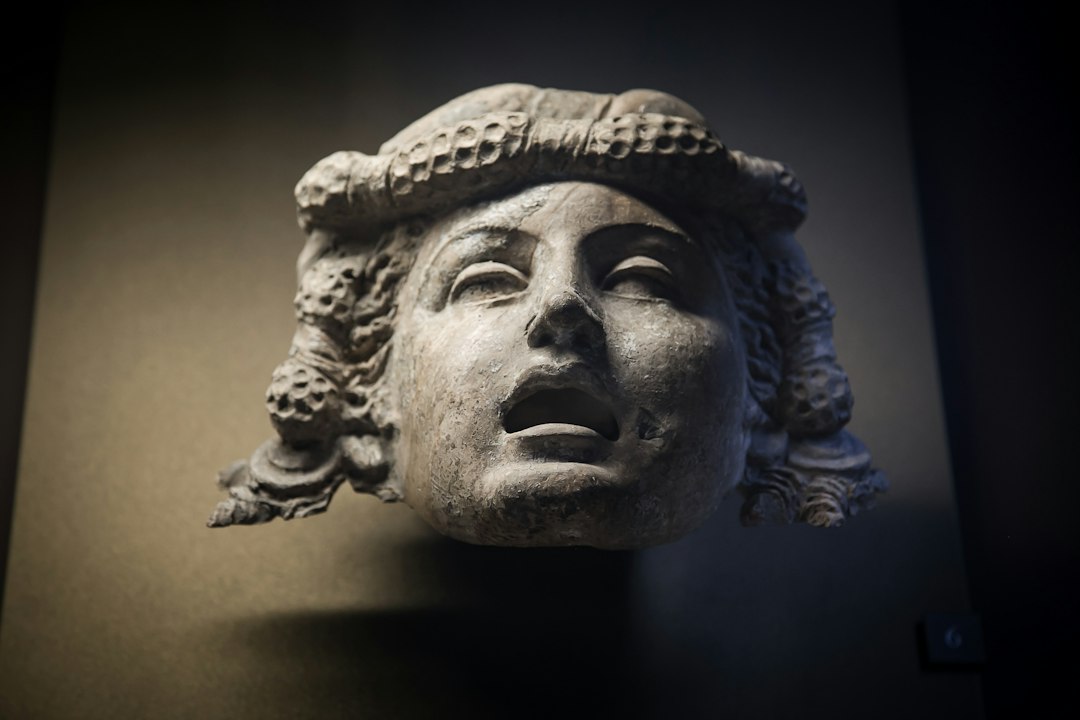
Archaeological evidence, including burial sites and artifacts, provides crucial insights into Nazca belief systems. The presence of severed heads in their material culture, often depicted on pottery and in textile art, suggests that headhunting or the ritualistic handling of heads played a role in their society. These practices could have been linked to warfare, ancestor veneration, or fertility rites. The Decapitation Head geoglyph could therefore be a visual representation of these rituals, a map of sacred sites associated with such practices, or a powerful symbol meant to influence the spiritual realm to ensure agricultural success or protection. The association of geoglyphs with astronomical alignments and ceremonial pathways also suggests a deep integration of these earth drawings into the spiritual and practical fabric of Nazca life.
Contextualizing the Geoglyph: Nazca Society and its Mysteries
To fully comprehend the Decapitation Head, it is essential to understand the Nazca culture that created it. This enigmatic civilization flourished in the coastal valleys of Peru from roughly 100 BCE to 800 CE, leaving behind a legacy of remarkable art, advanced irrigation systems, and, of course, the monumental geoglyphs.
The Nazca Civilization: A Flourishing Desert Culture
The Nazca people were skilled agriculturalists, developing complex irrigation systems to thrive in the hyper-arid desert environment. Their society was hierarchical, with evidence of specialized labor and a complex religious system. The creation of the geoglyphs, which required significant planning and communal effort, points to a highly organized society with a strong spiritual or ideological motivation. The Decapitation Head must be viewed within this broader context of a sophisticated culture that harnessed its environment and expressed its beliefs through enduring artistic mediums. Their mastery of pottery, textiles, and metallurgy further highlights their advanced cultural development.
Archaeological Clues: Pottery, Textiles, and Human Remains
Archaeological excavations in the Nazca region have unearthed a wealth of information about the Nazca people’s daily lives, religious practices, and artistic expressions. Nazca pottery is renowned for its vibrant colors and intricate depictions of animals, deities, and ritualistic scenes, often including imagery of severed heads. Textiles from Nazca burial sites are equally impressive, showcasing complex weaving techniques and symbolic designs. The analysis of human remains has also provided insights into their diet, health, and potential ritualistic practices. The Decapitation Head geoglyph, when studied alongside these material remains, gains deeper layers of meaning, potentially corroborating or challenging existing interpretations of Nazca culture.
The Role of Astronomy and Cosmology in Nazca Life
Many scholars believe that the Nazca geoglyphs, including potentially the Decapitation Head, were intricately linked to astronomical observations and celestial events. The precise alignment of some geoglyphs with solstices, equinoxes, or specific stars suggests a sophisticated understanding of astronomy. This celestial knowledge was likely interwoven with their cosmology and religious beliefs. The Decapitation Head could have served as a marker for celestial events, a focal point for rituals performed at specific astronomical times, or a representation of a myth or creation story tied to the heavens. Understanding the Nazca sky and their relationship with it is paramount to deciphering the purpose of their earthly drawings.
Enduring Questions and Future Research
Despite decades of research, the Decapitation Head geoglyph, like many aspects of Nazca culture, continues to hold an air of mystery. New technologies and analytical approaches offer exciting possibilities for future investigations.
Unanswered Questions and Competing Theories
The exact purpose of the Decapitation Head remains a subject of ongoing debate. Was it a ritualistic symbol, a territorial marker, a celestial calendar, or a combination of these? Different scholars propose various interpretations, each supported by fragments of evidence but none definitively solving the puzzle. The symbolic meaning of the serpent and the implications of “decapitation” are particularly open to interpretation. The fact that some geoglyphs appear in proximity to ceremonial sites or water sources further complicates the narrative, suggesting a multifaceted purpose. The lack of written records from the Nazca people leaves a significant gap in our understanding, forcing researchers to rely on inference and comparative analysis.
The Promise of Modern Technology
Advancements in remote sensing, drone technology, and digital mapping are revolutionizing archaeological research. High-resolution aerial photography, LiDAR scans, and ground-penetrating radar can reveal subtle features of the geoglyphs and their surrounding landscape that might have been missed by previous methods. These technologies can help create more detailed maps, analyze subtle variations in the earthworks, and even identify potential associated structures or features that were previously unknown. Analyzing soil composition and dating techniques can also provide more precise timelines for the creation and use of these geoglyphs. The application of these tools to the Decapitation Head promises to shed new light on its construction and potential function.
Collaborative Research and Interdisciplinary Approaches
The mystery of the Decapitation Head is best tackled through a collaborative and interdisciplinary approach. Archaeologists, anthropologists, astronomers, geologists, and art historians can all contribute their unique expertise to the puzzle. By pooling knowledge and employing a range of methodologies, researchers can build a more comprehensive understanding of Nazca culture and the intricate symbolism embedded in their geoglyphs. Future research should focus on integrating existing data with new findings, fostering open dialogue between different schools of thought, and seeking new evidence through targeted excavations and non-invasive surveys. The ongoing pursuit of knowledge, coupled with respect for the ancient culture that created these wonders, will continue to unveil the secrets of the Nazca Decapitation Head.
The mysterious Nazca decapitation head geoglyphs continue to intrigue archaeologists and historians alike, as they delve into the cultural significance and potential rituals of the ancient Nazca civilization. These colossal designs, etched into the Peruvian desert, raise questions about the beliefs and practices of the people who created them. Interestingly, the decline of literacy and its impact on cultural expression in various societies can be explored in a related article that discusses the factors and consequences of this phenomenon. For more insights, you can read about it here.
Conclusion: A Legacy Etched in the Desert
| Metric | Details |
|---|---|
| Geoglyph Name | Nazca Decapitation Head |
| Location | Nazca Desert, Peru |
| Dimensions | Approximately 30 meters in length |
| Estimated Age | Between 500 BCE and 500 CE |
| Theme | Decapitation and ritualistic symbolism |
| Material | Exposed lighter-colored subsoil by removing reddish-brown iron oxide-coated pebbles |
| Visibility | Best viewed from the air or nearby foothills |
| Cultural Significance | Likely related to Nazca religious beliefs and rituals involving decapitation |
| Preservation Status | Protected as part of the Nazca Lines UNESCO World Heritage Site |
The Decapitation Head geoglyph stands as a testament to the ingenuity, artistry, and spiritual depth of the Nazca people. While its precise meaning may remain elusive, its enduring presence in the stark beauty of the Nazca Desert continues to inspire awe and curiosity. Each new investigation, each refined theory, brings us one step closer to understanding the complex worldview that gave birth to these monumental earth drawings. The Decapitation Head is not merely a pattern on the ground; it is a whisper from the past, a riddle etched in stone, inviting us to ponder the beliefs, rituals, and aspirations of a civilization that has long since vanished, yet whose legacy continues to captivate the human imagination. The ongoing efforts to decipher its secrets underscore the profound impact that ancient art and culture can have on the present, reminding us of the vast, unexplored depths of human history and the enduring power of mystery. The Decapitation Head, in its enigmatic form, serves as a powerful reminder that even in the most seemingly barren landscapes, profound stories and profound questions await discovery.
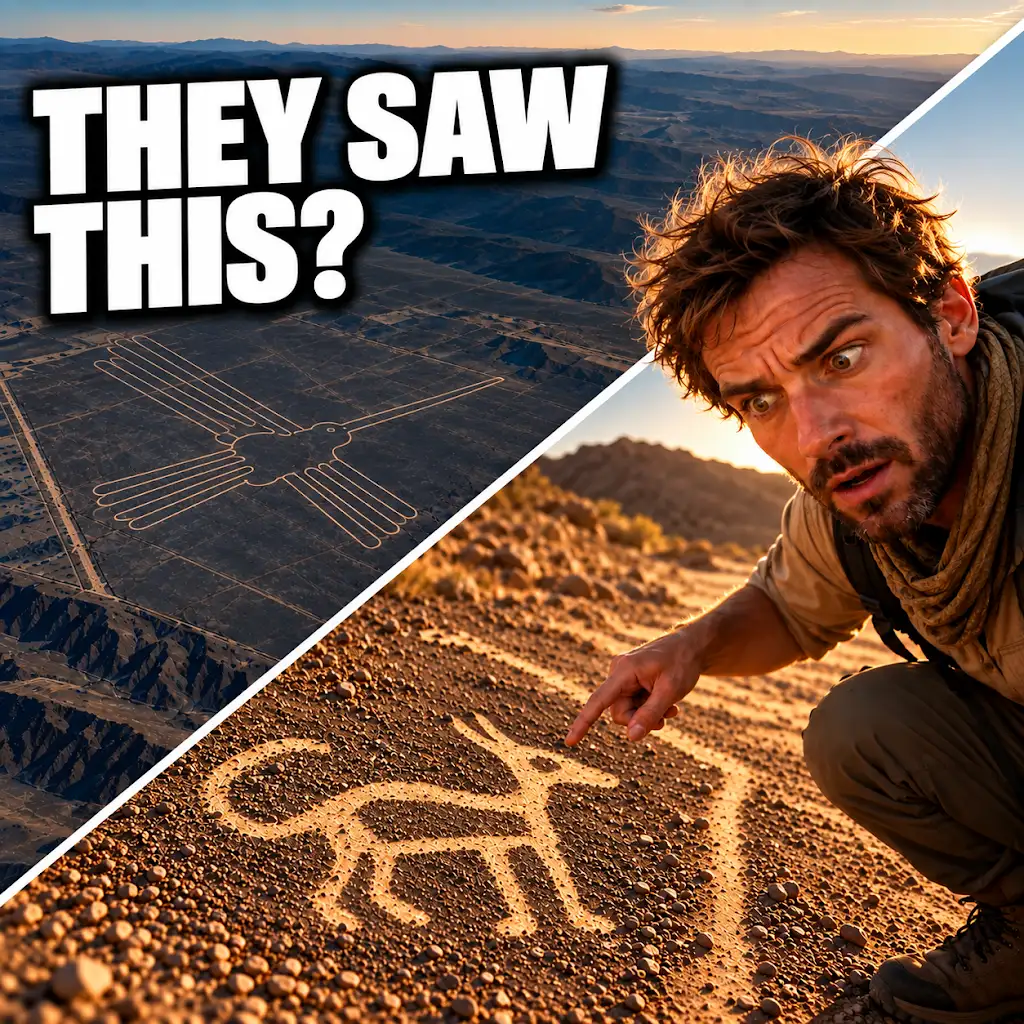
AI Found New Nazca Drawings—Could People See Them from the Ground?
FAQs
What is the Nazca decapitation head geoglyph theme?
The Nazca decapitation head geoglyph theme refers to a series of large-scale geoglyphs found in the Nazca Desert in southern Peru. These geoglyphs depict decapitated human heads, often with exaggerated features, and are believed to have been created by the ancient Nazca culture between 200 BCE and 600 CE.
How were the Nazca decapitation head geoglyphs created?
The Nazca decapitation head geoglyphs were created by removing the dark surface stones to reveal the lighter-colored earth beneath, forming the shapes of the decapitated heads. The process likely involved planning and coordination among the Nazca people, as the geoglyphs are large and intricate.
What is the significance of the decapitation head geoglyph theme in Nazca culture?
The significance of the decapitation head geoglyph theme in Nazca culture is not fully understood. Some theories suggest that the geoglyphs may have had religious or ritualistic significance, while others propose that they could have served as markers for ceremonial or burial sites. Further research is needed to uncover the true meaning behind these enigmatic symbols.
How were the Nazca decapitation head geoglyphs discovered?
The Nazca decapitation head geoglyphs were first documented by archaeologists and researchers conducting aerial surveys of the Nazca Desert in the early 20th century. The geoglyphs are best viewed from above, making them difficult to detect from the ground. Advances in technology, such as satellite imaging, have since helped to identify and study these ancient artworks.
Are the Nazca decapitation head geoglyphs open to the public?
Yes, the Nazca decapitation head geoglyphs are open to the public for viewing. Visitors can take guided tours of the Nazca Desert to see these mysterious geoglyphs up close. However, it is important to respect the fragile desert environment and follow guidelines to preserve these ancient cultural treasures for future generations.