
The housing supply chain is a complex network that encompasses everything from land acquisition and financing to construction and final sale. As you navigate this intricate system, you may find that each component plays a crucial role in determining the availability and affordability of housing. Understanding this supply chain is essential, especially in today’s rapidly changing market, where disruptions can have far-reaching consequences.
The interplay between various stakeholders—developers, builders, suppliers, and government entities—creates a dynamic environment that can either facilitate or hinder the construction of new homes. In recent years, the housing supply chain has faced unprecedented challenges, leading to significant delays and increased costs. As you delve deeper into the factors contributing to these disruptions, it becomes clear that both global and local influences are at play.
The pandemic, economic fluctuations, and shifts in consumer demand have all contributed to a landscape that is more volatile than ever. By examining these elements, you can gain a better understanding of how they impact not only the construction industry but also the broader housing market.
Key Takeaways
- Housing supply chain disruptions are driven by material shortages, labor deficits, and logistical challenges.
- Construction timelines are significantly delayed, increasing costs and reducing housing affordability.
- Homebuyers and renters face higher prices and limited availability due to supply constraints.
- Developers and builders encounter operational challenges, prompting the need for adaptive strategies.
- Government interventions and innovative solutions are critical to stabilizing the housing market and improving future supply.
Factors Contributing to Disruption
Several factors have converged to disrupt the housing supply chain, making it increasingly difficult for developers and builders to meet demand. One of the most significant contributors is the ongoing global pandemic, which has caused widespread supply chain interruptions. As you consider the implications of COVID-19, you may recognize how lockdowns and restrictions have led to factory closures and shipping delays.
These disruptions have resulted in a scarcity of essential materials, which in turn has slowed down construction projects across the board. In addition to the pandemic, economic fluctuations have also played a pivotal role in shaping the housing supply chain. Inflation rates have surged, affecting everything from labor costs to material prices.
As you analyze these economic trends, it becomes evident that rising costs can create a ripple effect throughout the entire supply chain. Developers may find themselves grappling with budget constraints, which can lead to project delays or even cancellations. Furthermore, shifts in consumer demand—such as an increased preference for suburban living—have altered the landscape of housing development, adding another layer of complexity to an already strained system.
Impact on Construction Timelines

The disruptions within the housing supply chain have had a profound impact on construction timelines. As you explore this issue, you may notice that many projects are experiencing significant delays, pushing back completion dates and frustrating both builders and potential homeowners. The inability to secure materials in a timely manner has become a common challenge, forcing developers to adjust their schedules and often leading to increased costs.
Moreover, labor shortages have compounded these delays. With fewer skilled workers available, construction sites may struggle to maintain productivity levels. As you consider the implications of this labor shortage, it becomes clear that the timeline for completing new homes is not just a matter of scheduling; it also reflects the broader economic landscape.
The combination of material shortages and labor constraints creates a perfect storm that can extend project timelines significantly, leaving many prospective buyers in limbo.
Rising Costs and Affordability Issues
| Category | Metric | Value | Year | Notes |
|---|---|---|---|---|
| Housing | Median Home Price | 450,000 | 2023 | Increased by 8% from previous year |
| Housing | Average Rent (Monthly) | 1,500 | 2023 | Up 6% compared to 2022 |
| Healthcare | Average Annual Premium | 7,200 | 2023 | Rising due to inflation and demand |
| Education | Average Tuition Fees (Public University) | 10,500 | 2023 | Increased by 4% from 2022 |
| Food | Consumer Price Index (Food) | 115 | 2023 | Index base year 2010 = 100 |
| Transportation | Average Gasoline Price (per gallon) | 3.75 | 2023 | Up 10% from previous year |
| Utilities | Average Monthly Utility Bill | 180 | 2023 | Includes electricity, water, and gas |
| Income | Median Household Income | 65,000 | 2023 | Adjusted for inflation |
| Affordability | Percentage of Income Spent on Housing | 32% | 2023 | Above recommended 30% threshold |
As construction timelines stretch and materials become harder to source, rising costs have emerged as a pressing issue within the housing market. You may find it alarming that these increased expenses are not just affecting developers; they are also impacting homebuyers and renters alike. The cost of building new homes has surged, leading to higher prices for finished properties.
This trend raises concerns about affordability, particularly for first-time buyers who may already be struggling to enter the market. The implications of rising costs extend beyond mere numbers; they reflect a broader crisis in housing affordability. As you consider the challenges faced by potential homeowners, it becomes evident that many are being priced out of their desired neighborhoods or even out of homeownership altogether.
Renters are not immune to these issues either; as landlords face increased expenses, they may pass those costs onto tenants in the form of higher rents. This cycle of rising costs creates a challenging environment for anyone seeking stable housing.
Shortage of Materials and Labor
The shortage of materials and labor is perhaps one of the most critical issues facing the housing supply chain today. As you examine this problem, you may find that it stems from a combination of factors, including pandemic-related disruptions and shifts in global trade dynamics. The scarcity of essential materials such as lumber, steel, and concrete has forced builders to rethink their sourcing strategies and often pay premium prices for what is available.
Labor shortages further exacerbate this situation. Many skilled workers left the industry during the pandemic or chose to pursue other opportunities, leading to a significant gap in available talent. As you reflect on this labor crisis, consider how it affects not only construction timelines but also the quality of work being produced.
With fewer experienced hands on deck, builders may struggle to maintain high standards while trying to meet increasing demand. This dual challenge of material and labor shortages creates a precarious situation for developers and ultimately impacts the entire housing market.
Effects on Homebuyers and Renters
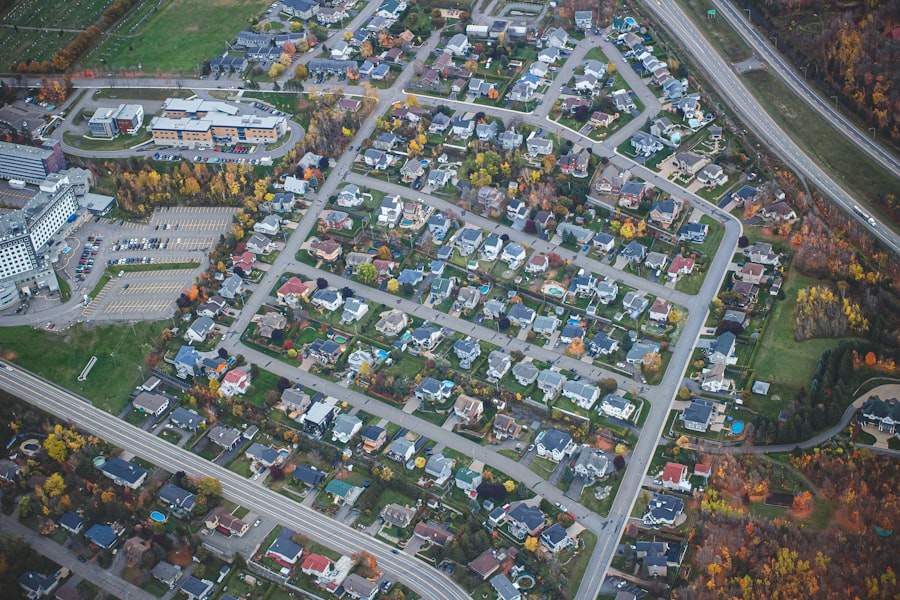
The ongoing disruptions in the housing supply chain have far-reaching effects on homebuyers and renters alike. As you navigate this landscape, you may notice that many prospective buyers are facing heightened competition for limited inventory. With fewer homes available on the market due to construction delays and rising costs, bidding wars have become increasingly common.
This competitive environment can be disheartening for first-time buyers who may find themselves outbid time and again. For renters, the situation is equally challenging. As landlords grapple with rising costs associated with property maintenance and management, many are forced to increase rents to maintain profitability.
You might find it concerning that this trend disproportionately affects low- and middle-income families who are already struggling to make ends meet. The combination of limited housing options and escalating rental prices creates a precarious situation for those seeking affordable living arrangements.
Challenges for Developers and Builders
Developers and builders are facing an array of challenges as they navigate the current housing supply chain disruptions. As you consider their perspective, it becomes clear that they must balance multiple competing interests while trying to deliver projects on time and within budget. The rising costs of materials and labor can strain profit margins, forcing developers to make difficult decisions about which projects to prioritize.
Additionally, regulatory hurdles can complicate matters further. Zoning laws, permitting processes, and environmental regulations can all contribute to delays in project timelines. As you reflect on these challenges, consider how they impact not only developers but also the communities they serve.
When projects are delayed or canceled due to regulatory issues or financial constraints, it can hinder local economic growth and limit housing options for residents.
Strategies for Mitigating Disruption
To address the ongoing disruptions within the housing supply chain, developers and builders must adopt innovative strategies aimed at mitigating these challenges. One approach involves diversifying supply chains by sourcing materials from multiple suppliers rather than relying on a single source. This strategy can help reduce vulnerability to shortages and ensure that projects remain on track despite fluctuations in availability.
Another effective strategy is investing in technology to streamline operations and improve efficiency on construction sites. By utilizing advanced project management software or adopting modular construction techniques, builders can enhance productivity while minimizing delays caused by labor shortages or material scarcities. As you explore these strategies further, consider how collaboration among stakeholders—developers, suppliers, and government entities—can foster resilience within the housing supply chain.
Government Policies and Interventions
Government policies play a crucial role in shaping the housing supply chain and addressing its current challenges. As you examine potential interventions, you may find that initiatives aimed at increasing affordable housing stock can help alleviate some pressure on homebuyers and renters alike. Programs that incentivize developers to build affordable units or provide grants for first-time homebuyers can create pathways toward greater accessibility in the market.
Additionally, streamlining regulatory processes can significantly reduce delays associated with permitting and zoning approvals. By simplifying these procedures, governments can help expedite construction timelines while ensuring that necessary safety standards are met. As you consider these policy options, think about how proactive government involvement can foster a more stable housing market for all stakeholders involved.
Future Outlook for the Housing Market
Looking ahead, the future outlook for the housing market remains uncertain but not without hope. As you analyze current trends, it becomes clear that while challenges persist—such as material shortages and rising costs—there are also opportunities for innovation and growth within the industry. The increasing adoption of technology in construction practices may lead to more efficient processes that can help mitigate some of these ongoing disruptions.
Moreover, as governments continue to recognize the importance of affordable housing initiatives, there is potential for positive change on a broader scale. You might find it encouraging that many communities are actively seeking solutions to address housing shortages through collaborative efforts among developers, local governments, and non-profit organizations. By fostering partnerships aimed at creating sustainable housing solutions, there is hope for a more balanced market in the future.
Conclusion and Recommendations
In conclusion, navigating the complexities of the housing supply chain requires an understanding of various factors contributing to its disruption. As you reflect on this landscape—marked by rising costs, material shortages, labor challenges, and regulatory hurdles—it becomes evident that both immediate action and long-term strategies are necessary for improvement. For developers and builders, diversifying supply chains and investing in technology can enhance resilience against future disruptions.
Furthermore, government policies aimed at increasing affordable housing stock and streamlining regulatory processes will be essential in creating a more stable market for homebuyers and renters alike. By fostering collaboration among all stakeholders involved in the housing supply chain—developers, builders, suppliers, government entities—you can contribute to building a more sustainable future for housing in your community. Ultimately, addressing these challenges head-on will pave the way for a more accessible and equitable housing market for generations to come.
WATCH THIS! The American Dream Was a Lie: The Quiet Economic Collapse You Can’t See