A Glimpse into the Past: Unveiling New Nazca Geoglyphs
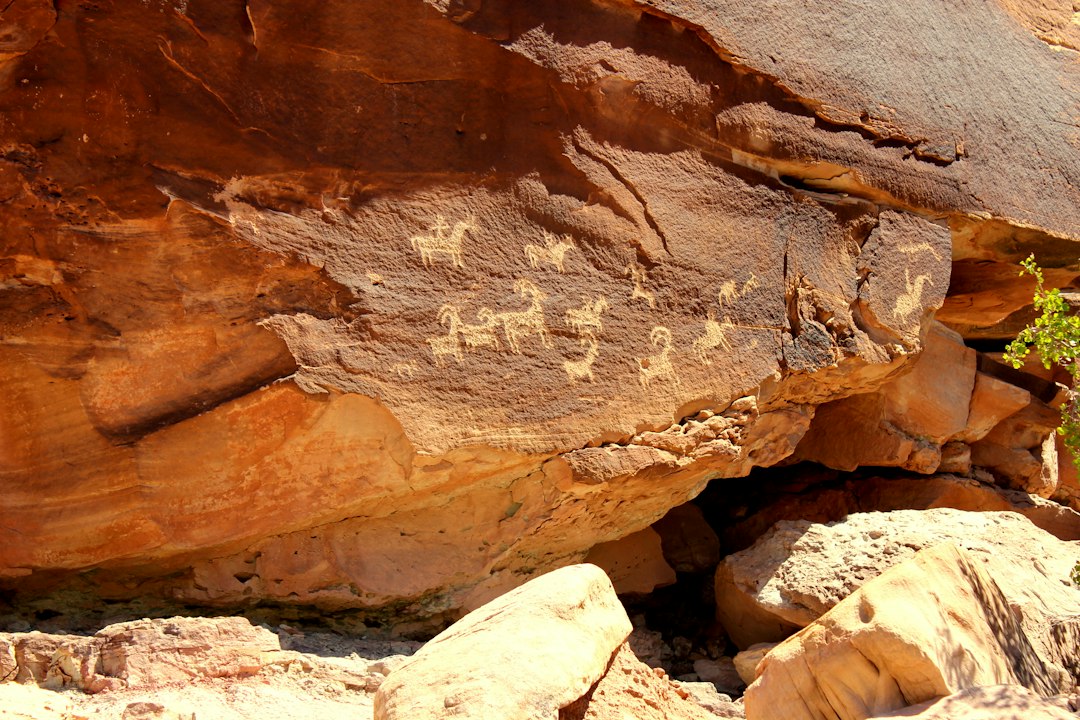
A groundbreaking study published in the Proceedings of the National Academy of Sciences (PNAS) has revealed the discovery of 303 previously unknown geoglyphs in the Nazca desert of Peru. This remarkable find, utilizing advanced imaging techniques, offers an unprecedented opportunity to deepen our understanding of the ancient Nazca culture and their enigmatic creations. For decades, the vast desert plains of Nazca have captivated archaeologists and the public alike with their colossal figures etched into the earth. Now, this latest research pushes the boundaries of our knowledge, adding a significant new chapter to the ongoing saga of these ancient desert artists. The sheer number of newly identified geoglyphs underscores the scale and complexity of Nazca artistic and symbolic expression, suggesting a far more extensive and multifaceted practice than previously realized.
The PNAS study, led by a team of international researchers, employed cutting-edge artificial intelligence and machine learning algorithms to analyze vast amounts of aerial imagery of the Nazca and Palpa regions. This sophisticated approach allowed for the identification of subtle patterns and features that would have been virtually impossible to detect through traditional methods of surveying and observation. The geoglyphs, ranging in size and complexity, represent a diverse array of subjects, from abstract geometric shapes to depictions of animals and humans. The implications of this discovery are profound, promising to illuminate new aspects of Nazca society, their belief systems, agricultural practices, and their relationship with the challenging desert environment.
The process of discovery itself is a testament to the evolving capabilities of archaeological research. By harnessing the power of computational analysis, scientists have unlocked a hidden layer of information embedded within the landscape, providing a much-needed complement to established fieldwork. This innovative methodology not only accelerates the pace of discovery but also offers a more comprehensive and objective assessment of the archaeological record. The sheer volume of new data necessitates a re-evaluation of existing theories and opens up avenues for entirely new lines of inquiry into the Nazca civilization.
The recent study published in PNAS revealing 303 new Nazca geoglyphs has sparked significant interest in the field of archaeology, shedding light on the rich cultural heritage of the Nazca civilization. For those looking to delve deeper into this fascinating topic, an insightful article discussing the implications of these discoveries and their historical context can be found at Real Lore and Order. This resource provides a comprehensive overview of the geoglyphs’ significance and the ongoing research efforts to understand their purpose and meaning.
The Technological Leap: AI and Remote Sensing in Archaeological Discovery
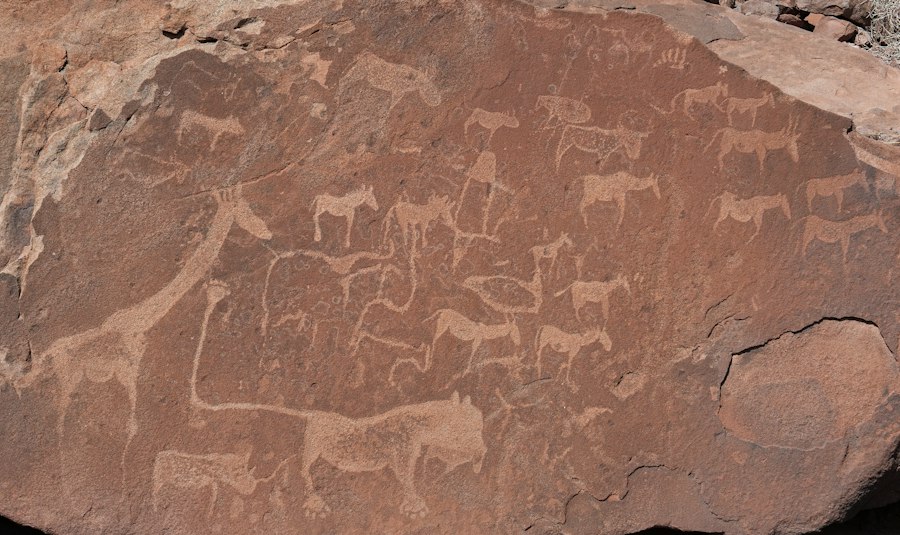
The success of this recent exploration hinges on a significant technological advancement: the application of sophisticated artificial intelligence and machine learning algorithms to analyze high-resolution aerial and satellite imagery. Researchers did not simply re-examine existing photos; they developed and deployed algorithms specifically trained to identify the tell-tale signs of geoglyphs, even those that are heavily eroded or partially obscured. This marks a paradigm shift in how large-scale archaeological landscapes are surveyed and interpreted, moving beyond manual interpretation to a more automated and data-driven approach.
Algorithmic Pattern Recognition: Beyond Human Visual Acuity
The core of the technological breakthrough lies in the ability of the AI to discern patterns that are imperceptible to the human eye. Traditional methods often rely on visual inspection of photographs or direct ground surveys, which are time-consuming and can miss subtle anomalies. The algorithms employed in this study were trained on a dataset of known geoglyphs, learning to recognize their distinctive characteristics, such as subtle changes in vegetation color, soil texture, and slight depressions or elevations in the terrain that collectively form these ancient designs. This training allowed the AI to systematically scan millions of data points, identifying potential geoglyphs with a high degree of accuracy.
The algorithms were not merely looking for existing, well-preserved figures. They were designed to detect faint traces, the ghost images left by ancient hands, which have been further weathered by millennia of wind and sand. This ability to identify degraded or incomplete figures is crucial, as many of the newly found geoglyphs are not as pristine as some of the more famous examples. The AI could differentiate between natural variations in the desert landscape and the deliberate markings made by the Nazca people, a feat that highlights the sophistication of the computational models.
The Role of High-Resolution Imagery: Unveiling Faint Details
The study’s reliance on high-resolution aerial and satellite imagery is equally important. Modern remote sensing technologies capture the Earth’s surface with an unprecedented level of detail. This fine-grained data provides the raw material for the AI to work with. Even minor topographical features or subtle spectral differences in vegetation, which might appear as noise to the untrained eye, can be significant indicators of a geoglyph when analyzed by a trained algorithm. The availability of such detailed imagery, coupled with powerful processing capabilities, has democratized the potential for large-scale archaeological discovery.
The researchers likely utilized a combination of imagery acquired at different times and from various sources to create a comprehensive dataset. This multi-spectral approach can reveal different aspects of the landscape, such as variations in plant life or soil composition that might be indicative of underlying geoglyphs. The ability to cross-reference and integrate data from multiple sources further enhances the reliability of the AI’s findings, reducing the likelihood of false positives. The sheer volume of data processed by these systems is staggering, far exceeding what any human team could manually analyze in a reasonable timeframe. This technological synergy between advanced imaging and intelligent analysis is a powerful new tool in the archaeologist’s arsenal.
A Tapestry of Forms: The Nature and Variety of the Newly Discovered Geoglyphs
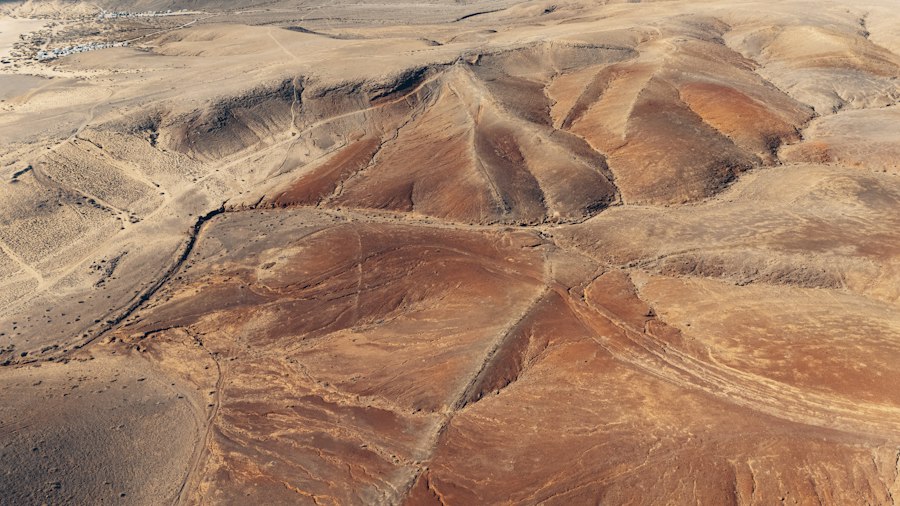
The discovery of 303 new geoglyphs significantly expands the known repertoire of Nazca artistic expression. While many of the famous Nazca Lines are iconic animal figures and geometric shapes, this new collection reveals a broader spectrum of designs, offering fresh insights into the creators’ motivations and cultural practices. The variety in scale, form, and subject matter suggests a dynamic and evolving tradition of geoglyph creation over centuries.
Zoomorphic and Anthropomorphic Figures: Expanding the Bestiary and Pantheon
Among the newly identified geoglyphs are numerous depictions of animals, or zoomorphic figures. These include creatures that have been observed in previously discovered lines, such as hummingbirds, monkeys, and spiders, but also potentially new or more obscure animal representations. The precise identification of some of these creatures is ongoing, with researchers carefully comparing them to known Nazca iconography and the fauna of the region. The significance of these animal figures has long been debated, with theories ranging from astronomical calendars to religious totems. The addition of new examples will undoubtedly fuel further discussion and analysis regarding their symbolic meaning.
Equally significant are the newly unearthed anthropomorphic figures, or human-like representations. These figures are often more abstract and stylized than their animal counterparts, sometimes appearing as stick figures or possessing exaggerated features. The interpretation of these human forms is particularly challenging, but they may represent deities, ancestors, or important individuals within Nazca society. The recurring motifs and variations within these anthropomorphic geoglyphs could offer clues about social hierarchies, religious beliefs, or even ritualistic practices associated with their creation and veneration.
Geometric Designs and Abstract Patterns: A Language of Lines and Shapes
Beyond representational figures, a substantial portion of the newly discovered geoglyphs consists of intricate geometric designs and abstract patterns. These include a variety of straight lines, zigzags, trapezoids, triangles, and complex interconnected shapes. While some geometric lines may have served practical purposes, such as pathways or markers, their sheer number and complexity suggest a deeper symbolic or cosmological significance.
These abstract designs may represent a form of visual language, perhaps related to calendrical systems, astronomical observations, or spiritual concepts that are not easily translated into representational forms. The meticulous arrangement of these geometric elements could reflect a sophisticated understanding of mathematics, spatial relationships, and perhaps even abstract thought. The discovery of so many new geometric geoglyphs compels archaeologists to explore the possibility of a more nuanced and symbolic system underlying the Nazca Lines, extending beyond simple depictions of the natural world. The sheer diversity of these abstract forms hints at a rich cultural vocabulary expressed through the medium of the earth itself.
Reinterpreting Nazca Society: What the New Geoglyphs Reveal
The unprecedented scale of this discovery necessitates a re-evaluation of many long-held assumptions about the Nazca civilization. The sheer volume of geoglyphs, coupled with their variety, suggests a society with a deep and pervasive engagement with this form of monumental earth art. This not only implies a significant investment of labor and resources but also points to a complex social organization and a shared cultural imperative that drove the creation of these desert masterpieces.
Evidence of Extensive Labor and Social Organization: A Collective Endeavor
The creation of geoglyphs, especially the larger ones, would have required a substantial amount of coordinated labor. The fact that 303 new figures have been identified suggests that the practice of geoglyph creation was not confined to a small elite or a specific period but was likely a widespread and enduring activity. This implies a sophisticated level of social organization, capable of mobilizing and directing large numbers of people for communal projects. The ability to plan, execute, and maintain these massive designs across the vast desert landscape speaks to a well-established social structure, perhaps involving specialized roles for designers, surveyors, and laborers.
The distribution of these newly discovered geoglyphs also offers insights. Are they concentrated in specific areas, suggesting regional variations or specialized purposes? Or are they spread widely, indicating a more uniform cultural practice across the Nazca plateau? Analyzing the spatial relationships between these new geoglyphs and existing settlements, agricultural features, and other archaeological sites will be crucial in understanding their function and meaning within the broader context of Nazca life. The possibility that some of these geoglyphs were created and maintained by different communities or at different times adds another layer of complexity to our understanding of Nazca social dynamics.
Clues to Ritual, Belief, and Cosmology: The Sacred Landscape
The prevailing theories surrounding the purpose of the Nazca Lines often involve ritualistic practices, religious beliefs, and astronomical observations. The addition of 303 new figures provides a much larger dataset for exploring these hypotheses. The recurring motifs, particularly in the zoomorphic and anthropomorphic representations, may offer further evidence of a shared cosmology or a pantheon of deities.
The precise placement and orientation of these geoglyphs could also be significant. Do certain figures align with celestial events, such as solstices or equinoxes? Are they positioned in relation to natural features like mountains or water sources, suggesting a sacred geography? The newly discovered geoglyphs might shed light on previously unknown ritual pathways or ceremonial sites. Their sheer number suggests that the Nazca desert was likely perceived as a deeply spiritual landscape, imbued with meaning and designed for a range of activities, from pilgrimage to shamanic practices. The ongoing analysis of these new figures will undoubtedly contribute to a more nuanced understanding of how the Nazca people interacted with their environment and their understanding of the cosmos.
The recent study published in PNAS revealing 303 new Nazca geoglyphs has sparked significant interest in the field of archaeology, shedding light on the ancient cultures of Peru. This discovery not only enhances our understanding of the Nazca civilization but also parallels other intriguing archaeological findings, such as those discussed in a related article about the mysteries of glaciers and their reflections on human history. For more insights on how these natural phenomena intertwine with our past, you can read the article here.
Future Directions and Enduring Mysteries: The Ongoing Quest for Understanding
| Metric | Value | Description |
|---|---|---|
| Number of New Geoglyphs Discovered | 303 | Newly identified Nazca geoglyphs reported in the PNAS study |
| Total Known Nazca Geoglyphs (Prior to Study) | Approximately 1000 | Estimated number of geoglyphs known before the new discoveries |
| Geoglyph Types Identified | Lines, Geometric Shapes, Animal Figures | Categories of geoglyphs found in the study |
| Area Covered by New Discoveries | Several square kilometers | Approximate area where new geoglyphs were found |
| Methodology | Drone Imaging and Machine Learning | Techniques used to identify new geoglyphs |
| Publication | PNAS (Proceedings of the National Academy of Sciences) | Journal where the study was published |
| Significance | 30% Increase in Known Geoglyphs | Percentage increase in known geoglyphs due to the study |
While this PNAS study represents a monumental leap forward, it also opens up a wealth of new questions and avenues for future research. The discovery of 303 new geoglyphs is not an endpoint but rather a powerful catalyst for deeper exploration into the complexities of the Nazca civilization. The sheer volume of new data necessitates a comprehensive re-analysis of existing theories and the development of new methodologies to fully exploit this rich archaeological resource.
The Need for Ground-Truthing and Detailed Analysis: Bridging the Digital and the Physical
The AI-driven discovery is a crucial first step, but it must be complemented by traditional archaeological fieldwork. The next phase of research will involve careful ground-truthing of the identified geoglyphs. This means sending teams to the desert to physically examine the newly identified figures, assess their preservation state, and confirm their anthropogenic origin. Detailed mapping, photographic documentation, and even limited excavation at selected sites will be essential to gather more precise data about their construction techniques, materials, and associated artifacts.
This ground-truthing process will also help to refine the algorithms and improve future detection efforts. By comparing the AI’s predictions with on-the-ground observations, researchers can identify any biases or limitations in the algorithms and make necessary adjustments. Furthermore, the analysis of the physical remains of the geoglyphs – the types of stones used, the depth of the trenches, the method of removal of the dark desert varnish – will provide invaluable information about the labor, skill, and technology employed by the Nazca people. The integration of digital analysis with tangible archaeological evidence is key to unlocking the full potential of this discovery.
Unanswered Questions and the Enigmatic Legacy of the Nazca
Despite the progress, many of the fundamental mysteries surrounding the Nazca Lines persist, and this new discovery adds further layers to their enigma. Why were these immense figures created? What was their exact purpose? Were they intended for gods, for spirits, or for human observers from a vantage point we can no longer access? The sheer effort and dedication involved in their creation suggest a profound importance, but the precise nature of that importance remains elusive.
The newly discovered geoglyphs will undoubtedly fuel ongoing debates about Nazca astronomy, religion, water management, and social structure. Did these new figures reveal new astronomical alignments? Do they depict previously unknown deities or mythological figures? Can their patterns offer clues about ancient water-gathering systems or agricultural practices in this arid environment? The persistent questions surrounding the Nazca Lines are a testament to the enduring power of these ancient desert etchings. This latest discovery, by vastly expanding our knowledge of their extent, ensures that the quest to understand the Nazca and their extraordinary legacy will continue for generations to come. The desert continues to whisper its secrets, and thanks to modern technology, we are now better equipped than ever to listen.
AI Found New Nazca Drawings—Could People See Them from the Ground?
FAQs
What are the Nazca geoglyphs?
The Nazca geoglyphs are large designs created on the ground in the Nazca Desert in southern Peru. They were made by removing the reddish-brown iron oxide-coated pebbles that cover the surface of the Nazca Desert, revealing the lighter-colored earth underneath.
What is the significance of the 303 new Nazca geoglyphs discovered in the PNAS study?
The discovery of 303 new Nazca geoglyphs in the PNAS study sheds new light on the ancient Nazca culture and their practices. These geoglyphs provide insights into the beliefs, rituals, and daily life of the Nazca people.
How were the 303 new Nazca geoglyphs identified in the PNAS study?
The 303 new Nazca geoglyphs were identified using artificial intelligence and high-resolution satellite imagery. This technology allowed researchers to detect previously unknown geoglyphs that were hidden beneath the surface of the Nazca Desert.
What do the 303 new Nazca geoglyphs depict?
The 303 new Nazca geoglyphs depict a variety of shapes, including animals, plants, and geometric patterns. Some of the newly discovered geoglyphs are similar to the famous Nazca Lines, while others are unique and offer new insights into the Nazca culture.
What is the significance of studying the Nazca geoglyphs?
Studying the Nazca geoglyphs helps researchers better understand the ancient Nazca culture, their beliefs, and their relationship with the environment. The geoglyphs also provide valuable information about the Nazca people’s social structure, artistic practices, and religious beliefs.