Unearthing the Enigma of Nazca’s Miniature Marvels
The vast, arid plains of the Nazca Desert in southern Peru are world-renowned for the colossal geoglyphs etched into their surface. These giant figures, depicting animals, plants, and geometric shapes, have captivated archaeologists and the public for decades, sparking myriad theories about their creation and purpose. Yet, beneath the shadow of these monumental earthworks lies a lesser-known, equally intriguing set of artifacts: the small relief figures of Nazca. These diminutive creations, often overlooked in favor of their gargantuan cousins, possess a unique charm and an equally potent capacity for mystery. They are not etched into the earth, but rather sculpted, painted, and meticulously crafted from a variety of materials, offering a different, more intimate window into the lives and beliefs of the ancient Nazca civilization.
The study of these small relief figures is a relatively recent development compared to the ongoing fascination with the geoglyphs. Their discovery is often attributed to the diligent work of archaeologists excavating burial sites and ancient settlements scattered across the region. Unlike the geoglyphs, which are ephemeral to the casual observer unless viewed from an elevated perspective, the small relief figures are tangible objects, held and examined, their details scrutinized. They range in size from mere centimeters to perhaps half a meter, a scale that allows for an incredible degree of detail and artistry. Their preservation, particularly those found within dry tombs, is often remarkable, offering vibrant colors and intricate designs that have survived for over a millennium. This inherent detail, coupled with their often enigmatic subject matter, has led to their designation as “small relief figures,” a term that encompasses their dimensional quality and their intriguing, often undecipherable, narratives.
The significance of these small relief figures lies not only in their aesthetic appeal but also in the potential they hold for understanding the social, religious, and daily life of the Nazca people. While the geoglyphs are thought to have had ritualistic or astronomical purposes, the small figures often depict scenes and beings that suggest a more personal connection to the spiritual realm and the natural world. They are not merely decorative; they are imbued with meaning, serving as vessels for beliefs, wishes, and perhaps even narratives. The challenge for modern researchers is to decipher this meaning, to bridge the temporal and cultural chasm that separates us from the creators of these captivating miniature worlds.
The Nazca small relief-type figures, also known as geoglyphs, are fascinating artifacts that provide insight into the ancient culture of the Nazca civilization in Peru. These intricate designs, etched into the desert floor, have sparked numerous theories regarding their purpose, ranging from astronomical calendars to religious symbols. For those interested in exploring the broader implications of cultural artifacts and their value in understanding historical contexts, a related article can be found at Understanding the USMCA Labor Value Content, which discusses how cultural and economic factors intertwine in shaping societies.
Materiality and Craftsmanship: The Physicality of Nazca’s Small Wonders
The diversity of materials employed in the creation of Nazca’s small relief figures speaks volumes about the ingenuity and resourcefulness of the Nazca artisans. These were not individuals working with a limited palette; rather, they were masters of their environment, skillfully transforming readily available resources into objects of profound beauty and significance. The most commonly encountered materials include clay, wood, bone, and textiles, each lending itself to unique forms of expression and preservation.
Ceramic Creations: Earth Transformed into Art
Ceramics represent a significant portion of the small relief figures discovered. The Nazca potters were renowned for their polychrome pottery, and this mastery extended to the creation of sculpted forms. These figures were often molded from fine clay, meticulously shaped by hand or using simple tools. After being fired, the surfaces were adorned with intricate painted designs, employing a palette of vibrant colors derived from mineral pigments. These pigments, including reds, yellows, blacks, and whites, were applied with remarkable precision, outlining facial features, clothing, and symbolic motifs. The subject matter of these ceramic figures is incredibly varied, ranging from depictions of human beings and animals to fantastical creatures and anthropomorphic beings. Some are rendered with striking naturalism, capturing the essence of a particular animal or the posture of a human. Others are more stylized, emphasizing symbolic attributes or ritualistic significance. The details on these ceramic figures, such as the patterns on textiles or the adornments on headdresses, offer invaluable insights into Nazca material culture and social customs. The quality of the firing and the brilliance of the pigments often indicate a highly developed understanding of ceramic technology, achieved without the benefit of modern kilns.
Wooden Sculptures: The Fleeting Nature of Flora
While less common than ceramic figures due to the inherent fragility of wood, those that have survived provide a stark contrast in texture and aesthetic. The Nazca people utilized local hardwoods, carefully selecting pieces that lent themselves to carving. These wooden figures are often more abstract or stylized than their ceramic counterparts, perhaps reflecting the challenges of detailed carving with the tools available. The wood itself, with its grain and natural variations, contributes to the tactile quality of these pieces. Some wooden figures are found with remnants of paint, suggesting they were once as brightly adorned as the ceramics, but time and the harsh desert environment have stripped away much of their original color. The subject matter of these wooden sculptures often aligns with that of the ceramics, featuring animals and humanoids, but the artistic interpretation can be subtly different, leaning towards a more organic and fluid representation. The discovery of even a single well-preserved wooden relief figure is a significant event, offering a rare glimpse into another facet of Nazca artistic expression.
Bone and Shell: Intricate Details from Delicate Mediums
The use of bone and shell in the creation of small relief figures showcases the Nazca artisans’ exceptional skill in working with delicate and sometimes recalcitrant materials. Bone, likely sourced from animal remains, was meticulously carved and polished to create intricate figures. These pieces often exhibit a fine level of detail, particularly in the rendering of facial features and decorative elements. The smooth, pale surface of polished bone lends itself to a subtle elegance. Shell, particularly from marine mollusks, was also employed, either as a whole piece or as inlay material. The iridescent qualities of some shells would have added a luminous dimension to the figures. The subject matter of bone and shell figures often overlaps with other mediums, but the scale can sometimes be even smaller, suggesting a focus on personal adornment or amulets. The precision required to work with these materials speaks to a high degree of dexterity and patience, further underscoring the skill of Nazca craftspeople.
Textile Embellishments: Fabric as a Canvas
While not always considered “relief figures” in the traditional sculpted sense, Nazca textiles often feature anthropomorphic and zoomorphic designs rendered with such intricacy and dimensionality that they function similarly. Woven or embroidered figures on garments, banners, or funerary offerings can be incredibly detailed, with threads creating raised patterns that give a sense of relief. The Nazca were masters of textile production, utilizing cotton and camelid fibers. Their dyes were vibrant and long-lasting, allowing for complex color combinations and patterns. Figures depicted on textiles can range from simple humanoids to elaborate mythological beings, often adorned with elaborate headdresses and symbolic regalia. The interplay of thread colors and textures creates a visual depth that mimics sculpted relief. These textile figures offer a unique perspective on how abstract concepts and spiritual beings were represented and integrated into everyday life and ritual practices.
Iconography and Symbolism: Decoding the Visual Language
The small relief figures of Nazca are far from being mere decorative objects; they are imbued with a rich tapestry of iconography and symbolism that speaks to the worldview, beliefs, and anxieties of the ancient Nazca people. Deciphering this visual language is a complex and ongoing endeavor, requiring careful analysis of recurring motifs, contextual evidence from archaeological sites, and comparative studies with other Andean cultures.
Anthropomorphic Representations: The Human and the Divine
A significant portion of the small relief figures depict human-like beings, often in elaborate attire and engaged in various activities. These figures are rarely simple portraits; they frequently incorporate symbolic elements that suggest a deeper meaning. Headdresses are particularly noteworthy, often featuring animal representations – serpents, birds, felines – indicating a connection to the spiritual or totemic realms. These headdresses might signify the wearer’s social status, their shamanic role, or their association with a particular deity or spirit. Clothing is also depicted with intricate detail, including geometric patterns, stylized animal motifs, and possibly representations of tattoos or body paint. These details offer clues about Nazca fashion, social stratification, and perhaps even tribal affiliations. The postures and gestures of the anthropomorphic figures can also be symbolic. Some may be shown in ceremonial dances, while others might be depicted in combat or engaged in everyday activities, albeit often with an exaggerated or ritualistic flair. The blurring of lines between human and animal in these representations suggests a belief system where the natural and supernatural worlds were intimately intertwined.
Zoomorphic Figures: The Natural World as Sacred
The animal kingdom features prominently in the Nazca small relief figures, reflecting the deep reverence the Nazca people held for their environment. Animals were not just resources; they were often seen as powerful beings with spiritual significance, intermediaries between the human and divine. Common animal depictions include felines (such as jaguars or pumas), serpents, birds of prey (condors, eagles), and various terrestrial mammals and reptiles. These animals are often rendered with a keen eye for their distinctive characteristics, but they are also frequently imbued with symbolic attributes. For example, serpents might represent the underworld or fertility, while birds of prey could symbolize the sky or divine power. The Nazca also depicted mythical or hybrid creatures, combining features of different animals or humanoids with animal parts. These chimeric beings likely represented powerful spirits or deities, embodying forces that were both awe-inspiring and potentially dangerous. The specific species chosen and their manner of depiction often carry culturally specific meanings that are difficult for modern scholars to fully grasp without direct textual evidence.
Abstract and Geometric Designs: The Language of the Unseen
Beyond the recognizable forms of humans and animals, Nazca small relief figures also incorporate a variety of abstract and geometric designs. These patterns, often rendered with remarkable precision, are unlikely to be purely decorative. They may represent cosmic forces, abstract spiritual concepts, or even a form of proto-writing. Common geometric motifs include stepped frets, concentric circles, zigzags, and diamond shapes. The repetition and arrangement of these patterns can be highly significant. Some researchers have proposed that these abstract designs are related to calendrical systems, astronomical observations, or ritualistic chants. The connection between the geometric patterns and the representational figures is often deliberate, suggesting that they are part of a cohesive symbolic system. For instance, a geometric pattern might be integrated into the headdress of an anthropomorphic figure, or a stylized animal might be framed by a series of abstract motifs. Understanding the meaning of these abstract elements is perhaps the most challenging aspect of deciphering Nazca iconography, as they lack the direct representational cues of figures.
Ritualistic and Mythological Narratives: Stories Etched in Miniature
The cumulative effect of the iconography found on these small relief figures suggests that they were used to depict narratives, whether real or imagined, historical or mythical. Scenes of ceremonies, battles, hunts, and interactions with supernatural beings are subtly conveyed through the arrangement of figures, their gestures, and the surrounding symbols. Some figures might be shown engaged in shamanic trances, their bodies contorted and their minds reaching into other realms. Others could be depicted as participants in elaborate rituals, perhaps involving offerings or sacrifices. The presence of certain objects, such as staffs, musical instruments, or specific plant motifs, can further illuminate the context of these miniature dramas. The Nazca, like many ancient cultures, likely relied on oral traditions and shared understandings of their mythology to interpret these visual stories. The small relief figures, therefore, served as tangible reminders and conduits of these cultural narratives, ensuring their transmission across generations.
Contextual Discoveries: Unearthing Their Purpose
The true significance of the Nazca small relief figures is often illuminated by the archaeological context in which they are found. Their placement within burial sites, ceremonial centers, and residential areas provides crucial clues about their function and the beliefs of the people who created and used them. The sheer variety of contexts suggests that these figures served multiple purposes within Nazca society.
Funerary Offerings: Companions in the Afterlife
One of the most common and significant contexts for the discovery of small relief figures is within Nazca tombs. These finely crafted objects were frequently interred with the deceased, serving as grave goods intended to accompany them into the afterlife. The presence of these figures suggests a belief in a continued existence beyond death and a desire to provide the deceased with comforts, spiritual guidance, or symbolic power in their journey. The types of figures found in tombs often reflect the social status of the deceased. More elaborate and intricately crafted figures might be found with individuals of higher standing, while simpler objects could be associated with the general population. The subject matter of funerary figures can also be telling. Depictions of ancestors, powerful deities, or protective spirits might have been included to ensure the deceased’s safe passage or to bestow blessings upon them. The careful placement of these figures within the tomb, often near the body or within specific offerings, further emphasizes their ritualistic importance in the funerary rites.
Ceremonial Artifacts: Tools of Ritual and Belief
Beyond burial sites, small relief figures have also been unearthed in areas believed to be ceremonial centers or places of worship. In these contexts, the figures likely played a direct role in rituals and ceremonies. They could have been used as effigies representing deities or spirits invoked during ceremonies, as mnemonic devices to aid in the recitation of myths or prayers, or as symbolic offerings to appease or honor supernatural forces. The scale and materiality of these figures might have dictated their specific ceremonial use. Smaller, more portable figures could have been held by priests or shamans during rituals, while larger, more prominent figures might have been placed on altars or within sacred enclosures. The presence of accompanying objects, such as incense burners, musical instruments, or offerings of food and drink, further supports the interpretation of these figures as integral components of Nazca religious practices. The intricate iconography on these figures often aligns with known or hypothesized religious beliefs, providing visual evidence for the complex spiritual landscape of Nazca culture.
Domestic Assemblages: Objects of Daily Life and Personal Significance
While less common, small relief figures have also been found within what are interpreted as domestic contexts, such as residential dwellings or workshops. In these settings, the figures may have served a more personal or utilitarian purpose. They could have been amulets worn for protection or good fortune, talismans associated with specific trades or crafts, or simply objects of aesthetic appreciation that brought beauty and meaning into the home. The presence of these figures in domestic settings suggests that the Nazca people integrated their beliefs and spiritual practices into the fabric of their daily lives, rather than confining them solely to formal religious sites. The subject matter of domestic figures might have been more related to personal concerns, such as fertility, prosperity, or family well-being. Even in a domestic context, these figures would have carried symbolic weight, serving as tangible connections to the broader cultural and spiritual world.
The Geoglyph Connection: A Miniature Reflection of the Monumental?
The proximity of many Nazca settlements and burial sites to the famous geoglyphs has inevitably led to speculation about a connection between the small relief figures and their colossal terrestrial counterparts. While the precise relationship remains a subject of ongoing research, it is plausible that the imagery found on the small figures mirrors or complements the themes present in the geoglyphs. Both likely served a purpose within the Nazca religious and cosmological framework. It is possible that the small figures acted as more intimate, personal representations of the same beings or concepts that were depicted in monumental form on the desert floor. Perhaps the small figures were used in rituals that were somehow linked to the creation or maintenance of the geoglyphs, or they served as votive offerings left at sites associated with the larger designs. The detailed iconography of the small figures could offer clues about the specific interpretations or functions of the geoglyphs, providing a micro-level perspective on the macro-level expressions of Nazca belief.
The Nazca small relief-type figures, known for their intricate designs and mysterious origins, have long fascinated archaeologists and historians alike. These geoglyphs, etched into the desert floor of southern Peru, offer insights into the cultural practices of the Nazca civilization. For those interested in exploring how ancient civilizations have shaped modern societies, a related article discusses the potential economic implications of historical legacies, which can be found here: Mexico’s economy and its relationship to historical influences.
Enduring Mysteries and Future Directions: The Unfinished Story
| Metric | Description | Value/Details |
|---|---|---|
| Location | Geographical area where figures are found | Nazca Desert, Southern Peru |
| Type | Category of figures | Small relief-type figures (petroglyphs) |
| Size Range | Typical dimensions of figures | 10 cm to 50 cm in length |
| Material | Surface on which figures are made | Rock surfaces and desert stones |
| Technique | Method used to create figures | Carving and pecking into rock surfaces |
| Estimated Age | Approximate dating of figures | Between 200 BCE and 600 CE |
| Common Motifs | Typical designs depicted | Animals, geometric shapes, anthropomorphic figures |
| Purpose | Hypothesized function or meaning | Religious or ceremonial significance, territorial markers |
| Preservation Status | Current condition of figures | Moderate; affected by erosion and human activity |
Despite decades of dedicated archaeological research, the Nazca small relief figures continue to guard their secrets closely. Their enigmatic nature fuels ongoing debate and inspires new avenues of investigation. The lack of a written language presents a significant hurdle, forcing researchers to rely on interpretation and inference, often leading to multiple, sometimes conflicting, theories.
The Challenge of Interpretation: Bridging the Cultural Divide
The primary challenge in understanding the Nazca small relief figures lies in the inherent difficulty of deciphering a visual language that has evolved over more than a millennium, disconnected from its original cultural context. What might have been a widely understood symbol to a Nazca individual could be opaque to a modern observer. The nuances of gesture, the specific meaning of a particular color, or the significance of a stylized motif can be lost to time. Anthropological parallels with other indigenous Andean cultures offer some insights, but these are not always direct equivalents. The subjective nature of interpretation means that different scholars may arrive at different conclusions, leading to a rich but often inconclusive body of scholarly work. The ongoing debate surrounding the purpose of the geoglyphs, for example, highlights the challenges of understanding ancient beliefs without direct textual records. The small relief figures, with their intricate details and symbolic complexities, present an even more nuanced interpretive puzzle.
Unanswered Questions and Emerging Theories
Numerous questions surround these miniature marvels. Who were these figures intended to represent? Were they deities, ancestors, or mythological heroes? What were the specific rituals and ceremonies in which they were used? What was the precise relationship between the small relief figures and the monumental geoglyphs? Emerging theories attempt to address these questions by drawing on a wider range of evidence, including paleoclimatic data, genetic studies of ancient remains, and comparative analysis of iconography across different pre-Columbian cultures. Some scholars propose that the figures played a role in shamanic practices, facilitating communication with the spirit world. Others suggest that they were used in agricultural rituals, seeking fertility and abundance from the gods. The possibility of their use in storytelling, acting as visual aids for oral histories, is also actively explored. The integration of advanced imaging techniques and non-invasive analytical methods may also unlock new insights into the materials and construction of these figures, providing further clues about their creation and use.
The Role of Ongoing Excavation and New Technologies
The continued, careful excavation of Nazca sites remains paramount to uncovering more small relief figures and, crucially, their contextual information. Each new discovery, no matter how small, can add a piece to the ever-expanding puzzle. Furthermore, the application of cutting-edge technologies is revolutionizing the way archaeologists study these artifacts. Techniques such as X-ray fluorescence (XRF) can analyze the elemental composition of pigments, revealing their origins and potentially their trade routes. 3D scanning and photogrammetry allow for the creation of highly detailed digital models of the figures, facilitating virtual analysis and reconstruction. Residue analysis can identify organic materials that might have been present on the figures, offering clues about their use in rituals or daily life. The integration of artificial intelligence and machine learning is also being explored to identify patterns and correlations within vast datasets of iconography, potentially uncovering previously unseen connections and meanings. These technological advancements, combined with rigorous archaeological methodology, offer hope for unraveling more of the mysteries that shroud the enigmatic Nazca small relief figures.
The story of the Nazca small relief figures is far from complete. They stand as silent testaments to a sophisticated and complex civilization, their miniature forms carrying the weight of profound meaning and enduring mystery. As research progresses, these enigmatic creations will undoubtedly continue to captivate and challenge, offering tantalizing glimpses into a world long past, a world that continues to speak to us through the artistry and symbolism etched and sculpted into the very fabric of existence.
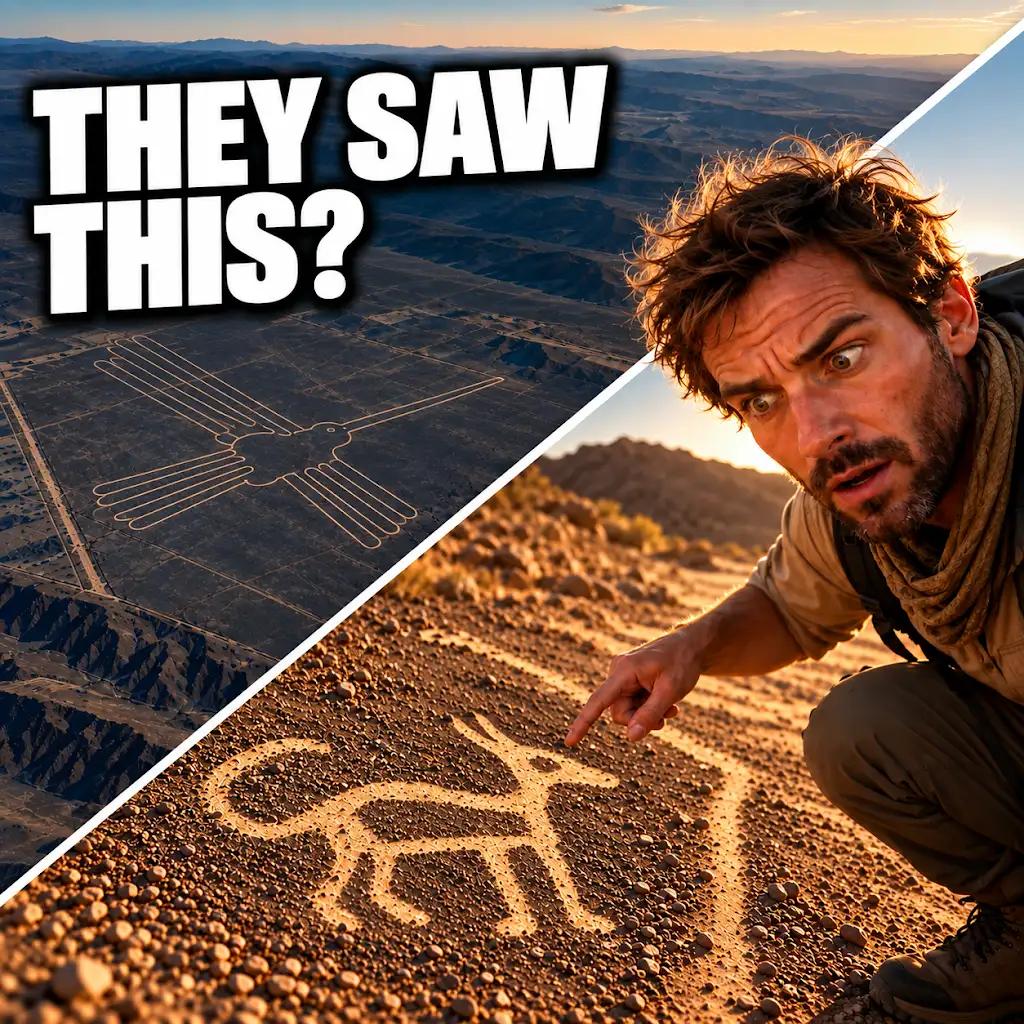
AI Found New Nazca Drawings—Could People See Them from the Ground?
FAQs
What are Nazca small relief-type figures?
Nazca small relief-type figures are small-scale representations of animals, humans, and geometric shapes that were created by the Nazca culture in ancient Peru. These figures were typically made by removing the surrounding material to create a raised relief image.
Where are Nazca small relief-type figures found?
Nazca small relief-type figures are found in the Nazca region of southern Peru, particularly in the Nazca desert. The figures are often located on the surface of the desert floor and can be best viewed from above, such as from nearby hills or aircraft.
What is the significance of Nazca small relief-type figures?
The Nazca small relief-type figures are believed to have had religious or ceremonial significance for the Nazca culture. They may have been created as offerings to the gods, markers for water sources, or as part of rituals related to agriculture and fertility.
How were Nazca small relief-type figures created?
Nazca small relief-type figures were created by removing the dark surface stones and exposing the lighter-colored soil beneath. This process created a contrast that made the figures visible from a distance. The figures were likely made using simple tools such as sticks or stones.
What is the current state of preservation of Nazca small relief-type figures?
The Nazca small relief-type figures are at risk of damage from natural erosion, human activity, and climate change. Efforts are being made to protect and preserve these ancient artworks, including monitoring and conservation measures.