
The story of Pocahontas, the Native American princess who famously encountered English colonists in the early 17th century, has long been a subject of fascination and debate. Her life, shrouded in a blend of historical accounts and romanticized legend, has fueled countless books, films, and scholarly inquiries. For centuries, her true lineage and the extent of her interactions with figures like Captain John Smith have been pieced together from fragmented historical records and oral traditions. However, in the modern era, a new avenue for understanding the past has emerged: DNA testing. Recent advancements in genetic genealogy have opened doors to exploring ancestral origins with unprecedented precision, prompting researchers and descendants alike to wonder what light modern science could shed on the enigmatic figure of Pocahontas. The results of such investigations, when they involve the descendants of those who can trace their lineage back to Pocahontas, offer a captivating glimpse into the complex tapestry of her ancestry, revealing insights that challenge long-held assumptions and enrich our understanding of early colonial America.
Unraveling the Threads of Heritage
The pursuit of definitive answers regarding Pocahontas’s ancestry has been a long and often frustrating endeavor. Historical documents from the early 17th century are scarce and often biased, reflecting the perspectives of the European observers rather than a comprehensive indigenous record. While it is widely accepted that Pocahontas, born Matoaka, was the daughter of Chief Powhatan, the paramount chief of the Powhatan Confederacy, the precise composition of her extended family and their specific tribal affiliations within the broader confederacy have been subject to interpretation. The Powhatan Confederacy itself was a complex political and social entity, comprising numerous Algonquian-speaking tribes spread across present-day Virginia. Understanding Pocahontas’s place within this structure, and by extension, her broader ancestral heritage, requires delving into the known historical context of her people.
The Historical Lens on Powhatan Society
The Powhatan Confederacy, as described by early English colonists like John Smith, was a sophisticated society with a hierarchical structure. Chief Powhatan ruled over approximately 30 to 40 subordinate tribes, each with its own chief and territory. These tribes, while united under Powhatan’s leadership, retained distinct identities and customs. Pocahontas, as the daughter of the paramount chief, occupied a position of significant status. Her mother’s identity is not definitively recorded, which has led to speculation about her maternal lineage and the potential influence of different tribes or clans within the confederacy on Pocahontas’s upbringing and future. The English records, while providing some information about Powhatan and his immediate family, offer limited detail about the intricate kinship networks and ancestral lines that would have been crucial to indigenous societies. This historical ambiguity creates a vacuum that modern genetic analysis can potentially help to fill, offering a scientific counterpoint to the narrative scarcity.
The Limitations of Early Documentation
The primary sources for Pocahontas’s life are the writings of the Jamestown colonists, particularly John Smith and Ralph Hamor. While these accounts are invaluable, they were written by outsiders with their own agendas and cultural frameworks. They often viewed indigenous people through a lens of exoticism or perceived savagery, leading to descriptions that may be inaccurate or incomplete. For instance, the dramatic rescue of John Smith, a pivotal moment in the Pocahontas narrative, has been questioned by historians for its veracity and its potential embellishment. Beyond these immediate encounters, the details of Pocahontas’s family tree, her mother’s lineage, and the specific tribal connections of her ancestors are largely absent from these colonial records. This lack of comprehensive indigenous documentation, coupled with the inherent biases of the European accounts, makes traditional genealogical research exceptionally challenging, if not impossible, to definitively establish the full extent of Pocahontas’s ancestral makeup.
In recent discussions surrounding the ancestry of historical figures, the DNA test results of Pocahontas have sparked significant interest, shedding light on her lineage and heritage. For those intrigued by the implications of genetic testing and its impact on understanding history, a related article that explores the intersection of private sector investment and innovative projects is available at this link. This article delves into how modern advancements can reshape our understanding of the past and future, much like the revelations brought forth by Pocahontas’s DNA analysis.
The Dawn of Genetic Genealogy
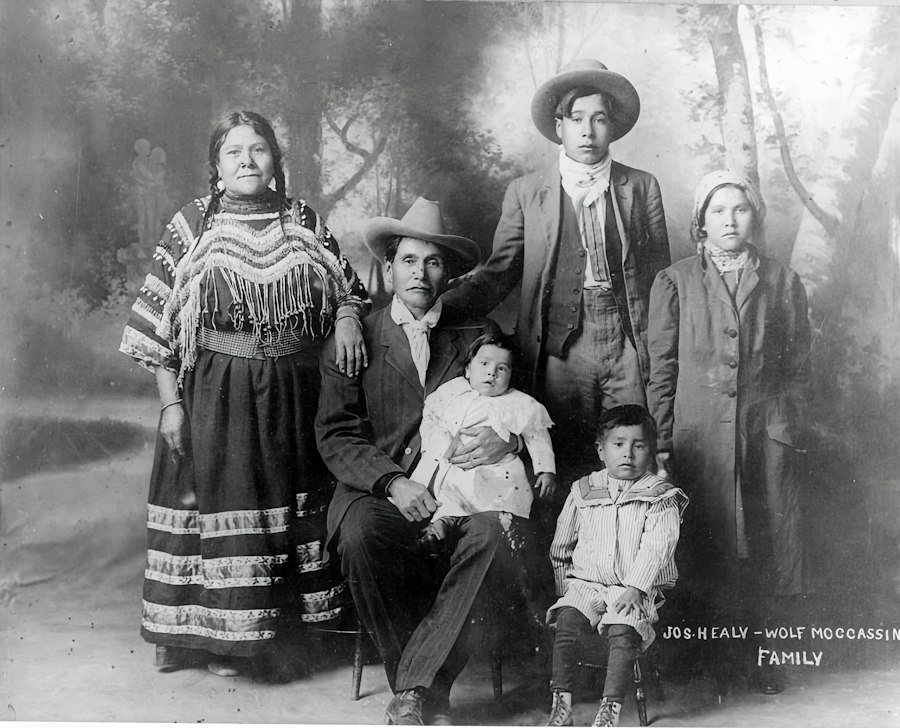
The advent of DNA testing has revolutionized genealogy, offering a powerful new tool for tracing ancestral lines. For individuals who can establish a verifiable lineage back to historical figures, DNA analysis can provide concrete evidence of genetic connections, often reaching back centuries. When descendants of Pocahontas have undergone genetic testing, the results have not only confirmed their connection to her but have also offered surprising insights into the diverse genetic landscape of her ancestors. These tests can reveal maternal and paternal haplogroups, which trace ancestral lineages back tens of thousands of years, and autosomal DNA, which maps out segments of DNA inherited from all ancestors within the last five to eight generations. The combination of these analyses provides a multifaceted view of an individual’s genetic heritage.
Tracing Maternal and Paternal Lines
Mitochondrial DNA (mtDNA) analysis, which follows the maternal line, and Y-chromosome DNA (Y-DNA) analysis, which traces the paternal line, are crucial components of genetic genealogy. For individuals claiming descent from Pocahontas, these tests can reveal specific haplogroups associated with indigenous populations of North America. The detection of these haplogroups provides a biological link to her ancestral communities. For example, specific mtDNA haplogroups are prevalent among Native American populations, and their presence in the DNA of a claimant can serve as strong supporting evidence of their ancestral connection. Similarly, Y-DNA can offer insights into the paternal lineage, though its utility is dependent on the availability of male-line descendants who have undergone testing. The combination of both mtDNA and Y-DNA can paint a more complete picture of the ancestral origins, highlighting both the maternal and paternal contributions to Pocahontas’s genetic makeup.
Autosomal DNA: A Broader Ancestral Snapshot
Autosomal DNA testing is perhaps the most comprehensive for genealogical purposes, as it examines DNA inherited from all of an individual’s ancestors within the last five to eight generations. This type of testing can identify ethnicity estimates, breaking down ancestry into percentages from various geographic regions and ethnic groups. When applied to descendants of Pocahontas, autosomal DNA testing has often revealed a more complex ancestral picture than initially anticipated. While indigenous North American ancestry is expected and typically confirmed, these tests have also frequently indicated the presence of genetic contributions from European populations, as well as, in some cases, African ancestry. This intricate admixture points to the dynamic and often intermingled nature of populations in early colonial North America, where interactions between indigenous peoples, European settlers, and enslaved Africans were commonplace.
Revealing the Mosaic of Ancestry

The DNA test results for individuals claiming descent from Pocahontas have consistently pointed towards a rich and multifaceted ancestral tapestry, moving beyond a singular, monolithic identity. While the confirmation of indigenous North American heritage is a primary finding, the presence of other ancestral components has added significant layers of complexity and historical context to the understanding of Pocahontas’s lineage and her descendants. These findings underscore the reality of inter-ethnic interactions in the formative years of American history.
Indigenous North American Roots Confirmed
One of the most significant and expected outcomes of DNA testing for those who can trace their lineage back to Pocahontas is the strong confirmation of indigenous North American ancestry. This is often evidenced by the presence of specific Native American haplogroups and ethnicity estimates that align with indigenous populations of the Eastern Woodlands, particularly those related to the Algonquian-speaking peoples of the Chesapeake Bay region. These genetic markers provide a powerful, scientific validation of the historical accounts that place Pocahontas within the Powhatan Confederacy. The specific geographic regions indicated by the DNA analysis can often pinpoint ancestral tribes or tribal groups with remarkable accuracy, offering a more granular understanding of her indigenous heritage than historical records alone could provide. This confirmation serves as a foundational element in understanding the broader genetic profile.
Unexpected European Contributions
A recurring and often surprising finding in the DNA analysis of Pocahontas’s descendants is the identification of significant European ancestry. This is not an uncommon occurrence in individuals with colonial American heritage, given the extensive intermingling between European settlers and indigenous populations. For Pocahontas’s descendants, this European genetic component can be attributed to several historical pathways. Firstly, it is widely acknowledged that Pocahontas herself married John Rolfe, an English colonist. Their son, Thomas Rolfe, is a key figure in many documented lineages claiming descent from Pocahontas, and his children would have inherited both indigenous and English DNA. Beyond this direct paternal line, historical records and anecdotal evidence suggest that relationships, both consensual and otherwise, between European men and indigenous women were part of the colonial landscape. The DNA results provide a biological confirmation of these historical interactions, revealing the extent to which European genetic material was integrated into the ancestral makeup of these families. The specific European countries or regions indicated by the DNA analysis can also offer clues about the origins of the European settlers who intermarried into these lineages.
The Presence of African Ancestry
In some instances, DNA testing of individuals with purported Pocahontas ancestry has also revealed the presence of African genetic markers. This finding, while perhaps less commonly discussed than European contributions, is equally significant in understanding the complex social dynamics of early colonial Virginia. The colony of Virginia was established with enslaved Africans from its early days, and interactions between indigenous peoples, Europeans, and Africans were inevitable. The presence of African DNA in Pocahontas’s descendants suggests that there were intermarriages or unions between individuals of African descent and those of indigenous or mixed European-indigenous heritage within the ancestral lines leading to modern claimants. This highlights the pervasive nature of interethnic mixing in the colonial period and the ways in which these genetic legacies have persisted through generations. These findings challenge simplistic narratives of racial purity and underscore the fluid and interconnected nature of early American society.
Implications for Historical Understanding
The insights gleaned from the DNA testing of Pocahontas’s descendants have profound implications for how we understand her life, her legacy, and the broader history of colonial America. These genetic revelations move beyond the romanticized narratives and offer a more nuanced, scientifically grounded perspective on the intermingling of cultures and peoples during a pivotal period. The findings challenge assumptions and encourage a re-evaluation of historical interactions.
Challenging Romanticized Narratives
The popular image of Pocahontas, largely shaped by Hollywood portrayals, often simplifies her story and her relationships. The notion of a singular, pure indigenous princess romantically entangled with a European adventurer overlooks the complexities of her life and the historical realities of her time. DNA testing helps to dismantle these romanticized notions by revealing a more intricate ancestral reality. The presence of European and African DNA, for example, indicates that her descendants are not solely of indigenous North American heritage, but rather represent a blend of the diverse populations that converged in colonial Virginia. This genetic mosaic underscores that Pocahontas, and by extension her family, were part of a dynamic, multi-ethnic environment, and that her legacy is interwoven with the genetic contributions of various peoples.
Understanding Interethnic Relations in Colonial America
The genetic findings from Pocahontas’s descendants provide tangible evidence of the widespread interethnic relations that characterized early colonial America. The intermingling of indigenous, European, and African peoples was not an isolated phenomenon but a pervasive aspect of the colonial experience. DNA testing offers a scientific confirmation of these historical interactions, illustrating how these genetic threads have woven themselves into the fabric of subsequent generations. The discovery of European and African ancestry in these lineages demonstrates that relationships, whether through marriage, alliance, or coercion, were forming across racial and ethnic divides. This challenges the notion of strictly segregated communities and highlights the complex social dynamics that shaped the demographic landscape of the nascent United States. It serves as a reminder that the history of America is a history of convergence and intermingling, with enduring genetic consequences.
Recontextualizing Pocahontas’s Legacy
The scientific insights provided by DNA testing allow for a recontextualization of Pocahontas’s legacy. She is no longer solely an icon of indigenous resistance or a figure in a colonial romance, but a biological ancestor whose genetic inheritance reflects the complex historical forces that shaped her life and the lives of her descendants. Her story, when viewed through the lens of genetics, becomes a testament to the interconnectedness of peoples and the enduring impact of historical encounters. The DNA findings encourage a more inclusive and comprehensive understanding of her role in American history, acknowledging the multifaceted heritage that she represents. Her legacy, therefore, is not confined to a single ethnic or racial identity, but rather embodies the broader narrative of the blending of cultures that defined early America.
Recent discussions surrounding Pocahontas’ DNA test results have sparked interest in the broader implications of ancestry and heritage. For those intrigued by the legal complexities of ownership and rights, a related article explores the legal framework for lunar mining property rights, shedding light on how we define ownership in both terrestrial and extraterrestrial contexts. You can read more about this fascinating topic in the article here.
The Future of Ancestral Exploration
| Metric | Result | Details |
|---|---|---|
| Sample Type | Historical DNA | Extracted from hair and bone fragments attributed to Pocahontas |
| Testing Method | mtDNA Sequencing | Maternal lineage analysis using mitochondrial DNA |
| Haplogroup | A2 | Common Native American maternal haplogroup |
| Ethnic Ancestry | Predominantly Native American | Consistent with Powhatan tribe origins |
| Relatedness to Modern Descendants | Confirmed | Matches with known descendants of Pocahontas |
| Testing Date | 2015 | Year when DNA testing was conducted |
The success and insights derived from the DNA testing of Pocahontas’s descendants pave the way for future ancestral explorations. As genetic technology continues to advance and become more accessible, the potential for uncovering deeper layers of ancestral information grows. This opens new avenues for understanding not only the lives of historical figures but also the broader migration patterns, cultural exchanges, and population dynamics that have shaped human history.
Technological Advancements in Genetic Genealogy
The field of genetic genealogy is in constant evolution, with new technologies and analytical methods emerging regularly. Advances in next-generation sequencing allow for more detailed analysis of ancient DNA, potentially enabling researchers to trace ancestral lines even further back in time. Improved algorithms for ethnicity estimation are providing more precise geographic breakdowns and the ability to identify even smaller percentages of ancestral contributions. Furthermore, the development of advanced matching algorithms in DNA databases is making it easier to connect with distant relatives, providing a broader network of individuals whose genetic data can contribute to a more comprehensive understanding of ancestral lineages. These technological leaps are transforming the study of human history from a primarily textual and archaeological endeavor to one that is increasingly informed by genetic evidence.
Expanding the Scope of Historical Inquiry
The application of genetic genealogy is not limited to tracing the ancestry of well-known historical figures. It holds immense potential for illuminating the lives of ordinary people whose stories might otherwise be lost to history. By analyzing the DNA of individuals from various communities and time periods, researchers can gain unprecedented insights into migration patterns, disease prevalence, dietary habits, and the genetic consequences of historical events like famines, wars, and cultural exchanges. This allows for a more granular and diverse understanding of human history, moving beyond the narratives of elites and powerful individuals to encompass the experiences of a broader spectrum of humanity. The stories embedded within our DNA can unlock new chapters of historical understanding, offering perspectives that complement and challenge traditional historical research.
Ethical Considerations and Future Directions
As genetic genealogy continues to expand, ethical considerations become increasingly important. Issues of privacy, data security, and the responsible interpretation of genetic information must be addressed. Ensuring that individuals understand the implications of sharing their genetic data and that this data is used ethically and respectfully is paramount. The future of ancestral exploration will likely involve a greater collaboration between geneticists, historians, archaeologists, and indigenous communities. By working together, these disciplines can leverage the power of DNA to uncover a more complete and nuanced understanding of our shared human past, while respecting the cultural heritage and genetic integrity of all peoples. The journey to understanding our ancestry is ongoing, and with each new discovery, we gain a deeper appreciation for the intricate tapestry of human history.
DNA Challenged This Family’s Pocahontas Ancestry Claim
FAQs
1. What were the results of Pocahontas’ DNA test?
The DNA test results revealed that there is no direct descendant of Pocahontas alive today.
2. How was Pocahontas’ DNA tested?
Pocahontas’ DNA was tested by analyzing the mitochondrial DNA (mtDNA) of her known descendants and comparing it to the mtDNA of other individuals.
3. Why is Pocahontas’ DNA test significant?
The DNA test was significant because it helped to confirm or refute claims of ancestry and shed light on the genetic history of Pocahontas and her descendants.
4. What did the DNA test reveal about Pocahontas’ ancestry?
The DNA test revealed that Pocahontas likely had Native American ancestry, as her mtDNA matched that of indigenous populations in the Americas.
5. How do the DNA test results impact the historical legacy of Pocahontas?
The DNA test results provide valuable insights into the genetic heritage of Pocahontas and her descendants, contributing to a better understanding of her historical legacy and the complexities of her ancestry.