
The enduring fascination with Pocahontas, the Powhatan princess whose life intersected with the nascent English settlement of Jamestown, extends far beyond the popular narratives of her romanticized encounters with Captain John Smith. While these tales have been immortalized in art, literature, and film, a deeper exploration of Pocahontas’s true family tree and the lasting legacy of her descendants offers a more complex and profound understanding of her impact on history. This article delves into the historical records and genealogical research that illuminate the lineage of Pocahontas, tracing the connections that have shaped families and communities for centuries.
Unraveling the Powhatan Matriarchy
The social structure of the Powhatan Confederacy, of which Pocahontas was a prominent member, was fundamentally matriarchal. Descent and inheritance were traced through the maternal line, a crucial element in understanding Pocahontas’s position and the legitimacy of her descendants. Her father, Chief Wahunsenaca, also known as Powhatan, ruled over thirty Algonquian-speaking tribes. Pocahontas, whose given name was Matoaka, was one of his many daughters, born into a lineage of power and influence. While popular culture often portrays her as a young child when she met the English, historical accounts suggest she was a young woman, likely in her late teens, when these pivotal interactions occurred. This understanding of her age is vital when considering her adult life and subsequent family.
Pocahontas’s Marriage and the Birth of a New Branch
Pocahontas’s life took a significant turn when she was captured by the English. During her captivity, she was converted to Christianity, baptized Rebecca, and married John Rolfe, an English tobacco planter. This union, though born from complex circumstances, was a pivotal moment, creating a direct link between the Powhatan people and English colonists. The marriage was intended to foster peace between the two groups and was a strategic alliance that had far-reaching implications.
The Voyage to England and the Early Years of a Family
In 1616, Pocahontas, now known as Rebecca Rolfe, accompanied her husband and their young son, Thomas Rolfe, to England. This journey was a significant undertaking, bringing the “savage princess” to the heart of European society. In England, she was presented at court, and her story captured the public imagination. This period of her life, though brief, solidified her role as a bridge between two worlds. She contracted a fatal illness shortly before their planned return to Virginia, dying in Gravesend, England, in 1617. Her son, Thomas, remained in England under the care of his uncle and later returned to Virginia.
The exploration of Pocahontas’ descendants and their family tree has intrigued many historians and genealogists, shedding light on the rich heritage and legacy of this iconic figure. For those interested in understanding the broader implications of historical narratives and their impact on contemporary society, a related article discussing the U.S. government’s authority in declared disasters can provide valuable context. You can read more about this topic in the article available at this link.
Tracing the Descendants Through Colonial Records
The survival of Pocahontas’s son, Thomas Rolfe, is the linchpin in tracing her direct lineage. While Pocahontas herself died young, her son lived to adulthood and played a significant role in colonial Virginia. The subsequent generations of Rolfe descendants, and those who married into the Rolfe line, form the core of Pocahontas’s legacy through her bloodline. Genealogical research relies heavily on colonial records, including land grants, wills, marriage licenses, and church records, to track these family lines.
The Rolfe Family and Intermarriage with Colonial Gentry
Thomas Rolfe married and had children, establishing the Rolfe family as a prominent presence in colonial Virginia. Over time, the Rolfe family intermarried with many of the leading colonial families, including names like the Hardwines, Poythress, and Bland. These unions were not uncommon; as the colony grew and stabilized, intermarriage became a way to forge alliances and solidify social standing. The descendants of Pocahontas, through the Rolfe line, became integrated into the fabric of Virginian society, often holding positions of influence and wealth.
The Challenge of Proving Direct Descent
Despite the proliferation of families claiming descent from Pocahontas, proving a direct lineage can be challenging. The fragmented nature of historical records, particularly from the colonial era, can create gaps and ambiguities. Furthermore, the romanticized and often exaggerated narratives surrounding Pocahontas have led to unsubstantiated claims. Modern genealogical research employs rigorous methodologies, including DNA analysis, alongside traditional documentary evidence, to establish the accuracy of lineage claims.
The Enduring Legacy: Beyond Bloodlines
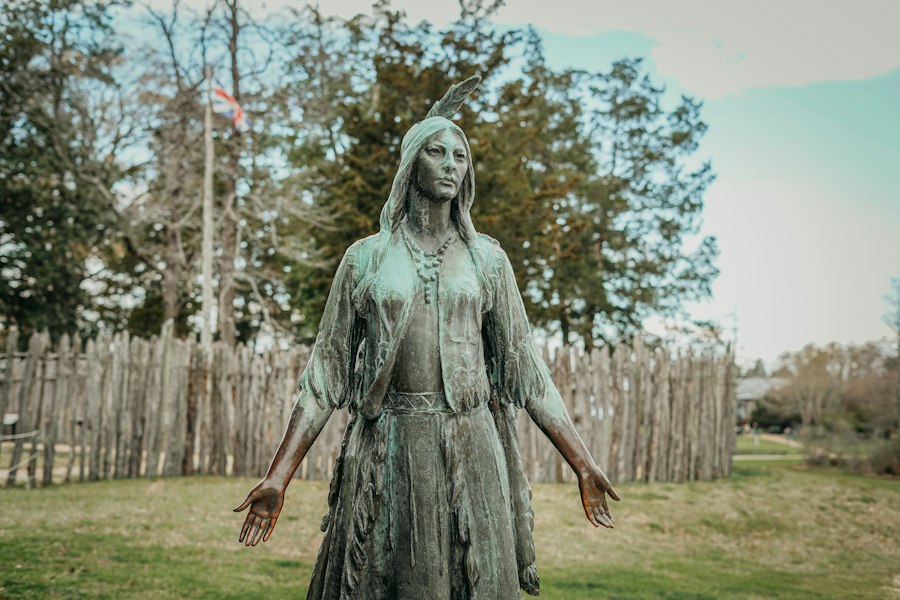
The legacy of Pocahontas extends far beyond her direct descendants. Her story, however interpreted, has served as a potent symbol in American history, representing the complex and often fraught relationship between Native Americans and European settlers. Her actions, whether perceived as an act of defiance, a strategic alliance, or a plea for peace, have been debated and reinterpreted for centuries.
Cultural Impact and Scholarly Re-evaluation
The popular image of Pocahontas has been heavily influenced by artistic representations, from John G. C. John Smith’s own accounts to the Disney animated film. These portrayals often prioritize romanticism and simplification, sometimes at the expense of historical accuracy and the complexities of Powhatan culture and the realities of colonial expansion. In recent decades, there has been a concerted effort by historians and scholars to re-evaluate Pocahontas’s life and legacy from a more nuanced and accurate perspective, acknowledging the agency she possessed and the difficult choices she faced. This scholarly re-evaluation seeks to move beyond the simplistic myths and understand her as a historical figure within her own cultural context.
Native American Perspectives and the Reclamation of Identity
For many Native American communities, particularly the Pamunkey and Mattaponi tribes, Pocahontas remains a significant ancestral figure. While the popular narrative often focuses on her relationship with the English, her primary identity was as a member of the Powhatan Confederacy. Descendants who trace their lineage through the maternal lines of the Powhatan tribes often maintain strong connections to their heritage and cultural traditions. The reclamation of Pocahontas’s story by Native American voices is crucial in countering colonial narratives and asserting the continuity of Indigenous cultures and peoples.
Examining Genealogical Debates and Modern Claims
The question of who is a descendant of Pocahontas has been a subject of ongoing debate and fascination. The desire to connect with such a prominent historical figure has led to numerous claims, some well-documented and others less so. Genealogical societies and historical researchers often encounter these claims, and a rigorous approach is necessary to authenticate them.
The Role of DNA Evidence in Genealogy
In recent years, DNA testing has become an increasingly valuable tool in genealogical research. While DNA evidence cannot definitively prove a specific historical lineage without supporting documentary evidence, it can provide strong indicators of ancestry. For individuals seeking to establish a connection to Pocahontas, DNA testing can offer clues about their genetic heritage and potential links to her known descendants or broader Powhatan ancestral groups. However, it is crucial to remember that DNA reveals broad genetic patterns and requires careful interpretation in conjunction with historical research.
Prominent Families and Genealogical Societies
Several prominent families in the United States can trace their ancestry back to Pocahontas through documented lines, primarily via her son, Thomas Rolfe. These lineages are often meticulously researched and maintained by the families themselves and by various genealogical societies. Organizations like the Jamestowne Society, for example, meticulously vet lineages to determine eligibility for membership, which often requires demonstrating descent from individuals who arrived in Virginia before 1624 or were members of the Virginia General Assembly. Claims of descent from Pocahontas are subject to the same rigorous scrutiny within these established genealogical frameworks. The ongoing work of these societies ensures that the historical record, as far as it can be reliably established, is maintained.
The fascinating history of Pocahontas and her descendants continues to intrigue many, as it reveals the complex interplay of cultures and identities in early America. For those interested in exploring the family tree of Pocahontas and understanding her legacy, a related article delves into the broader implications of social dynamics and historical narratives. You can read more about this in the insightful piece on archaeology and social collapse, which can be found here. This connection not only highlights Pocahontas’s significance but also sheds light on the historical context surrounding her life and descendants.
The Lasting Resonance of a Complex Figure
| Ancestor | Relation to Pocahontas | Notable Descendants | Generation |
|---|---|---|---|
| Pocahontas (Matoaka) | Progenitor | Thomas Rolfe | 1 |
| John Rolfe | Husband | Thomas Rolfe | 1 |
| Thomas Rolfe | Son | Jane Rolfe | 2 |
| Jane Rolfe | Granddaughter | Robert Bolling | 3 |
| Robert Bolling | Great-grandson | John Bolling | 4 |
| John Bolling | Great-great-grandson | Numerous descendants in Virginia | 5 |
Pocahontas remains a figure of enduring fascination, her story intertwined with the foundational narratives of America. The exploration of her family tree and legacy reveals a story far richer and more complex than the popular myths suggest. From the matriarchal structures of the Powhatan Confederacy to the intermarriages that wove her lineage into the fabric of colonial Virginia, her impact is undeniable.
The Continuum of Heritage and Identity
The descendants of Pocahontas, whether through direct paternal or maternal lines, carry a heritage that bridges centuries and cultures. Their existence serves as a tangible link to a pivotal period in American history, reminding us of the interwoven destinies of Native Americans and European settlers. The ongoing research into her lineage and the cultural interpretations of her life continue to shed light on the complexities of the past and the enduring resilience of Indigenous peoples. The story of Pocahontas is not just one of a historical individual but a testament to the enduring power of lineage, cultural exchange, and the persistent pursuit of historical truth. It is a narrative that continues to evolve, enriched by new scholarship and the voices of those who carry her legacy forward. The exploration of her family tree is an ongoing journey, constantly revealing new facets of a remarkable woman and her profound impact on the historical landscape.
DNA Challenged This Family’s Pocahontas Ancestry Claim
FAQs
1. Who are some famous descendants of Pocahontas?
Some famous descendants of Pocahontas include First Lady Edith Wilson, Confederate General Robert E. Lee, and astronomer Percival Lowell.
2. How can I trace my lineage back to Pocahontas?
You can trace your lineage back to Pocahontas by researching genealogical records, such as birth certificates, marriage records, and census data. Online resources like Ancestry.com and FamilySearch.org can also be helpful in building your family tree.
3. Are there any specific surnames associated with Pocahontas’ descendants?
Some common surnames associated with Pocahontas’ descendants include Bolling, Randolph, Custis, and Byrd. These families have maintained detailed genealogical records that connect them to Pocahontas.
4. How many generations are typically included in a Pocahontas descendants family tree?
A Pocahontas descendants family tree can span over 10 generations, starting from Pocahontas herself in the early 17th century to present-day descendants. This can include hundreds, if not thousands, of individuals.
5. Are there any organizations dedicated to preserving the history of Pocahontas’ descendants?
Yes, there are organizations such as the Pocahontas Descendants Society and the Pocahontas Foundation that are dedicated to preserving the history and heritage of Pocahontas’ descendants. These groups often host events, reunions, and provide resources for genealogical research.