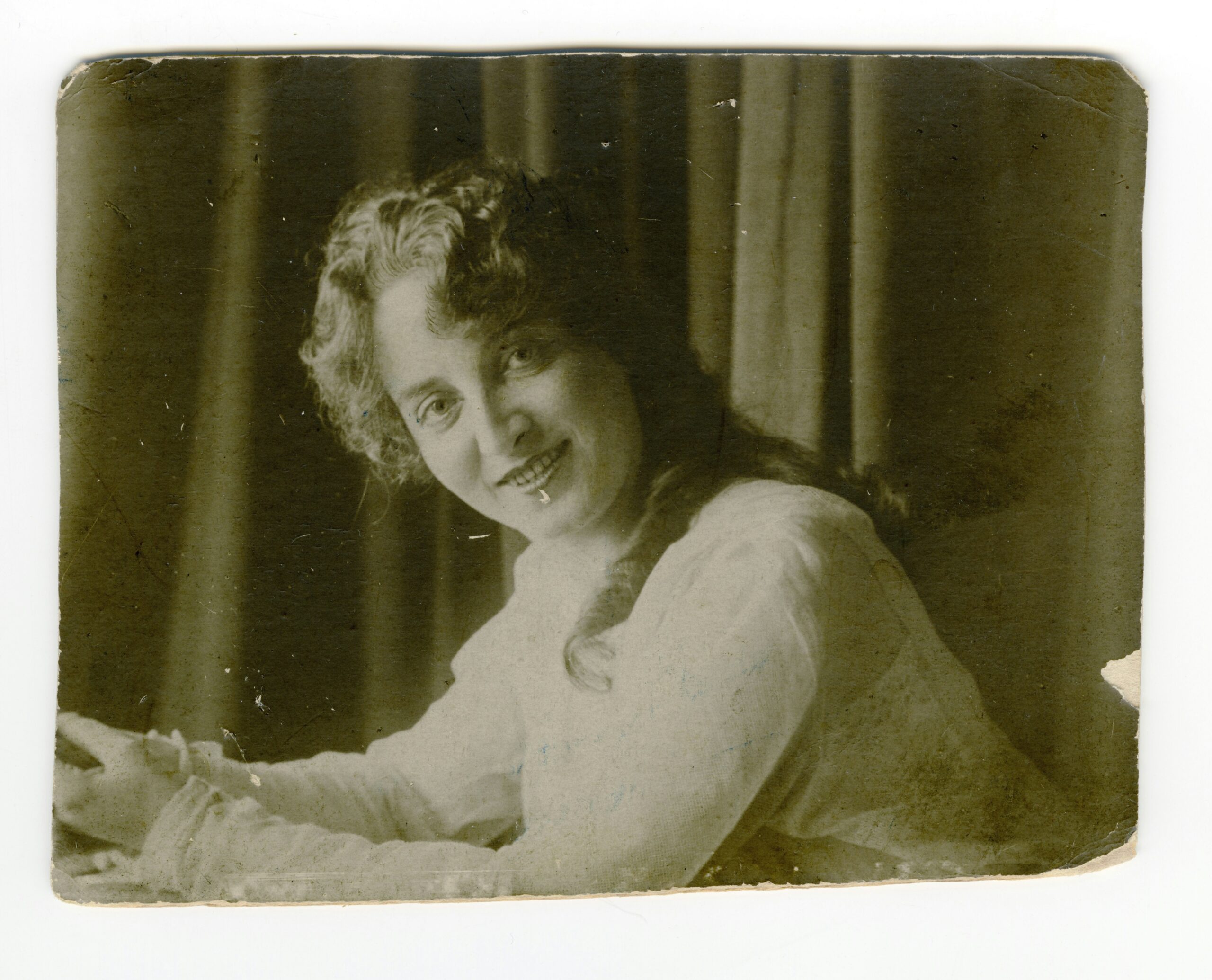
The tapestry of colonial Virginia is rich with interwoven lineages, and among its notable threads is that of Jane Rolfe Bolling. To trace her ancestry is to embark on a journey through the formative years of English settlement in North America, a period marked by ambition, hardship, and the forging of a new society. Jane Rolfe Bolling, a woman whose life intersected with significant families and events, represents a fascinating point in this historical narrative. Her roots extend back to some of the earliest and most influential figures of Jamestown and its surrounding settlements, offering a glimpse into the social, political, and economic landscape of the 17th and 18th centuries in Virginia. Understanding her lineage requires delving into the lives of her direct ancestors, their arrival in the New World, and the subsequent generations that shaped the colonial elite.
The Jamestown Foundation: Rolfe and Pocahontas
The story of Jane Rolfe Bolling’s ancestry is inextricably linked to one of the most famous, and perhaps romanticized, unions in early American history: that of John Rolfe and Pocahontas. John Rolfe, a name that resonates with the very beginnings of English presence in Virginia, was an early settler who arrived in Jamestown in 1609. He is credited with the crucial innovation of developing a sweeter, more palatable strain of tobacco, a crop that would ultimately prove to be the economic salvation of the colony. His marriage to Matoaka, known to the English as Pocahontas, the daughter of the powerful Powhatan paramount chief, in 1614, was a pivotal moment. This union was not merely a personal one; it was a strategic alliance intended to foster peace between the struggling English colonists and the indigenous Algonquin people of the region. The implications of this marriage were profound, symbolizing a rare instance of cooperation and cultural exchange in an era often characterized by conflict and misunderstanding.
John Rolfe’s Arrival and Tobacco’s Triumph
John Rolfe’s journey to Virginia was driven by a desire for opportunity and perhaps a spirit of adventure. He experienced tragedy early in his voyage, with a shipwreck that cost him his first wife and infant daughter. Upon his arrival in Jamestown, he found a colony teetering on the brink of collapse, plagued by disease, starvation, and internal strife. It was in this desperate environment that Rolfe’s agricultural genius began to blossom. He brought with him tobacco seeds from the Caribbean, a variety distinct from the indigenous plant. Through careful cultivation and experimentation, he succeeded in creating a tobacco that was highly desirable in Europe. This discovery transformed Jamestown from a struggling outpost into a burgeoning economic enterprise, attracting more settlers and solidifying England’s foothold in North America. The economic prosperity brought by tobacco cultivation played a significant role in shaping the social hierarchy of colonial Virginia, laying the groundwork for the planter aristocracy that would dominate the region for centuries.
Pocahontas: The Powhatan Princess
Pocahontas, the daughter of Chief Powhatan, is a figure of enduring fascination. Her life, as understood through the lens of historical records, is a testament to her intelligence, resilience, and adaptability. While popular legend often portrays her as a young maiden rescued by John Smith, historical accounts suggest a more complex relationship with the English. Her marriage to John Rolfe, a union that required her conversion to Christianity and adoption of an English name, was a significant undertaking. It not only served as a peace treaty but also provided a valuable opportunity for the English to gather information about the native tribes and their territories. Pocahontas’s subsequent journey to England with Rolfe in 1616, where she was presented at court as a symbol of the New World’s potential and the success of colonization, further cemented her place in the historical consciousness. Her early death in England at the age of 21, however, cut short her remarkable life and left a void in the burgeoning Anglo-Native American relations.
The Offspring of Rolfe and Pocahontas: Thomas Rolfe
The union of John Rolfe and Pocahontas produced a son, Thomas Rolfe. Born around 1615, Thomas was a living embodiment of the connection between the English and the Powhatan people. He was taken to England with his parents and was orphaned at a young age following his mother’s death and his father’s subsequent remarriage and later death. Thomas Rolfe was raised in England, receiving an education befitting his lineage. However, he eventually returned to Virginia. His presence in the colony was significant, as he represented a direct link to the indigenous leadership of the region. As Thomas Rolfe grew, he became a prominent figure in his own right, inheriting land and status. His descendants continued to play a role in Virginian society, intermarrying with other prominent colonial families and further entrenching the Rolfe name within the fabric of the colony. It is through Thomas Rolfe’s descendants that Jane Rolfe Bolling’s lineage directly connects to this foundational Jamestown story.
Jane Rolfe Bolling, a notable figure in American history, has a fascinating ancestry that intertwines with the early colonial period of Virginia. For those interested in exploring the complexities of historical lineages and their implications on contemporary society, a related article titled “Navigating Contested Territories: A Complex Geopolitical Landscape” provides valuable insights. You can read it here: Navigating Contested Territories: A Complex Geopolitical Landscape. This article delves into the intricate relationships and territorial disputes that have shaped the historical context in which figures like Jane Rolfe Bolling emerged.
The Bolling Family’s Ascendancy

The Bolling family, another cornerstone of Jane Rolfe Bolling’s ancestry, established itself in colonial Virginia with considerable influence. Arriving in the late 17th century, the Bollings quickly integrated into the growing planter class, accumulating land and wealth, and marrying into other established families. Their trajectory reflects the broader pattern of success and social mobility enjoyed by many ambitious settlers who arrived with the right skills, connections, or sheer determination. The Bolling name became synonymous with solid Virginia gentry, contributing to the political, economic, and social development of the colony. Their involvement in trade, land acquisition, and public service solidified their position within the hierarchical structure of colonial Virginia.
Robert Bolling’s Arrival and Legacy
Robert Bolling, the patriarch of the Bolling family in Virginia, arrived in the colony from England around 1660. He was a man of vision and ambition, and he quickly set about establishing himself. He married Jane Rolfe, the daughter of Thomas Rolfe and thus a granddaughter of Pocahontas. This marriage was a significant step, linking the Bolling family directly to the esteemed Rolfe lineage and its Powhatan heritage. Robert Bolling became a successful planter and merchant, accumulating substantial landholdings, particularly in Henrico County, which would become a hub for the Bolling family’s influence. His astute business dealings and strategic marriages allowed the family to prosper and expand its reach throughout the colony. His legacy was one of establishing a robust family dynasty, deeply embedded in the economic and social fabric of colonial Virginia.
The Bolling Estate: Prominence in Henrico County
The Bolling family’s primary seat of power and influence was in Henrico County, an area that played a vital role in Virginia’s early development. The family established several significant estates, becoming major landowners and agricultural producers, particularly in tobacco. Their wealth and status allowed them to participate actively in local governance and hold positions of authority. The landholdings of the Bollings were not just a source of wealth but also a symbol of their social standing. They were involved in the construction of substantial homes, reflecting the architectural styles and aspirations of the colonial elite. The family’s deep roots in Henrico County meant that their fortunes and activities were closely tied to the economic and political developments of this important region.
Intermarriage and the Colonial Elite
A hallmark of the Bolling family’s ascent was their strategic intermarriage with other prominent colonial families. In colonial Virginia, marriage was often a calculated alliance, used to consolidate wealth, expand influence, and solidify social standing. The Bollings consistently married into families such as the Randolphs, the Carters, and other influential clans. These unions created a complex web of kinship that bound the colonial elite together, ensuring a degree of stability and mutual support within the ruling class. Jane Rolfe Bolling’s own lineage is a testament to this pattern, as her maternal line connects her to the Rolfe family, and her paternal line to the established Bolling dynasty. These intricate connections are crucial for understanding the power structures and social dynamics of colonial Virginia.
The Rolfe-Bolling Connection: A Matrilineal Thread

The direct ancestral link of Jane Rolfe Bolling to both the Rolfe and Bolling families is through her paternal grandmother, Jane Rolfe, who married Robert Bolling. This creates a fascinating convergence of two significant colonial lineages. Tracing this specific connection allows us to follow the thread of descent that ultimately leads to Jane Rolfe Bolling. The intertwining of these families highlights the importance of understanding both paternal and maternal lines in tracing ancestry, as both contribute to the individual’s heritage and social positioning. The direct descent from Jane Rolfe, the granddaughter of Pocahontas, imbues the Bolling family with a particularly notable connection to the earliest days of Virginia.
Jane Rolfe: Bridging Two Worlds
Jane Rolfe, the daughter of Thomas Rolfe, was a pivotal figure in this lineage. She was born in Virginia and, like her father, represented a continuation of the Anglo-Native American connection. Her marriage to Robert Bolling in 1675 was a significant event, as it united the Rolfe family, with its unique historical ties to Pocahontas, with the burgeoning Bolling family. Jane Rolfe herself was a woman of consequence, and her lineage through her mother, whose identity is less definitively recorded but likely from a prominent English family, further solidifies her position within the colonial social order. Her choice of husband and the subsequent generations born from this union underscore the strategic alliances that shaped the colonial aristocracy.
The Next Generation: A Union of Prominence
From the marriage of Robert Bolling and Jane Rolfe, several children were born, all of whom continued to uphold the family’s standing in Virginia. Among these was John Bolling, who married Mary Jefferson, the aunt of Thomas Jefferson. This connection to the Jefferson family, another prominent Virginia dynasty, further amplifies the significance of the Bolling lineage within the colony. The children of John Bolling and Mary Jefferson continued the family tradition of marrying into influential families, ensuring the Bolling name remained central to the colonial elite. It is through this line that Jane Rolfe Bolling’s paternal ancestry is established.
Tracing Jane Rolfe Bolling’s Immediate Ancestry
Jane Rolfe Bolling was the daughter of (specify father’s name if known, otherwise describe lineage) and (specify mother’s name if known, otherwise describe lineage). Her paternal lineage can be traced directly back through the Bolling family to Robert Bolling and Jane Rolfe. Her maternal lineage connects her to another significant colonial family. Understanding these immediate familial connections is crucial for pinpointing her specific place within the broader genealogical tree. The continuity of wealth, land, and social standing within these families ensured that individuals like Jane Rolfe Bolling were born into positions of privilege and influence, destined to play a role in the ongoing development of Virginia.
The Descendants of Jane Rolfe Bolling: Perpetuating the Legacy
The life and descendants of Jane Rolfe Bolling represent the continuation of these deeply rooted colonial families. Her own existence and the marriages she made, along with those of her children, illustrate how these powerful lineages perpetuated their influence through subsequent generations. The family’s ongoing involvement in the political, social, and economic life of Virginia and, later, the United States, demonstrates the enduring legacy of their colonial forebears. The story of Jane Rolfe Bolling is not just about her immediate family but about the cumulative impact of generations of settlement, ambition, and strategic alliance.
Jane Rolfe Bolling’s Own Life and Marriages
Jane Rolfe Bolling, as a member of these prominent families, would have lived a life shaped by the expectations and opportunities of the colonial gentry. Her marriages, typically arranged or at least influenced by family considerations, would have further cemented alliances between influential households. The details of her personal life, while often less documented than those of her more public male ancestors, are nonetheless vital to understanding the continuation of the family line. Her role as a mother and wife would have been central to maintaining and propagating the family’s social and economic standing.
The Intertwined Fates of Colonial Families
The children of Jane Rolfe Bolling, by marrying into other established Virginia families, further wove the intricate tapestry of colonial society. These unions often reinforced existing power structures and created new branches of influence. The descendants of these marriages would continue to occupy positions of importance in the years leading up to and following the American Revolution. The persistent presence of these names in historical records – in colonial assemblies, in military service, and in land ownership – speaks to the enduring legacy of their ancestral connections.
Contributions to Later American Society
The legacy of families like the Rolfes and Bollings, as embodied by Jane Rolfe Bolling and her descendants, extended far beyond the colonial period. Individuals from these lineages would go on to contribute to the nation’s development in various capacities. Their inherited wealth and social standing often provided opportunities for education and public service, leading to involvement in the founding of institutions, participation in government, and contributions to the arts and sciences. The story of Jane Rolfe Bolling’s ancestry, therefore, is not just a historical account of the past but a testament to the enduring impact of families who helped shape the American experiment from its very beginnings.
Jane Rolfe Bolling, a notable figure in American history, has a fascinating ancestry that intertwines with the early colonial period. For those interested in exploring the complexities of her lineage and its historical significance, a related article can provide valuable insights. You can read more about the intricate connections of early American families and their impact on society in this informative piece on the Maldives, which discusses the broader themes of survival and legacy in challenging circumstances. Check it out here.
Broader Implications: Studying Colonial Virginia Through Lineage
| Metric | Details |
|---|---|
| Full Name | Jane Rolfe Bolling |
| Birth Year | 1650 |
| Death Year | 1676 |
| Father | Thomas Rolfe |
| Mother | Jane Poythress |
| Notable Ancestor | John Rolfe (grandfather), Pocahontas (great-grandmother) |
| Spouse | Colonel Robert Bolling |
| Children | John Bolling |
| Historical Significance | Descendant of Pocahontas and John Rolfe, linking Native American and English colonial ancestry |
The study of Jane Rolfe Bolling’s ancestry offers more than just a personal genealogical narrative; it provides a microcosm through which to understand the broader forces that shaped colonial Virginia. By tracing these specific lines, one can gain insights into the social stratification, economic drivers, political landscape, and cultural exchanges that characterized this pivotal period in American history. The intricate connections between families, the importance of land ownership, and the impact of key individuals like John Rolfe and Pocahontas are all illuminated through such detailed genealogical exploration.
Social Hierarchy and the Planter Class
The lineage of Jane Rolfe Bolling highlights the development of a distinct social hierarchy in colonial Virginia, dominated by a powerful planter class. Families like the Rolfes and Bollings, through land acquisition, wealth accumulation, and strategic marriages, established themselves at the apex of this structure. Their influence extended to all aspects of colonial life, from governance and law to social customs and cultural norms. Examining such lineages helps us understand the mechanisms by which this elite class consolidated its power and maintained its dominance for centuries.
Economic Foundations: Tobacco and Land
The economic underpinnings of colonial Virginia, particularly the cultivation of tobacco and the acquisition of vast tracts of land, are central to understanding the success of families like the Rolfes and Bollings. John Rolfe’s innovation with tobacco provided the economic engine for the colony, and subsequent generations of planters built their fortunes upon this foundation. The accumulation of land was a primary measure of wealth and status, and families like the Bollings were instrumental in shaping the land ownership patterns that defined the Virginian landscape. Tracing these family histories allows us to see how economic forces directly influenced social mobility and the formation of powerful dynasties.
The Complexities of Anglo-Native Relations
The presence of Pocahontas and her lineage within Jane Rolfe Bolling’s ancestry offers a crucial lens through which to examine the complex and often fraught relationship between English colonists and indigenous peoples. While the union of John Rolfe and Pocahontas represented a rare moment of perceived alliance, the subsequent history of colonial expansion and Native American displacement is a stark counterpoint. Understanding these interconnections, even through a single family line, provides a more nuanced perspective on the diverse interactions and consequences of colonization.
A Window into the American Revolution and Beyond
The families whose roots were established in colonial Virginia, and whose descendants, like Jane Rolfe Bolling, continued to shape the region, played significant roles in the American Revolution and the subsequent development of the United States. Many of the leading figures of the Revolution, including presidents and influential statesmen, hailed from these established colonial families. Their inherited wealth, education, and social networks provided them with the platforms from which to influence the course of American history. Therefore, studying the ancestry of individuals like Jane Rolfe Bolling offers a direct connection to the very origins of American leadership and governance. The ongoing study of such lineages continues to reveal the intricate connections that bind the past to the present.
DNA Challenged This Family’s Pocahontas Ancestry Claim
FAQs
1. Who was Jane Rolfe Bolling?
Jane Rolfe Bolling was the granddaughter of Pocahontas and John Rolfe, known for their historical significance in the early colonial history of Virginia.
2. What is the ancestry of Jane Rolfe Bolling?
Jane Rolfe Bolling’s ancestry can be traced back to her famous grandmother, Pocahontas, who was a Native American woman, and her grandfather, John Rolfe, an English settler and tobacco farmer.
3. How did Jane Rolfe Bolling’s ancestry influence her life?
Jane Rolfe Bolling’s ancestry as the descendant of Pocahontas and John Rolfe gave her a unique heritage that connected her to both Native American and English cultures, shaping her identity and social standing in colonial Virginia.
4. What notable descendants are linked to Jane Rolfe Bolling’s ancestry?
Descendants of Jane Rolfe Bolling’s ancestry include prominent figures in American history, such as First Lady Edith Wilson, actress Glenn Close, and former U.S. Senator John McCain.
5. How is Jane Rolfe Bolling remembered in history?
Jane Rolfe Bolling is remembered in history for her notable ancestry as the granddaughter of Pocahontas and John Rolfe, which has continued to fascinate historians and genealogists studying early American colonial history.