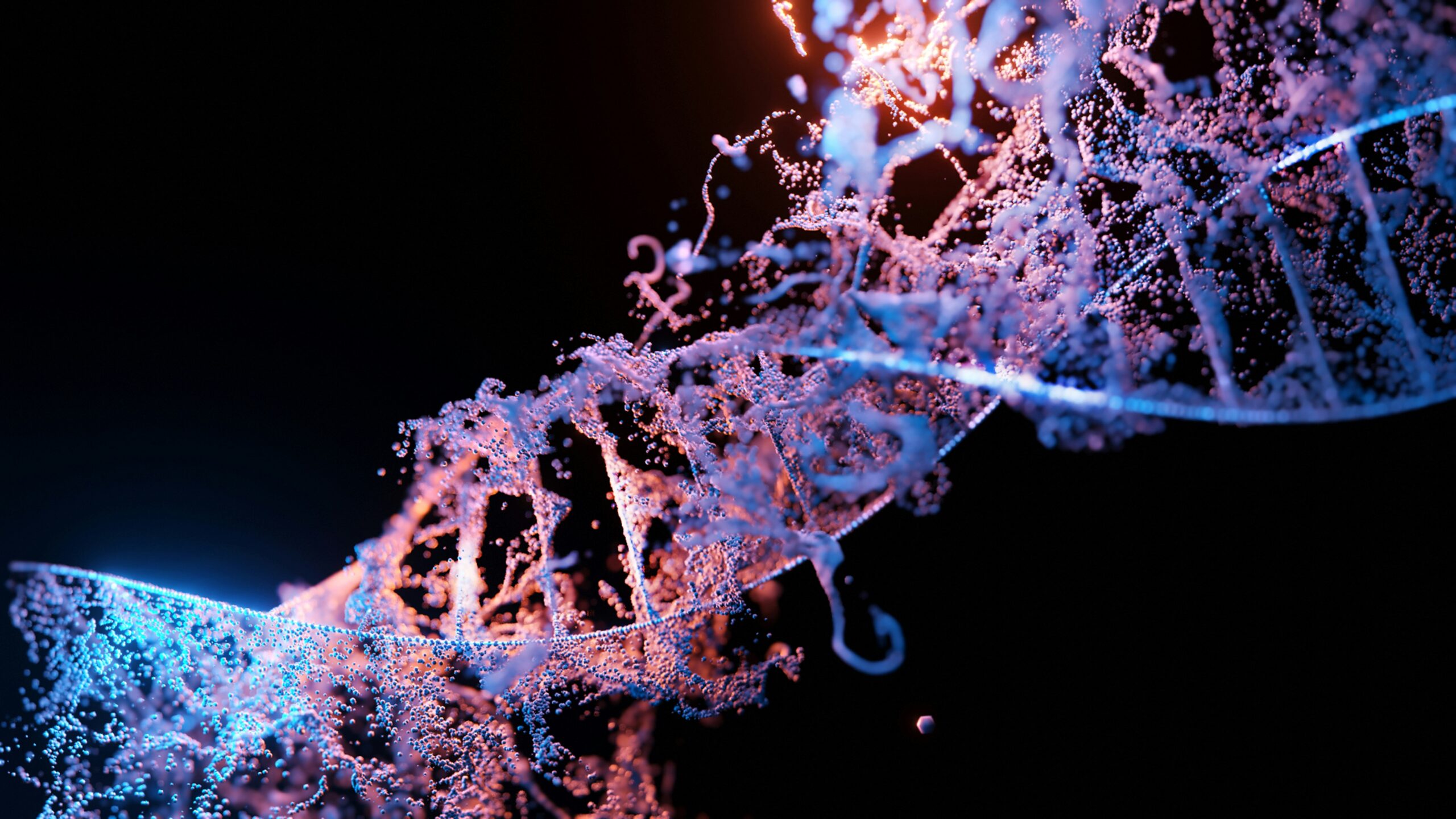
Embarking on a genealogical journey can feel like assembling a grand, intricate puzzle. For centuries, the pieces of our family history were painstakingly pieced together through dusty archives, faded photographs, and whispered family lore. While these traditional methods remain invaluable, a new, powerful tool has emerged, revolutionizing the way individuals explore their ancestral tapestry: DNA testing for family history. This scientific advancement offers a direct window into our genetic inheritance, providing insights that often surpass the limitations of paper trails alone. It allows individuals to connect with previously unknown relatives, understand migration patterns, and even uncover surprising truths about their heritage.
The Science Behind the Ancestral Echo
The foundation of DNA testing for family history lies in understanding the unique building blocks of life. Our DNA, or deoxyribonucleic acid, is a complex molecule that carries the genetic instructions for the development and functioning of all known living organisms. Within this intricate code reside markers, specific sequences of DNA that are passed down through generations. Autosomal DNA, the most commonly used type for genealogical purposes, is inherited from both parents and is present in all 23 pairs of chromosomes. This makes it ideal for tracing ancestry across all branches of a family tree, encompassing both maternal and paternal lines.
Understanding Your Genetic Blueprint
At its core, a DNA test for ancestry analyzes specific regions of an individual’s autosomal DNA. These regions contain single nucleotide polymorphisms, or SNPs, which are variations in the DNA sequence at a particular location. Certain combinations of SNPs are more prevalent in populations from particular geographic regions due to historical migration patterns and genetic drift. By comparing an individual’s SNP profile against vast databases of anonymized DNA samples from diverse populations worldwide, DNA testing companies can estimate the ethnic or geographic origins of their customers’ ancestors. This estimation is not a precise pinpoint but rather a percentage breakdown of various ancestral components, reflecting the complex intermingling of populations over millennia.
Mitigating the Odds: Y-DNA and mtDNA
While autosomal DNA offers a broad view of ancestry, specialized tests delve deeper into specific paternal and maternal lines. Y-DNA testing examines the Y chromosome, which is passed down almost exclusively from father to son. This type of testing is particularly useful for tracing a direct paternal lineage and identifying individuals with the same Y-chromosome haplogroup, suggesting a shared paternal ancestor. Similarly, mitochondrial DNA (mtDNA) is inherited from the mother and passed down to all her children. mtDNA testing can therefore trace a direct maternal lineage. These specialized tests, while not providing broad ethnic breakdowns, can be incredibly powerful for pinpointing specific ancestral lines and connecting with individuals who share these direct ancestral paths.
DNA testing has revolutionized the way individuals explore their family history, providing insights into ancestry and genetic connections that were previously difficult to uncover. For those interested in understanding the broader implications of modern technology and its impact on personal identity, an intriguing article titled “The Rise of Proxy Wars: A Global Power Struggle” offers a compelling perspective on how advancements in various fields, including genetics, shape our world. You can read the article here: The Rise of Proxy Wars: A Global Power Struggle.
Decoding Your Heritage: Unveiling Ethnic Origins

The most widely recognized benefit of DNA testing for family history is its ability to provide an estimation of ethnic or geographic origins. These results are often presented as a pie chart, illustrating the percentage of ancestry attributed to various regions, such as Western Europe, Eastern Europe, Sub-Saharan Africa, East Asia, and Indigenous Americas. While these percentages offer a fascinating glimpse into one’s ancestral makeup, it’s crucial to understand their inherent limitations and nuances.
Navigating the Nuances of Ethnicity Estimates
It is vital to approach ethnicity estimates with a degree of scientific understanding and historical context. The databases used by DNA testing companies are constantly evolving as more people submit their DNA and as scientific understanding of population genetics advances. This means that ethnicity estimates can change over time with updated algorithms and expanded reference populations. Furthermore, the concept of distinct ethnic groups is often a modern construct, and for much of human history, populations were more fluid and intermingled. Therefore, an ethnicity estimate should be viewed as a broad indication of ancestral origins, not a definitive classification of modern ethnic identity. For instance, a result showing a percentage of “Irish” ancestry doesn’t necessarily mean all of one’s ancestors were solely from the island of Ireland; it reflects the genetic signatures common to populations that have historically resided in or migrated through that region.
The Impact of Deep Ancestry
Beyond immediate ethnic percentages, some DNA tests offer insights into “deep ancestry,” tracing ancestral lineages back tens of thousands of years. These results can reveal connections to ancient populations and migration events, such as the movement of early humans out of Africa, the settlement of Europe, or the peopling of the Americas. Understanding deep ancestry can provide a humbling perspective on the vast timeline of human existence and our shared origins. It can connect individuals to prehistoric cultures and shed light on the long and complex journey that has led to their present-day existence. These ancient connections can be particularly compelling, offering a sense of profound connection to the earliest chapters of human history.
Connecting with the Extended Family: The Power of the Match

Perhaps the most transformative aspect of DNA testing for family history lies in its ability to connect individuals with living relatives. By comparing a user’s DNA with that of other individuals in the testing company’s database, the system can identify “DNA matches” – individuals who share a statistically significant amount of DNA. This shared DNA is a strong indicator of a recent common ancestor.
Building Bridges Across Generations
The thrill of discovering a DNA match can be immense, opening doors to communication with cousins, aunts, uncles, and even previously unknown grandparents. These connections can fill in gaps in family trees, provide firsthand accounts of family history, and offer a sense of belonging to a larger, interconnected web of relatives. For individuals who have always felt a sense of mystery surrounding their origins or who have adopted parents, these matches can be particularly poignant, offering a tangible link to their biological heritage. The ability to directly interact with these newfound relatives can lead to the sharing of stories, photographs, and family traditions, enriching the genealogical research process immeasurably.
Understanding the Significance of Shared DNA
The amount of DNA shared between two individuals is directly proportional to their degree of relatedness. DNA testing companies use sophisticated algorithms to estimate the relationship between matches based on the length and number of shared DNA segments. A larger amount of shared DNA generally indicates a closer relationship, such as a sibling or parent, while smaller amounts suggest more distant relatives like third or fourth cousins. It is important to remember that not all shared DNA indicates a recent common ancestor; some segments can be inherited through chance. Therefore, while a match is exciting, it’s crucial to use genealogical research, such as analyzing family trees and historical records, to confirm the precise relationship.
Beyond Ethnicity: Uncovering Deeper Ancestral Narratives
While ethnicity estimates and cousin matches are popular features of DNA testing, these services offer much more than just a statistical breakdown of one’s heritage. They provide the tools to uncover rich, layered narratives about ancestral lives, migrations, and even predispositions.
Tracing Ancestral Journeys Through Geography
By analyzing the geographic origins of shared DNA segments and comparing them with historical migration patterns, DNA tests can help reconstruct the journeys of ancestors. This can reveal surprising migration routes, such as ancestors from Eastern Europe who later settled in North America, or individuals with African ancestry who have a significant percentage of Iberian heritage, indicating the complex history of the transatlantic slave trade. These geographical insights can bring historical events to life, making them more personal and relatable. For example, understanding that an ancestor likely passed through a particular region during a specific historical period can prompt further research into the social, political, and economic conditions of that time and place, adding depth and context to the ancestral narrative.
Unveiling Health Predispositions and Traits
Many DNA testing companies also offer health-related reports, analyzing specific genetic markers that can be associated with certain health predispositions or traits. While these reports are not a substitute for professional medical advice, they can provide valuable information for proactive health management and understanding potential inherited tendencies. This can include predispositions to conditions like certain heart diseases, types of cancer, or even carrier statuses for genetic disorders. Additionally, some tests explore traits such as eye color, hair texture, and even a predisposition to certain tastes or smells, offering a fascinating glimpse into the genetic underpinnings of human variation.
DNA testing has become an increasingly popular tool for individuals seeking to uncover their family history and ancestry. Many people are turning to genetic testing services to gain insights into their lineage, which can reveal unexpected connections and heritage. For those interested in exploring the broader implications of knowledge and control throughout history, a fascinating article discusses how ancient elites wielded power through the management of information. You can read more about this intriguing topic in the article found here.
The Ethical Landscape and Future of Ancestral DNA
| Metric | Description | Typical Range/Value | Notes |
|---|---|---|---|
| Test Types | Types of DNA tests used for family history | Autosomal, Y-DNA, mtDNA | Autosomal tests are most common for recent ancestry |
| Markers Tested | Number of genetic markers analyzed | 700,000+ SNPs (autosomal) | Higher marker count improves accuracy |
| Ethnicity Estimate Accuracy | Reliability of ethnicity breakdown | 70% – 90% | Varies by company and reference populations |
| Match Database Size | Number of users in database for matching relatives | 1 million – 20 million+ | Larger databases increase chance of finding relatives |
| Turnaround Time | Time from sample submission to results | 2 – 8 weeks | Depends on lab and test type |
| Cost Range | Typical price range for family history DNA tests | 50 – 150 | Prices vary by test type and company |
| Common Uses | Primary purposes for DNA testing in genealogy | Ethnicity estimate, relative matching, lineage tracing | Can help break through genealogical brick walls |
As DNA testing for family history becomes increasingly widespread, ethical considerations and the future trajectory of this technology are vital to discuss. The privacy of genetic data, the potential for misuse, and the ongoing advancements in the field all shape how we engage with our ancestral selves.
Protecting Your Genetic Privacy
The privacy of genetic information is paramount. DNA testing companies collect and store sensitive personal data. Users must carefully review the privacy policies of any company they choose to use, understanding how their data will be stored, used, and potentially shared. Reputable companies employ robust security measures to protect this data, but it’s essential for individuals to be informed consumers and make educated decisions about who they entrust with their genetic blueprint. The question of data ownership is also a significant consideration, with users needing to understand whether they retain full control over their genetic information or if it can be utilized by the company for research or other purposes.
The Evolving Frontier of Genetic Genealogy
The field of genetic genealogy is constantly advancing. New technologies are emerging that allow for more detailed analysis of DNA, potentially revealing deeper ancestral connections and more precise ethnic breakdowns. Researchers are continually expanding reference populations, improving the accuracy of ethnicity estimates. Furthermore, advancements in DNA sequencing are opening up new possibilities for understanding ancient DNA, offering unprecedented insights into human migration and evolution. The future promises even more profound discoveries, potentially connecting us to our past in ways we can only begin to imagine. The integration of genetic data with historical records and genealogical research is also becoming increasingly sophisticated, creating a powerful synergy for uncovering ancestral truths.

DNA Challenged This Family’s Pocahontas Ancestry Claim
FAQs
1. How does DNA testing help with family history research?
DNA testing can provide information about your ethnic origins, help you connect with living relatives, and confirm or uncover biological relationships in your family tree.
2. What types of DNA tests are commonly used for family history purposes?
The most common types of DNA tests used for family history research are autosomal DNA tests, Y-DNA tests, and mitochondrial DNA tests.
3. How accurate are DNA tests for determining ancestry?
DNA tests for ancestry can provide accurate estimates of your ethnic origins, but the results may vary depending on the testing company and the reference populations used for comparison.
4. Can DNA testing reveal unknown relatives or unexpected family connections?
Yes, DNA testing can uncover unknown relatives, such as half-siblings, cousins, or even biological parents, by comparing your DNA with others in the testing company’s database.
5. Are there any privacy concerns associated with DNA testing for family history?
Privacy concerns may arise from sharing your genetic information with testing companies, as well as the potential discovery of unexpected family secrets or the identification of biological relatives who may not be aware of their relationship to you.