The enduring narrative of the United States is inextricably linked to the early colonial endeavors that laid its foundations. Among these, the Virginia Colony, established at Jamestown in 1607, holds a paramount position. The story of this nascent settlement is not merely one of ambitious explorers and hardy pioneers, but also a complex tapestry woven with the threads of intercultural interaction, particularly the profound and often romanticized relationship between the English settlers and the indigenous Powhatan people. Central to this narrative is the figure of Pocahontas, a young Powhatan woman whose life became a pivotal symbol of connection and, later, a lens through which to understand the lineage of some of America’s most prominent families. The “First Families of Virginia” are descendants who trace their ancestry back to these very early settlers, their heritage enriched by both European grit and, for some, a direct connection to the Native American tribes of the region.
The Jamestown Crucible and Early English Aspirations
The arrival of the Virginia Company of London at Jamestown was an act of bold enterprise, driven by a mix of economic ambition, national pride, and religious fervor. The promise of gold, raw materials, and a strategic foothold against Spanish influence fueled the venture. However, the reality of the Tidewater region presented immediate and formidable challenges. The swampy terrain bred disease, food was scarce, and the colonists, many of whom were ill-prepared for the rigors of wilderness survival, struggled to establish a sustainable presence. Their initial interactions with the indigenous population, led by the formidable Chief Powhatan, were marked by a delicate balance of trade, suspicion, and occasional conflict. The early years were a desperate fight for survival, a crucible that tested the mettle of the settlers and shaped the future trajectory of English colonization in North America. The leadership of figures like Captain John Smith, while often embellished in later accounts, played a crucial role in navigating these perilous early days, establishing rudimentary relations with the Powhatan Confederacy.
The Ingenuity of Survival
The initial years at Jamestown were characterized by a constant struggle against starvation, disease, and the elements. The colonists’ reliance on imported supplies proved unsustainable, and their lack of agricultural expertise meant they were ill-equipped to cultivate the land effectively. It was through a combination of desperate ingenuity and, crucially, the often reluctant assistance of the Powhatan people that they managed to endure. The indigenous inhabitants possessed a deep understanding of the local environment, its resources, and its challenges. They introduced the English to corn, a staple crop that proved far more adaptable to the Virginia climate than many European grains. They also shared knowledge of hunting, fishing, and foraging, techniques essential for survival in a land that was both bountiful and unforgiving. This period of forced interdependence, however strained, laid the groundwork for the complex and often fraught relationship that would define Anglo-Native American interactions for centuries to come. The very survival of Jamestown was a testament to the colonists’ ability to adapt and, to a significant extent, to the knowledge and resources provided by the indigenous inhabitants.
Seeds of Conflict and Cooperation
The relationship between the English settlers and the Powhatan Confederacy was never static. It evolved through phases of cautious trade, mutual suspicion, and outright warfare. Captain John Smith’s leadership during the initial years involved a combination of diplomacy and assertiveness in dealing with Chief Powhatan. While accounts of Smith’s rescue by Pocahontas, famously detailed in his own writings, have been subject to considerable historical debate, the narrative itself highlights the potential for individual relationships to bridge cultural divides. Pocahontas, as the daughter of Chief Powhatan, occupied a position of influence and was likely a key intermediary in early diplomatic exchanges. Her subsequent marriage to John Rolfe, an English tobacco planter, marked a significant turning point. This union, driven by a desire for peace and perceived political advantage, was a complex event that had profound implications for both communities. It symbolized a potential for integration, albeit one rooted in a power imbalance and European colonial objectives.
The history of the First Families of Virginia, including the renowned Pocahontas, is a fascinating topic that intertwines with the early colonial period of America. For those interested in exploring how historical narratives shape modern geopolitical dynamics, a related article discusses advancements in counter-space weapons, highlighting the roles of China and Russia in contemporary conflicts. You can read more about this intriguing subject by following this link: Advancements in Counter-Space Weapons: China and Russia Lead the Way.
Pocahontas: A Figure of Legend and Reality

The name Pocahontas resonates through American history, often conjuring images of a noble princess bridging two worlds. While her life story has been subject to significant embellishment and romanticization, the historical figure was undeniably central to the early interactions between the English and the Powhatan. Born Matoaka, she was the daughter of Chief Powhatan, a powerful leader of a confederacy of Algonquian-speaking tribes in the Tidewater region of Virginia. Her youthful encounters with the Jamestown settlers, particularly Captain John Smith, and her later marriage to John Rolfe, who brought her to England, cemented her place in the colonial narrative. The “First Families of Virginia” often draw a line of descent from this period, and for some, this lineage directly or indirectly connects to Pocahontas and the Powhatan people, adding a layer of indigenous heritage to their colonial ancestry.
The Myth and the Maiden
The legend of Pocahontas as the damsel in distress, who saved Captain John Smith from execution by her father’s decree, has been a persistent and captivating element of American folklore. While John Smith’s own account is the primary source for this dramatic episode, many historians question its literal accuracy, suggesting it may have been a symbolic representation of a ritualistic adoption or a less dire confrontation. Regardless of the precise nature of the event, it served to establish Pocahontas as a figure of connection and humanity in the early, often brutal, encounters between the English and the Powhatan. Her subsequent abduction by the English and her eventual marriage to John Rolfe, a tobacco planter, further complicate her story. This marriage, while often portrayed as a love match in popular culture, was likely a strategic alliance aimed at solidifying peace between the two groups and advancing English colonial interests. Pocahontas, christened Rebecca, was taken to England, where she died at a young age, leaving behind a son, Thomas Rolfe, whose descendants would become integral to the social and political fabric of colonial Virginia.
The Legacy of Thomas Rolfe
The lineage of Pocahontas did not end with her untimely death. Her son, Thomas Rolfe, played a significant role in shaping the future of Virginia. While he was raised in England, he eventually returned to Virginia, where he married and established his own family. His descendants became prominent figures in colonial society, intermarrying with other leading families and contributing to the development of the colony. For many of the “First Families of Virginia,” their genealogical claims trace back through these descendants, creating a tangible link to the indigenous past. This connection, though sometimes obscured by the emphasis on European ancestry, is a vital part of the complex heritage of Virginia. The presence of Native American bloodlines within some of these prominent families serves as a reminder of the intertwined destinies of the colonizers and the colonized, and the enduring impact of their interactions on the shaping of American identity.
The Formation of Virginia’s Elite: Intermarriage and Social Mobility
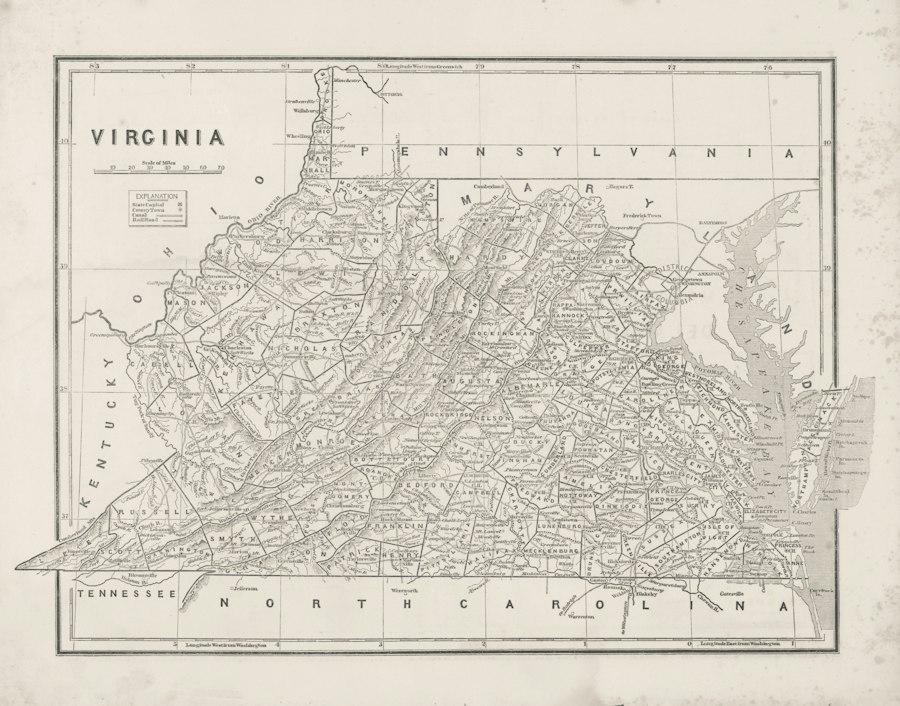
The “First Families of Virginia” are not merely a collection of individuals who arrived on early ships; they represent a distinct social and political stratum that emerged and solidified over generations. This elite was characterized by land ownership, political influence, and, importantly, strategic intermarriage. While the initial settlers were a diverse group, certain families managed to accumulate wealth and power, often through lucrative enterprises like tobacco cultivation. Their ability to form alliances through marriage with other prominent families was a key factor in their sustained influence, creating a tightly knit network that dominated colonial society. The presence of Native American ancestry within some of these families, through figures like Pocahontas, adds another layer of complexity to their formation.
Cultivating Power Through Tobacco and Land
The economic engine of early colonial Virginia was, undoubtedly, tobacco. The cultivation of this lucrative crop transformed the colony from a struggling outpost into a prosperous enterprise. Families who acquired vast tracts of land and successfully implemented large-scale tobacco farming quickly ascended the social hierarchy. This land ownership not only provided economic security but also translated directly into political power. The Virginia House of Burgesses, the colonial legislature, became a forum dominated by these landed gentry, who used their influence to shape laws and policies that favored their interests. This concentration of wealth and power in the hands of a select few established a pattern of social stratification that would endure for centuries. The success of these early planters was deeply intertwined with the labor of indentured servants and, increasingly, enslaved Africans, a stark reality that underpins the prosperity of many of these founding families.
The Strategic Embrace of Alliances
Marriage within the colonial elite was not merely a matter of personal affection; it was a calculated strategy for consolidating power, expanding influence, and securing future prosperity. Prominent families routinely arranged marriages between their children and the offspring of other influential households. These unions created intricate webs of kinship and loyalty, binding together the most powerful families in Virginia. This practice ensured that wealth, land, and political offices remained within the purview of a select group, creating a self-perpetuating aristocracy. The ability to trace one’s lineage back to these early intermarriages, particularly those that involved prominent figures in both English and, in some cases, Native American societies, became a badge of honor and a marker of distinction. The concept of “First Families” is intrinsically linked to this history of strategic alliance-building and the subsequent consolidation of social and political power.
Tracing the Branches: Descendants and Enduring Influence
The legacy of the First Families of Virginia extends far beyond the colonial era. Their descendants have continued to play significant roles in American history, influencing politics, culture, and society. The genealogical threads that connect modern Americans to these early settlers are often intricate and reveal a fascinating evolution of lineage. The interweaving of European and, in some cases, Native American heritage within these lines of descent offers a nuanced understanding of the nation’s origins. The enduring influence of these families can be seen in institutions, traditions, and even the very landscape of Virginia and beyond.
Generational Impact on American Governance and Society
The progeny of the First Families of Virginia have been at the forefront of American leadership for generations. Figures like George Washington, Thomas Jefferson, and James Madison, all prominent Virginians with deep colonial roots, shaped the nascent United States through their participation in the Revolution and their roles in crafting the Constitution. This tradition of public service and political leadership continued through the centuries, with descendants holding positions in Congress, the executive branch, and state governments. Beyond politics, these families also contributed to the nation’s intellectual and cultural landscape, patronizing the arts, establishing educational institutions, and shaping societal norms. Their continued presence and influence underscore the enduring impact of their colonial forebears on the fabric of American society. The very concept of an American aristocracy, though often debated, has its roots in the power and prestige accumulated by these early colonial elites.
The Complex Tapestry of Lineage
Genealogical research into the First Families of Virginia often reveals a complex and interwoven tapestry of lineage. While many trace their ancestry back to English nobility or prominent settlers, a significant number also discover connections to Native American tribes, particularly the Powhatan Confederacy. These Native American lines of descent, often originating from intermarriages or unions that occurred during the colonial period, add a rich and vital dimension to the heritage of these families. The story of Pocahontas and her descendants serves as a powerful example of this intersection. For some, the discovery of indigenous ancestry is a source of pride and a deeper connection to the land. For others, it is a reminder of the often difficult and fraught history of colonization. Regardless of individual perspectives, these genealogical discoveries highlight the multifaceted nature of American identity and the enduring legacy of the interactions between different cultures in the formation of the nation. The lines of descent are not always straightforward, and the concept of “First Families” itself can encompass a broader spectrum of ancestral connections than initially assumed.
The story of Pocahontas and her connection to the first families of Virginia is a fascinating chapter in American history, showcasing the intricate relationships between Native Americans and early European settlers. For those interested in exploring the broader context of historical mapping and its significance, a related article discusses the contributions of Piri Reis and Ottoman cartography, which can provide valuable insights into how different cultures perceived and documented the world around them. You can read more about it in this insightful piece on Piri Reis and Ottoman Cartography.
Preserving the Past: Historical Societies and Genealogical Pursuits
| Family Name | Notable Ancestor | Relation to Pocahontas | Historical Significance | Time Period |
|---|---|---|---|---|
| Rolfe | John Rolfe | Husband of Pocahontas | Introduced tobacco cultivation to Virginia; helped establish peace between English settlers and Powhatan tribes | Early 1600s |
| Powhatan | Wahunsenacawh (Chief Powhatan) | Father of Pocahontas | Leader of the Powhatan Confederacy; significant Native American figure in early Virginia history | Late 1500s – Early 1600s |
| Carter | Robert “King” Carter | Descendant through Pocahontas’ lineage | Prominent Virginia planter and politician; influential in colonial government | Late 1600s – Early 1700s |
| Washington | George Washington | Descendant through Pocahontas’ lineage | First President of the United States; key figure in American independence | 18th Century |
| Randolph | William Randolph | Descendant through Pocahontas’ lineage | Founder of one of Virginia’s first prominent families; influential in colonial politics | Late 1600s – Early 1700s |
The enduring fascination with the First Families of Virginia has led to the establishment of numerous historical societies and the widespread pursuit of genealogical research. These organizations and individual endeavors play a crucial role in preserving the history of the colonial era, documenting lineages, and fostering a deeper understanding of the lives and legacies of the early settlers. The ongoing exploration of these ancestral connections continues to shed light on the complex origins of American society, including the often-overlooked contributions and impacts of indigenous peoples.
The Role of Genealogical Research
The quest to trace one’s ancestry back to the First Families of Virginia is a significant driver for genealogical research. Individuals meticulously piece together family trees, consulting historical documents, church records, census data, and oral histories to establish their connections. This process often involves navigating challenging historical records, deciphering old handwriting, and understanding the social and political contexts of past generations. For many, the discovery of a direct line to a prominent colonial figure or, indeed, to an indigenous ancestor, is a deeply rewarding experience. This research not only satisfies personal curiosity but also contributes to the broader historical understanding of the period, bringing to light previously unknown details and connections. The digital age has further democratized genealogical research, making vast archives and databases accessible to a wider audience, fueling the ongoing exploration of these ancestral roots.
Stewardship of Historical Narratives
Historical societies dedicated to Virginia’s colonial past, such as the Jamestowne Society or various lineage-based organizations, serve as vital stewards of historical narratives. They work to preserve historical sites, maintain archives, and promote research and education about the colonial era. These organizations often have strict membership requirements, which necessitate the rigorous verification of genealogical claims. By upholding these standards, they ensure the accuracy of historical records and maintain the integrity of the lineage-based narratives they represent. Their work is crucial in safeguarding the memory of the First Families, their achievements, and their often-complex relationships with the indigenous populations they encountered. The ongoing efforts of these societies ensure that the stories of these foundational figures continue to be told, interpreted, and understood for future generations, offering a vital link to the nation’s earliest chapters.
DNA Challenged This Family’s Pocahontas Ancestry Claim
FAQs
1. Who was Pocahontas and how is she connected to the First Families of Virginia?
Pocahontas was a Native American woman known for her association with the colonial settlement at Jamestown, Virginia. She married John Rolfe, an English settler, and their descendants are considered part of the First Families of Virginia due to their prominent role in the early history of the state.
2. What is the significance of the First Families of Virginia?
The First Families of Virginia are a group of early settlers and their descendants who played a crucial role in the establishment and development of the Virginia colony. They are considered to be some of the most influential and prestigious families in the state’s history.
3. How did Pocahontas’ marriage to John Rolfe impact relations between the Native Americans and the English settlers?
Pocahontas’ marriage to John Rolfe was seen as a symbol of peace and cooperation between the Native Americans and the English settlers. It helped to improve relations between the two groups and fostered a period of relative peace in the early years of the Jamestown settlement.
4. What is the legacy of Pocahontas within the First Families of Virginia?
Pocahontas is remembered as a key figure in the early history of Virginia and her descendants are considered part of the elite First Families of Virginia. Her story has been romanticized and mythologized over the years, contributing to her enduring legacy in American history.
5. How can one trace their lineage back to Pocahontas and the First Families of Virginia?
Genealogical research and historical records can be used to trace one’s lineage back to Pocahontas and the First Families of Virginia. Many descendants of these early settlers have documented family trees and historical connections that can help individuals establish their link to this important part of American history.