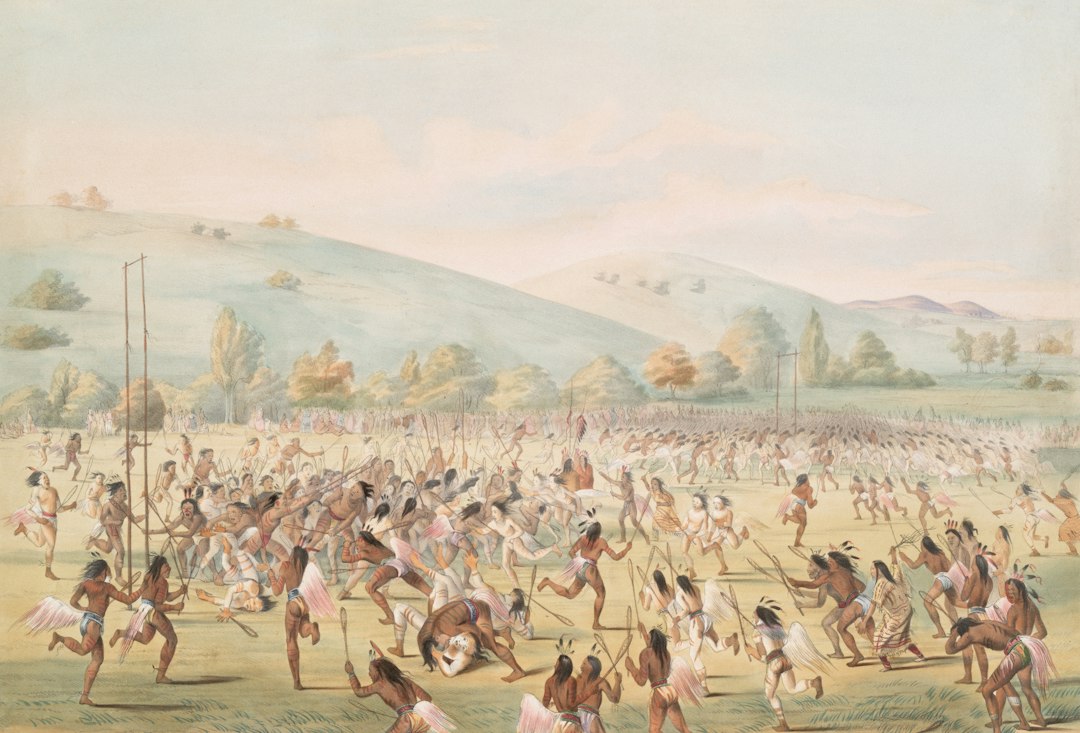
The story of Pocahontas and the Powhatan tribe is one deeply embedded in the early narrative of English colonization in North America. It is a tale interwoven with cultural encounters, conflict, and ultimately, a legacy that has been subject to much interpretation and mythologizing. To understand this legacy, one must delve into the historical context of the Powhatan Confederacy and the specific circumstances that brought them into contact with the Jamestown settlers.
The Powhatan Confederacy: A Sophisticated Society
Before the arrival of the English, the land now known as Virginia was home to the Powhatan Confederacy, a powerful and organized alliance of over 30 Algonquian-speaking tribes. This confederacy was not a monolithic entity but a complex political structure united under a paramount chief, known as the Powhatan, whose actual name was Wahunsenacawh. He was a shrewd leader who had consolidated power over decades, extending his influence through diplomacy, tribute, and warfare. The confederacy encompassed a vast territory, stretching from the Potomac River in the north to the James River in the south, with its heartland located along the York River.
The Structure of Powhatan Society
Powhatan society was hierarchical, with the paramount chief at the apex. Below him were district chiefs, who held significant authority within their respective territories. These chiefs, in turn, oversaw village leaders and family heads. Social status was influenced by lineage, achievements in warfare or hunting, and contributions to the community. The Powhatan people were primarily agriculturalists, cultivating crops like maize, beans, and squash, which formed the staple of their diet. They were also skilled hunters and fishermen, supplementing their agricultural produce with game and seafood. Their villages were typically situated along rivers and streams, providing access to water and fertile land. These settlements were often palisaded for defense, reflecting the realities of intertribal relations and potential external threats.
Daily Life and Cultural Practices
The daily lives of the Powhatan people were dictated by the seasons and the rhythms of nature. Their homes, known as werowans or yihakins, were longhouses made of wood and covered with bark or reed mats, capable of housing several families. Their spiritual beliefs were animistic, with a deep reverence for the natural world and the spirits that inhabited it. They practiced elaborate ceremonies and rituals to honor their gods, ancestors, and the forces of nature. Storytelling was a vital part of their culture, preserving their history, traditions, and values. The arts were also important, with skilled craftsmanship evident in their pottery, beadwork, basketry, and woodworking. The arrival of the English, therefore, was an intrusion upon a well-established and sophisticated civilization, disrupting a delicate balance that had existed for centuries.
The history of Pocahontas and the Powhatan tribe is a fascinating exploration of early American indigenous culture and its interactions with European settlers. For those interested in understanding the broader implications of historical narratives and their impact on contemporary society, an insightful article can be found at Navigating the Future: Cislunar Space Traffic Management, which discusses how historical perspectives shape our understanding of current issues, including space governance and cultural heritage.
Pocahontas: A Young Woman of Influence

The figure of Pocahontas, whose birth name was Matoaka, has become the most enduring symbol of the early encounters between the English and the Powhatan. However, the historical Pocahontas is often conflated with the romanticized figure of legend. She was the daughter of Chief Powhatan, and as such, held a position of respect and privilege within her society. Her youth meant she was not yet a wife or a leader in her own right, but her lineage gave her considerable influence. Her interactions with the English settlers began shortly after their arrival in 1607.
The Jamestown Settlement and Early Encounters
The English, under the charter of the Virginia Company of London, established Jamestown with the primary goal of seeking gold and other valuable resources. Their initial interactions with the Powhatan were characterized by a mix of curiosity, caution, and often, misunderstanding. The English were ill-prepared for the realities of survival in the New World, facing disease, starvation, and a lack of knowledge about the local environment. The Powhatan, initially, showed a degree of hospitality, providing the settlers with food and guidance. This was likely part of Chief Powhatan’s strategy to assess and manage this new presence in his territory. It was during this period that Pocahontas, a young girl of perhaps ten or eleven years old, became involved in these interactions.
The Captain John Smith Narrative
The most famous, and debated, account of Pocahontas’s role comes from Captain John Smith himself, in his later writings. He described being captured by Powhatan warriors and brought before the paramount chief. According to Smith’s account, Pocahontas intervened at the last moment, placing her head over his, thus saving him from execution. This dramatic episode has become a cornerstone of the Pocahontas legend. However, historians debate the accuracy and intent of Smith’s narrative. Some suggest it may have been an embellished or fabricated account to elevate his own importance, or a misunderstanding of a Powhatan ritual. Regardless of the exact nature of the event, it undeniably marked a significant personal connection between Pocahontas and a key English leader.
Tensions and Conflicts: The Shifting Dynamics
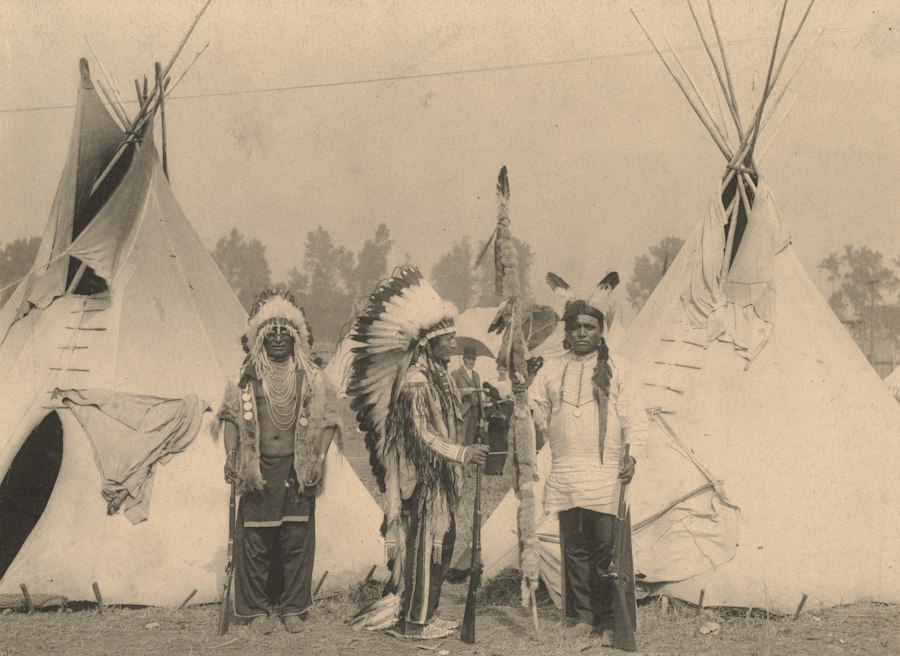
The initial period of cautious cohabitation between the English and the Powhatan was unsustainable. The English insistence on occupying Powhatan lands, their perceived disrespect for indigenous customs, and their constant demands for provisions led to escalating tensions. The Powhatan, under Chief Powhatan’s leadership, were not passive victims. They possessed the military strength and knowledge of the land to resist the encroaching settlers. The relationship between the two groups became increasingly volatile, marked by skirmishes, raids, and acts of violence from both sides.
The Struggle for Resources
A primary source of conflict was the struggle for resources. The English settlers were heavily reliant on the Powhatan for food, especially during the early years when their own agricultural efforts were largely unsuccessful. They also coveted the land for farming and settlement. The Powhatan, in turn, saw the English as a threat to their way of life and their territorial integrity. Chief Powhatan attempted to control the English presence by demanding tribute and limiting their access to certain areas. However, the English, driven by their mandate from the Virginia Company, often disregarded these attempts at negotiation and control, leading to further confrontation.
Pocahontas’s Capture and Marriage
In 1613, Pocahontas was captured by the English during a raid on her village. She was taken to Jamestown and held captive. During her captivity, she was converted to Christianity, given the English name Rebecca, and reportedly learned to speak English. It was during this period that she met John Rolfe, an English tobacco planter. Their marriage in 1614 is a pivotal moment, often seen as a catalyst for a period of relative peace between the English and the Powhatan. Chief Powhatan, for reasons that remain debated, consented to the marriage, which may have been a strategic move to forge a more stable alliance, or a demonstration of his declining influence. This marriage, however, fundamentally altered Pocahontas’s life and her connection to her people.
Pocahontas in England: A Symbol Abroad
Following her marriage to John Rolfe, Pocahontas, now known as Rebecca Rolfe, embarked on a journey to England in 1616, accompanied by her husband and their young son, Thomas. Her arrival in London was a sensation. She was presented to English society as a “civilized” native, a living testament to the potential for assimilation and the supposed benevolence of English colonization. Her story, embellished and simplified, captured the public imagination.
A Curio of the Court
In England, Pocahontas was a figure of fascination. She met King James I and Queen Anne, and was presented at court. Her appearance was often described by the English as exotic and intriguing. She was a living embodiment of the “noble savage” trope, a concept that was prevalent in European thought at the time. While she was treated with a degree of respect by some, it is important to recognize that her status was largely that of a curiosity, a representative of a distant and “primitive” land. Her presence was used by the Virginia Company to promote further investment and colonization in North America, highlighting her story as a success of their efforts.
Her Tragic End
Pocahontas’s time in England was cut short. She fell ill shortly before she was due to return to Virginia and died in March 1617, at the young age of 20 or 21. The exact cause of her death is unknown, but it is believed to have been a disease, possibly smallpox or pneumonia. Her death was a poignant end to a life that had been irrevocably altered by the encounter with European culture. She was buried in Gravesend, England, far from her ancestral lands and her people. Her untimely demise left a void in the tentative peace that had been fostered by her marriage and raised questions about the true cost of colonization.
The history of Pocahontas and the Powhatan tribe is a fascinating exploration of early American indigenous culture and its interactions with European settlers. For those interested in delving deeper into this topic, a related article provides insights into the complexities of indigenous relationships and their impact on history. You can read more about it in this informative piece that highlights the significance of understanding cultural dynamics in historical contexts.
The Enduring Legacy: Fact, Fiction, and Interpretation
| Aspect | Details |
|---|---|
| Tribe Name | Powhatan Confederacy |
| Location | Virginia, Eastern United States |
| Time Period | Early 17th century (1600s) |
| Notable Leader | Chief Powhatan (Wahunsenacawh) |
| Famous Member | Pocahontas (Matoaka) |
| Language | Algonquian |
| Population Estimate (circa 1600) | Approximately 14,000 to 21,000 people |
| Primary Economy | Agriculture (corn, beans, squash), hunting, fishing |
| Relations with English Colonists | Initially trade and diplomacy, later conflict and alliance |
| Significant Event | Pocahontas’ marriage to John Rolfe in 1614, symbolizing peace |
The legacy of Pocahontas and the Powhatan tribe is a complex tapestry woven from historical facts, romanticized narratives, and enduring cultural myths. While the historical figure of Pocahontas was a young woman whose life was shaped by extraordinary circumstances, her story has been transformed over centuries into something quite different. The Powhatan people, as a distinct political entity, were eventually overwhelmed by the forces of colonization, but their cultural heritage and historical presence continue to resonate.
The Myth of Pocahontas
The popular image of Pocahontas as a damsel in distress, a romantic heroine who single-handedly brokered peace between warring peoples, is largely a creation of later generations. The Disney animated film “Pocahontas” and its sequels, while visually stunning and engaging, further cemented this romanticized version in popular consciousness. This version often minimizes the political complexities of the situation, the violence that characterized the early years, and the ultimate dispossession of indigenous lands. It overlooks the agency and resilience of the Powhatan people themselves, portraying them primarily through the lens of Pocahontas’s idealized interactions.
The Resilience of the Powhatan
Despite the immense pressures of colonization, disease, and cultural disruption, the Powhatan people and their descendants have endured. While the political structure of the Confederacy was fractured, the cultural identity and traditions of the Algonquian-speaking peoples of Virginia have persisted. Today, several state-recognized tribes continue to carry forward their heritage, working to preserve their languages, customs, and historical narratives. Their story is a testament to the strength and adaptability of indigenous cultures in the face of immense challenges. Understanding the legacy of Pocahontas and the Powhatan requires a commitment to separating historical fact from enduring myth, acknowledging the complexities of the past, and respecting the continued presence and contributions of indigenous peoples in North America. The narrative of Pocahontas, therefore, is not just a story of the past, but a living and evolving legacy that continues to be re-examined and understood.
DNA Challenged This Family’s Pocahontas Ancestry Claim
FAQs
1. Who was Pocahontas and what was her role in Powhatan tribe history?
Pocahontas was a Native American woman belonging to the Powhatan tribe in Virginia. She is known for her association with the English settlers at Jamestown and for her efforts to establish peace between the Powhatan tribe and the colonists.
2. What was the significance of the Powhatan tribe in early American history?
The Powhatan tribe played a crucial role in early American history as they were the Native American group encountered by the English settlers at Jamestown in 1607. Their interactions with the colonists influenced the development of the Virginia colony and had lasting impacts on the relationship between Native Americans and European settlers.
3. How did the arrival of English settlers impact the Powhatan tribe?
The arrival of English settlers had a significant impact on the Powhatan tribe, leading to changes in their way of life, culture, and territory. Conflicts arose over land, resources, and cultural differences, ultimately resulting in the decline of the Powhatan tribe’s power and influence in the region.
4. What were some key events in the history of the Powhatan tribe?
Some key events in the history of the Powhatan tribe include their interactions with English settlers at Jamestown, the marriage of Pocahontas to John Rolfe, the Anglo-Powhatan Wars, and the eventual loss of Powhatan lands to European colonization.
5. How is the legacy of the Powhatan tribe preserved today?
The legacy of the Powhatan tribe is preserved through cultural institutions, historical sites, and oral traditions passed down through generations. Descendants of the Powhatan tribe continue to honor their heritage and history through various educational and cultural initiatives.