A Journey Through Time: PBS Genealogy Roadshow Unearths Miami’s Untold Stories
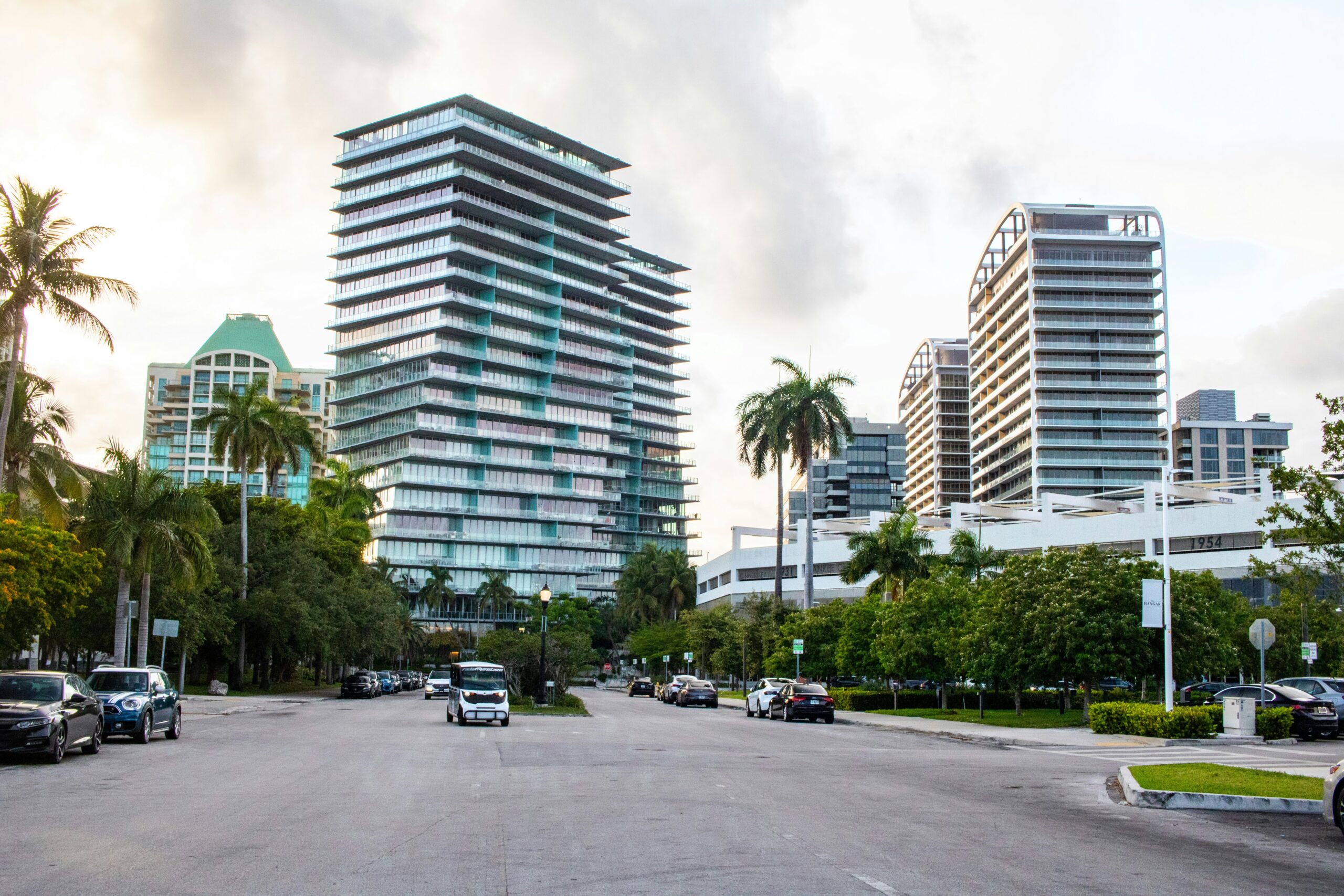
The vibrant tapestry of Miami, a city renowned for its multiculturalism and dynamic spirit, served as the backdrop for a poignant exploration of personal histories in the recent PBS Genealogy Roadshow episode. This installment, a captivating dive into the past, brought the concept of ancestry to life, demonstrating how the threads of family history are interwoven into the very fabric of a city. For residents and enthusiasts alike, the episode offered a profound reminder that behind every landmark, every cultural enclave, and every individual story lies a lineage stretching back through generations, shaping the present in ways both subtle and profound. The show’s unique approach, blending historical research with deeply emotional personal revelations, resonated with viewers, transforming the often-intimidating pursuit of genealogy into an accessible and deeply human endeavor.
The decision to film in Miami was particularly inspired. The city, a melting pot of cultures from the Caribbean, Latin America, Europe, and beyond, presented a rich and complex landscape for genealogical discovery. Each participant brought with them a unique set of ancestors, a distinct set of migratory paths, and a wealth of untold stories that contributed to the collective narrative of South Florida. The PBS production team, with their signature blend of empathy and rigorous research, facilitated these journeys, connecting individuals with their roots and, in doing so, illuminating the broader historical forces that have shaped Miami into the city it is today. From the early pioneers who laid the groundwork for modern Miami to the more recent waves of immigration that have contributed to its unparalleled diversity, the episode promised a captivating look at how the past informs the present. The anticipation built around which specific stories would be featured, and how the show’s experts would navigate the often-challenging waters of tracing lineage in such a historically dynamic and diverse region.
The very essence of Genealogy Roadshow lies in its ability to democratize the often-perceived exclusive world of ancestry research. By bringing their expertise and resources directly to the public, they empower individuals to embark on their own journeys of self-discovery. The Miami episode, like its predecessors, fulfilled this mission with grace and enthusiasm, offering a platform for ordinary people to uncover extraordinary connections. The excitement in the air at the filming location, a hub of eager participants clutching old photographs and worn documents, was palpable. It was a tangible manifestation of the universal human desire to understand where we come from, to connect with those who came before us, and to place ourselves within the grand narrative of history. The show’s format, which involves presenting fascinating objects and documents brought by the public to the show’s panel of experts, ensures that each segment is infused with genuine curiosity and the thrill of potential discovery.
In the PBS Genealogy Roadshow Miami episode, viewers were captivated by the stories of individuals uncovering their ancestral roots, revealing connections that span generations. For those interested in exploring the historical context of navigation and mapping, a related article titled “Uncharted Territories: Piri Reis and the Mystery of Lost Maps” delves into the intriguing world of ancient cartography and its significance in understanding our past. You can read more about this fascinating topic by following this link: Uncharted Territories: Piri Reis and the Mystery of Lost Maps.
Unearthing Miami’s Diverse Heritage Through Personal Narratives
The Miami episode of Genealogy Roadshow proved to be a masterclass in the power of personal history to illuminate broader societal trends. The city’s unique demographic makeup, a vibrant mosaic of ethnicities and nationalities, provided fertile ground for a diverse range of stories. The participants, representing a spectrum of Miami’s residents, brought forth a compelling collection of ancestral tales, each contributing a unique thread to the city’s rich historical tapestry. The experts, renowned genealogists with specialized knowledge across various regions and historical periods, were tasked with unraveling the complexities of these family trees, often navigating challenging records and cultural nuances. The anticipation within the audience, a mix of participants and curious onlookers, was electric as each guest stepped forward with their inherited mysteries.
Tracing the Footsteps of Early Settlers and Visionaries
One of the most compelling narratives explored the lineage of individuals whose families were present during Miami’s nascent stages of development. These were the pioneers who braved the wilderness, the entrepreneurs who envisioned a thriving metropolis, and the families who weathered the early challenges of establishing a community in South Florida. The show delved into the lives of descendants who were able to connect with their ancestors’ struggles and triumphs, discovering how their forebears contributed to the city’s infrastructure, its early industries, and its very identity. The discovery of old deeds, photographs of long-gone buildings, and personal letters offered tangible links to a bygone era, painting a vivid picture of Miami before its transformation into a global center. The emotional impact of these discoveries was profound, as participants gained a deeper appreciation for the sacrifices and foresight of those who laid the foundation for the modern city.
The Echoes of Immigration: From the Caribbean and Beyond
Miami’s identity is inextricably linked to its status as a gateway for immigrants. The episode masterfully highlighted the stories of families who arrived from the Caribbean, bringing with them their unique cultures, traditions, and aspirations. The intricate journeys of these ancestors, often involving periods of hardship and resilience, were brought to light. Participants learned about the challenges of establishing new lives, the contributions of these communities to Miami’s cultural landscape, and the enduring strength of family bonds across generations and geographical divides. Beyond the Caribbean, the show also explored lineages tracing back to Europe, Latin America, and other parts of the world, showcasing the diverse origins of Miami’s population. Each story underscored the transformative power of immigration, revealing how newcomers have consistently enriched and shaped the city’s evolving character. The exploration of these migratory patterns offered a microcosm of the larger forces of global migration that have defined human history.
Uncovering Hidden Branches: Surprises and Revelations
A hallmark of Genealogy Roadshow is the element of surprise, and the Miami episode was no exception. Many participants discovered unexpected connections, forgotten relatives, and previously unknown chapters in their family histories. These revelations often came in the form of obscure documents, photographic evidence, or the expertise of the genealogists who pieced together fragmented clues. The show emphasized that genealogy is not just about finding famous ancestors but also about uncovering the ordinary lives of everyday people whose experiences, when brought to light, offer profound insights into the past. The emotional resonance of these unexpected discoveries, whether shedding light on a lost branch of the family tree or revealing a surprising ancestral occupation, underscored the deeply personal nature of genealogical research. The joy and wonder of these “aha!” moments were a central theme throughout the episode.
The Art of Genealogical Detective Work: Methods and Insights

The process of uncovering family history is akin to detective work, requiring meticulous research, critical thinking, and a keen eye for detail. The PBS Genealogy Roadshow episode in Miami showcased the sophisticated methods employed by its team of experts, demonstrating how they navigate complex records and connect seemingly disparate pieces of information. The show demystified the often-daunting task of genealogical research, providing viewers with an understanding of the tools and techniques that can be employed in their own quests for ancestral knowledge. The emphasis was not solely on the destination—the revelation of a name or a date—but also on the journey of discovery itself, the intellectual puzzle-solving that defines the genealogical pursuit.
Navigating the Archives: Documents, Databases, and Digging Deep
The experts’ approach to genealogical research involves a multi-pronged strategy. They meticulously examine a wide array of historical documents, from birth, marriage, and death certificates to census records, immigration manifests, and property deeds. These official records provide the foundational framework for family trees. However, the show also highlighted the importance of less conventional sources, such as family Bibles, diaries, letters, and even obituaries, which offer invaluable personal insights and clues. The use of sophisticated online genealogical databases, while powerful, was presented as a starting point rather than an endpoint, emphasizing the need for cross-referencing and further investigation. The Miami episode likely showcased how these digital tools are combined with traditional archival research to overcome geographical barriers and access records that might otherwise be inaccessible. The sheer volume of information available today means that a systematic and organized approach is paramount.
The Role of DNA and Genetic Genealogy
In recent years, DNA testing has revolutionized the field of genealogy. The episode likely touched upon how genetic genealogy can complement traditional research methods, providing new avenues for discovery. DNA analysis can help connect individuals with previously unknown relatives, identify ancestral homelands, and even shed light on migration patterns that historical records might not fully capture. The experts explained how the interpretation of DNA results, when combined with documented genealogical research, can lead to more comprehensive and accurate family histories. This fusion of scientific and historical methodologies allows for a richer understanding of ancestral connections, bridging the gap between the known and the unknown. The ethical considerations and privacy concerns associated with DNA testing were also implicitly or explicitly addressed, highlighting the responsible use of this powerful technology.
Expert Insights: Connecting the Dots and Solving Mysteries
The true magic of Genealogy Roadshow lies in the ability of its experts to synthesize information and connect seemingly unrelated dots. They possess the uncanny skill of identifying patterns, recognizing historical context, and asking the right questions to unlock family mysteries. Whether deciphering a faded handwritten will, tracing the origin of a surname, or understanding the social and economic conditions that influenced an ancestor’s life, the experts demonstrated a deep understanding of historical research methodologies. Their ability to explain complex genealogical concepts in an accessible and engaging manner empowered viewers to envision their own genealogical endeavors with greater confidence. The show effectively conveyed that genealogical research is a continuous process of learning, adaptation, and persistent inquiry, rewarding patience and a dedication to uncovering the truth.
The Emotional Resonance of Connecting with the Past
Beyond the academic pursuit of dates and names, the true power of genealogy lies in its profound emotional impact. The PBS Genealogy Roadshow episode in Miami underscored this by showcasing the deeply personal and often transformative experiences of participants as they unearthed their family histories. The revelations were not merely factual discoveries; they were moments of profound connection, understanding, and even healing. The show tapped into the universal human desire to belong, to understand one’s origins, and to feel connected to something larger than oneself. This emotional dimension is what elevates genealogical research from a hobby to a meaningful life exploration. The smiles, tears, and gasps of astonishment from the participants served as powerful testaments to the enduring significance of family ties.
Rediscovering Lost Relatives and Familial Bonds
One of the most common and emotionally charged discoveries in genealogy is the identification of previously unknown relatives. The Miami episode likely featured instances where participants were able to reconnect with distant cousins, bridging generational gaps and forging new familial bonds. These reunions, often facilitated by the show, were powerful demonstrations of how genealogical research can have a tangible and positive impact on individuals’ lives. Learning about the lives of cousins who shared the same ancestors, albeit in different branches of the family tree, can offer a sense of continuity and belonging that is deeply fulfilling. The discovery of shared traits, stories, or even physical resemblances can create an instant connection, fostering a sense of community and shared identity.
Understanding Ancestral Journeys and Resilience
Genealogy is not just about who your ancestors were, but also about the journeys they undertook and the challenges they overcame. The Miami episode likely highlighted stories of resilience, perseverance, and adaptation. Participants gained a deeper understanding of the historical context in which their ancestors lived, the economic hardships they faced, the societal shifts they navigated, and the sacrifices they made for future generations. This historical empathy fosters a profound appreciation for the present and a greater sense of gratitude for the opportunities that exist today. Understanding the struggles of ancestors can provide a new perspective on one’s own challenges, fostering a sense of strength and determination. The narrative of survival and eventual prosperity for many immigrant families in Miami was a recurring and inspiring theme.
The Legacy of Identity and Belonging
Ultimately, genealogy is about understanding one’s identity and sense of belonging. By tracing their roots, participants in the Miami episode gained a clearer picture of their heritage, their cultural influences, and their place in the grand continuum of history. This newfound understanding can be incredibly empowering, providing a sense of grounding and purpose. Knowing where you come from can illuminate who you are and offer a framework for understanding your values, your traditions, and your aspirations. The episode beautifully illustrated how family history is not just about the past; it is a vital component of understanding and shaping one’s present and future identity. The sense of belonging derived from connecting with one’s lineage is a powerful force that contributes to individual well-being and the strength of communities.
In the PBS Genealogy Roadshow Miami episode, viewers were captivated by the fascinating stories of family histories and cultural heritage. For those interested in exploring the broader themes of identity and history, a related article delves into the complexities of nationalism and self-determination in the context of Kurdistan. This piece provides valuable insights into how personal narratives can reflect larger societal movements, much like the stories uncovered in the Genealogy Roadshow. To learn more about this intriguing topic, you can read the article on Kurdistan’s quest for independence here.
Miami’s Enduring Tapestry: A City Shaped by Its Ancestors
| Episode Title | Location | Air Date | Number of Participants | Genealogists Featured | Key Discoveries |
|---|---|---|---|---|---|
| Miami Episode | Miami, Florida | March 2023 | 10 | 3 | Uncovered Cuban ancestry, linked participants to early Florida settlers |
The PBS Genealogy Roadshow’s visit to Miami was more than just an episode of a television show; it was a profound reflection on how the past continuously shapes the present and informs the future. The city’s unique character, its vibrant culture, and its dynamic energy are all deeply rooted in the stories of the individuals and families who have called it home. The episode served as a powerful reminder that behind the iconic skylines, the bustling streets, and the diverse neighborhoods lies a rich tapestry of human experiences, woven together by generations of ancestors. The personal journeys featured in the episode were not isolated incidents; they were microcosms of the larger historical forces that have sculpted Miami into the global metropolis it is today.
The Ongoing Evolution of Miami’s Ancestral Landscape
Miami continues to be a city of arrivals, a destination for those seeking new opportunities and a better life. The ancestral landscape of Miami is not static; it is a constantly evolving entity, with new stories and traditions being added to its rich narrative every day. The episode likely hinted at the ongoing waves of immigration and the continuing contributions of new communities to the city’s cultural and economic vitality. Understanding the historical patterns of migration and settlement in Miami provides crucial context for appreciating its present diversity and anticipating its future evolution. The show encouraged viewers to recognize that their own family histories, no matter how recent, are contributing to this ongoing saga.
Preserving Heritage for Future Generations
The importance of preserving family histories for future generations was a key takeaway from the Miami episode. The documents, photographs, and oral histories shared by participants are invaluable artifacts that connect younger generations to their ancestors and their heritage. The show implicitly advocated for the active engagement in genealogical research and the responsible stewardship of family records. By documenting and sharing their findings, individuals contribute to a collective memory that enriches not only their own lives but also the lives of their descendants. The stories unearthed in the episode serve as inspiration for others to embark on their own journeys of discovery, ensuring that the legacy of Miami’s ancestors continues to be told and celebrated.
A City’s Story, Told Through Its People
In conclusion, the PBS Genealogy Roadshow’s Miami episode offered a compelling and deeply moving exploration of local family histories. It demonstrated that a city’s story is not found solely in its monuments or its historical markers, but in the lives, struggles, and triumphs of its people. Each participant’s journey was a testament to the enduring power of ancestry, the importance of connection, and the profound impact of understanding where we come from. The show left viewers with a renewed appreciation for the intricate threads that bind us to the past and a deeper understanding of how the collective narrative of generations continues to shape the vibrant tapestry of Miami. The episode served as a powerful reminder that within every family tree lies a unique and significant story, waiting to be discovered and shared.

DNA Challenged This Family’s Pocahontas Ancestry Claim
FAQs
1. What is the PBS Genealogy Roadshow Miami episode about?
The PBS Genealogy Roadshow Miami episode focuses on uncovering the diverse and fascinating family histories of individuals in the Miami area. Genealogists and historians help participants explore their roots and discover surprising connections to the past.
2. How can someone participate in the Genealogy Roadshow Miami episode?
To participate in the Genealogy Roadshow Miami episode, individuals can apply to be featured on the show by sharing their family stories and background information. Selected participants will have the opportunity to work with experts to delve into their genealogy and uncover unknown family history.
3. Who are the experts featured on the Genealogy Roadshow Miami episode?
The Genealogy Roadshow Miami episode features a team of genealogists, historians, and researchers who specialize in tracing family histories. These experts use a combination of archival research, DNA analysis, and historical records to help participants learn more about their ancestors and heritage.
4. What are some common themes explored in the Genealogy Roadshow Miami episode?
Common themes explored in the Genealogy Roadshow Miami episode include immigration stories, connections to historical events, family traditions, and surprising ancestral ties. Participants often discover unexpected relatives, cultural influences, and personal connections to the past.
5. How does the Genealogy Roadshow Miami episode connect participants to their family history?
The Genealogy Roadshow Miami episode connects participants to their family history by providing them with insights, discoveries, and emotional connections to their ancestors. Through research, storytelling, and personal narratives, participants gain a deeper understanding of their roots and how their family history has shaped their identity.