Unlocking Familial Legacies: The Power of Y-DNA in Tracing Native American Ancestry
The quest to understand one’s heritage is a deeply ingrained human drive. For many, this pursuit extends to uncovering ancestral roots, particularly those connected to Indigenous populations. Among the array of genealogical tools available, Y-DNA analysis stands out as a unique and powerful method for tracing paternal lineage, offering profound insights, especially into Native American ancestry. Unlike autosomal DNA, which mixes contributions from all ancestral lines, Y-DNA is passed down virtually unchanged from father to son, making it an unparalleled marker for tracing the male line through millennia. This article delves into the intricacies of Y-DNA analysis, its specific applications in understanding Native American heritage, the scientific principles behind it, the challenges and ethical considerations involved, and the profound personal and community impact of these discoveries.
If you’re interested in exploring the complexities of ancestry and genetics, particularly regarding Y-DNA and Native American heritage, you might find this article insightful: Who Controls Space? Unsettling Questions About Space Governance. While the article primarily discusses governance in space, it also touches on themes of identity and belonging, which can resonate with those researching their ancestral roots and the implications of genetic lineage.
The Science of Paternal Inheritance: How Y-DNA Unlocks Ancestry

Y-DNA analysis operates on a fundamental biological principle: the inheritance of the Y chromosome. This specialized chromosome is present only in males and is responsible for determining maleness. During conception, a male offspring receives a Y chromosome from his father and an X chromosome from his mother. Conversely, a female offspring receives an X chromosome from her father and an X chromosome from her mother. This direct paternal transmission means that a son’s Y chromosome is an almost exact replica of his father’s, his father’s father’s, and so on, back through countless generations. This unbroken chain of inheritance allows scientists to track the Y chromosome’s journey through human history.
Understanding Y-DNA Markers and Haplogroups
The Y chromosome contains regions that are highly stable and evolve very slowly. These regions contain specific locations called single nucleotide polymorphisms (SNPs) and short tandem repeats (STRs). SNPs are single-letter changes in the DNA sequence, while STRs are short sequences of DNA that are repeated multiple times. By analyzing the specific combinations of these markers, scientists can categorize individuals into distinct paternal lineages known as haplogroups.
Haplogroups are essentially large family trees of paternal ancestry that can be traced back tens of thousands of years. They are defined by specific SNP mutations that occurred at particular points in human history, often correlating with ancient migration patterns. For individuals of Native American descent, specific Y-DNA haplogroups are particularly prevalent, serving as strong indicators of ancient connections to the Americas. The most common Native American haplogroups are typically A, B, C, D, and X. While haplogroup C is found globally, certain subclades of C, particularly C2 (also known as C-M217), are strongly associated with Indigenous populations of North America. Haplogroup Q, especially its subclades like Q1a2 and Q1a3, is another highly significant haplogroup, considered a primary marker for ancestral Native American populations, originating in Asia and migrating across the Bering Strait. Haplogroup X, while less common, also has a distinct presence in some Native American populations, particularly in northeastern North America, and its presence can sometimes indicate ancient transatlantic connections or migrations.
The Process of Y-DNA Testing
The process of Y-DNA testing is relatively straightforward and begins with a simple cheek swab. This swab collects cells from the inside of the mouth, which contain the individual’s DNA. The sample is then sent to a specialized genetic testing laboratory. At the lab, the DNA is extracted, and specific regions of the Y chromosome are analyzed. The analysis typically focuses on a set of STR markers, which are highly variable and change more frequently than SNPs, providing a more granular level of detail for closer relatives. This STR analysis allows for the calculation of a “Y-STR profile.”
However, for deeper ancestral insights, particularly into ancient migrations and haplogroup determination, SNP testing is crucial. Advanced Y-DNA tests often include both STR and SNP analysis. The STR markers are used to identify closely related individuals within a few generations, while the SNP analysis reveals the individual’s major haplogroup and its specific subclades, offering a view of ancestral origins stretching back thousands of years. The results are then compared against extensive databases of Y-DNA profiles from populations around the world. This comparison helps to place the individual’s Y-DNA markers within known haplogroups and migration pathways.
Unveiling Indigenous Connections: Y-DNA and Native American Heritage
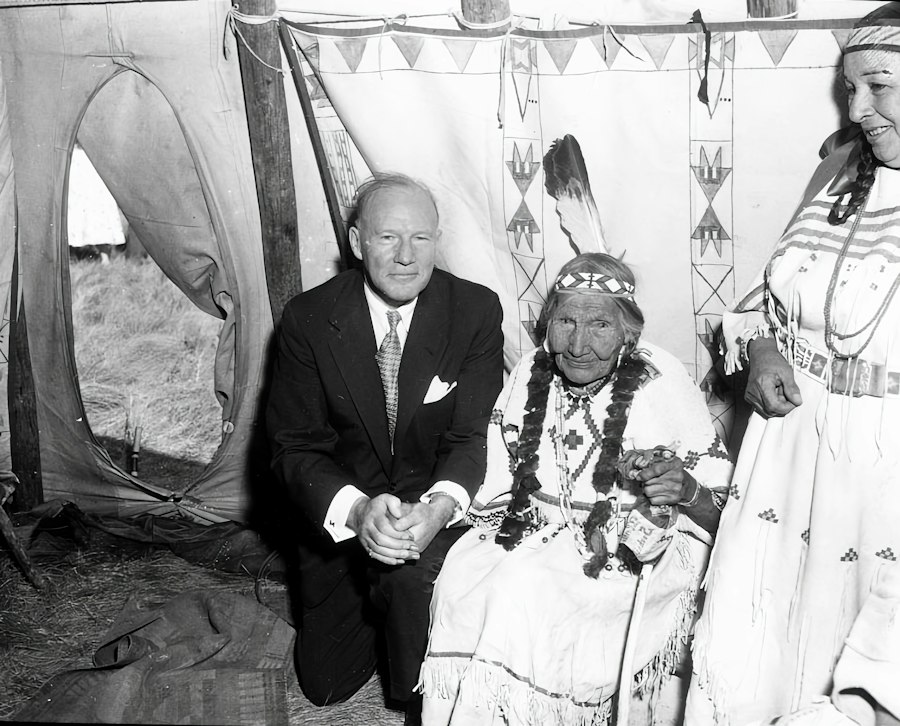
The utility of Y-DNA analysis in tracing Native American ancestry is profound, offering a scientific lens through which to explore deep familial connections to Indigenous peoples. For individuals who have a known or suspected Native American heritage, Y-DNA testing can provide concrete evidence and help to bridge gaps in historical records, which are often incomplete or inaccessible for Indigenous communities due to historical disenfranchisement and record-keeping practices.
Identifying Specific Native American Haplogroups
As mentioned previously, specific Y-DNA haplogroups are strongly indicative of Native American ancestry. The prevalence of haplogroups Q and C in Native American populations is a cornerstone of this research. Haplogroup Q is believed to have been one of the primary Y-DNA haplogroups carried by the early populations that migrated from Asia into the Americas. Its presence in a significant portion of Native American males today is a powerful testament to this ancient migration. Similarly, certain subclades of haplogroup C are also found in Indigenous communities, pointing to additional ancestral links.
The identification of these specific haplogroups through Y-DNA testing can provide a tangible connection to these ancient ancestral groups. For someone whose family history suggests Native American roots but lacks definitive documentation, discovering they belong to haplogroup Q or a relevant subclade of C can be a deeply affirming experience, offering scientific validation of their heritage. This is particularly important when formal genealogical records are scarce or have been lost due to historical upheaval.
Bridging Gaps in Historical Records
Genealogical research often relies on documentary evidence such as birth certificates, marriage records, and census data. However, for many Native American families, such records are either non-existent, incomplete, or difficult to access due to historical circumstances, including forced assimilation policies, the residential school system, and the loss of tribal records. Y-DNA analysis offers a complementary approach that bypasses the limitations of traditional documentation.
By identifying a specific Native American haplogroup, individuals can gain a starting point for further research. While Y-DNA analysis itself does not pinpoint a specific tribe, it can reveal a paternal lineage that is statistically more likely to be associated with certain Indigenous groups. For example, if a Y-DNA test reveals a haplogroup common among the Inuit or other Arctic populations, it might guide further research into those specific cultural groups. Similarly, identifying a haplogroup prevalent among Southwestern tribes could prompt investigations into the histories and gene pools of those communities. This scientific insight can then empower individuals to seek out tribal histories, oral traditions, and potentially connect with living relatives or tribal organizations that can provide further context and understanding.
Connecting with Distant Cousins and Tribal Communities
One of the most compelling aspects of Y-DNA analysis is its ability to connect individuals with others who share a common paternal ancestor. Genealogical testing companies maintain large databases of Y-DNA profiles. When an individual’s Y-DNA profile is analyzed, it is compared against this database to identify potential matches. These matches, even if distant, share a common paternal ancestor, and the closer the match (indicated by a lower genetic distance based on STR markers), the more recent the common ancestor is likely to be.
For individuals tracing Native American ancestry, these matches can be invaluable. They might connect someone with unknown relatives who have a more complete understanding of their family tree or who have already established connections with their tribal community. These connections can facilitate the sharing of oral histories, family stories, and cultural knowledge, enriching the individual’s understanding of their heritage. Furthermore, discovering such matches can sometimes lead to direct engagement with Native American tribal communities, fostering reconciliation, cultural exchange, and a sense of belonging.
Challenges and Ethical Considerations in Y-DNA Analysis for Indigenous Ancestry
While Y-DNA analysis offers remarkable insights, it is not without its challenges and ethical considerations, especially when dealing with the sensitive topic of Indigenous ancestry. A nuanced understanding of these aspects is crucial for responsible and respectful genealogical exploration.
The Limits of Y-DNA: Tribe vs. Haplogroup
It is vital to understand that Y-DNA analysis reveals paternal haplogroups and ancient migration patterns, not specific tribal affiliations in the modern sense. While certain haplogroups are highly prevalent in particular Native American populations, they are not exclusive to any single tribe. For instance, haplogroup Q is found across numerous Indigenous groups throughout North and South America. Therefore, a Y-DNA result indicating haplogroup Q does not automatically confirm membership in a specific tribe.
Tribal identities are complex social constructs, shaped by history, culture, language, territory, and self-governance. They are not solely determined by genetics. Relying solely on Y-DNA to claim tribal affiliation can be misleading and disrespectful to the established governance and membership criteria of Indigenous nations. Y-DNA analysis should be viewed as one piece of the puzzle, a scientific clue that can guide further, more traditional genealogical and cultural research, rather than a definitive answer to tribal belonging.
Data Privacy and Security Concerns
As with any form of genetic testing, privacy and data security are paramount concerns. Y-DNA data is inherently personal, revealing intimate details about an individual’s paternal lineage. Individuals must be confident that their genetic information is stored securely and used only for the purposes they have consented to. Reputable testing companies have robust data protection policies and often anonymize data before using it for research purposes.
However, the potential for data breaches or unintended sharing remains a concern. Furthermore, the long-term implications of genetic databases are still being understood. It is important for individuals to carefully review the privacy policies of any genetic testing company they consider using and to be aware of how their data might be utilized. For Indigenous communities, who have historically faced exploitation and discrimination, concerns about the misuse of genetic data are particularly acute. Transparency and community-driven consent are essential when genetic research involves Indigenous populations.
Repatriation and Community Engagement
The increasing accessibility of genetic testing raises important questions about genetic repatriation and the ethical engagement with Indigenous communities. In some instances, genetic data collected from Indigenous individuals might be held by research institutions or private companies. The question of who owns this data and how it should be used is a significant ethical consideration.
Many Indigenous communities are advocating for the return of their genetic data and for greater control over how research involving their ancestral DNA is conducted. This involves principles of Indigenous data sovereignty, which assert the right of Indigenous peoples to collect, own, and control data about themselves, their lands, and their resources. Genetic testing companies and researchers working in this area have a responsibility to engage respectfully with Indigenous communities, seek informed consent, and consider the potential benefits and harms of their research for those communities. Collaboration and partnership, rather than extraction, should be the guiding principle.
Exploring Y-DNA and its connection to Native American ancestry can reveal fascinating insights into one’s heritage. For those interested in understanding the historical narratives that shape these ancestral ties, a related article discusses the intriguing discoveries of ancient writings and their implications for cultural identity. You can read more about these hidden secrets in the article here. This exploration not only enhances our understanding of genetic lineage but also sheds light on the rich tapestry of stories that define Native American history.
The Personal and Community Impact of Ancestral Discoveries
| Metric | Description | Typical Values / Examples |
|---|---|---|
| Haplogroup | Y-DNA lineage group commonly associated with Native American ancestry | Q-M3, Q-M346, C-M217 |
| Frequency in Native American Populations | Percentage of males carrying Native American Y-DNA haplogroups | Up to 90% in some indigenous groups |
| Time to Most Recent Common Ancestor (TMRCA) | Estimated age of Native American Y-DNA haplogroups | ~15,000 to 20,000 years ago |
| Geographic Origin | Region where Native American Y-DNA haplogroups are believed to have originated | Siberia / Beringia |
| Mutation Markers | Specific SNPs defining Native American Y-DNA haplogroups | M3 (rs3894), M346, M217 |
| Percentage of Native American Ancestry in Mixed Populations | Proportion of Native American Y-DNA haplogroups found in admixed populations | Varies widely; often 10-50% in Latin America |
The journey of tracing ancestry through Y-DNA analysis can be profoundly transformative, offering individuals a deeper understanding of their identity and fostering connections within their families and broader communities. These discoveries can have ripple effects, illuminating personal narratives and contributing to collective knowledge.
Rekindling Family Connections and Identity
For many, the discovery of Native American ancestry through Y-DNA analysis is a deeply emotional and identity-affirming experience. It can provide a sense of belonging and connection to a rich cultural heritage that may have been previously unknown or only vaguely understood. This can be particularly impactful for individuals who have felt a disconnect from their roots or who have grown up in circumstances where their Indigenous heritage was not openly discussed or celebrated.
The Y-DNA results can serve as a catalyst for individuals to actively explore their heritage, learn about the history and traditions of Indigenous peoples, and connect with their paternal relatives. This journey of self-discovery can lead to a strengthened sense of identity, pride, and a more complete understanding of one’s place in the world. It can empower individuals to embrace and celebrate all aspects of their ancestry.
Contributing to Genetic Research and Understanding
Beyond the personal impact, Y-DNA analysis plays a crucial role in advancing our scientific understanding of human migration and the peopling of the Americas. By analyzing the Y-DNA profiles of individuals with Indigenous ancestry, researchers can map ancient migration routes, estimate the timing of these movements, and gain insights into the genetic diversity of early populations.
The data generated from individual Y-DNA tests, when aggregated and anonymized, contributes to large-scale population genetics studies. These studies help to refine our understanding of human history, evolution, and the interconnectedness of human populations worldwide. For Native American communities, this research can also shed light on their unique genetic heritage and the resilience of their ancestral lines through millennia.
Fostering Cultural Revitalization and Awareness
The discoveries facilitated by Y-DNA analysis can contribute to broader efforts of cultural revitalization and increased awareness of Indigenous histories and cultures. As individuals uncover their Native American roots, they may become more engaged with Indigenous issues, support tribal initiatives, and advocate for the rights and recognition of Indigenous peoples.
This increased engagement can lead to a greater appreciation for the diversity and richness of Indigenous cultures, histories, and contributions. It can help to dispel stereotypes, challenge historical narratives that have marginalized Indigenous peoples, and promote a more inclusive and accurate understanding of the past and present. The personal journeys of discovery can, in turn, inspire collective action and a renewed commitment to preserving and celebrating Indigenous heritage.
The Future of Y-DNA and Indigenous Ancestry Research
The field of genetic ancestry testing is constantly evolving, with advancements in technology and expanding databases promising even greater insights into our past. For those tracing Native American ancestry, the future holds exciting possibilities, alongside continued ethical considerations.
Advancements in Next-Generation Sequencing
Next-generation sequencing (NGS) technologies are revolutionizing Y-DNA analysis. Unlike older methods that focused on specific markers, NGS allows for the complete sequencing of the Y chromosome. This provides a far more comprehensive dataset, enabling the identification of rare SNPs and novel mutations that can refine haplogroup classifications and reveal finer details about ancestral lineages. For Native American ancestry, NGS can help to identify even more specific subclades within known haplogroups, potentially offering more nuanced insights into regional origins and migration patterns within the Americas.
Expanding Reference Databases
The accuracy and depth of Y-DNA analysis are heavily reliant on the quality and comprehensiveness of reference databases. As more individuals, particularly those with Indigenous heritage, participate in genetic testing and consent to their anonymized data being used for research, these databases grow. Expanding these databases with diverse Indigenous populations from various regions is crucial for improving the accuracy of haplogroup assignments and for understanding the genetic diversity within and between different Native American groups. This expansion should be conducted with careful attention to community consent and data sovereignty.
Ethical Frameworks and Indigenous Collaboration
As the power of genetic analysis grows, so too does the importance of robust ethical frameworks and genuine collaboration with Indigenous communities. The future success and ethical integrity of tracing Native American ancestry through Y-DNA must be built on principles of respect, transparency, and shared ownership. This means prioritizing Indigenous data sovereignty, ensuring that communities have agency in how their genetic heritage is studied and utilized, and fostering partnerships that benefit both the researchers and the communities involved. The ongoing dialogue about how to best conduct genetic research involving Indigenous peoples will be paramount in shaping a responsible and equitable future for ancestral discoveries.

DNA Challenged This Family’s Pocahontas Ancestry Claim
FAQs
Can Y-DNA testing determine Native American ancestry?
Y-DNA testing can provide information about a person’s direct paternal line, but it cannot specifically identify Native American ancestry. It can, however, help individuals trace their paternal lineage back to a common ancestor and potentially uncover Native American connections through genealogical research.
What are some common Y-DNA haplogroups found in Native American populations?
Some common Y-DNA haplogroups found in Native American populations include Q-M3, Q-M242, and C-M217. These haplogroups are often associated with indigenous peoples of the Americas and can provide clues about a person’s Native American ancestry.
How accurate is Y-DNA testing for determining Native American ancestry?
Y-DNA testing can be accurate in tracing a person’s direct paternal line and identifying potential Native American connections. However, it is important to consider that genetic testing is just one piece of the puzzle, and additional genealogical research is often needed to confirm Native American ancestry.
Can Y-DNA testing distinguish between different Native American tribes?
Y-DNA testing alone cannot distinguish between different Native American tribes. While it can provide information about a person’s paternal lineage and potential Native American ancestry, determining specific tribal affiliations typically requires additional research, such as autosomal DNA testing and genealogical records.
What are some limitations of using Y-DNA testing for Native American ancestry research?
Some limitations of using Y-DNA testing for Native American ancestry research include the inability to pinpoint specific tribal affiliations, the potential for limited sample databases for comparison, and the need for additional genealogical research to confirm and contextualize genetic findings. It is important to approach Y-DNA testing as just one tool in a comprehensive genealogical investigation.