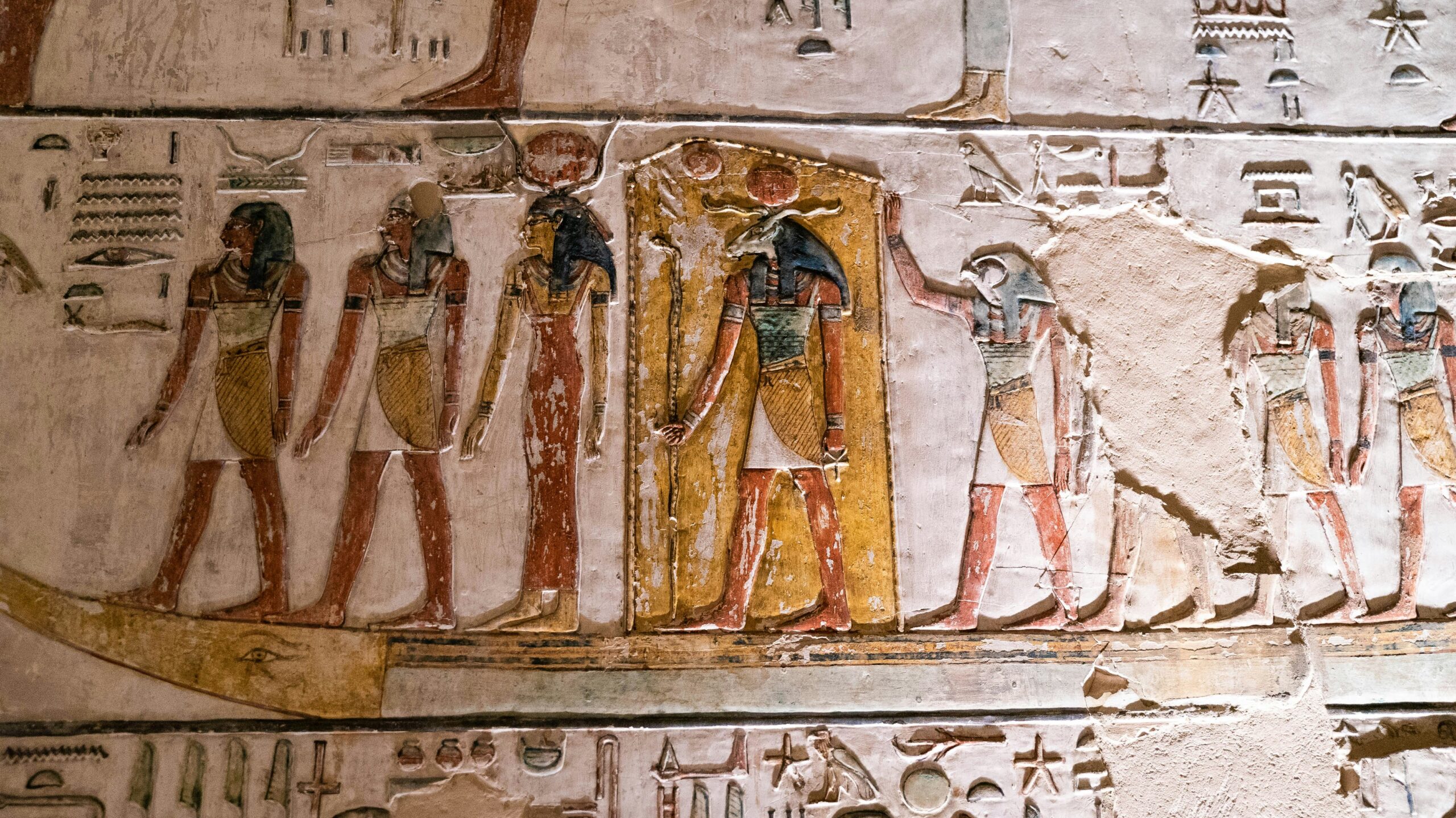
The allure of the unknown has long captivated the human imagination. History, in particular, is riddled with enigmas – events, structures, and practices that defy easy explanation, sparking countless theories and fervent debates. Yet, beyond the whispers of speculation, a bedrock of tangible evidence, painstakingly unearthed and rigorously analyzed, often lies at the heart of these ancient mysteries. This article delves into some of history’s most perplexing enigmas, exploring the evidence that scholars have gathered to shed light on their origins, purposes, and ultimate fates.
The Silent Stones of Stonehenge
Perhaps no prehistoric monument evokes a sense of profound mystery as powerfully as Stonehenge. Situated on Salisbury Plain in Wiltshire, England, this colossal arrangement of standing stones has puzzled archaeologists and historians for centuries. Its construction, dating back to the Neolithic and Bronze Ages, involved the transportation and erection of massive sarsen stones, some weighing over 40 tons, and smaller bluestones brought from hundreds of miles away in Wales. The sheer scale of the undertaking, without the benefit of modern technology, is staggering.
Unveiling the Astronomical Significance
Early theories posited Stonehenge as a temple to sun gods or a place of Druidic rituals. While ritualistic use is widely accepted, the precise nature and purpose remain debated. However, a wealth of evidence points towards a sophisticated understanding of astronomy. The alignment of the stones with the solstices is undeniable. The Heel Stone, for instance, stands outside the main circle and perfectly frames the sunrise on the summer solstice. Other alignments suggest an awareness of lunar cycles and even potentially solar eclipses. Archaeologists have analyzed the precise angles and positions of the stones, correlating them with astronomical events. Geophysical surveys and LiDAR scans have revealed a complex landscape around the monument, including avenues and earthworks that likely played a role in its ceremonial use, further supporting the astronomical interpretation.
Tracing the Bluestone Trail
The origin of the bluestones has been a significant area of investigation. Geological analysis, including isotopic dating and petrographic examination, has definitively traced these smaller stones to the Preseli Hills in Pembrokeshire, Wales, a distance of approximately 150 miles. This discovery raises further questions: How were these stones transported over such vast distances in a pre-industrial era? Theories range from human effort using sledges and ropes, possibly facilitated by glacial meltwater rivers, to more speculative ideas involving natural processes. The sheer human endeavor required to move and erect these stones suggests a highly organized society with a deep reverence for these specific materials. Evidence of glacial erratics in the Preseli Hills has also led some researchers to propose that glacial activity may have played a role in initially dislodging the bluestones, making them accessible for quarrying.
Theories of Purpose and Practice
While the astronomical alignments provide strong clues, the exact purpose of Stonehenge remains a subject of ongoing research. Evidence of cremations found within the monument suggests it was a burial site. The presence of tools and artifacts at nearby settlements indicates a significant population base supported by agriculture, capable of organizing and sustaining such a monumental project. Theories abound, from a place of healing, a calendar, a site for astronomical observation and prediction, to a symbol of unity and power for disparate tribes. The absence of written records means that much of our understanding relies on careful interpretation of archaeological findings, including animal bones indicating feasting, pottery shards suggesting daily life, and the stylistic evolution of tools used in its construction. The interdisciplinary approach, combining archaeology, archaeoastronomy, geology, and paleoenvironmental studies, continues to refine our understanding of this enigmatic structure.
For those interested in exploring the intersection of ancient mysteries and evidence-based research, a fascinating article titled “The Sudan Conflict: A Continuing Struggle for Peace” delves into the historical context of the region, shedding light on how ancient civilizations have shaped contemporary conflicts. This piece provides valuable insights that can enhance our understanding of the enduring legacies of ancient societies. To read more, visit the article here: The Sudan Conflict: A Continuing Struggle for Peace.
The Enigma of the Nazca Lines

In the arid plains of southern Peru, a series of colossal geoglyphs etched into the desert floor, known as the Nazca Lines, present another profound historical puzzle. These intricate designs, depicting animals, geometric shapes, and human figures, are so vast that they are best appreciated from a significant altitude, leading to centuries of speculation about their creators and purpose.
Deciphering the Creators’ Intent
The Nazca culture flourished in this region between 200 and 600 CE. Archaeological excavations have uncovered evidence of their settlements, pottery, and social structures, confirming them as the builders of these remarkable geoglyphs. The lines themselves were created by removing the reddish-brown iron oxide-coated pebbles that cover the desert surface, revealing the lighter-colored earth beneath. The precision with which these designs were executed, especially the large-scale figures, is astonishing and hints at sophisticated surveying techniques.
Theories of Function and Meaning
The most common theories regarding the purpose of the Nazca Lines fall into several categories: astronomical calendars, ritual pathways, water-related ceremonies, or even communication with supernatural beings. The alignment of some lines with celestial events, such as solstices and constellations, supports the astronomical calendar hypothesis. The “pathway” theory suggests that the lines were trodden during religious processions or ceremonies, with specific figures serving as focal points. Given the arid climate, it is plausible that the lines were connected to water rituals, perhaps seeking divine intervention for rain or to honor deities associated with water. The sheer effort involved in creating these designs suggests a deeply ingrained cultural or religious significance. Some researchers have also proposed that the lines served as landing strips for extraterrestrial visitors, a theory lacking credible scientific evidence but highlighting the enduring power of the mystery.
The Persistent Questions
Despite extensive research, definitive answers remain elusive. The lack of written records from the Nazca culture leaves their motivations open to interpretation. The scale of the undertaking and the precision of the execution continue to inspire awe and wonder. Ongoing research focuses on further analyzing the geometric patterns, correlating them with astronomical data, and examining the surrounding archaeological context for clues about the rituals and beliefs of the Nazca people. The ongoing preservation of these lines, threatened by erosion and human activity, also highlights the importance of understanding and protecting this unique archaeological heritage.
The Lost City of Atlantis

The legend of Atlantis, a technologically advanced civilization swallowed by the sea in a single day and night of misfortune, has captured the human imagination for millennia. First described by the Greek philosopher Plato, the tale has inspired countless explorations, speculative theories, and fictional works. While many consider it a myth, the persistent allure of this lost civilization prompts a deeper look at what evidence, or lack thereof, exists.
Plato’s Account: The Genesis of the Legend
Plato’s dialogues, Timaeus and Critias, are the sole primary sources for the Atlantis story. He described it as a powerful naval empire located beyond the Pillars of Hercules (believed to be the Strait of Gibraltar), which ultimately succumbed to divine wrath and catastrophic earthquakes, sinking into the ocean. Plato claimed the story was passed down through generations, originating from Egyptian priests. However, scholars widely interpret Plato’s account as an allegorical tale, intended to illustrate his philosophical ideas about ideal societies and the dangers of hubris and imperialistic ambition.
The Search for Tangible Proof
Despite its literary origin, the idea of a real Atlantis has spurred numerous expeditions and theories. Numerous locations have been proposed as the site of the lost continent, including the Azores, the Canary Islands, Crete, and even the Caribbean. These theories often rely on misinterpretations of geological data, ancient texts, or coincidental geographical features. For example, the Minoan civilization on Crete, with its advanced culture and eventual catastrophic decline due to a volcanic eruption (the Thera eruption), has been suggested as a possible inspiration for Plato’s story, though the geographical and chronological discrepancies are significant.
The Burden of Evidence
The fundamental challenge in validating the Atlantis legend is the complete absence of concrete archaeological evidence. No ruins, artifacts, or geological formations have been definitively identified that match Plato’s description of a vast continent with advanced metallurgy, sophisticated engineering, and a powerful military. The scientific community generally considers Atlantis to be a philosophical construct by Plato, not a historical event or a lost continent. While the search for Atlantis continues to fuel popular interest, the evidence, or rather the profound lack thereof, remains the most compelling aspect of this enduring enigma.
The Voynich Manuscript: A Ciphered Past
The Voynich Manuscript, a medieval codex written in an unknown script and adorned with bizarre illustrations of plants, astronomical diagrams, and bathing figures, represents one of history’s most perplexing textual mysteries. Discovered in 1912 by antiquarian bookseller Wilfrid Voynich, this enigmatic book has defied all attempts at decipherment for over a century.
The Language of the Unknown
The script of the Voynich Manuscript is unlike any known alphabet or writing system. Its unique characters, sometimes resembling cursive Latin or Arabic but with distinct formations, appear in sequences that suggest a natural language. Statistical analysis of the text reveals patterns consistent with real languages, such as word frequencies and character repetitions. However, despite the application of sophisticated cryptographic techniques, linguistic analysis, and computational linguistics, no one has definitively cracked the code. Theories range from a lost natural language, an artificial language, a form of shorthand, or even an elaborate hoax.
The Bewildering Illustrations
The manuscript’s illustrations are as mysterious as its text. They depict fantastical plants with anatomical features that don’t correspond to any known species, intricate astrological charts that don’t align with recognized celestial patterns, and scenes of women bathing in surreal, interconnected plumbing systems. These images have been interpreted as representing herbal remedies, astronomical observations, or alchemical processes. However, their bizarre and often nonsensical nature further deepens the enigma, making it difficult to glean concrete information about their context or meaning.
Theories of Origin and Purpose
The carbon dating of the parchment places its creation in the early 15th century. Theories about its origin and purpose are varied. Some scholars believe it was an alchemical text, a medical treatise, a work of occult knowledge, or even a sophisticated encoding of a known language. The possibility of a hoax, though often dismissed by textual analysts due to the complexity and internal consistency of the script, cannot be entirely ruled out. The ongoing quest to decipher the Voynich Manuscript continues to attract cryptographers, linguists, and historians, all hoping to unlock the secrets held within its strange pages.
In exploring the fascinating intersection of ancient mysteries and evidence-based research, one can find intriguing insights in the article on environmental influences found at this link. The piece delves into how environmental factors may have shaped ancient civilizations and their practices, shedding light on the mysteries that continue to captivate historians and archaeologists alike. By examining the evidence presented, readers can gain a deeper understanding of how our ancestors interacted with their surroundings, ultimately unraveling some of the enigmatic aspects of their lives.
The Disappearance of Amelia Earhart
| Mystery | Location | Estimated Age | Evidence Type | Current Theories | Research Status |
|---|---|---|---|---|---|
| Stonehenge | Wiltshire, England | ~5000 years | Archaeological remains, Radiocarbon dating | Astronomical calendar, Religious site | Ongoing excavations and studies |
| Göbekli Tepe | Southeastern Turkey | ~11,600 years | Stone pillars, Carbon dating | Early religious temple, Social gathering site | Active archaeological research |
| Great Pyramid of Giza | Giza, Egypt | ~4,500 years | Architectural analysis, Hieroglyphics | Tomb of Pharaoh Khufu, Astronomical alignment | Extensively studied, some debates remain |
| Nasca Lines | Peru | ~1,500 years | Geoglyphs, Radiocarbon dating | Religious or astronomical markers | Ongoing aerial and ground research |
| Moai Statues | Easter Island | ~700-1,000 years | Stone carvings, Oral traditions | Ancestor worship, Social status symbols | Active archaeological and cultural studies |
The story of Amelia Earhart’s final flight in 1937, a daring attempt to circumnavigate the globe at the equator, has become a defining moment in aviation history. Her disappearance over the central Pacific Ocean, along with her navigator Fred Noonan, remains one of the most enduring mysteries of the 20th century.
The Final Broadcasts and Last Known Positions
Earhart and Noonan departed from Lae, New Guinea, on July 2, 1937, with the intended destination of Howland Island, a tiny speck in the vast Pacific. Their last confirmed radio transmissions indicated they were experiencing difficulties locating the island, with Earhart famously reporting “running north and south.” The U.S. Navy launched an extensive search, but no trace of the Lockheed Model 10-E Electra or its occupants was ever found. Analysis of radio direction-finding attempts and the timing of their last communications provide a crucial, albeit frustratingly incomplete, picture of their final hours.
Competing Theories and Evidence
Numerous theories have emerged to explain Earhart’s disappearance. The most widely accepted official explanation is that the aircraft ran out of fuel and crashed into the Pacific Ocean near Howland Island. However, alternative theories persist, fueled by tantalizing, though often circumstantial, evidence.
One prominent theory suggests Earhart and Noonan landed on Nikumaroro (then Gardner Island), a remote atoll in the Phoenix Islands, and survived as castaways. This theory is supported by the discovery of artifacts on Nikumaroro that could be consistent with Earhart’s presence, such as fragments of cosmetic jars and possible human remains (though DNA analysis has been inconclusive). Another theory posits that Earhart was captured and died as a prisoner of the Japanese, a claim that lacks substantial corroborating evidence and often relies on speculative wartime accounts. More recent investigations have focused on advanced technological analyses of historical aerial photographs and sonar data, seeking to identify potential aircraft wreckage or evidence of a crash site.
The Enduring Quest for Closure
The mystery of Amelia Earhart’s disappearance is more than just a historical footnote; it represents a profound human tragedy and a testament to the inherent risks of exploration. While the official explanation of a crash remains the most plausible, the persistent allure of alternative theories underscores the human desire for definitive answers. Ongoing research continues to sift through historical records, analyze new evidence, and employ advanced technologies in the hope of finally bringing closure to this captivating and poignant enigma. The lack of definitive proof, despite decades of searching, ensures that Amelia Earhart’s final flight will continue to be a subject of fascination and debate.

Why Were Giant Camels Carved Above the Desert?
FAQs
What is the concept of evidence-based ancient mysteries?
Evidence-based ancient mysteries refer to the study and exploration of historical enigmas and phenomena using factual evidence, scientific methods, and critical thinking to uncover the truth behind ancient civilizations and their mysteries.
How do researchers apply evidence-based approaches to ancient mysteries?
Researchers apply evidence-based approaches to ancient mysteries by analyzing archaeological findings, historical documents, scientific data, and other reliable sources to draw conclusions based on factual evidence rather than speculation or myths.
What are some examples of evidence-based investigations into ancient mysteries?
Examples of evidence-based investigations into ancient mysteries include the study of ancient civilizations like the Egyptians, Mayans, and Greeks, as well as the analysis of archaeological sites, artifacts, and inscriptions to understand their cultures, beliefs, and practices.
Why is it important to use evidence-based methods when exploring ancient mysteries?
Using evidence-based methods when exploring ancient mysteries is crucial because it helps separate fact from fiction, enables researchers to make informed conclusions based on reliable evidence, and contributes to a more accurate understanding of ancient civilizations and their mysteries.
How can the application of evidence-based approaches benefit the study of ancient mysteries?
The application of evidence-based approaches can benefit the study of ancient mysteries by promoting critical thinking, fostering a deeper understanding of historical events and cultures, and ultimately leading to more credible and reliable interpretations of ancient enigmas and phenomena.