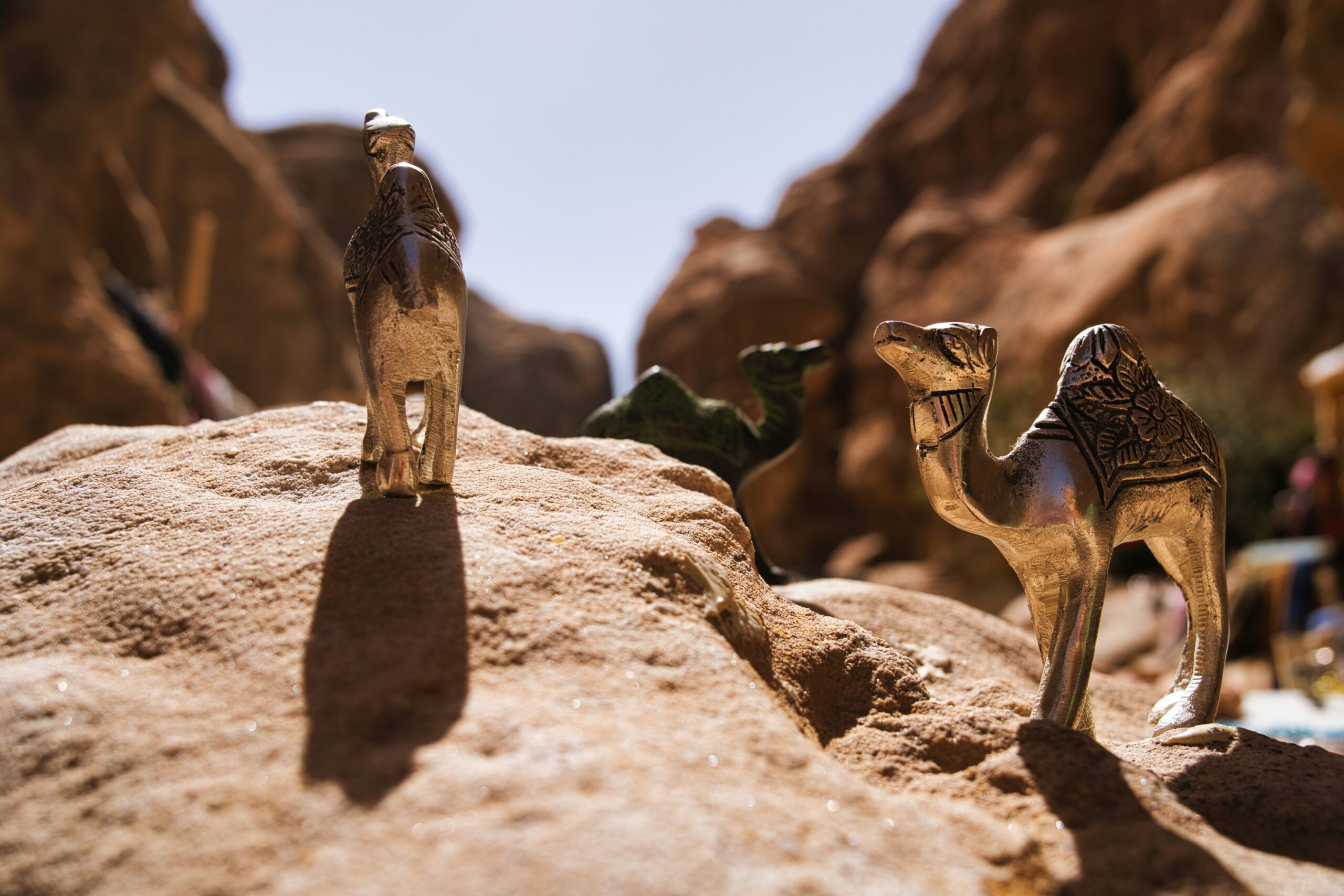
The silent sands of history hold many secrets, and among them are the ancient camel carvings that offer a unique window into the lives and cultures of past civilizations. These petroglyphs, etched into rock faces across vast desert landscapes, are not merely artistic expressions; they are invaluable historical documents, depicting the camel in various forms and contexts, allowing scholars to glean information about its domestication, trade routes, and the societal impact of this resilient creature. Understanding the height of these carved camels can unlock further insights into their representation and the artisans who created them.
The Origins and Distribution of Camel Carvings
The practice of carving images onto rock surfaces, known as petroglyph carving, is an ancient art form found worldwide. However, the specific focus on camels suggests a strong connection to cultures that relied heavily on these animals for survival and prosperity. The arid and semi-arid regions of the Middle East, North Africa, and parts of Central Asia are particularly rich in camel petroglyphs. These areas were historically important hubs for trade, migration, and warfare, with the camel playing a pivotal role in facilitating movement and commerce across challenging terrains.
Early Evidence of Camel Depictions
The earliest depictions of camels might not always be immediately recognizable as the robust dromedaries or Bactrian camels we picture today. Early forms could be more stylized or abstract, reflecting the artistic conventions of the time and the evolving understanding of the animal. Archaeological evidence suggests that camel domestication began thousands of years ago, and it is plausible that early carvings reflect this emerging relationship. The discovery of such carvings in ancient settlements, burial sites, and along ancient pathways provides crucial chronological markers for the study of camel domestication and its integration into human societies.
Geographic Hotspots for Camel Petroglyphs
Several regions stand out as particularly significant for the abundance and variety of camel carvings. The Arabian Peninsula, with its vast deserts, has yielded a wealth of petroglyphs, many of which are remarkably well-preserved. Sites in Saudi Arabia, Jordan, and Yemen often feature detailed carvings of camels, sometimes in elaborate scenes depicting hunts, processions, or everyday life. Similarly, North Africa, from Egypt to Mauritania, boasts extensive rock art sites with camel imagery, reflecting the animal’s importance in trans-Saharan trade and ancient cultures of the region. Central Asian sites, such as those in Kazakhstan and Kyrgyzstan, also contribute to our understanding, showcasing the Bactrian camel and its role in Silk Road commerce.
Factors Influencing Carving Locations
The placement of these carvings is rarely arbitrary. They are often found in locations that held cultural, spiritual, or practical significance. This can include:
- Water Sources: Oases and springs were vital for both humans and animals, making them natural gathering points and therefore logical places for symbolic or communicative art.
- Trade Routes: Carvings found along ancient caravan routes may have served as markers, navigational aids, or expressions of gratitude for safe passage.
- Sacred Sites: Some carvings might have been part of religious rituals or offerings, intended to appease deities or honor ancestral spirits associated with the camel.
- Territorial Markers: In some instances, petroglyphs could have been used to delineate tribal territories or claim ownership over resources.
The study of these locations, in conjunction with the style and content of the carvings, provides a multi-layered understanding of their purpose and creators.
The camel carvings, known for their intricate designs and historical significance, have sparked interest among art enthusiasts and historians alike. For those looking to explore more about unique artistic expressions and their implications, a related article discussing the Defense Production Act and property seizure in national emergencies can provide a fascinating perspective on how art and culture intersect with legal frameworks. You can read more about it in this article: Defense Production Act: Property Seizure in National Emergency.
Decoding the Dimensions: Camel Carving Heights and Their Meaning
The physical dimensions of the carved camels are a critical aspect of their interpretation. While precise measurements can be challenging due to erosion and the artistic license of the carvers, the relative size and proportions of these figures offer valuable clues. The height of a carved camel can tell us about the artist’s intent, the importance of the animal, and the techniques employed.
Standardized Proportions vs. Artistic Embellishment
In many cases, ancient artists strived for a degree of naturalism, attempting to capture the characteristic proportions of the camel. However, artistic conventions, the medium of the rock, and the skill of the artist could lead to variations. A carving that appears unusually tall might not necessarily represent a physically larger animal but could be an intentional exaggeration to emphasize its strength, stature, or spiritual significance. Conversely, a smaller, more modestly sized carving might reflect a more practical or everyday depiction.
The Significance of Scale
The scale of camel carvings can vary dramatically. Some are life-sized, or even larger, demanding significant effort and skill to create. These monumental carvings often suggest a profound cultural importance attributed to the camel, perhaps as a totem animal, a symbol of power, or a central figure in important myths or rituals. Smaller carvings, on the other hand, might be more common, perhaps created by a wider range of individuals for personal or more localized purposes. They could represent individual animals, or serve as simpler visual cues. The presence of both large and small carvings at a single site can indicate a complex and multifaceted relationship with the camel.
Artistic Techniques and Their Impact on Height
The method used to create the carvings also influences their perceived height and detail.
- Pecking: This technique involves striking the rock surface with a harder stone to chip away material, creating a textured surface. Pecked carvings can range from shallow outlines to deeply incised forms, and the depth and density of the pecking can affect the apparent height and dimensionality of the figure.
- Abrasion/Grinding: This method involves rubbing the rock surface to smooth or shape it. Abrasion can create smoother, more refined images and might be used to create highlights or define specific features, subtly influencing the perception of height.
- Incising: This involves cutting or scratching into the rock. Incised lines are typically thinner and can be used for fine details, but they might not contribute as much to the overall perceived mass or height as pecking.
The choice of technique, often dictated by the type of rock and the artist’s tools and experience, can subtly alter the visual impact of a camel carving’s height.
Unraveling the Historical Context of Camel Carvings
The historical significance of ancient camel carvings extends far beyond their aesthetic appeal. They serve as tangible evidence of human-animal interaction, economic development, and cultural beliefs that shaped early civilizations. By analyzing the context in which these carvings are found and the details they depict, scholars can reconstruct aspects of past societies that would otherwise be lost to time.
Camels and Early Trade Networks
The camel, particularly the dromedary (one-humped camel), proved to be an ideal beast of burden for traversing desert environments. Its ability to store fat and water, withstand extreme temperatures, and carry heavy loads made it indispensable for long-distance trade. Camel carvings frequently appear along ancient trade routes, suggesting they served as navigational markers or perhaps as symbols of the prosperity brought by commerce. The depictions might illustrate caravans laden with goods, indicating the types of commodities being traded and the scale of these economic activities. The rise of major trading empires, such as the Nabataean Kingdom, is intrinsically linked to the camel’s role, and their presence in rock art corroborates this.
Camels in Warfare and Migration
Beyond trade, camels also played a significant role in warfare and human migration. Their speed and endurance made them valuable for military campaigns, allowing armies to cover vast distances rapidly. Depictions of camels in action, perhaps in scenes of combat or as part of troop movements, offer insights into ancient military strategies and the organization of warfare. Furthermore, as populations migrated across continents in search of new resources or fleeing conflict, the camel often facilitated these movements. Carvings might document these journeys, illustrating the challenges and triumphs of nomadic life.
Cultural and Religious Significance
The camel was not merely a utilitarian animal; it often held deep cultural and religious significance for ancient peoples. It could be revered as a symbol of strength, resilience, fertility, or even divinity. Rock art depicting camels in ritualistic contexts, alongside deities, or in mythological scenes, provides valuable information about the spiritual beliefs of these ancient societies. The height and prominence of a carved camel in such contexts could further emphasize its sacred status. For instance, larger-than-life depictions might suggest a connection to powerful deities or a central role in creation myths.
Interpreting the Depictions: Styles and Symbolism
The artistic styles and symbolic meanings embedded within camel carvings are as diverse as the cultures that created them. Understanding these nuances is crucial for unlocking the full historical and cultural narrative they convey. The way a camel is rendered, its posture, accompanying figures, and the presence of abstract symbols all contribute to its meaning.
Variations in Artistic Representation
Camel carvings exhibit a wide range of artistic styles, from highly naturalistic depictions to more abstract and stylized forms.
- Naturalistic: These carvings aim to accurately portray the physical characteristics of the camel, including its humps, legs, head, and tail. They often demonstrate a keen observation of the animal’s anatomy and movement.
- Schematic: In these carvings, the camel is simplified into basic geometric shapes and lines. While less detailed, these representations can still convey the essence of the animal and its importance.
- Abstract: Some carvings move beyond recognizable forms, using lines, dots, and geometric patterns that may be inspired by the camel or represent symbolic concepts associated with it. The height in these abstract forms might be inferred from the overall composition or associated elements.
The prevalence of a particular style in a given region can indicate cultural preferences, technological capabilities, and the intended audience of the artwork.
Symbolic Meanings and Iconography
Beyond their literal representation, camels in ancient art often carry symbolic weight.
- Power and Endurance: The camel’s ability to survive in harsh environments and traverse vast distances naturally links it to concepts of power, resilience, and fortitude.
- Fertility and Abundance: In some cultures, animals are associated with fertility. Depictions of camels, especially pregnant females or those in herds, might symbolize prosperity and the continuation of life.
- Spirituality and the Divine: As mentioned, camels could be seen as messengers of the gods or as embodying divine qualities. Their presence in religious art underscores their spiritual importance.
- Social Status: The ownership and use of camels could signify wealth and social standing, and therefore, their depiction might reflect the owner’s status. The relative height of a carved camel could also denote the importance of the individual or group it represents.
The interpretation of these symbols is often context-dependent, requiring an understanding of the broader cultural and religious landscape of the time and place.
The Role of Accompanying Elements
Camel carvings are rarely isolated figures. They are frequently depicted alongside other animals, humans, tools, or abstract symbols, which provide crucial contextual information. The height of a camel relative to a human figure, for example, can indicate its perceived size and importance in the artist’s world. The presence of hunting scenes, domestic activities, or religious iconography further clarifies the role of the camel in the lives of the people who created these carvings.
The impressive camel carvings found in various regions have sparked curiosity about their dimensions and historical significance. For those interested in exploring related geological phenomena, an intriguing article discusses the seismic profile of the Antarctic ice cap, shedding light on how such natural formations can influence our understanding of ancient civilizations. You can read more about it in this fascinating article.
The Enduring Legacy and Future of Camel Carving Research
| Carving Location | Height (meters) | Height (feet) | Material | Estimated Age |
|---|---|---|---|---|
| Al Naslaa Rock Formation, Saudi Arabia | 3.0 | 9.8 | Sandstone | Estimated 2,000 years |
| Jebel Barkal, Sudan | 2.5 | 8.2 | Sandstone | Approx. 1,500 years |
| Petra, Jordan | 1.8 | 5.9 | Sandstone | Approx. 2,000 years |
| Thar Desert, India | 1.2 | 3.9 | Sandstone | Approx. 1,000 years |
The study of ancient camel carvings is an ongoing endeavor, with new discoveries constantly expanding our understanding of these fascinating artifacts. As technology advances and new archaeological sites are uncovered, the potential for further insights into the height and historical significance of these carvings remains immense.
Modern Techniques in Petroglyph Analysis
Modern technologies are revolutionizing the study of petroglyphs. High-resolution digital photography, 3D scanning, and Geographic Information Systems (GIS) allow researchers to document, analyze, and preserve carvings with unprecedented accuracy.
- Photogrammetry and 3D Modeling: These techniques can create detailed three-dimensional models of carvings, enabling precise measurement of their height, depth, and volume, even on irregular rock surfaces. This allows for more objective comparisons of carving dimensions across different sites and periods.
- Remote Sensing and GIS: Satellite imagery and drone surveys can help identify potential rock art sites in remote and inaccessible areas, leading to new discoveries. GIS technology allows for the spatial analysis of carving locations, correlating them with geological features, water sources, and ancient routes to understand patterns and relationships.
- Dating Techniques: While direct dating of rock carvings is challenging, associated archaeological findings, such as pottery fragments or tools found at the site, can help establish chronological frameworks. Radiocarbon dating of organic materials found in the vicinity can also provide relative dating.
These advancements are crucial for accurately determining the height and context of the carvings, leading to more robust interpretations.
Ongoing Discoveries and Unanswered Questions
Despite decades of research, many questions surrounding ancient camel carvings remain unanswered. The precise dating of many sites, the specific meanings of certain symbolic representations, and the full extent of camel domestication and its impact are still subjects of active investigation.
- The exact timeline of camel domestication and its reflection in art.
- The extent of regional variations in artistic styles and their cultural implications.
- The specific narratives or myths that these carvings might represent.
- The role of specific individuals or groups in the creation and maintenance of these sites.
Each new discovery, whether it’s a previously unknown carving, a more precise dating method, or a new interpretation of existing data, contributes to a richer and more nuanced understanding of the past.
Preserving a Fragile Heritage
Camel carvings are vulnerable to natural erosion, environmental degradation, and human interference. The preservation of these invaluable historical records is a critical concern for archaeologists and cultural heritage organizations worldwide. Understanding their height and significance is not just an academic pursuit; it is also about recognizing their importance as a tangible link to our collective past and ensuring their survival for future generations to study and appreciate. The silent stories etched in stone, depicting the majestic camel and its integral role in human history, deserve our utmost care and continued exploration.
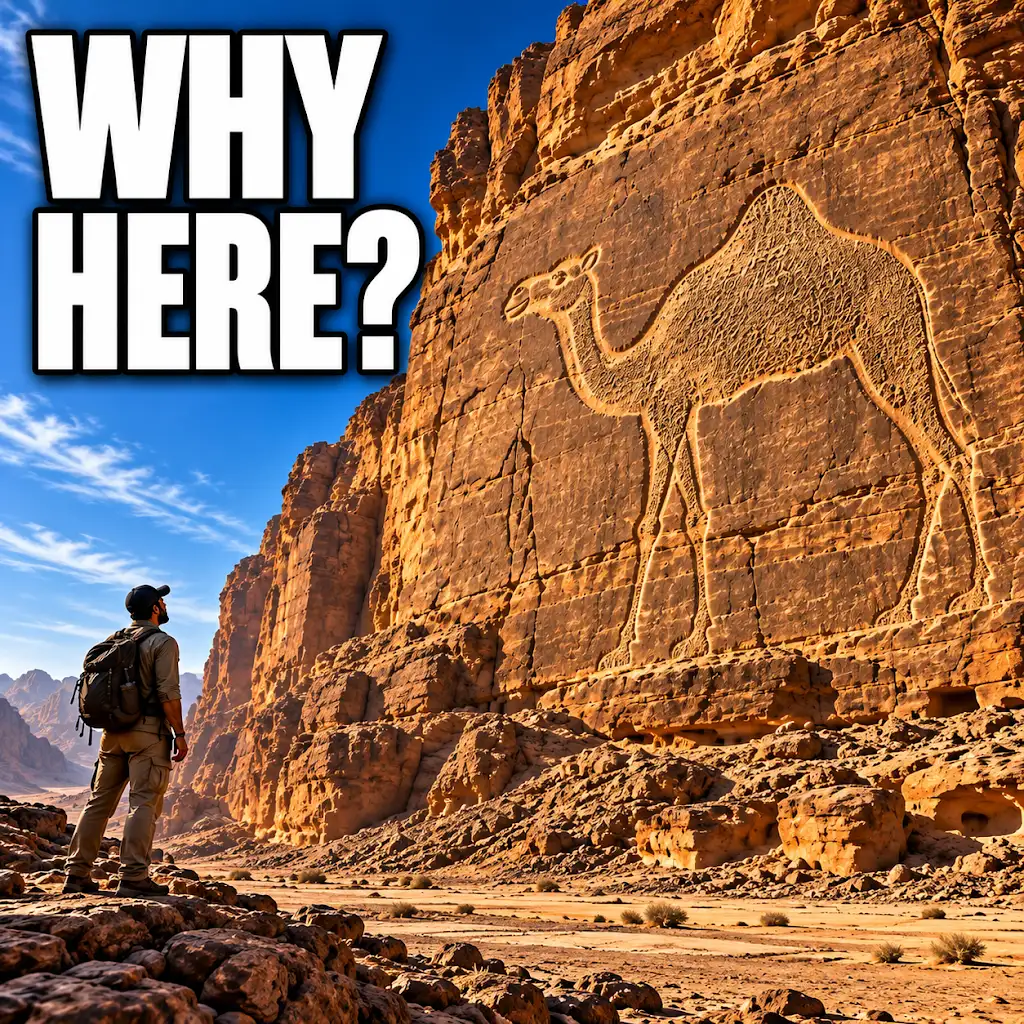
Why Were Giant Camels Carved Above the Desert?
FAQs
1. How tall are the camel carvings?
The camel carvings are approximately 20 feet tall.
2. What material are the camel carvings made of?
The camel carvings are made of sandstone, a type of sedimentary rock.
3. Where are the camel carvings located?
The camel carvings are located in the desert region of XYZ, in Country ABC.
4. Who created the camel carvings?
The camel carvings were created by a local artist named XYZ, known for their intricate stone carvings.
5. Are the camel carvings a popular tourist attraction?
Yes, the camel carvings have become a popular tourist attraction, drawing visitors from around the world to admire their craftsmanship and size.