The camel, a creature of stark beauty and remarkable resilience, has long held a prominent place in the tapestry of human symbolism. Across diverse cultures and epochs, its image has been invoked to represent profound concepts, weaving a rich narrative of endurance, the transformative power of journey, and the quiet accumulation of wisdom. The camel’s very existence in harsh, unforgiving environments has instilled in it qualities that humans have aspired to and admired, translating these physical attributes into potent metaphorical currency. From the ancient Near East to the Silk Road trade routes, and even into the realms of spiritual and religious traditions, the camel’s silhouette has been etched into art, literature, and oral tradition, bearing witness to its enduring significance.
The Unyielding Spirit of Endurance
The camel’s most immediately recognizable attribute is its extraordinary capacity for enduring the most arduous conditions. Its physiology is a testament to adaptation, a living embodiment of resilience in the face of scarcity and adversity. This inherent hardiness has made the camel a powerful symbol of steadfastness, the ability to persevere against overwhelming odds, and the inner strength required to navigate life’s challenges.
Masters of Arid Landscapes
The camel’s mastery of desert environments is unparalleled among large mammals. Its ability to survive for extended periods without water is legendary, a feat achieved through a sophisticated combination of biological adaptations. Its red blood cells are oval, allowing them to flow more easily through dehydrated blood vessels, and they can swell to absorb large quantities of water when it becomes available. Camels can tolerate significant dehydration, losing up to 30% of their body weight without suffering the ill effects that would be fatal to most other creatures. Their thick fur provides insulation against both the scorching heat of the day and the biting cold of the desert night. Broad, leathery pads on their feet prevent them from sinking into the sand, enabling them to traverse vast, shifting dunes with surprising efficiency. These physical attributes, honed by millennia of evolution, directly translate into the symbolic representation of unyielding perseverance and the capacity to thrive where others would falter. Ancient peoples who relied on camels for survival understood this intrinsic link, imbuing the animal with the spirit of enduring hardship.
The Camel as a Metaphor for Fortitude
In many cultures, the camel became synonymous with fortitude and unshakeable resolve. Stories and proverbs often depicted the camel as a steadfast companion, capable of carrying immense burdens over vast distances, mirroring the human struggle to bear life’s difficulties. Its ability to remain calm and unperturbed in the face of sandstorms and extreme temperatures further contributed to this symbolism. It was seen as an animal that did not give in to despair or exhaustion but rather continued its march, driven by an inner imperative. This resonated deeply with societies facing constant challenges from their environment, from famine, or from conflict. The image of the camel trudging on, its silhouette a lonely but determined figure against the horizon, served as a visual reminder of the importance of inner strength and the virtue of not surrendering.
Historical Accounts and Cultural Depictions
From ancient Egyptian reliefs depicting camels in procession to Roman mosaics featuring them in desert scenes, the camel has been a recurring motif in art throughout history. These depictions were not merely decorative; they often served to convey the symbolic weight the animal carried. In Mesopotamian civilizations, where the camel was domesticated, it was associated with deities of the desert and with strength and power. Later, in the context of the burgeoning trade routes, the camel became an indispensable symbol of commerce and the successful completion of long, perilous journeys. The very act of a caravan traversing the desert, with camels as the central figures, represented a triumph of human ingenuity and perseverance over the natural world. This consistent portrayal across different eras and geographical locations underscores the universal recognition of the camel’s enduring spirit.
The ancient symbolism of camel images is a fascinating topic that reveals much about the cultures that revered these majestic creatures. For a deeper understanding of how animals were represented in ancient art and what they signified, you can explore the related article titled “Exploring the Forbidden Room: Ancient City Ruins” at this link: Exploring the Forbidden Room: Ancient City Ruins. This article delves into the archaeological findings that shed light on the significance of various animal depictions, including camels, in ancient civilizations.
The Transformative Power of the Journey
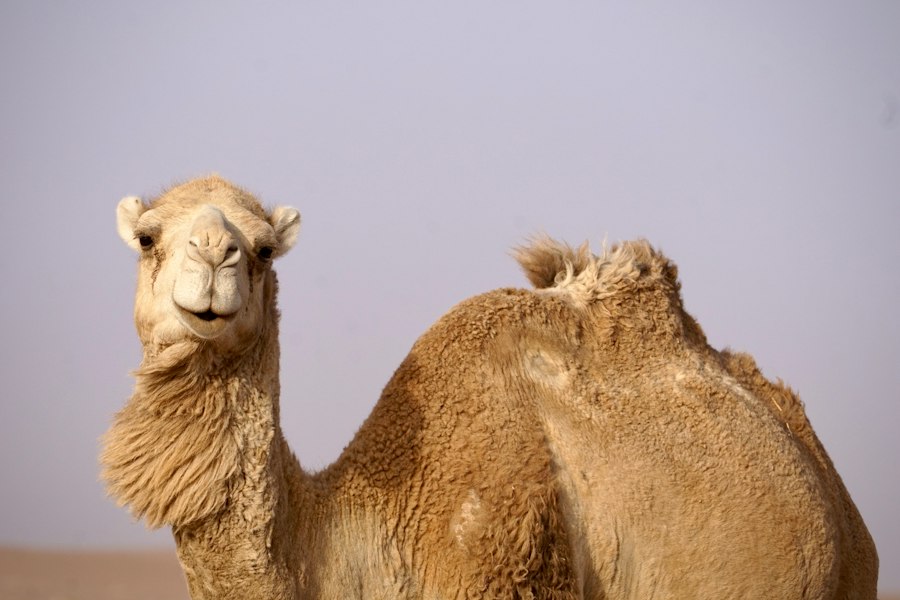
Beyond its inherent endurance, the camel is inextricably linked to the concept of the journey. As the primary mode of transport across vast deserts and challenging terrains for millennia, the camel facilitated exploration, trade, and cultural exchange. Consequently, its image became deeply entwined with the symbolism of passage, transformation, and the search for new horizons.
Architects of Long-Distance Travel
The domestication and widespread use of the camel revolutionized long-distance travel, particularly in arid regions. Before the camel, such journeys were often limited by the availability of water and the endurance of pack animals. The camel’s ability to carry significant loads for extended periods opened up new possibilities for exploration and trade, connecting distant communities and cultures. Caravan routes, such as the famous Silk Road, would have been practically unimaginable without the camel. This pivotal role in enabling movement across previously impassable landscapes naturally elevated the camel to a symbol of travel, pilgrimage, and the quest for knowledge and resources. Its steady gait became the rhythm of discovery and connection.
The Metaphor of the Caravan and Life’s Path
The caravan itself, with its string of camels moving inexorably forward, became a powerful metaphor for life’s journey. Each camel represented an individual traveler, carrying their burdens, both material and spiritual, towards an unknown destination. The challenges faced by the caravan – sandstorms, oases sought, and the vast emptiness of the desert – mirrored the trials and tribulations of human existence. The camel’s unwavering forward momentum symbolized the imperative to keep moving, to progress, and to navigate the winding paths of life. The arrival at an oasis or a destination represented moments of respite, achievement, or the attainment of wisdom gained through experience. This symbolic resonance made the camel a comforting and instructive figure for those embarking on their own life journeys.
Journeys of Faith and Spiritual Quest
The camel’s association with journeys extended into the spiritual and religious realms. In many cultures, arduous journeys were undertaken as acts of devotion or penance. Pilgrimages to sacred sites often involved long and difficult treks, and the camel, as the trusty steed, became an integral part of these spiritual quests. The act of undertaking such a journey, with its inherent hardships and moments of reflection, was seen as a path to spiritual purification and enlightenment. The camel’s ability to carry the pilgrim through these challenges symbolized divine support and the unwavering commitment required for spiritual growth. Many religious narratives and traditions feature camels as companions on journeys of faith, reinforcing their association with devotion and the pursuit of the divine.
The Silent Accumulator of Wisdom
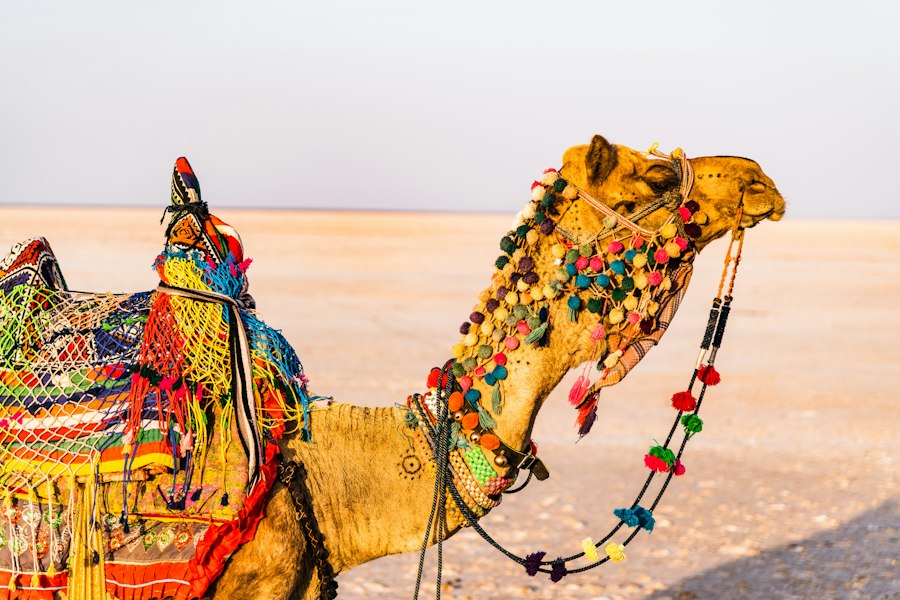
The camel’s quiet demeanor and its long, often solitary existence in the desert have also led to its association with wisdom. The patient observation of its surroundings, its calm temperament, and its ability to survive and thrive in an environment that demands constant vigilance have been interpreted as signs of deep understanding and inner knowing.
The Camel’s Reflective Nature
Camels are known for their placid and contemplative nature. They do not exhibit the frenetic energy of some animals but rather possess a deliberate and unhurried presence. This perceived calmness has been interpreted as a sign of deep thought and reflection. In cultures where observation and introspection are highly valued, the camel’s quiet demeanor became a symbol of contemplative wisdom. It was seen as an animal that watched, learned, and understood the subtle rhythms of its environment without unnecessary fuss or display. This inherent stillness made it a fitting emblem for those who sought to gain wisdom through patient observation and quiet contemplation.
Knowledge Gained Through Experience
The long life spans and the extensive journeys undertaken by camels imbue them with a wealth of experience. They have witnessed countless sunrises and sunsets, navigated treacherous terrains, and encountered a variety of challenges. This accumulation of lived experience, coupled with their inherent resilience, has led to the perception of camels as bearers of ancient knowledge. In oral traditions and folklore, older camels were sometimes depicted as repositories of wisdom, their silent gazes holding the secrets of generations. This association suggests that true wisdom is not acquired through haste but through the slow, steady accumulation of experience and the patient assimilation of lessons learned.
The Symbol of Patience and Foresight
The camel’s ability to anticipate environmental changes, such as the approach of a sandstorm, and its methodical approach to resource management, particularly water, are seen as manifestations of foresight and strategic thinking. This foresight, combined with its legendary patience, makes the camel a symbol of the wisdom that comes from understanding the long game. It teaches the virtue of waiting for the right moment, of conserving resources, and of planning meticulously for future needs. These are qualities that are highly esteemed in any society, and the camel’s natural embodiment of them cemented its status as a wise creature. Its enduring presence in a challenging world served as a constant, silent lesson in the power of patience and the rewards of careful consideration.
Camels in Mythology and Religious Narratives
The profound symbolism of the camel has been woven into the fabric of numerous mythologies and religious traditions, lending its attributes to deities, prophets, and sacred narratives. Its presence often signifies divine favor, spiritual journeys, or the transmission of important messages.
Divine Associations and Sacred Mounts
In various ancient Near Eastern mythologies, the camel was associated with deities of the sun, desert, and travel. Its strength and endurance made it a fitting mount for gods who traversed vast, arid landscapes or who brought order to chaotic environments. In some traditions, the camel was seen as a creature blessed by the gods, its very existence a testament to divine power and provision. Its ability to provide sustenance and transport in otherwise desolate regions elevated it to a position of reverence, seen as a gift from the divine. This association with the sacred further amplified its symbolic significance, making it more than just an animal but a conduit for spiritual understanding.
Camels in Abrahamic Religions
The camel holds a particularly significant place in the Abrahamic religions, appearing in pivotal narratives across Judaism, Christianity, and Islam. In the Hebrew Bible, camels are mentioned as symbols of wealth and status, and are essential for long-distance travel and trade for figures like Abraham. The New Testament features camels in the Nativity story, with the Magi bringing gifts, suggesting their importance in the East. However, it is in Islam where the camel’s prominence is arguably most pronounced. The Quran refers to camels as a creation of God, highlighting their utility and the importance of respecting them. The Prophet Muhammad himself is often depicted as riding a camel, further solidifying its status as a noble and blessed animal. Stories of journeys, migrations, and the dissemination of divine messages often involve camels, reinforcing their role as carriers of important truths and agents of spiritual progress.
Folklore and Oral Traditions
Beyond formal religious texts, the camel features prominently in the folklore and oral traditions of many cultures. These stories often serve to impart moral lessons or to explain the natural world. The camel’s resilience is frequently highlighted in tales of survival, while its perceived wisdom is used to guide characters towards better decisions. In some regions, legends speak of camels with supernatural abilities, capable of traversing impossible distances or possessing ancient knowledge. These narratives, passed down through generations, have kept the camel’s symbolic meaning alive and vibrant, ensuring its continued relevance in the collective imagination. The camel’s enduring image in these stories speaks to its deep-rooted connection with the human psyche and its ability to embody timeless values.
The ancient symbolism of camel images has intrigued historians and archaeologists for centuries, shedding light on the cultural significance of these majestic creatures in various civilizations. For a deeper understanding of how ancient societies interpreted their environment and the creatures within it, you can explore a fascinating article that delves into the mysteries of nature and its impact on human history. This article, which discusses the hidden wonders of subglacial lakes in Antarctica, can be found here.
The Enduring Legacy of the Camel Symbol
| Aspect | Description | Symbolic Meaning | Region/Culture | Historical Period |
|---|---|---|---|---|
| Camels in Ancient Art | Depictions of camels in rock carvings and pottery | Symbol of endurance, travel, and survival in harsh environments | Middle East, North Africa | Neolithic to Bronze Age |
| Religious Symbolism | Camels featured in religious texts and iconography | Represented patience, wealth, and divine provision | Ancient Arabian Peninsula, Mesopotamia | 1st millennium BCE |
| Trade and Economy | Images of camels used to signify trade caravans | Emblematic of commerce, connection, and prosperity | Silk Road regions, Arabian Desert | Classical Antiquity |
| Mythological Context | Camels appearing in myths and legends | Symbol of transformation and journey between worlds | Ancient Near East | Bronze Age to Iron Age |
| Artistic Styles | Stylized camel images in mosaics and frescoes | Indicative of cultural identity and artistic expression | Ancient Egypt, Persia | Late Bronze Age to Classical Period |
The multifaceted symbolism of the camel, encompassing endurance, the transformative power of journey, and the quiet accumulation of wisdom, continues to resonate in contemporary society. While its practical role as a primary mode of transport has diminished in many parts of the world, its metaphorical significance has endured, adapting and evolving to meet new interpretations.
Modern Interpretations of Ancient Symbols
In the modern world, the camel’s symbolism is often invoked in contexts that require resilience and perseverance. The image of the camel is used to inspire athletes facing grueling challenges, to encourage individuals navigating difficult personal circumstances, or to represent the unwavering dedication needed for ambitious projects. The concept of the “desert trek”, with the camel as its iconic figure, is often employed metaphorically to describe long, arduous processes that ultimately lead to reward. Its association with arduous but ultimately rewarding journeys continues to be a powerful motif in motivational literature and personal development.
Artistic and Literary Revivals
Contemporary artists and writers frequently draw upon the rich visual and symbolic heritage of the camel. Its silhouette remains a striking image in visual arts, from abstract paintings to detailed illustrations, often conveying themes of solitude, strength, or the exotic. In literature, the camel can represent the wise elder, the determined traveler, or the stoic survivor. Its presence in modern narratives serves to connect the present with ancient traditions, infusing contemporary works with a sense of historical depth and timeless meaning. The camel’s ability to evoke a sense of the vast, the ancient, and the untamed makes it a perennial source of inspiration.
The Camel as a Symbol of Sustainability and Resilience
In an era increasingly concerned with environmental sustainability and resilience in the face of global challenges, the camel’s inherent ability to thrive in harsh conditions offers a compelling, albeit metaphorical, model. Its efficient use of resources and its capacity to adapt to scarcity can be seen as an embodiment of principles that are vital for human survival and well-being in the 21st century. The camel’s quiet strength and its deep connection to the natural world serve as a reminder of the importance of living in harmony with our environment and of drawing upon inner reserves to overcome adversity. Its enduring legacy lies not only in its historical impact but also in its ongoing capacity to inspire and to teach invaluable lessons about the human spirit.
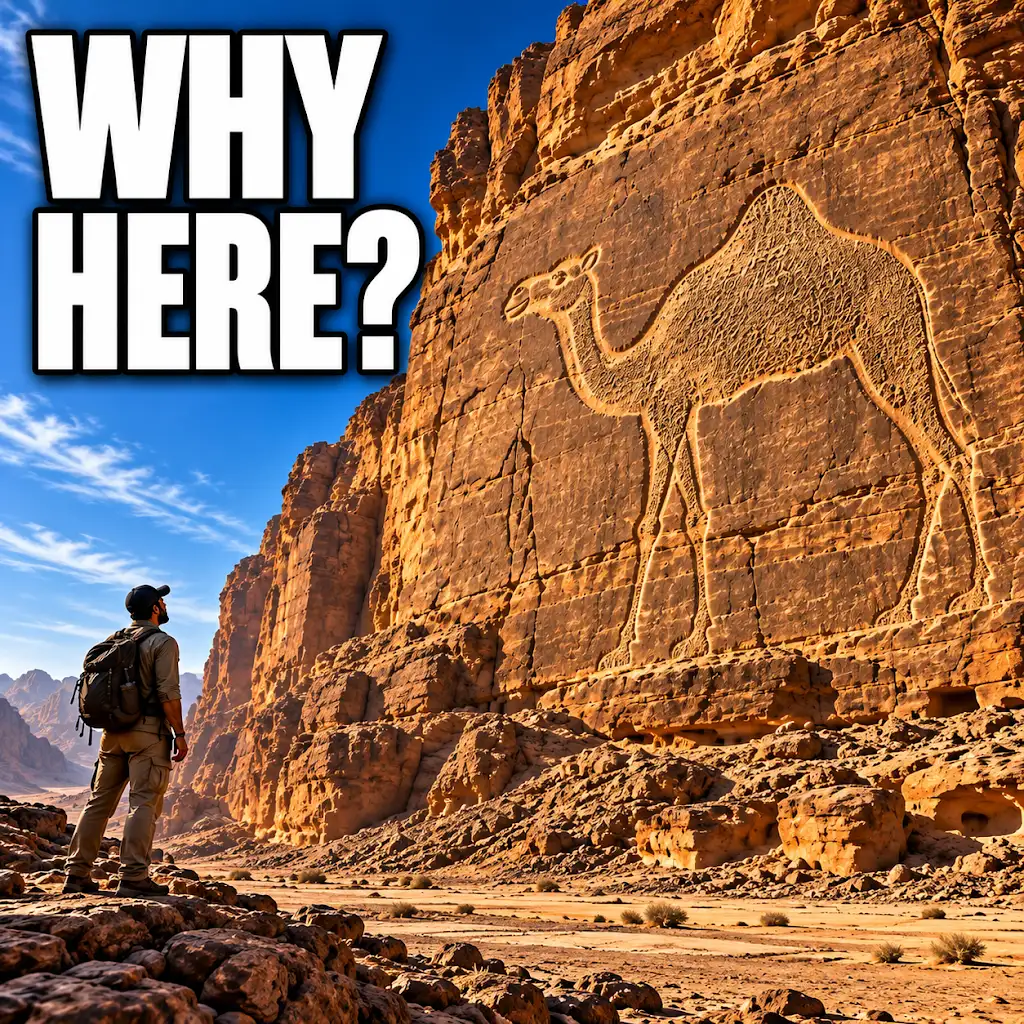
Why Were Giant Camels Carved Above the Desert?
FAQs
What is the significance of camel images in ancient cultures?
In ancient cultures, camel images were often associated with traits such as endurance, strength, and resilience. They symbolized survival in harsh environments and the ability to overcome obstacles.
How were camel images used in ancient art and symbolism?
Camel images were commonly depicted in ancient art, such as paintings, sculptures, and pottery. They were often used to represent trade, travel, and the exotic lands of the East.
What do camel images represent in religious contexts?
In religious contexts, camel images were sometimes associated with themes of humility, patience, and the journey of life. In some belief systems, camels were seen as sacred animals with spiritual significance.
Were camel images used as symbols of wealth and status in ancient societies?
Yes, camel images were sometimes used as symbols of wealth and status in ancient societies, particularly in regions where camels were highly valued for their role in trade and transportation.
How have the meanings of camel images evolved over time?
Over time, the meanings of camel images have evolved to include themes of adaptability, resourcefulness, and the ability to navigate challenging circumstances. They continue to be powerful symbols in various cultures around the world.