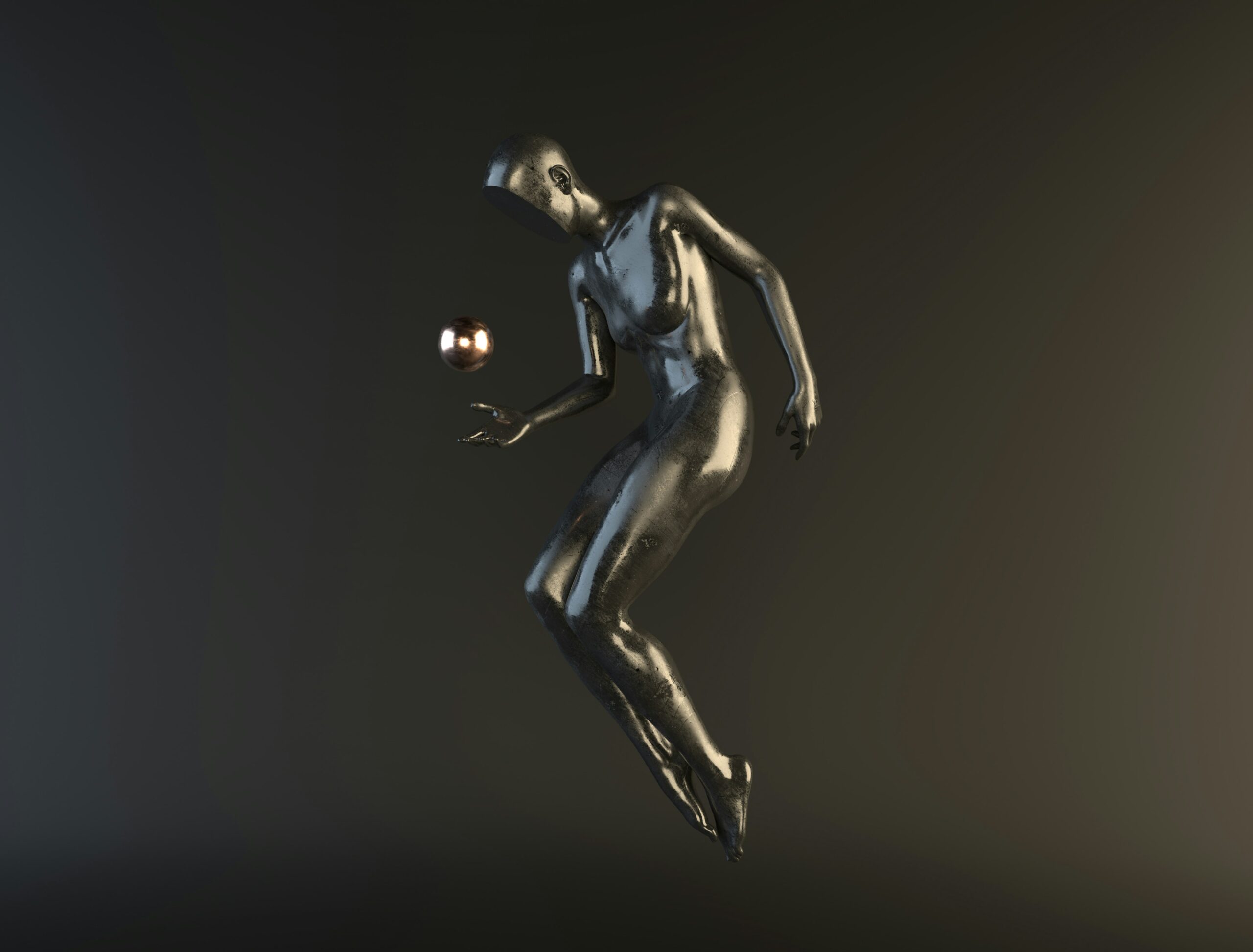
The Spectrum of Representation: Stylized versus Naturalistic Figures
The enduring power of visual art lies in its capacity to interpret and represent the world. Central to this interpretive act is the depiction of the human form, a subject that has captivated artists across millennia and cultures. Within this broad field of figuration, two fundamental approaches often emerge: stylized and naturalistic representation. While naturalistic figures strive for verisimilitude, aiming to mirror reality as closely as possible, stylized figures deliberately deviate from strict mimesis, employing exaggeration, simplification, or abstraction to convey meaning, emotion, or conceptual ideas. Understanding the interplay between these two approaches reveals a rich spectrum of artistic expression, where the artist’s intention and the desired impact on the viewer dictate the chosen path. This exploration delves into the core characteristics, historical contexts, artistic motivations, and the inherent expressive potential of both stylized and naturalistic figures, highlighting how their distinct qualities contribute to the vast and varied landscape of art.
The debate between stylized and naturalistic figures in art has long fascinated scholars and artists alike, as it reflects differing approaches to representation and expression. For those interested in exploring how these artistic styles can influence our understanding of historical contexts, a related article discusses the Piri Reis map and its significance in ancient cartography and modern science. You can read more about it in this insightful piece: Piri Reis Map: Ancient Cartography and Modern Science.
Defining the Terms: Similitude and Abstraction

The distinction between stylized and naturalistic figures hinges on their relationship with observable reality. Naturalism, in its purest form, seeks to replicate the visual appearance of the human body with anatomical accuracy, paying close attention to proportions, musculature, skin texture, and the subtle nuances of light and shadow. The goal is to create an illusion of presence, as if the depicted figure could step out of the canvas or out of the stone. Stylization, conversely, involves a departure from this literal representation. It is not necessarily a lack of skill but a conscious choice to manipulate form for artistic purposes. This manipulation can manifest in various ways, from subtle simplifications to radical distortions, all aimed at emphasizing certain aspects of the subject or conveying a specific message.
The Pursuit of Accuracy: Characteristics of Naturalism
Naturalistic figures are characterized by their meticulous attention to detail and anatomical correctness. Artists aiming for naturalism invest considerable effort in studying human anatomy, often through life drawing, dissection, or careful observation of models. The resulting figures exhibit realistic proportions, believable musculature, and accurate skeletal structure. The rendering of skin tones, the play of light and shadow (chiaroscuro), and the subtle imperfections that define individual identity are all crucial elements in achieving a convincing naturalistic portrayal. Think of the anatomical precision found in Michelangelo’s David, where every muscle and tendon is rendered with astounding accuracy, or the lifelike qualities of a Rembrandt portrait, where the artist captures the sitter’s age and character through subtle wrinkles and the texture of their skin. The emphasis here is on the tangible, the observable, and the creation of a believable presence.
The Power of Deviation: Hallmarks of Stylization
Stylization, on the other hand, embraces artistic license. Instead of adhering to strict anatomical accuracy, stylized figures might exaggerate certain features, simplify complex forms, or employ geometric shapes. This could involve elongated limbs for a sense of grace or dynamism, enlarged eyes to express innocence or wonder, or a reduction of the body to basic shapes to convey energy or emotion. Stylization can range from mild alterations to extreme abstraction. For example, early Greek Kouros figures, while recognizable as human, possess a simplified, almost block-like quality. In contrast, Cubist portraits by Picasso, such as Les Demoiselles d’Avignon, fracture and reassemble the human form into geometric planes, pushing the boundaries of representational art. The key characteristic of stylization is the deliberate departure from photographic realism to enhance meaning or aesthetic impact.
Historical Trajectories: Evolution of Representation

The preference for stylized or naturalistic representation has shifted throughout art history, often reflecting prevailing cultural values, philosophical ideas, and technological advancements. These shifts are not always absolute; often, both approaches coexist and influence each other within different artistic traditions or periods. Examining these historical trends provides a valuable context for understanding why artists choose one mode of depiction over another.
Echoes of Antiquity: The Classical and the Idealized
Ancient Greek and Roman art, particularly during their Classical periods, are often lauded for their pursuit of idealized naturalism. Sculptors like Polykleitos developed canons of proportion, aiming to depict the human body in its most perfect and harmonious state. While striving for anatomical correctness, this naturalism was often infused with an ideal of beauty and balance, representing not just an individual but an archetype. Roman portraiture, while often more individualistic, also demonstrated a remarkable skill in capturing likeness and naturalistic detail. These ancient traditions laid a foundational understanding of human anatomy and realistic representation that would echo through subsequent Western art history. However, even within these periods, there were instances of stylistic choices that leaned towards simplification or embellishment, demonstrating that pure naturalism was not always the sole objective.
The Medieval Shift: Symbolism and Spiritual Focus
The advent of Christianity and the subsequent dominance of the medieval period in Europe saw a significant shift away from the classical ideals of naturalism. In medieval art, the focus moved from the earthly to the divine, from the physical to the spiritual. Figures in illuminated manuscripts, stained-glass windows, and frescoes often became more elongated, less anatomically precise, and imbued with symbolic meaning. Drapery was often depicted in rigid, patterned folds, and proportions were adjusted to emphasize hierarchical importance or spiritual significance rather than physical reality. The goal was not to replicate the observable world but to convey religious narratives, evoke awe, and guide the viewer’s contemplation towards the sacred. This stylization served the didactic and devotional purposes of the era, prioritizing message over mimesis.
Renaissance Rebirth: The Triumph of Humanism and Realism
The Renaissance marked a profound rediscovery and reinterpretation of classical ideals, leading to a resurgence of naturalism in art. Humanism, with its emphasis on human potential and earthly experience, fostered a renewed interest in the scientific study of the human body and the natural world. Artists like Leonardo da Vinci and Michelangelo meticulously studied anatomy, perspective, and light, striving to create figures that were not only anatomically correct but also possessed a sense of volumetric presence and emotional depth. The development of techniques like chiaroscuro and sfumato further enhanced the illusion of three-dimensionality and lifelike representation. The Renaissance celebrated the individual and the tangible, and naturalistic depiction became a hallmark of artistic achievement.
Modern Departures: Experimentation and Subjectivity
The advent of photography in the 19th century challenged painting’s traditional role as the primary medium for realistic representation. This liberation spurred artists to explore new avenues of expression, leading to a greater acceptance and exploration of stylized and abstract forms. Movements like Impressionism, Post-Impressionism, Fauvism, Cubism, and Surrealism all pushed the boundaries of representation. Impressionists, for instance, focused on capturing the fleeting effects of light and color, often sacrificing precise detail for atmospheric immediacy. Post-Impressionists like Van Gogh used expressive brushwork and distorted forms to convey emotion. Cubists fractured objects and figures into geometric planes, challenging conventional perspectives. These diverse modern movements demonstrate a move away from strict naturalism towards a greater emphasis on subjective experience, conceptual ideas, and the formal elements of art itself.
Artistic Intentions: Why Choose a Path?
The decision to render figures in a stylized or naturalistic manner is rarely arbitrary. It is a conscious artistic choice driven by a complex interplay of factors, including the artist’s conceptual aims, the emotional tone they wish to evoke, the cultural context in which they are working, and the very nature of the subject matter itself.
Conveying Emotion and Narrative: The Expressive Power of Distortion
Stylization often serves as a powerful tool for amplifying emotional content and driving narrative. Exaggerated features, such as wide, staring eyes or contorted facial expressions, can immediately convey intense emotions like fear, joy, or despair in a way that subtle naturalistic variations might not. Think of the dramatic gestures and highly expressive faces found in German Expressionist paintings, where the distortion of form directly reflects the inner turmoil of the subjects or the artist. Similarly, simplifying a figure can imbue it with a sense of urgency or dynamism, making it appear more active and engaging. In narrative art, stylized figures can help to emphasize key moments or characters, making them immediately recognizable and their actions more impactful. The deliberate deviation from reality allows the artist to guide the viewer’s emotional response and underscore the story being told.
Emphasizing Concept and Symbolism: Beyond the Surface
For many artists, stylization is a means to transcend the superficial appearance of reality and communicate deeper conceptual or symbolic meanings. By simplifying or abstracting the human form, artists can strip away individualizing details and focus on universal themes or ideas. For example, a highly stylized, almost abstract representation of a human figure might be used to symbolize humanity in general, or a specific aspect of the human condition like vulnerability or resilience. In religious or mythological art, stylization can be used to elevate figures beyond the mundane, imbuing them with a sense of the divine or the heroic. This approach allows the artist to convey ideas that are not readily apparent in the observable world, inviting the viewer to engage with the artwork on an intellectual and philosophical level.
Aesthetic Considerations and Formal Exploration
Beyond emotional and conceptual aims, artists may choose stylization for purely aesthetic reasons or as part of a formal exploration of visual language. The beauty of simplified forms, the impact of bold lines, or the interplay of colors in a stylized composition can be inherently pleasing. Artists might explore how basic shapes can be manipulated to create dynamic and visually engaging compositions, or how color can be used expressively rather than naturalistically. The development of abstraction in art, for instance, is a testament to this drive for formal exploration, where the focus shifts entirely to the arrangement of shapes, lines, and colors, with the human figure often serving as a starting point for these explorations. Stylization, in this context, becomes an end in itself, a celebration of the visual possibilities of art.
The debate between stylized and naturalistic figures in art has long fascinated scholars and enthusiasts alike, as it highlights the varying approaches to representation throughout history. A related article that delves into the innovative techniques of ancient civilizations is available at this link, which discusses the remarkable properties of Roman concrete and its impact on architectural aesthetics. For those interested in how these materials influenced artistic expression, you can explore more about it in this insightful piece on Roman concrete.
The Viewer’s Interpretation: Engaging with Representation
| Aspect | Stylized Figures | Naturalistic Figures |
|---|---|---|
| Definition | Figures that emphasize exaggerated or simplified features, often abstract or symbolic. | Figures that aim to represent subjects realistically with accurate proportions and details. |
| Visual Characteristics | Exaggerated shapes, bold lines, simplified anatomy, and often vibrant colors. | Detailed anatomy, realistic proportions, natural colors, and textures. |
| Common Uses | Cartoons, comics, animation, iconography, and some modern art. | Portraits, classical art, realistic sculptures, and photographic representations. |
| Emotional Impact | Often evokes whimsy, humor, or symbolic meaning. | Conveys authenticity, seriousness, and lifelike presence. |
| Complexity | Lower complexity; focuses on essential features. | Higher complexity; includes intricate details and textures. |
| Audience Perception | More accessible and relatable in informal contexts. | Perceived as more formal and traditional. |
| Examples | Anime characters, caricatures, tribal art. | Renaissance portraits, wildlife paintings, realistic sculptures. |
The way viewers perceive and interpret stylized versus naturalistic figures is deeply influenced by their cultural backgrounds, personal experiences, and artistic literacy. What one viewer might see as a faithful representation, another might perceive as an oversimplification or an exaggeration. The effectiveness of both approaches lies in their ability to create a dialogue with the viewer, prompting them to engage with the artwork on different levels.
The Illusion of Presence: Connecting with the Familiar
Naturalistic figures often create a sense of immediate connection and familiarity for the viewer. The recognizable depiction of the human form allows for an empathic response, as viewers can easily project themselves into the scene or identify with the depicted individual. The illusion of presence fostered by naturalism can evoke a sense of intimacy and allow viewers to feel as though they are observing a real person or a moment captured in time. This can lead to a deeper emotional engagement, as viewers are able to relate to the depicted emotions and experiences through the lens of familiar human physiognomy. The accuracy of the representation can also lend credibility to the artwork, making its subject matter feel more tangible and impactful.
Unlocking Deeper Meanings: The Active Viewer
Stylized figures, while sometimes requiring more effort to decipher, often invite a more active and intellectual engagement from the viewer. By deviating from strict realism, stylized art encourages viewers to look beyond the surface and consider the artist’s intentions and the underlying messages. This can lead to a richer and more nuanced understanding of the artwork. The ambiguity inherent in some stylized forms can spark curiosity and prompt contemplation, encouraging viewers to draw their own conclusions and make personal connections. The viewer becomes a co-creator of meaning, actively participating in the interpretation of the artwork rather than passively receiving a straightforward representation. This process can be deeply rewarding, leading to a more profound and lasting appreciation of the art.
Cultural and Contextual Influences: Shaping Perception
It is crucial to acknowledge that the perception of what constitutes “naturalistic” or “stylized” is not universal and is heavily influenced by cultural and historical context. For example, what might appear highly stylized to a Western viewer could be considered a standard or even naturalistic representation within a different cultural tradition. Similarly, the acceptance and appreciation of different styles evolve over time. What was once considered radical stylization might, in hindsight, be seen as a logical progression in artistic development. Therefore, when analyzing the interplay between stylized and naturalistic figures, it is essential to consider the specific cultural and historical milieu in which the artwork was created and how those factors might shape both the artist’s choices and the viewer’s reception.
The Synergy of Approaches: A Continual Dialogue
Rather than viewing stylized and naturalistic figures as mutually exclusive opposites, it is more accurate to understand them as existing on a continuum, often influencing and enriching each other. Many artworks incorporate elements of both approaches, creating a dynamic tension that adds complexity and depth. The ongoing dialogue between these representational strategies ensures that art remains a vibrant and evolving field, constantly seeking new ways to understand and express the human experience.
Hybrid Forms: Blending Realism and Abstraction
The most compelling artistic expressions often arise from the intelligent blending of stylized and naturalistic elements. Artists may use a naturalistic rendering of a face but place it within an abstract or highly stylized setting, or conversely, depict stylized figures engaged in realistically rendered actions. This juxtaposition can create a disorienting yet captivating effect, forcing the viewer to reconcile different modes of perception. For instance, a painting might feature realistically rendered hands reaching towards a symbolically simplified or distorted celestial body, or a stylized character might exhibit subtly naturalistic emotional cues. These hybrid forms allow artists to harness the strengths of both approaches, creating works that are both visually engaging and conceptually rich.
The Evolving Landscape of Artistic Practice
The artistic landscape is perpetually evolving, and the relationship between stylization and naturalism is not static. Contemporary art, in particular, continues to push the boundaries of representation, with artists exploring new technologies, materials, and conceptual frameworks. Digital art, for example, offers unprecedented possibilities for both hyperrealism and radical abstraction. Street art often employs bold, stylized imagery for immediate impact and social commentary. The ongoing experimentation and cross-pollination of ideas ensure that the exploration of the human figure in art will remain a dynamic and fertile ground for artistic innovation. The conversation between what is seen and how it is interpreted continues, driving artistic expression forward.
Conclusion: A Rich Tapestry of Human Expression
In conclusion, the distinction between stylized and naturalistic figures is not a rigid dichotomy but rather a spectrum of artistic choices, each with its own unique expressive potential. Naturalism seeks to mirror reality, offering a sense of familiarity and tangible presence, while stylization deliberately deviates from mimesis to convey emotion, concept, or aesthetic form. Throughout history, the emphasis has shifted between these approaches, reflecting evolving cultural values and artistic priorities. Ultimately, the power of both lies in their ability to engage the viewer, prompting contemplation, evoking emotion, and offering unique perspectives on the human condition. The ongoing dialogue between these representational modes, and the innovative ways artists continue to blend and challenge them, ensures that the depiction of the human figure remains a rich and inexhaustible source of artistic exploration and expression.

Why Were Giant Camels Carved Above the Desert?
FAQs
What are stylized figures in art?
Stylized figures in art are representations of human or animal forms that are exaggerated or simplified to emphasize certain characteristics or emotions. These figures often deviate from realistic proportions and details.
What are naturalistic figures in art?
Naturalistic figures in art are representations of human or animal forms that closely resemble their real-life counterparts in terms of proportions, details, and overall appearance. These figures aim to depict subjects as they appear in reality.
What are some characteristics of stylized figures?
Stylized figures often feature exaggerated proportions, simplified shapes, and bold, expressive lines. They may also incorporate abstract elements or unconventional color schemes to convey a specific mood or message.
How do naturalistic figures differ from stylized figures?
Naturalistic figures strive for accuracy and realism in their depiction of subjects, while stylized figures prioritize artistic interpretation and creative expression. Naturalistic figures aim to faithfully represent the physical world, whereas stylized figures offer a more subjective and imaginative interpretation.
What are some examples of artists known for using stylized figures in their work?
Artists such as Pablo Picasso, Henri Matisse, and Keith Haring are known for incorporating stylized figures in their artwork. These artists experimented with form, color, and line to create unique and expressive representations of the human figure.