Echoes in Stone: The Dawn of Realistic Depiction
The earliest stirrings of human artistic expression, etched into the very fabric of prehistoric existence, reveal a profound fascination with the natural world. Far from being crude or abstract, many of these ancient carvings exhibit a remarkable degree of naturalism, a testament to the keen observational skills and burgeoning aesthetic sensibilities of our distant ancestors. These masterfully rendered figures, often discovered in caves, on portable objects, and at open-air sites, provide an invaluable window into the lives, beliefs, and understanding of the Paleolithic and Neolithic peoples. Their art, born from necessity and a deep connection to their environment, speaks volumes about their worldview, their reverence for the animal kingdom, and their innate drive to capture the essence of reality in tangible form.
The term “naturalistic” in this context refers to the deliberate attempt by the artist to depict subjects as they appear in nature, emphasizing accurate proportions, recognizable features, and a sense of volume and form. While complete photographic realism was certainly not the aim – and indeed, often impossible given the tools and materials available – these ancient artists achieved a striking verisimilitude that continues to captivate and inspire. The careful study of animal anatomy, the subtle nuances of posture and movement, and the inherent textures of the stone itself were all harnessed to breathe life into their creations. This exploration of naturalistic prehistoric carvings is not merely an academic pursuit; it is an archaeological journey into the very roots of human creativity and our enduring relationship with the world around us.
Naturalistic style prehistoric carvings offer a fascinating glimpse into the lives and beliefs of early humans, showcasing their connection to nature and the world around them. These artworks, often depicting animals and human figures in a realistic manner, reflect the cultural and spiritual values of prehistoric societies. For a deeper understanding of the socio-economic structures that may have influenced these artistic expressions, you can explore a related article on ancient debt peonage systems in this link. This article provides a historical perspective that may shed light on the societal contexts in which such carvings were created.
The Magdalenian Masters: A Zenith of Paleolithic Realism
The Upper Paleolithic period, particularly the Magdalenian era (roughly 17,000 to 12,000 years ago), stands as a golden age for naturalistic prehistoric carving. This period witnessed an explosion of artistic production, with an unprecedented focus on the detailed and lifelike representation of animals. The hunters and gatherers of this time, intimately familiar with the fauna that sustained them, imbued their carvings with an understanding that transcended mere utilitarian depiction. These were not simply images of prey; they were dynamic, almost living entities, captured with a mastery that suggests a deep reverence and perhaps even a spiritual connection.
Bison and Horses: Embodiments of the Wild
The ubiquitous presence of bison and horses in Magdalenian art is no accident. These animals formed the backbone of their diet and were central to their survival. The carvings of bison, in particular, often display a remarkable understanding of their powerful musculature and their characteristic hump. Artists meticulously rendered the shaggy fur, the broad heads, and the imposing horns, conveying a sense of their raw power and untamed nature. Similarly, the depictions of horses, often shown in profile with flowing manes and elegant forms, capture their grace and speed. The subtle curves of their bodies, the defined legs, and the attentive ears all contribute to an impression of vitality. The use of different stone types, such as limestone, steatite, and bone, was skillfully employed to enhance these naturalistic qualities. The grain of the stone could be used to suggest the texture of fur, while the natural contours of the material might be incorporated to define the curve of a back or the swell of a flank.
The Magic of Movement: Capturing Life in Stillness
A key element that elevates Magdalenian carvings beyond simple representation is their ability to convey a sense of movement and dynamism. Artists achieved this through several ingenious techniques. The subtle positioning of limbs, the tilt of the head, or the slight arch of the back could suggest an animal in mid-stride, about to charge, or grazing peacefully. The use of relief carving, where the subject is partially raised from the background, allowed for the creation of volume and a more three-dimensional effect, further enhancing the illusion of life. Furthermore, the careful detailing of features, such as the flick of a tail or the tension in a musculature, contributed to the overall impression of an animal caught in a fleeting moment of action. This inherent dynamism suggests that these carvings were not static objects but rather were intended to evoke the living presence of the animals they represented.
Beyond the Mammoth: Exploring Diverse Fauna
While bison and horses dominate the Magdalenian repertoire, the naturalistic style extended to a broader range of fauna. Magnificent carvings of mammoths, with their distinctive shaggy coats and massive tusks, are also found, showcasing the artist’s ability to capture the sheer scale and imposing nature of these extinct giants. Reindeer, often depicted with their intricate antlers, reveal a keen eye for anatomical detail. Even smaller creatures, such as birds and fish, were rendered with surprising accuracy, demonstrating the comprehensive scope of their artistic observation. This diversity in subject matter underscores the fact that their art was not confined to a select few species but encompassed the entire spectrum of the natural world that they encountered and relied upon.
The Neolithic Transition: Continuity and New Realities
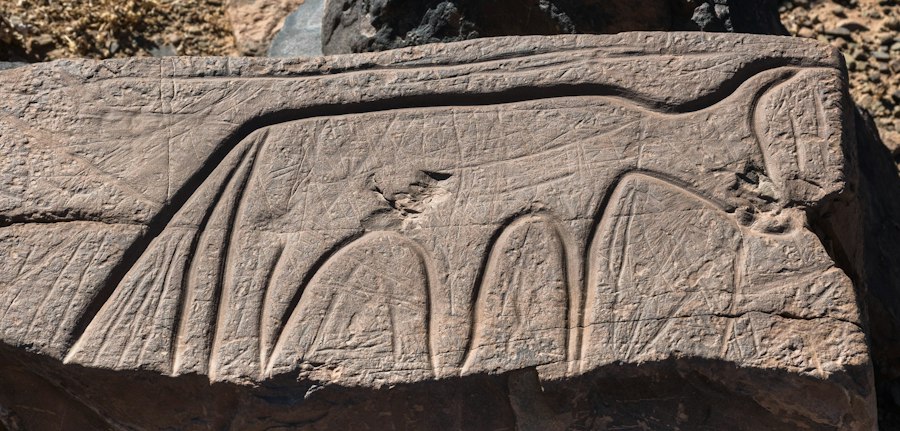
As the Mesolithic period gave way to the Neolithic, marked by the advent of agriculture and settled lifestyles, the artistic traditions of carving continued to evolve. While the emphasis on detailed animal naturalism might have seen some shifts, a strong thread of realistic depiction persisted, adapting to new social structures and symbolic systems. The introduction of new materials and tools, along with changing spiritual and cultural practices, led to a fascinating interplay between continuity and innovation in Neolithic art.
Human Forms Take Center Stage: Shifting Focus
The Neolithic period witnessed a growing interest in the human form as a subject for artistic representation. While earlier periods had featured human figures, they were often more stylized or schematic. Neolithic carvings, however, began to exhibit a greater degree of naturalism in their depiction of people. These figures, whether carved in relief on stone or as freestanding statuettes, started to reflect more discernible anatomical features, suggesting a developing interest in portraying the human body with a degree of realism. These carvings might represent individuals, groups, or idealized archetypes, and their naturalistic rendering can offer clues about social hierarchies, gender roles, and communal activities. The materials used, such as polished stone and clay, allowed for finer details and smoother finishes, further enhancing the potential for realistic portrayal.
Megalithic Art: Monumental Expressions of Naturalism
The monumental architecture of the Neolithic, exemplified by megalithic structures like Stonehenge and Carnac, often incorporated carved elements that continued the tradition of naturalistic representation. While the scale and context of these carvings differ significantly from the intimate cave art of the Paleolithic, they nonetheless showcase a commitment to depicting recognizable forms. Engraved patterns and motifs on standing stones and dolmens frequently include animal figures, such as cattle, deer, and birds, rendered with a degree of naturalism that, while perhaps more abstract in some instances, still clearly draws from observation of the natural world. The repetition of these motifs across various sites suggests shared cultural understandings and a desire to imbue these sacred spaces with representations of the natural forces and creatures important to their societies.
Continuity in Animal Depiction: Enduring Themes
Despite the growing prominence of human figures, the naturalistic depiction of animals did not disappear entirely in the Neolithic. Animals continued to feature in art, often integrated into broader symbolic narratives or as part of agricultural or ritualistic contexts. The realism achieved might vary, with some carvings retaining a high degree of anatomical accuracy while others might be more stylized but still clearly identifiable. The careful observation of animal behavior and form, a legacy of Paleolithic artistic traditions, likely continued to inform these depictions. The presence of livestock, such as sheep and goats, also began to appear more frequently in Neolithic art, reflecting the changing relationship between humans and animals with the rise of domestication.
Tools of the Trade: The Art of Ancient Sculpture
The creation of these intricate and often surprisingly detailed naturalistic carvings was a testament to the ingenuity and skill of prehistoric artisans. Working with a limited palette of materials and tools, they nevertheless managed to coax lifelike forms from stone, bone, and other durable mediums. Understanding the techniques and technologies employed provides a deeper appreciation for the dedication and craftsmanship involved in producing these ancient works of art.
Stone Tools: The Foundation of Carving
The primary tools for carving in both the Paleolithic and Neolithic periods were made of stone. Flint, chert, and obsidian, with their sharp, conchoidal fracture properties, were ideal for creating cutting and scraping implements. Archeological evidence suggests the use of a variety of stone tools, including:
- Picks and Gouges: These were likely used for initial shaping, removing large chunks of material, and defining major forms. Their pointed or rounded ends would have allowed for controlled excavation of the stone.
- Scrapers and Knives: Finer work, such as smoothing surfaces, detailing features like eyes, mouths, and fur, and creating textures, would have been accomplished with sharper, more refined stone tools. The use of different angles and pressures with these tools would have allowed for subtle variations in surface treatment.
- Pounders and Hammers: For more robust carving or for breaking down materials, heavier stone pounders or hammerstones would have been employed. These could also have been used to shape softer materials like bone and ivory.
The careful selection and knapping of these stone tools were crucial for the success of the carving process. The prehistoric artisan would have needed a deep understanding of the properties of different stones to choose the most appropriate tool for each stage of their work.
Beyond Stone: Bone, Ivory, and Antler
While stone was a primary medium, prehistoric carvers also adeptly utilized organic materials like bone, ivory (from mammoths and other large mammals), and antler. These materials offered different carving properties:
- Bone and Ivory: Softer than most stones, bone and ivory allowed for finer detail and smoother finishes. They were often used for smaller, portable carvings, such as figurines and decorative objects. The natural smoothness of these materials lent itself well to the depiction of flowing lines and subtle curves.
- Antler: Similar to bone but often harder, antler could be shaped into effective tools for carving and also served as a medium for artistic expression. Its fibrous structure might have been incorporated into the visual texture of carvings.
The techniques for working with these materials likely involved a combination of scraping, incising, and polishing, with tools similar to those used for stone but perhaps adapted for the different consistencies. The ability to work with such a range of materials demonstrates the versatility and adaptability of prehistoric artists.
The Art of Surface Treatment: Texture and Polish
Beyond the initial shaping, prehistoric carvers paid considerable attention to surface treatment to enhance the naturalistic qualities of their work. Techniques included:
- Incising and Engraving: Fine lines were meticulously etched into the surface to depict details such as hair, feathers, or musculature. This allowed for the creation of intricate patterns and textures that brought the carvings to life.
- Polishing: For smoother finishes, particularly on bone and ivory, artists would have used abrasive materials like sand or fine grit, often in conjunction with water, to achieve a polished surface. This not only enhanced the aesthetic appeal but also helped to preserve the carving.
- Use of Natural Contours: Skilled carvers would often incorporate the natural shape and grain of the material into their designs, allowing the stone or bone to suggest the form of the animal or figure. This symbiotic relationship between the material and the artist’s intent is a hallmark of masterful prehistoric art.
Naturalistic style prehistoric carvings provide a fascinating glimpse into the lives and beliefs of early humans, showcasing their connection to nature and the world around them. These intricate artworks often depict animals and human figures, reflecting the importance of these subjects in the daily lives of our ancestors. For a deeper understanding of how ancient societies adapted to their environments, you might find it interesting to read about the challenges they faced, such as drought, in the article on surviving drought in ancient cities found here. This connection between art and survival highlights the resilience and creativity of prehistoric cultures.
Interpretation and Significance: Unraveling the Meanings
| Metric | Description | Example | Estimated Age | Location |
|---|---|---|---|---|
| Carving Depth | Average depth of incisions in the rock surface | 2-5 mm | 15,000 – 10,000 years ago | Europe (e.g., Chauvet Cave, France) |
| Subject Matter | Common themes depicted in carvings | Animals (horses, bison, mammoths), human figures | Varies | Worldwide (Europe, Africa, Australia) |
| Technique | Methods used to create carvings | Incision, engraving, pecking | Varies | Global prehistoric sites |
| Size Range | Typical dimensions of carvings | 5 cm to 1 meter in length | Varies | Various caves and rock shelters |
| Artistic Style | Degree of naturalism and detail | Highly naturalistic with anatomical accuracy | Upper Paleolithic period | Europe |
The naturalistic carvings of prehistory are more than just aesthetically pleasing objects; they are rich with potential meaning and offer invaluable insights into the lives and minds of our ancient ancestors. While definitive interpretations are often elusive, scholars have proposed a range of theories, drawing from archeological context, ethnographic parallels, and the inherent symbolism within the art itself.
Hunting Magic and Sympathetic Rituals
One of the most widely held interpretations of Paleolithic animal carvings is their connection to hunting magic. The detailed and often powerful depictions of prey animals, such as bison and mammoths, may have been created with the belief that by capturing the essence of the animal in art, hunters could exert influence over their success in the hunt. This concept, known as sympathetic magic, suggests that a likeness or representation of an object could be used to influence the actual object. The placement of these carvings in sacred or hidden locations within caves, often deep underground, further supports the idea that they served a ritualistic purpose, perhaps for ceremonies intended to ensure a plentiful food supply. The focus on vital organs or wounds in some depictions might also relate to the desire to ensure a successful kill.
Totemism and Clan Symbols
Another significant interpretative framework considers the possibility of totemism and clan symbolism in prehistoric art. In many cultures, totems serve as symbolic ancestors or guardians, often represented by animals. It is plausible that certain animal species depicted with such reverence and frequency in prehistoric carvings represented specific clans or tribal groups, acting as their symbolic representations and identifiers. The consistent rendering of certain animals across different sites and periods could indicate a shared totemic system or a cultural emphasis on particular animal spirits as guides or protectors. The naturalistic style would have been crucial in clearly identifying these totemic animals.
Shamanism and Spirit Worlds
The theory of shamanism offers another compelling lens through which to understand prehistoric art. Shamanic beliefs often involve journeys into spirit worlds, where individuals commune with animal spirits and receive guidance or power. The detailed and often dynamic depictions of animals, particularly those with unusual or striking features, could represent the animal spirits encountered by shamans during their trance states. The caves themselves, with their deep recesses and otherworldly atmosphere, could have served as portals to these spiritual realms. The naturalistic rendering would have been vital for the shaman to identify and interact with specific spirit allies. The inclusion of human-animal hybrid figures in some art further strengthens this interpretation, suggesting the transformative powers associated with shamanic practices.
Aesthetic Appreciation and Early Storytelling
While ritualistic and symbolic interpretations are prominent, it is also important not to discount the role of pure aesthetic appreciation and the beginnings of storytelling in prehistoric art. The evident skill and dedication involved in creating these carvings suggest that the artists derived satisfaction from their craft, and that the objects themselves were valued for their beauty and the skill with which they were made. Furthermore, the dynamism and narrative potential of some of these carvings hint at an early form of visual storytelling. The arrangement of figures, the depiction of action, and the detailed rendering of animal behavior could have served to recount important events, myths, or legends, preserving and transmitting cultural knowledge across generations. The naturalistic style would have been essential for making these narratives clear and engaging.
Naturalistic style prehistoric carvings offer a fascinating glimpse into the lives and beliefs of early humans, reflecting their connection to nature and the world around them. These intricate artworks not only serve as a form of expression but also provide valuable insights into the social and cultural dynamics of ancient societies. For those interested in exploring the technological advancements of lost civilizations that may have influenced such artistic expressions, a related article can be found here: advanced tech in lost civilizations. This piece delves into the innovations that shaped the development of early human creativity and craftsmanship.
The Enduring Legacy: Echoes of Ancient Vision
The naturalistic carvings of the prehistoric era, despite their immense age, continue to resonate with a powerful and enduring legacy. They represent not only the earliest documented examples of humanity’s artistic impulse but also a profound testament to our innate connection with the natural world and our capacity for keen observation and sophisticated expression. These ancient artifacts challenge our assumptions about the capabilities of our distant ancestors, revealing a level of artistic sophistication and intellectual depth that is both awe-inspiring and humbling.
The exploration of these naturalistic carvings provides a crucial bridge to understanding the development of human cognition, culture, and spirituality. The careful study of their forms, materials, and contexts allows us to reconstruct aspects of prehistoric life, from their daily struggles for survival to their complex belief systems. The remarkable skill with which these artisans translated the three-dimensional reality of the natural world into two-dimensional or three-dimensional artforms demonstrates a sophisticated understanding of form, proportion, and texture that laid the groundwork for future artistic innovations.
Furthermore, these ancient carvings serve as a potent reminder of the universal human drive to create, to understand, and to connect with something beyond the immediate. In a modern world often characterized by disconnection from nature, the raw authenticity and unadulterated observation captured in these prehistoric works offer a valuable lesson in attunement and appreciation for the world around us. They remind us that the ability to perceive and depict the beauty and complexity of nature is an ancient and fundamental aspect of the human experience, a legacy that continues to shape our artistic endeavors and our understanding of ourselves. The echoes of these ancient visions, etched in stone and bone, continue to speak to us across millennia, inviting us to marvel at the dawn of human creativity and the enduring power of art to capture the essence of life itself.
Why Were Giant Camels Carved Above the Desert?
FAQs
What is naturalistic style in prehistoric carvings?
Naturalistic style in prehistoric carvings refers to the artistic representation of subjects in a realistic and lifelike manner, often depicting animals, humans, or other elements of nature with great attention to detail.
Where are naturalistic style prehistoric carvings commonly found?
Naturalistic style prehistoric carvings are commonly found in caves, rock shelters, and other archaeological sites around the world, with notable examples in regions such as Europe, Africa, and the Americas.
What materials were typically used for creating naturalistic style prehistoric carvings?
Prehistoric artists often used tools such as flint, bone, or antler to carve naturalistic style images into various surfaces, including rock walls, bone fragments, and pieces of ivory.
What time period do naturalistic style prehistoric carvings date back to?
Naturalistic style prehistoric carvings date back to various time periods, with some examples dating as far back as the Upper Paleolithic era, approximately 40,000 to 10,000 years ago.
What is the significance of naturalistic style prehistoric carvings in understanding ancient cultures?
Naturalistic style prehistoric carvings provide valuable insights into the artistic abilities, beliefs, and daily lives of ancient cultures, offering a glimpse into their relationship with the natural world and their artistic expressions.