
The Arabian Peninsula, now a vast expanse of arid deserts and scorching sands, presents a starkly different picture when viewed through the lens of the Last Glacial Maximum (LGM). This period, spanning roughly from 26,500 to 19,000 years ago, witnessed a global cooling event that profoundly reshaped Earth’s climates, and Arabia was no exception. Far from being an uninhabitable wasteland, the LGM transformed the peninsula into a landscape of cooler, wetter conditions, creating a mosaic of environments that likely played a crucial role in the dispersal and survival of early human populations. Understanding the climate dynamics of LGM Arabia offers invaluable insights not only into past ecological shifts but also into the migratory patterns and adaptability of our ancestors.
Rainfall Patterns and Shifting Landscapes
The prevailing narrative of the LGM in Arabia is one of significantly increased moisture. This climatic anomaly was driven by several interconnected factors, primarily the lower global sea levels and altered atmospheric circulation patterns. As vast amounts of water were locked up in ice sheets across the Northern Hemisphere, sea levels dropped considerably, exposing continental shelves and altering coastlines. This change, coupled with shifts in prevailing winds and the intensity of monsoonal systems, allowed for greater moisture incursions into the Arabian interior.
The Greening of Arabia
Evidence for a wetter LGM Arabia is abundant and comes from various paleoclimatic proxies. Lake sediments, speleothems (stalactites and stalagmites), and geological formations all point towards a dramatic transformation. Instead of the ephemeral wadis and hyper-arid conditions of today, large, perennial lakes and extensive river systems are believed to have crisscrossed the peninsula. These water bodies supported lush vegetation, creating “green corridors” that connected otherwise disparate regions. The expansion of these mesic environments, characterized by grasslands, woodlands, and even more diverse flora, would have been a magnet for both fauna and the humans who depended on them.
Role of Monsoonal Systems
The strength and reach of the Indian Ocean monsoon are critical to understanding LGM moisture levels in Arabia. During glacial periods, atmospheric circulation patterns are known to have shifted. Some research suggests that the African-Arabian monsoon, typically a summer phenomenon, may have been extended and intensified during the LGM, bringing more rainfall further inland and for longer durations. This would have been a significant departure from the more localized and seasonal rainfall experienced in much of Arabia today. The interaction of these strengthened monsoon systems with other meteorological influences would have created regional variations in precipitation, leading to pockets of greater aridity or humidity across the peninsula.
Geological Signatures of a Wetter Past
Geomorphological evidence further supports the picture of a wetter LGM Arabia. Ancient shorelines of now-vanished lakes, such as the vast paleolakes that once covered parts of the Rub’ al Khali (Empty Quarter) and other large basins, are a testament to significantly higher water levels. Erosion patterns indicative of more powerful river flows and the deposition of sediments consistent with higher precipitation regimes are also observed. Furthermore, the presence of ancient cave systems, often associated with karst topography formed by the dissolution of soluble rocks by water, suggests prolonged periods of groundwater saturation and surface runoff. These geological markers provide a tangible link to a landscape fundamentally different from the one we see today, a landscape capable of sustaining life in ways that are currently unimaginable.
The Last Glacial Maximum (LGM) in Arabia has garnered significant interest among researchers studying ancient climates and human adaptation. One related article that explores the implications of economic stability during such climatic shifts is found at Securing Your Savings: Protecting Bank Deposits from Collapse. This article discusses the importance of financial resilience in the face of environmental changes, drawing parallels to how ancient populations might have navigated the challenges posed by the LGM. Understanding these historical contexts can provide valuable insights into contemporary issues of economic and environmental sustainability.
Adapting to a Changing Climate: Flora and Fauna
The climatic shifts of the LGM had a profound impact on the ecosystems of Arabia, fostering environments that could support a wider array of plant and animal life. This transformation was not uniform across the peninsula, with some regions experiencing more dramatic changes than others, creating a complex mosaic of habitats. The availability of water and the resulting vegetation would have directly influenced the fauna that could thrive, and in turn, the resources available to human populations.
Vegetation Zones and Their Expansion
The cooler and wetter conditions of the LGM facilitated the expansion of vegetation zones that are now restricted to more humid or mountainous regions. Grasslands would have covered vast areas, supporting herds of grazing animals. Savannas and open woodlands likely emerged in regions that are presently hyper-arid. In the more elevated areas, such as the mountainous regions of Oman and Yemen, more temperate forests might have flourished. The presence of these diverse plant communities would have provided essential food sources for herbivores, creating a robust food web that could sustain larger predators and, consequently, human hunter-gatherer groups.
Faunal Assemblages and Migratory Routes
The ecological changes directly influenced the faunal populations of Arabia. Animals that are adapted to more temperate or savanna-like environments would have found suitable habitats across the peninsula. This could have included a wider variety of ungulates, such as gazelles, antelopes, and possibly even larger species that are not typically associated with modern Arabia. The presence of these animal populations would have been a critical factor for human survival, providing sustenance in the form of meat, hides, and bones. Furthermore, the green corridors created by increased rainfall would have served as vital migratory routes for both animals and, by extension, the humans who followed them. These routes would have facilitated movement and gene flow between different populations, both human and animal.
Water as a Limiting Factor and a Resource
While the LGM brought increased rainfall, water would still have been a crucial resource, and its availability would have dictated the distribution of both flora and fauna, as well as human settlements. The large perennial lakes and river systems would have acted as major focal points for life. However, rainfall patterns would have varied geographically, leading to areas of greater and lesser aridity even within the LGM context. Understanding the distribution of these water sources is key to reconstructing the potential migratory pathways and settlement patterns of early humans. Regions with consistent and reliable water sources, even if ephemeral by modern standards, would have been particularly attractive.
Human Presence and Migration Dynamics
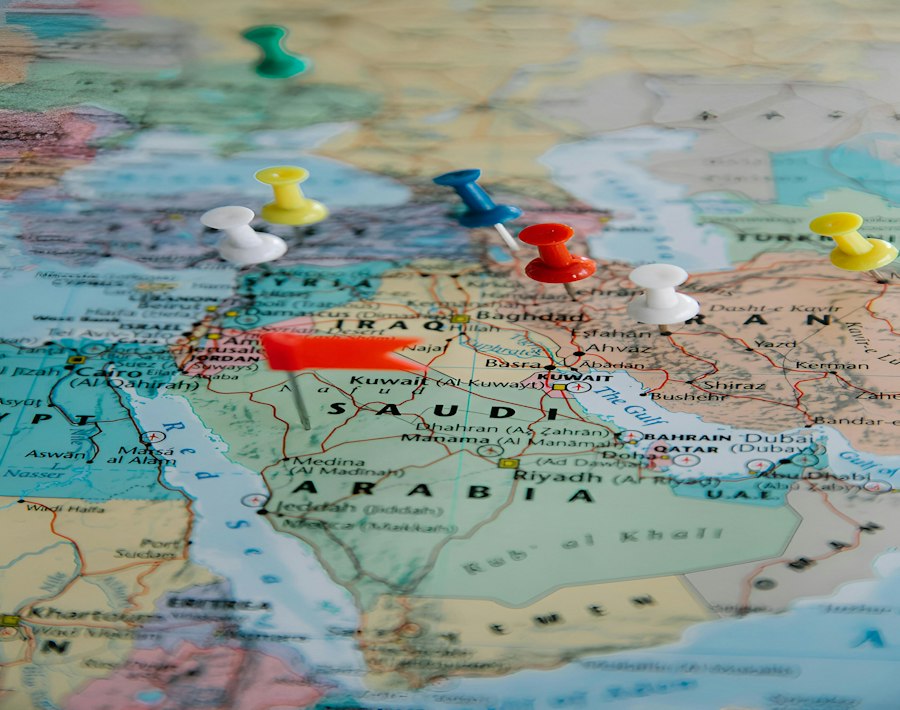
The LGM Arabia was not an empty stage for climatic and ecological drama; it was a landscape inhabited by humans, and one that likely played a significant role in their broader migratory history. The altered environmental conditions, far from being a barrier, may have acted as a facilitator for human dispersal, connecting regions and opening up new territories. Archaeological evidence, though sometimes sparse due to the challenging nature of the environment, provides tantalizing clues about human presence and movement during this period.
Early Human Occupations and Evidence
Archaeological sites from the LGM period in Arabia are crucial for understanding human adaptation and migration. While direct dating can be challenging, the presence of stone tool assemblages, particularly those associated with the Middle and Late Stone Age, provides evidence of human activity. These tools, often made from chert or other readily available stone, reflect the technological capabilities of the populations and their adaptation to available resources. The discovery of these artifacts in areas that are now arid underscores the significant environmental transformation that has occurred.
Arabia as a Bridge and a Refuge
The LGM, with its increased rainfall, likely transformed Arabia from a relatively arid barrier into a more hospitable landmass. This made it a more viable corridor for human migration between Africa and Eurasia, a route that has been hypothesized for millennia. During periods of lower rainfall, the Sahara Desert and the Arabian Desert would have presented formidable obstacles. However, the “greening” of Arabia during the LGM could have significantly reduced this barrier, allowing for easier passage. Furthermore, Arabia might have served as a refuge for populations displaced by climatic changes or other pressures in surrounding regions, offering a more stable environment.
Dispersal Routes and Connectivity
Reconstructing precise dispersal routes is complex, but paleoclimatic data suggests that the green corridors and river systems of LGM Arabia would have facilitated movement. Populations could have followed these routes, moving between different resource-rich areas. The interconnectedness of these wetter environments would have allowed for a greater degree of movement and interaction between different human groups, potentially influencing cultural exchange and the spread of technologies. The hypothesis of LGM Arabia acting as a “green Sahara” equivalent, or at least a significantly more traversable landscape, is a key framework for understanding these dispersal dynamics.
Archaeological Insights and Future Research
Archaeological research in Arabia is ongoing, and new discoveries continue to refine our understanding of LGM human presence. The focus is on identifying settlement sites, understanding subsistence strategies through faunal and floral remains, and analyzing lithic technology. Future research will likely involve more advanced dating techniques, the application of paleogenetic studies to ancient human remains (if found), and the integration of high-resolution paleoclimatic data with archaeological findings. This will allow for a more nuanced reconstruction of human migratory patterns and their adaptive strategies in response to the specific environmental conditions of LGM Arabia.
Environmental Shifts and Human Adaptation Strategies
The dramatic climatic fluctuations of the LGM demanded significant adaptive strategies from human populations inhabiting Arabia. The shift from hyper-arid to more mesic conditions, and the subsequent return to aridity, presented both opportunities and challenges. Understanding how early humans navigated these environmental transitions is key to appreciating their resilience and ingenuity.
Exploiting New Resources and Environments
The increased availability of water and vegetation during the LGM would have opened up new resource landscapes for human exploitation. Hunter-gatherer groups would have been able to access a wider range of plant foods and a more abundant supply of game animals. This would have allowed for larger group sizes, more settled lifestyles in areas with reliable water sources, and potentially the development of more complex social structures. The ability to adapt hunting and gathering strategies to these new ecosystems would have been paramount.
Technological Adaptations to a Dynamic Climate
Human technological development is intrinsically linked to environmental pressures. The LGM likely spurred innovations in tool-making and resource management. For instance, the presence of more consistent water sources might have led to the development of better water storage or transport technologies, or perhaps methods for processing water-dependent plant resources. The management of larger game animals, if present, could have led to the refinement of hunting techniques and projectile technology. Conversely, as the climate began to shift back towards aridity after the LGM, populations would have had to adapt again, developing strategies for surviving in drier conditions, perhaps by becoming more nomadic or focusing on more drought-resistant resources.
Mobility Patterns and Settlement Strategies
The extent of human mobility during the LGM would have been influenced by the distribution of resources. In areas with abundant and permanent water sources, more sedentary or semi-sedentary settlements might have emerged. However, in regions with more ephemeral resources, populations would likely have maintained more nomadic lifestyles, following animal herds and seasonal plant cycles. The green corridors would have facilitated long-distance movements, connecting different resource patches and potentially leading to seasonal migrations. The return to drier conditions would have undoubtedly forced a re-evaluation of these mobility patterns, leading to increased nomadism and a focus on exploiting scarce water sources.
The Impact of Post-Glacial Aridification
The end of the LGM around 19,000 years ago ushered in a period of significant aridification across many parts of the world, including Arabia. This reversal of fortunes would have presented a new set of challenges for human populations. The disappearance of lakes and rivers, the shrinking of vegetation zones, and the expansion of desert conditions would have forced people to adapt once again. This period of renewed aridity is critical for understanding the subsequent peopling of Arabia and the development of cultures that were adapted to hyper-arid environments, laying the groundwork for the Bedouin cultures of more recent historical periods.
Research on the Last Glacial Maximum in Arabia has revealed significant insights into the region’s climatic and environmental changes during this period. A related article discusses how these changes impacted human migration and settlement patterns, shedding light on the adaptations of early populations. For more information on this topic, you can read the article here. Understanding these dynamics not only enhances our knowledge of prehistoric Arabia but also provides context for contemporary environmental challenges.
Lasting Legacies and Future Research Directions
| Metric | Value | Unit | Notes |
|---|---|---|---|
| Time Period | 26,500 – 19,000 | Years Before Present | Duration of the Last Glacial Maximum (LGM) |
| Average Temperature Drop | 4 – 6 | °C | Estimated temperature decrease in Arabia during LGM |
| Sea Level | 120 | meters below present | Global sea level drop affecting Arabian coastal areas |
| Precipitation | Reduced by 50-70% | Percentage | Estimated decrease in rainfall in Arabian Peninsula |
| Vegetation | Sparse grasslands and shrubs | Type | Dominant vegetation type during LGM in Arabia |
| Lake Levels | Significantly lower | Relative | Many paleolakes dried or shrank during LGM |
| Human Habitation | Reduced and localized | Description | Human populations concentrated near water sources |
The impact of the Last Glacial Maximum on Arabia extends beyond the immediate climatic and ecological shifts. It has left a lasting imprint on the landscape, on the potential migratory routes of ancient populations, and on our understanding of human resilience. The study of LGM Arabia continues to evolve, driven by new scientific techniques and a growing appreciation for the complex interplay between climate, environment, and human history.
Reconstructing the Past with Advanced Technologies
Modern scientific advancements are revolutionizing our ability to reconstruct past environments and human activities in Arabia. Techniques such as high-resolution climate modeling, advanced isotopic analysis of paleoclimate proxies (like speleothems and lake sediments), and geospatial analysis of ancient landscapes are providing ever-finer details about LGM conditions. On the archaeological front, advancements in dating methods, such as Optically Stimulated Luminescence (OSL) and Accelerator Mass Spectrometry (AMS) radiocarbon dating, are improving the chronological precision of human occupation. Furthermore, the potential for recovering ancient DNA from human or faunal remains holds immense promise for understanding population movements and relationships.
Arabia’s Role in Global Human Dispersal Narratives
The understanding of Arabia’s role during the LGM has significant implications for broader narratives of human dispersal out of Africa and across Eurasia. If Arabia was indeed a more traversable landscape during this period, it strengthens the hypothesis that it served as a crucial bridge, facilitating the movement of people into South Asia and beyond. It suggests that human migration was not a single, linear event but a complex process influenced by fluctuating climatic conditions. Further research in Arabia can help refine models of these early dispersals and shed light on the timing and routes taken.
The Long-Term Environmental Transformation
The LGM represents a dramatic interlude in the long-term aridification trend of Arabia. While the wetter conditions were temporary, the environmental shifts likely had lasting consequences on the geological and ecological makeup of the peninsula. The remnants of ancient lakes and river systems are a testament to this transformative period. Understanding this climatic cycle of wetter and drier periods is crucial for comprehending the evolution of modern Arabian ecosystems and the challenges faced by contemporary inhabitants in managing water resources.
Unanswered Questions and Future Research Avenues
Despite significant progress, many questions about LGM Arabia remain unanswered. The precise extent and duration of the wetter periods, the specific faunal assemblages that were present, and the detailed migratory routes of human populations are still areas of active investigation. Future research will likely focus on identifying and excavating more LGM archaeological sites, particularly in regions that are currently under-surveyed. The integration of interdisciplinary approaches, combining paleoclimatology, archaeology, paleoecology, and genetic studies, will be essential for unraveling the complexities of this fascinating period and for a deeper understanding of our shared human past. The ongoing exploration of LGM Arabia promises to continue to yield groundbreaking insights into the dynamic relationship between our planet’s climate and the remarkable adaptability of humankind.
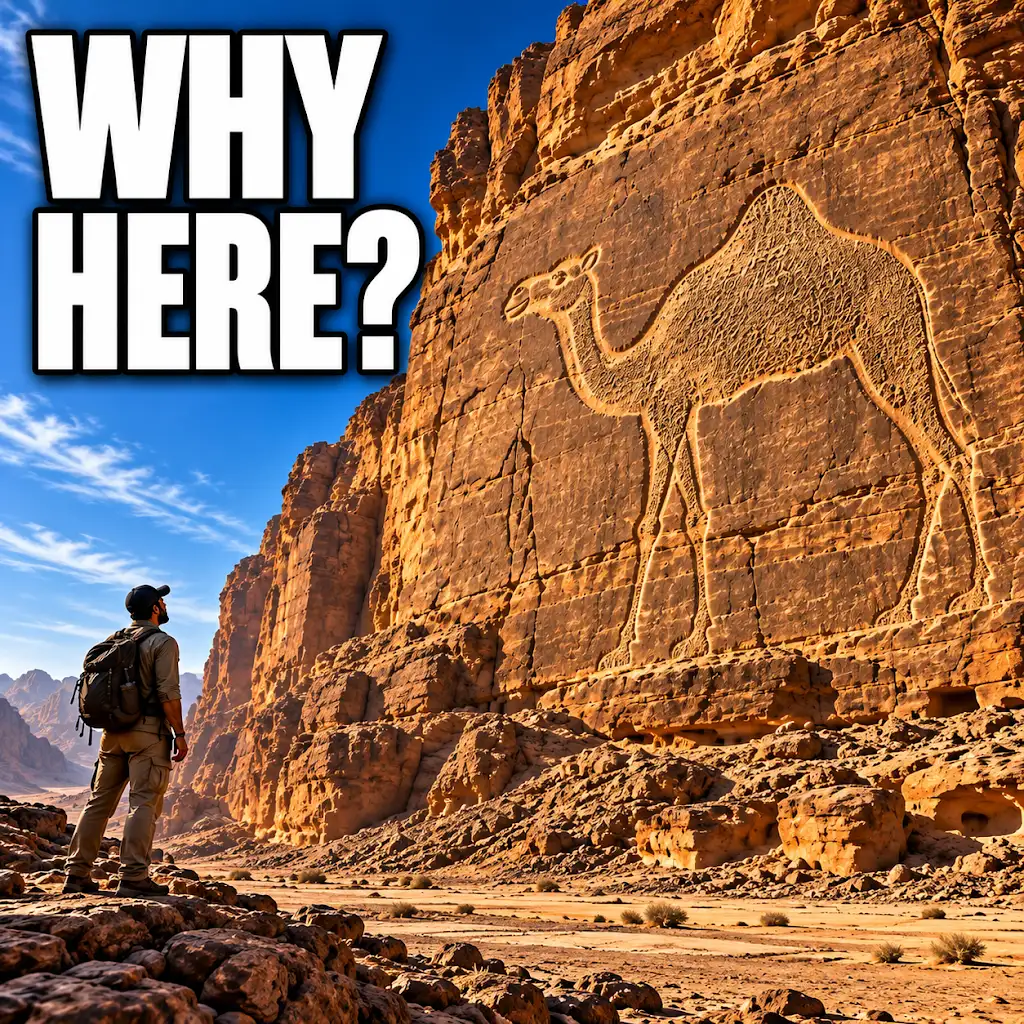
Why Were Giant Camels Carved Above the Desert?
FAQs
What was the climate like in Arabia during the last glacial maximum?
During the last glacial maximum, Arabia experienced a much cooler and wetter climate compared to today. This led to the formation of extensive lakes, rivers, and vegetation in what is now arid desert regions.
How did the last glacial maximum impact human populations in Arabia?
The last glacial maximum forced human populations in Arabia to adapt to the changing environment by moving to areas with more favorable conditions, such as near water sources. This period also saw the development of new technologies and strategies for survival.
What evidence supports the existence of lakes and rivers in Arabia during the last glacial maximum?
Evidence such as ancient shorelines, sediment deposits, and fossilized remains of aquatic plants and animals have been found in various regions of Arabia, indicating the presence of lakes and rivers during the last glacial maximum.
How did the vegetation in Arabia change during the last glacial maximum?
During the last glacial maximum, the vegetation in Arabia was much more diverse and abundant, with forests, grasslands, and wetlands covering areas that are now desert. This supported a wide range of wildlife, including now-extinct species.
What impact did the end of the last glacial maximum have on Arabia?
The end of the last glacial maximum marked the beginning of a period of rapid climate change in Arabia, leading to the drying up of lakes and rivers, the expansion of deserts, and the extinction of many plant and animal species that were adapted to the cooler, wetter conditions of the glacial period.