
## Unveiling the Secrets of Jebel Misma’s Ancient Canvases
The desert landscapes of Saudi Arabia, often perceived as barren and desolate, hold within them a profound and often overlooked repository of human history. Among these captivating environments, Jebel Misma emerges as a particularly significant site, a rugged mountain range in the north of the Kingdom that guards an extraordinary collection of rock art. For millennia, these stone surfaces have served as canvases for ancient peoples, their carvings and engravings offering tantalizing glimpses into the lives, beliefs, and environments of those who once roamed these lands. Exploring Jebel Misma’s rock art is not merely an academic pursuit; it is a journey back in time, a profound encounter with the enduring legacy of our ancestors, etched in the very fabric of the earth. The sheer scale of the artwork, coupled with its remarkable preservation, makes Jebel Misma a crucial window into understanding the prehistoric cultures of the Arabian Peninsula, contributing significantly to our global understanding of human artistic expression and cultural development. The arid climate, while challenging for life in the present day, has paradoxically acted as a superb preserver of these ancient images, protecting them from the ravages of time and weather.
## The Geographic and Geologic Tapestry of Jebel Misma
Jebel Misma, a striking geological formation, is characterized by its imposing sandstone cliffs and arid, rocky terrain. Situated in the northern reaches of Saudi Arabia, its topography is shaped by millennia of erosion, creating a dramatic and visually arresting landscape. The sandstone, rich in iron oxides, often exhibits a warm reddish-brown hue, providing a stark contrast to the pale desert sky. This geological setting is not merely a backdrop; it is an integral part of the rock art narrative. The natural features of the mountains, including overhangs, caves, and exposed rock faces, provided ready-made canvases for the ancient artists. The varying textures and colors of the rock surfaces also influenced the techniques and styles employed by these early inhabitants. The sheer accessibility of certain rock faces, coupled with the presence of water sources in the past (indicated by archaeological evidence of ancient settlements), likely made these areas desirable locations for both habitation and artistic expression. Understanding the geology is therefore a foundational step in appreciating the context and significance of the rock art found here.
### Formation and Composition of the Rock Surfaces
The sandstone formations at Jebel Misma are primarily composed of ancient sedimentary rocks, laid down over vast geological timescales. These sandstones are often cemented by minerals like iron oxides, which contribute to their distinctive coloration. The process of weathering, driven by wind, temperature fluctuations, and occasional rainfall, has sculpted these mountains into their current forms. This erosion, while shaping the landscape, also exposes fresh rock surfaces, ideal for engraving. The differential weathering of various mineral components within the sandstone can lead to a variety of textures, from smooth, polished surfaces to rough, pitted areas, each offering unique possibilities for the ancient artists. The presence of desert varnish, a dark, patinated coating that forms on exposed rock surfaces in arid environments, also plays a crucial role in the preservation and visibility of the rock art.
### Environmental Factors Influencing Preservation
The exceptionally dry climate of Jebel Misma is a primary factor in the remarkable preservation of its rock art. The scarcity of moisture significantly inhibits the growth of lichens and mosses, which can degrade and obscure ancient carvings. Furthermore, the extreme temperature fluctuations, while potentially causing some physical stress to the rock, do not involve the freeze-thaw cycles common in wetter climates that can lead to rapid deterioration. The abrasive action of windborne sand, a constant force in desert environments, can, however, pose a threat by slowly eroding the delicate engravings. Despite this, the sheer age and relatively good condition of many panels suggest that the arid conditions have provided a net benefit to their survival. The strategic placement of some panels, often within rock shelters or on shaded faces, may also have offered additional protection from the harshest elements.
The Jebel Misma rock art, located in Oman, offers fascinating insights into prehistoric human cultures and their artistic expressions. For those interested in exploring the broader context of early human migration patterns, a related article discusses the intriguing possibility of prehistoric human migration to Antarctica. This article delves into the implications of such movements and their impact on our understanding of human history. You can read more about this topic in the article found here: Prehistoric Human Migration to Antarctica.
## The Artistic Legacy: Figures, Symbols, and Narratives
The rock art of Jebel Misma is a rich and diverse tapestry of human and animal imagery, abstract symbols, and what appear to be narrative scenes. These carvings and engravings, executed with remarkable skill and precision, offer a window into the worldview of the people who created them. The themes are varied, reflecting the activities, beliefs, and surrounding environment of these ancient communities. From depictions of skilled hunters to representations of livestock and intriguing abstract motifs, each panel tells a story, albeit one that often requires careful interpretation. The sheer volume and variety of the artwork suggest a vibrant and sustained artistic tradition that spanned generations.
## Human and Animal Representations
A significant portion of Jebel Misma’s rock art comprises depictions of humans and animals. These figures are often rendered in outline or in profile, with varying degrees of detail. Human figures can be seen engaged in activities such as hunting, dancing, or herding. Their attire and adornments, where depicted, provide valuable insights into their material culture. Animal representations are particularly abundant, reflecting the fauna that inhabited or passed through the region. Common subjects include ibex, camels, cattle, goats, and various wild ungulates. The artistic style varies, with some figures rendered with naturalistic accuracy, while others are more stylized. The presence of certain animals, like camels, suggests a later period of creation, indicating the evolving relationship between humans and their environment.
### Hunters and Gatherers in Action
Many panels capture the dynamism of hunting activities. Figures are shown with spears, bows, and arrows, often in pursuit of prey. The composition of these scenes can be complex, depicting the strategy and skill involved in obtaining sustenance. The accuracy in depicting animal anatomy suggests a deep understanding of their behavior and characteristics. These scenes are invaluable for understanding prehistoric subsistence strategies and the human-animal relationship in this environment. The skill in portraying motion and intent within the static medium of rock is particularly striking.
### The Significance of Domesticated and Wild Fauna
The prevalence of animal depictions underscores the importance of fauna in the lives of Jebel Misma’s ancient inhabitants. The clear distinction between wild and domesticated animals, where identifiable, offers clues about the transition from hunter-gatherer societies to more pastoral lifestyles. The detailed rendering of cattle, for instance, points to the development of herding practices. The presence of wild animals like ibex and gazelles highlights their continued importance as a food source or perhaps their symbolic significance. Some researchers suggest that certain animal depictions may have had ritualistic or spiritual meanings.
## Abstract Symbols and Geometric Patterns
Beyond representational art, Jebel Misma also features a significant collection of abstract symbols and geometric patterns. These enigmatic motifs, often recurring across different panels, are among the most challenging to interpret. They range from simple dots and lines to complex arrangements of circles, squares, and zigzags. The meaning of these symbols is a subject of ongoing debate among archaeologists and art historians. They may represent personal identifiers, clan symbols, astronomical observations, or even elements of a forgotten language or belief system. Their presence suggests a layer of symbolic communication that extends beyond the literal depiction of the visible world.
### Decoding the Enigmatic Motifs
The abstract symbols at Jebel Misma present a fascinating puzzle. Their abstract nature, devoid of immediate recognizable forms, invites a multitude of interpretations. Some researchers hypothesize that they represent early forms of writing or proto-writing, while others suggest they are purely decorative or possess mnemonic functions. The repetitive nature of certain symbols could indicate a systematic use, perhaps related to rituals, calendars, or social organization. The challenge lies in finding a key to unlock their meaning, a task made more difficult by the absence of written records from the time of their creation.
### Potential Cultural and Spiritual Meanings
The presence of abstract symbols in conjunction with representational art suggests a complex interplay between the tangible and the intangible in the minds of these ancient peoples. These motifs may have held deep cultural or spiritual significance, perhaps related to shamanistic practices, fertility rituals, or cosmological beliefs. Their placement on prominent rock faces might indicate their importance in communal gatherings or sacred spaces. Without direct textual evidence, their interpretation remains speculative, but their consistent presence across the site points to a deliberate and meaningful artistic tradition.
## Chronology and Cultural Context: Piecing Together the Past
Determining the precise age and cultural affiliations of the rock art at Jebel Misma is a complex undertaking. Archaeological evidence, stylistic analysis, and comparisons with other rock art sites in the region are employed to establish a relative chronology and to infer the cultural context of the artists. The presence of different artistic styles and motifs suggests that the site was used over a considerable period, potentially encompassing multiple prehistoric and early historic phases. Understanding these temporal and cultural layers is crucial for interpreting the evolving landscape of human activity and belief in this part of Arabia.
## Dating the Rock Art: Challenges and Techniques
Direct dating of rock art is inherently challenging. Unlike organic materials, the rock itself cannot be directly dated using radiocarbon methods. However, indirect dating techniques can provide valuable insights. These include analyzing the patination of the rock surface, which forms over time and can be compared to dated surfaces elsewhere. The presence of certain artifacts in association with rock art panels, such as pottery shards or tool fragments, can also help to establish a temporal framework. Furthermore, stylistic comparisons with rock art from dated archaeological contexts in neighboring regions offer crucial comparative data.
### Relative Dating Through Stylistic Analysis
One of the primary methods for establishing a chronology is through stylistic analysis. Researchers examine variations in artistic techniques, the level of naturalism or stylization, and the subject matter depicted. Certain motifs or artistic conventions may be characteristic of specific periods or cultural groups. For example, the depiction of camels, a domesticated animal that became widespread in Arabia later, can help to differentiate later panels from older ones. Observing the superposition of carvings, where one image is engraved over another, can also provide clues about the sequence of artistic production.
### Associating Art with Archaeological Findings
The proximity of rock art panels to archaeological sites, such as ancient settlements or burial grounds, is another key to understanding their context. Artifacts found at these sites can be dated using scientific methods, and if they are found in direct association with the rock art, they can provide indirect dating evidence for the art itself. For instance, if a particular type of pottery, known to belong to a specific period, is found at the base of a panel with a certain style of engraving, it suggests that the engraving likely belongs to that same period or an earlier one.
## Cultural Affiliations and Regional Connections
Jebel Misma’s rock art is not an isolated phenomenon. It is part of a broader tradition of rock art found throughout the Arabian Peninsula, as well as in neighboring regions of the Middle East and North Africa. Identifying similarities in artistic styles, motifs, and themes can help to establish cultural connections and trade networks between different groups. The presence of shared symbols or depictions might indicate shared belief systems, migratory patterns, or cultural exchange. Understanding these regional connections is vital for placing Jebel Misma within a larger historical and cultural narrative.
### Links to Other Arabian Rock Art Sites
The Arabian Peninsula is home to numerous significant rock art sites, including Shuwaymis, Jubbah, and Al-Ayn. Jebel Misma shares many stylistic and thematic similarities with these sites, suggesting a shared cultural heritage and perhaps interconnected communities. The recurring depiction of specific animals, the use of similar engraving techniques, and the presence of comparable abstract symbols all point to a common artistic language spoken across a vast geographical area. These regional connections help to paint a picture of a mobile and interacting population across the ancient Arabian landscape.
### Evidence of Nomadic Pastoralism and Sedentary Life
The rock art of Jebel Misma provides evidence for both nomadic pastoralism and more settled lifestyles. The depictions of large herds of livestock, particularly cattle and goats, are indicative of pastoral societies. However, the presence of representations of human settlements or enclosures, where they exist, can suggest periods of more sedentary existence. The art may also reflect the seasonal movements of nomadic groups, who would have used these mountainous areas for grazing at certain times of the year. The ongoing research at Jebel Misma aims to unravel the complex interplay between these different modes of existence.
## The Significance of Jebel Misma in a Global Context
The rock art of Jebel Misma holds considerable significance not only for understanding the history of Saudi Arabia but also for contributing to the global understanding of human heritage. These ancient carvings are tangible evidence of early human creativity, communication, and adaptation to challenging environments. Their study provides invaluable insights into the development of art, symbolism, and social structures in prehistoric societies. As part of a wider network of prehistoric art sites, Jebel Misma helps to illuminate the shared origins and diverse expressions of human culture across the globe.
## Contributing to the Global Archaeological Record
Rock art sites like Jebel Misma are crucial components of the global archaeological record. They offer a unique perspective on the lives of people who left no written accounts of their existence. The sheer age of some of these carvings means they represent some of the earliest manifestations of human symbolic thought and artistic endeavor. Their study enriches our understanding of human cognitive abilities, our capacity for abstract thinking, and our drive to create and communicate through visual means. The preservation of these sites is therefore vital for ensuring that future generations can learn from this ancient heritage.
### Understanding Early Human Cognition and Symbolism
The abstract symbols found at Jebel Misma, in particular, are of immense interest to researchers studying early human cognition. Their existence suggests a capacity for symbolic representation and abstract thought that goes beyond mere utilitarian concerns. Whether these symbols represent early forms of communication, religious beliefs, or social markers, they offer a window into the complex inner lives of our ancestors. The ability to create and understand such abstract concepts is a defining characteristic of humanity, and rock art provides some of the most compelling evidence for its early development.
### Preserving a Unique and Fragile Heritage
The rock art of Jebel Misma, like all prehistoric art, is a fragile heritage. Climate change, environmental degradation, and human impact pose potential threats to its long-term preservation. International efforts to document, protect, and conserve these sites are therefore of paramount importance. Educating local communities and visitors about the significance of this heritage can foster a sense of responsibility and encourage protective behaviors. The ongoing work at Jebel Misma, involving meticulous documentation and site management, is crucial for safeguarding this invaluable legacy for posterity.
## Jebel Misma as a Window into Ancient Arabian Life
For Saudi Arabia, Jebel Misma represents a profound connection to its ancient past. It offers a tangible link to the early inhabitants of the Arabian Peninsula, revealing their artistry, their daily lives, and their relationship with the natural world. The site serves as a powerful reminder of the deep history and rich cultural heritage that lies beneath the sands of the Kingdom. Its exploration and study contribute to a more nuanced understanding of Arabian identity and its deep historical roots, challenging simplistic notions of the region as solely defined by its modern economic development.
### Illuminating the Prehistory of Saudi Arabia
The discoveries at Jebel Misma are fundamentally reshaping our understanding of the prehistory of Saudi Arabia. Previously, much of the narrative focused on later periods of trade and pilgrimage. However, the rock art provides compelling evidence of sophisticated human societies that thrived in the region millennia ago. This art sheds light on their subsistence strategies, their social organization, and their spiritual beliefs, painting a far more complex and vibrant picture of ancient Arabian life than was previously imagined.
### Promoting Cultural Tourism and Heritage Education
The archaeological significance of Jebel Misma also presents opportunities for cultural tourism and heritage education. By carefully developing visitor infrastructure and interpretive programs, the site can become a valuable educational resource, engaging both Saudis and international visitors with their shared human history. Responsible tourism can contribute to the local economy while also fostering a deeper appreciation for the cultural heritage of the region. The ongoing scientific research provides the foundational knowledge for these interpretive efforts.
The fascinating rock art of Jebel Misma has drawn the attention of researchers and enthusiasts alike, highlighting the rich cultural heritage of the region. This ancient artwork not only serves as a window into the past but also raises questions about the interactions between different communities. For a deeper understanding of how geography and topography influence cultural dynamics, you can explore a related article that discusses these themes in detail. Check out the insights in this article to see how landscape shapes human experiences and conflicts.
## Ongoing Research and Future Discoveries
| Metric | Details |
|---|---|
| Location | Jebel Misma, Oman |
| Type of Art | Petroglyphs (rock engravings) |
| Estimated Age | Neolithic to Bronze Age (approx. 4000 – 1500 BCE) |
| Main Subjects Depicted | Human figures, animals, hunting scenes, geometric patterns |
| Number of Panels | Over 100 documented panels |
| Significance | Provides insight into prehistoric life and culture in the Arabian Peninsula |
| Conservation Status | Protected site with ongoing preservation efforts |
The exploration of Jebel Misma is an ongoing endeavor. Archaeologists and researchers continue to meticulously survey the site, uncovering new panels and gathering further data. Advanced technologies are being employed to enhance documentation and analysis, promising to unlock even deeper insights into the lives of the ancient artists. The potential for future discoveries at Jebel Misma remains vast, as much of the site may still hold hidden artistic treasures waiting to be revealed. The commitment to continued research ensures that the stories carved in stone will continue to be told and understood for generations to come.
## Methodologies and Technologies in Modern Exploration
Modern archaeological exploration at Jebel Misma utilizes a range of sophisticated methodologies and technologies. Non-invasive survey techniques, such as drone-based aerial photography and 3D photogrammetry, allow for detailed mapping and documentation of the rock art panels. GIS (Geographic Information System) technology is employed to analyze the spatial distribution of the art and its relationship to the landscape. High-resolution digital imaging and multispectral analysis can help to reveal faint or degraded engravings that might otherwise be missed. These advanced tools are crucial for accurate recording and detailed analysis.
### Digital Documentation and Analysis
The digital revolution has transformed rock art research. Detailed 3D models of rock art panels are created, allowing researchers to study the art in virtual environments and to monitor its condition over time. Digital databases are compiled, cataloging each individual image, its characteristics, and its location. This comprehensive data management allows for large-scale comparative studies and the identification of patterns that might not be apparent through traditional fieldwork alone. The precision of digital documentation ensures that valuable information is preserved, even if the physical site is subject to degradation.
### Geophysical Survey and Landscape Archaeology
Beyond the direct study of the art, geophysical surveys are conducted to understand the broader archaeological landscape around Jebel Misma. Techniques like ground-penetrating radar (GPR) can help to identify buried archaeological features, such as ancient structures or hearths, that might be associated with the rock art. Landscape archaeology approaches consider the rock art within its wider environmental context, examining how ancient peoples interacted with and shaped their surroundings. This holistic approach provides a more complete picture of human activity at the site over time.
## The Promise of Unforeseen Revelations
The vastness of Jebel Misma and the challenging terrain mean that significant portions of the site may still remain undocumented. Each new survey and excavation carries the potential for unforeseen revelations that could dramatically alter our understanding of this ancient culture. New styles of art, previously unknown animal depictions, or even evidence of more complex social structures could emerge. The continuous nature of research at Jebel Misma underscores the dynamic and evolving nature of archaeological discovery.
### Future Excavations and Artefact Discoveries
Future excavations in areas identified as potentially significant through surveys could yield new artifacts that shed light on the material culture of the people who created the rock art. The discovery of tools, pottery, or personal adornments in association with rock art could provide crucial chronological markers and insights into the daily lives and technological capabilities of these ancient communities. The careful excavation and analysis of such finds are essential for building a robust understanding of the past.
### Interpreting New Artistic Styles and Motifs
The discovery of entirely new artistic styles or motifs would be a significant event, potentially leading to a re-evaluation of existing chronologies and cultural interpretations. These new discoveries could challenge current theories, opening up new avenues of research and debate. The ongoing commitment to meticulous fieldwork and rigorous analysis at Jebel Misma is vital for ensuring that these future revelations are accurately documented, understood, and integrated into the broader narrative of human history.
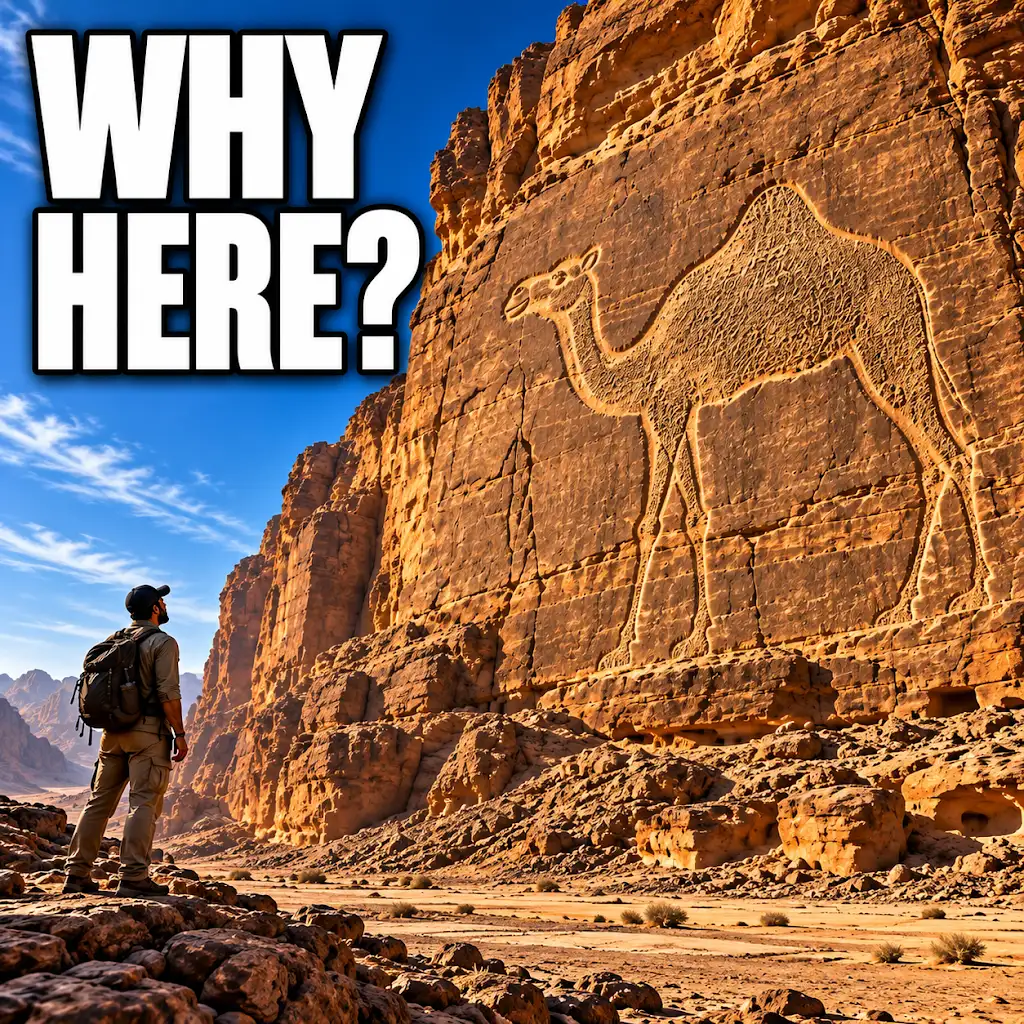
Why Were Giant Camels Carved Above the Desert?
FAQs
What is Jebel Misma?
Jebel Misma is a mountain located in the Hail region of Saudi Arabia known for its ancient rock art.
How old is the rock art at Jebel Misma?
The rock art at Jebel Misma is estimated to be around 10,000 years old, dating back to the Neolithic period.
What kind of rock art can be found at Jebel Misma?
The rock art at Jebel Misma consists of petroglyphs, which are images carved or etched into the rock surface.
Who created the rock art at Jebel Misma?
The rock art at Jebel Misma is believed to have been created by ancient nomadic tribes who inhabited the region thousands of years ago.
Is the rock art at Jebel Misma well-preserved?
Yes, the rock art at Jebel Misma is remarkably well-preserved, providing valuable insights into the lives and beliefs of the ancient people who created it.