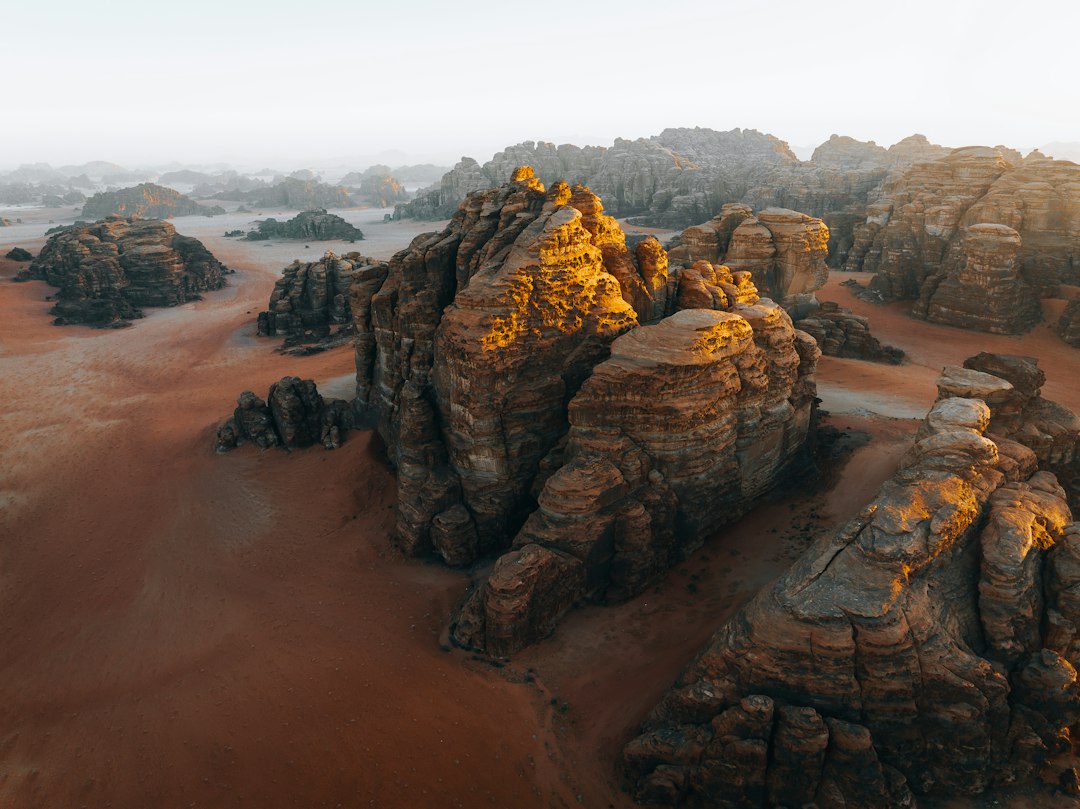
Echoes in the Sand: Unveiling Ancient Camel Artistry in Saudi Arabia
The vast, undulating deserts of Saudi Arabia, a landscape steeped in millennia of human history and nomadic traditions, have once again yielded a breathtaking testament to the artistic ingenuity of its ancient inhabitants. Recent archaeological discoveries, painstakingly unearthed from the unforgiving sands, have revealed a remarkable collection of camel carvings, a vibrant and detailed glimpse into a world where these magnificent creatures were not merely a means of survival but profound subjects of artistic expression. These petroglyphs, etched with astonishing skill into rock faces and boulders, offer an unparalleled window into the cultural, social, and spiritual lives of the peoples who once roamed these arid expanses.
The sheer volume and intricacy of the carvings suggest a deep and enduring connection between ancient Saudis and the camel. Far from being simple depictions, these artworks are imbued with a dynamism and narrative quality that speaks volumes about the artists’ understanding and reverence for their animal companions. The discovery has ignited a fervor among archaeologists and art historians, promising to rewrite our understanding of prehistoric art in the Arabian Peninsula and shed light on the sophisticated aesthetic sensibilities of cultures long vanished.
Recent discoveries of ancient camel carvings in Saudi Arabia have shed light on the region’s rich cultural heritage and the significance of these animals in early societies. These carvings, which date back thousands of years, provide insights into the lives of the people who once inhabited the area and their relationship with camels, often referred to as the “ships of the desert.” For a deeper understanding of how ancient technologies can inform modern solutions, you can explore the related article at Unlocking the Power of Ancient Tech for Modern Solutions.
The Discovery: Whispers from the Stone
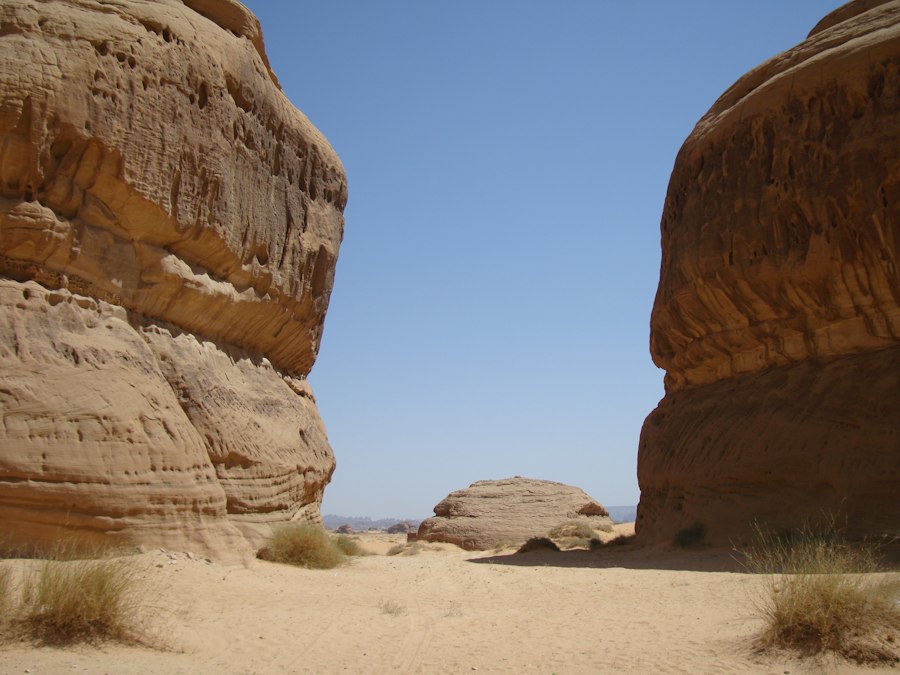
The unearthing of these ancient camel carvings is a story of perseverance, serendipity, and the relentless pursuit of knowledge in one of the world’s most challenging archaeological frontiers. Decades of exploration in various regions of Saudi Arabia have hinted at the presence of rich rock art, but the recent discoveries represent a significant leap forward in both scale and detail. These are not isolated finds but rather extensive panels, often found in remote and previously under-surveyed areas, suggesting the existence of established artistic traditions and possibly sacred sites dedicated to the depiction of camels.
Locating the Sacred Sites: Where Art Meets the Wilderness
The primary locations of these remarkable discoveries are concentrated in specific geological formations known for their suitability for rock engraving. Regions such as the Nefud Desert, the Al-Jawf province, and the Najran region have become focal points for this ongoing research. These areas, characterized by expansive plains dotted with basalt outcrops and limestone escarpments, provided ideal canvases for the ancient artists. The natural weathering of these rocks, while posing challenges to preservation, has also, in some instances, helped to protect the delicate etchings from complete erosion. Expeditions, often involving challenging desert traverses and meticulous surveying, have led to the identification of these rich rock art sites. The process involves the systematic examination of terrain, often guided by local knowledge and aerial reconnaissance, followed by on-the-ground exploration to identify potential carving locations. The sheer remoteness of many of these sites underscores the dedication of the archaeologists involved.
The Art of Revelation: Techniques and Tools
The methods employed by the ancient artists to create these enduring images are as fascinating as the art itself. While direct evidence of the tools used is rare, the nature of the carvings strongly suggests the use of hard stone tools, such as pointed chisels and hammers made from dolerite or other hard igneous rocks. The artists would have meticulously pecked, abraded, and incised the rock surfaces, a labor-intensive process that required considerable skill and patience. The depth and precision of the lines, as well as the varied textures achieved, indicate a mastery of these techniques.
The process likely involved preparing the rock surface to some extent, perhaps by smoothing it or identifying areas with optimal texture for engraving. The most common techniques observed include pecking, where a pointed tool is repeatedly struck against the rock to create a series of indentations that form a line or a shape, and incising, which involves cutting or scratching a groove into the rock. In some cases, abrasion techniques were used to create broader areas of shading or texture. The consistency of the style across different sites suggests a shared artistic tradition and possibly the transmission of knowledge and techniques through generations.
Depicting the Dromedary: A Symphony of Form and Function
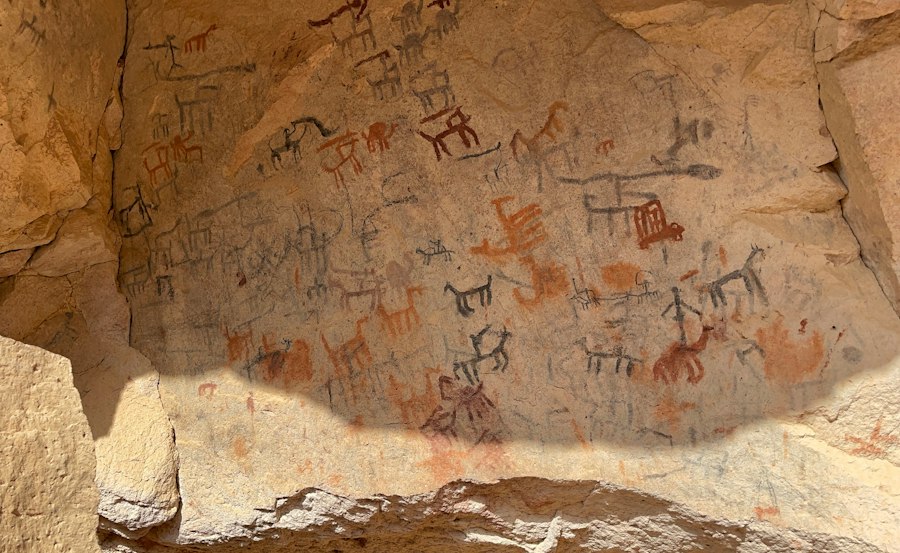
The camel, specifically the dromedary (one-humped camel), is the undisputed star of these ancient artworks. The carvings are not generic representations but rather detailed and often dynamic portrayals, capturing the animal in various poses and activities. This meticulous attention to detail suggests a profound familiarity with the camel’s anatomy, behavior, and its central role in the lives of the people who created these images.
Anatomical Accuracy: Beyond Mere Likeness
What is particularly striking is the remarkable anatomical accuracy of many of the carvings. Artists have meticulously rendered the camel’s distinctive hump, its long, slender legs, its powerful chest, and its characteristic curved neck. The proportions are often surprisingly precise, indicating a keen observational eye. Beyond the general form, specific details are also captured, such as the musculature, the tail, and even the ears. In some instances, the artists have depicted the animals with their legs splayed as if in motion, or with their heads raised, suggesting alertness or even a vocalization. This level of realism elevates the carvings beyond simple decorative motifs to sophisticated studies of animal life.
Contextualizing the Camel: Scenes of Daily Life and Ritual
The camel carvings are not always isolated figures; many are incorporated into narrative scenes that provide invaluable insights into ancient Saudi life. These scenes depict the animals engaged in various activities, offering a glimpse into the daily routines and cultural practices of the time.
Herding and Travel: The Backbone of Nomadic Existence
Numerous carvings illustrate camels being herded, often by human figures, highlighting their importance as livestock and a primary mode of transportation. These depictions may show caravans traversing the desert, a vital artery of trade and communication across the Arabian Peninsula. The artists have captured the endurance and resilience of these animals, essential for long journeys across vast, unforgiving landscapes. The composition of these scenes often suggests the movement and scale of these journeys, with multiple camels and human figures arranged to convey a sense of progression. The presence of goods or baggage on some of the camels further reinforces their role in trade and transport.
Hunting and Warfare: Power and Prestige
While less common than depictions of herding, some carvings suggest the use of camels in hunting and possibly warfare. The powerful physique of the camel, combined with its speed and stamina, would have made it a formidable asset in such endeavors. Some scenes might depict camels in a more aggressive stance, perhaps accompanying hunters or warriors, suggesting a connection to power, status, and territorial control. The precise interpretation of these scenes can be challenging, but the inclusion of weaponry or dynamic action implies a link to conflict or the pursuit of prey.
Symbolic and Spiritual Representations: More Than Just Beasts of Burden
Beyond their practical utility, the sheer number and artistry dedicated to camel depictions suggest a deeper symbolic or spiritual significance. Camels were vital for survival in the desert, providing milk, meat, wool, and the means to travel and trade. This dependence likely fostered a sense of reverence and perhaps even veneration. Some carvings might depict camels in more stylized or abstract forms, or in contexts that hint at ritualistic importance. The meticulous detail and the prominent placement of these carvings in certain locations could indicate their role in religious ceremonies, shamanic practices, or as offerings to deities. The interpretation of these spiritual dimensions remains an ongoing area of research, but the artistic investment itself speaks to a profound cultural connection.
The Artists and Their World: Glimpses of a Lost Society
The creators of these ancient camel carvings remain largely anonymous, yet their artwork offers tantalizing clues about their society, beliefs, and artistic traditions. The consistency of style and subject matter across various sites suggests a flourishing and widespread artistic culture, likely passed down through generations.
A Tradition of Lineage: Passing Down the Craft
The recurring motifs, stylistic conventions, and technical approaches evident in the petroglyphs strongly indicate a well-established artistic tradition. It is probable that artistic skills were passed down through families or within specific communities, with apprentices learning from master carvers. The prevalence of certain themes, like the depiction of camels, suggests a shared cultural understanding and importance placed on these subjects. The development of distinct regional styles, if identifiable, could further illuminate the spread and evolution of this art form.
Social and Economic Significance: Camels as Pillars of Society
The prominence of camel depictions underscores the central role these animals played in the social and economic fabric of ancient Saudi society. They were not merely domestic animals but symbols of wealth, status, and survival. Successful camel herders and traders would have held positions of influence and respect. The art served as a visual narrative of this importance, perhaps adorning important communal spaces or being created at significant junctures in life. The labor involved in creating these carvings also suggests a society with sufficient surplus and leisure time for such artistic endeavors, pointing to a degree of social organization and stability.
Belief Systems and Rituals: Camels in the Spiritual Landscape
The integration of camels into what appear to be narrative or symbolic scenes hints at their importance in the spiritual landscape of these ancient peoples. Whether they were considered sacred animals, intermediaries with the divine, or simply imbued with powerful symbolic meaning, their representation in art suggests a complex belief system. The location of some of these carvings in elevated or prominent positions might further suggest a ritualistic or ceremonial purpose, perhaps connected to appeasing deities, ensuring successful hunts, or marking important spiritual events. The study of comparative mythology and ancient Near Eastern religious practices may offer further avenues for understanding these potential spiritual dimensions.
Recent discoveries of ancient camel carvings in Saudi Arabia have shed light on the region’s rich cultural history and its connection to early trade routes. These intricate carvings not only highlight the significance of camels in Arabian life but also provide insights into the artistic expressions of past civilizations. For a broader understanding of how ancient cultures have influenced modern narratives, you might find it interesting to read about the ongoing exploration of historical themes in various contexts, as discussed in this article on the space race and its implications.
The Significance of the Find: Rewriting Ancient Narratives
| Metric | Details |
|---|---|
| Location | Various sites in Saudi Arabia, including Jubbah and Shuwaymis |
| Estimated Age | Approximately 2,000 to 8,000 years old |
| Material | Rock surfaces and sandstone cliffs |
| Type of Carvings | Petroglyphs depicting camels, humans, and other animals |
| Significance | Provides insight into ancient nomadic life and early domestication of camels |
| UNESCO Status | Some sites are listed as UNESCO World Heritage Sites |
| Common Themes | Hunting scenes, daily life, and symbolic representations |
The unearthing of these ancient camel carvings is more than just an archaeological curiosity; it is a pivotal discovery that promises to reshape our understanding of ancient Saudi Arabia and the broader history of human art. The detailed and nuanced depictions offer a unique ethnographic and artistic record, enriching our knowledge of prehistoric cultures in the region.
A New Chapter in Arabian Prehistory: Challenging Existing Paradigms
These discoveries are poised to significantly expand and enrich our understanding of prehistoric art in the Arabian Peninsula. Previously, rock art in the region was often characterized by less detailed or more abstract representations. The sophistication and naturalism of these camel carvings challenge existing paradigms and suggest a more complex and diverse artistic landscape than previously recognized. They provide concrete evidence of a flourishing artistic tradition with a deep understanding of natural forms and narrative composition. This new evidence necessitates a re-evaluation of the artistic capabilities and cultural sophistication of these ancient communities.
Insights into Trade Routes and Cultural Exchange: Caravans of Connection
The prevalence of camel depictions, particularly in scenes that suggest travel and trade, offers invaluable insights into ancient trade routes and cultural exchange across the Arabian Peninsula and beyond. The camel was the linchpin of long-distance trade, facilitating the movement of goods, ideas, and people. The artistic record can help archaeologists map potential trade networks and understand the economic and cultural connections between different communities. The presence of consistent artistic styles across geographically dispersed sites could also point to the movement of people and the diffusion of cultural practices.
Preserving a Legacy: The Importance of Conservation and Study
The ongoing study and conservation of these ancient carvings are paramount. These fragile artworks are exposed to the elements and the risks of human impact. Collaborative efforts between Saudi authorities, international archaeological institutions, and local communities are essential to ensure their long-term preservation. Continued research, utilizing advanced imaging techniques and comparative analysis, will undoubtedly unlock further secrets held within these stone narratives. The challenge lies in balancing the need for accessibility and scientific study with the imperative of protecting these irreplaceable cultural treasures for future generations. This includes meticulous documentation, environmental monitoring, and the development of responsible tourism strategies for designated sites.
Recent discoveries of ancient camel carvings in Saudi Arabia have shed light on the region’s rich cultural heritage and its historical significance in trade and migration. These carvings, believed to date back thousands of years, provide valuable insights into the lives of early inhabitants and their relationship with these majestic animals. For a deeper understanding of how climate changes may have influenced ancient civilizations, you can explore the related article on the Bronze Age collapse and the role of climate at this link.
Looking Ahead: The Sands Still Hold Secrets
The unearthed camel carvings are a monumental achievement, but they are also a potent reminder of how much more remains hidden beneath the sands of Saudi Arabia. The ongoing archaeological work in the region continues to reveal the depth and complexity of its ancient past, promising even more groundbreaking discoveries in the years to come.
Future Excavations and Discoveries: The Promise of the Unknown
With vast expanses yet to be thoroughly explored, the potential for further significant discoveries is immense. Archaeologists are continuously refining their techniques and employing new technologies, such as remote sensing and drone imagery, to identify promising new sites. The regions surrounding the current discoveries, as well as previously unexplored territories, are likely to yield more petroglyphs, potentially revealing different artistic styles, new animal subjects, and further insights into the lives of ancient Arabian peoples. The possibility of uncovering contemporaneous settlements or burial sites near these art locations could provide invaluable contextual information.
The Role of Technology: Unlocking Deeper Meanings
Advanced technologies are playing an increasingly crucial role in the study of these ancient artworks. High-resolution photography, 3D scanning, and Geographic Information Systems (GIS) are allowing researchers to meticulously document, analyze, and even virtually reconstruct the carvings. These tools can reveal details invisible to the naked eye, such as subtle tool marks or faint etchings. Furthermore, scientific analysis of the rock strata and pigment residues (if any) can help to date the carvings more precisely and understand the environmental conditions under which they were created and preserved. The application of AI in analyzing patterns and styles across vast datasets could also lead to new interpretations.
A Global Heritage: Connecting Past and Present
The ancient camel carvings of Saudi Arabia are not merely a national treasure but a significant contribution to the global heritage of human art and culture. They offer a tangible link to our shared human past, reminding us of the enduring creativity, resilience, and profound connection to the natural world that has characterized humanity throughout history. As research continues, these desert etchings will undoubtedly continue to inspire awe and deepen our understanding of the ancient world, solidifying their place as an indispensable chapter in the grand tapestry of human artistic achievement. The ongoing dialogue between scientific discovery and public appreciation is crucial for fostering a sense of global ownership and responsibility for these remarkable ancient legacies.
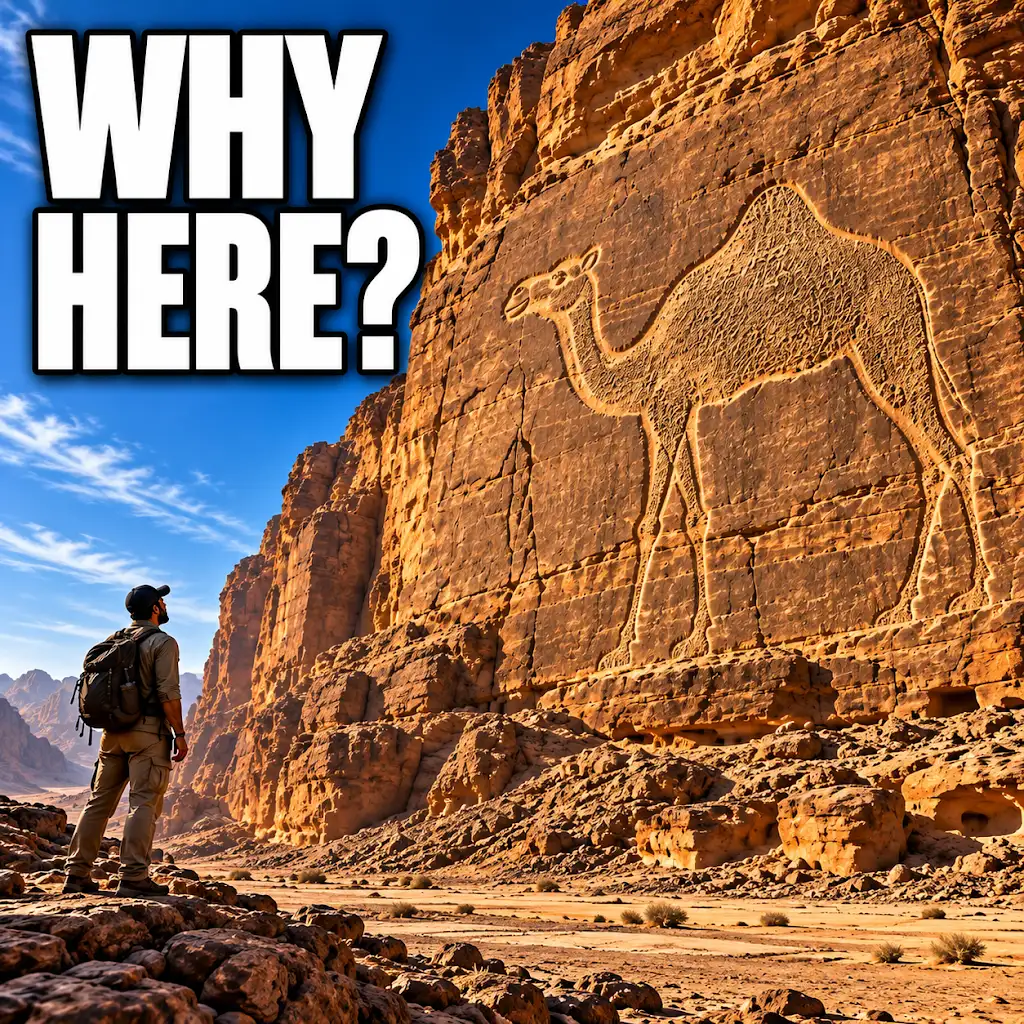
Why Were Giant Camels Carved Above the Desert?
FAQs
What are the ancient camel carvings found in Saudi Arabia?
The ancient camel carvings in Saudi Arabia are rock art depictions of camels that date back thousands of years. These carvings are found in various regions of the country, particularly in the northwestern part of Saudi Arabia.
Who created the ancient camel carvings in Saudi Arabia?
The ancient camel carvings in Saudi Arabia were created by ancient civilizations and nomadic tribes that inhabited the region. These carvings are believed to have been made by using primitive tools to carve the images onto the rock surfaces.
What is the significance of the ancient camel carvings in Saudi Arabia?
The ancient camel carvings in Saudi Arabia are significant as they provide insights into the cultural and historical practices of the ancient people who lived in the region. The carvings depict the importance of camels in the daily lives of these ancient civilizations.
Where can the ancient camel carvings in Saudi Arabia be found?
The ancient camel carvings in Saudi Arabia can be found in various locations, including the regions of Al-Jouf, Hail, and Tabuk. These carvings are typically found in rocky areas and cliffs, where they have been preserved for thousands of years.
How are the ancient camel carvings in Saudi Arabia being preserved?
The ancient camel carvings in Saudi Arabia are being preserved through various conservation efforts, including documentation, monitoring, and protective measures. These efforts aim to safeguard the carvings from natural erosion, vandalism, and other threats to ensure their long-term preservation.