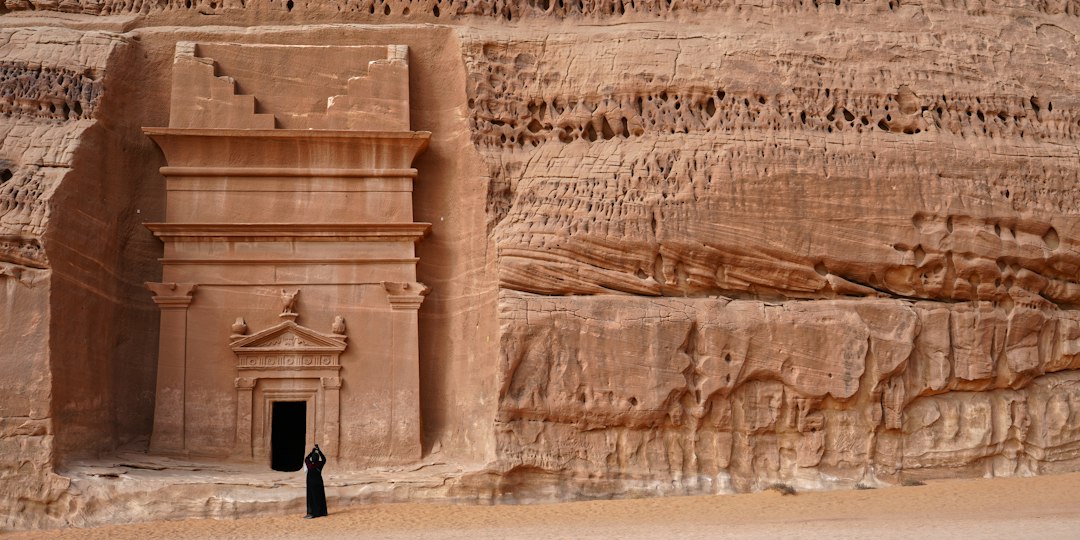
The vast, undulating sands of Saudi Arabia, long perceived as an inert landscape of heat and isolation, are progressively yielding their secrets. For millennia, these deserts have served as silent witnesses to the ebb and flow of civilizations, the passage of trade caravans, and the rise and fall of ancient kingdoms. Recent archaeological endeavors, fueled by both dedicated researchers and a national ambition to reconnect with its rich heritage, are transforming our understanding of this region’s profound historical significance. From monumental prehistoric settlements to the remnants of sophisticated ancient trade networks, these discoveries are painting a vivid new picture of human ingenuity and resilience in one of the world’s most challenging environments. The ongoing work is not merely an academic pursuit; it is an integral part of Saudi Arabia’s Vision 2030, aiming to preserve and promote its cultural identity for future generations and to attract global tourism to its burgeoning archaeological sites.
Whispers from the Sands: Early Human Presence and Prehistoric Societies
The story etched into the Saudi desert is far older than many might imagine. Evidence of early human activity stretches back tens of thousands of years, revealing a landscape far different from the arid expanse we see today. These initial forays into the Arabian Peninsula suggest a period of increased rainfall and more hospitable conditions, allowing hunter-gatherer groups to traverse and inhabit these lands. The discovery of stone tools, often found in scattered clusters, provides tangible links to these ancient peoples, offering insights into their tool-making technologies and hunting strategies. These finds, though seemingly simple, are crucial for piecing together the earliest chapters of human migration and adaptation in this part of the world.
Tools of the Ancients: Paleolithic and Neolithic Innovations
Archaeological digs have uncovered a remarkable array of lithic artifacts, dating from the Paleolithic to the Neolithic periods. These include handaxes, scrapers, and projectile points, meticulously crafted from local stone. The sophistication and variety of these tools indicate a deep understanding of available materials and a developing technological prowess. In the Neolithic era, evidence of settled life begins to emerge, with hints of early agriculture and animal domestication. Discoveries of grinding stones and potential hearths suggest a move towards more sedentary lifestyles, a significant transition from the nomadic existence of their Paleolithic ancestors. These findings challenge earlier assumptions about the region’s perceived lack of early human development, demonstrating a vibrant prehistoric past.
Desert Rivers and Oasis Life: Evidence of a Greener Past
Paleoclimatic studies, combined with archaeological evidence, are painting a picture of a “Green Arabia.” During wetter periods, rivers flowed where now there are only wadis, and oases were more abundant and widespread. The presence of ancient lake beds and fossilized flora and fauna further supports this notion. Archaeological sites are often found in close proximity to these ancient water sources, indicating that human settlements were intrinsically linked to the availability of water. The discovery of shell middens in some inland sites, far from any present-day coast, is particularly compelling, suggesting significant shifts in the ancient shoreline and the presence of freshwater lakes capable of supporting aquatic life. This environmental context is vital for understanding how early humans could thrive and develop complex societies in what is now considered a harsh desert environment.
Recent discoveries in Saudi desert archaeology have unveiled significant insights into ancient civilizations that once thrived in the region. These findings not only shed light on the historical context of the Arabian Peninsula but also contribute to our understanding of trade routes and cultural exchanges in antiquity. For a broader perspective on how modern economic trends, such as nearshoring, can influence historical interpretations and archaeological funding, you can read more in this related article: The Impact of Nearshoring on Inflation.
Pillars of Power: Flourishing Kingdoms and Ancient Trade Routes

Beyond the prehistoric era, the Saudi desert served as a crucial crossroads for ancient civilizations, particularly those that flourished from the first millennium BCE onwards. The discovery and ongoing excavation of cities and settlements tied to the incense trade routes have revolutionized our understanding of these powerful kingdoms. These were not merely nomadic tribes but organized societies with sophisticated administrative structures, impressive architecture, and extensive trade networks that connected the Arabian Peninsula to the wider Mediterranean and Indian Ocean worlds. The wealth generated from the trade in frankincense and myrrh, highly prized commodities in the ancient world, fueled the development of these kingdoms, leaving behind a rich archaeological legacy.
The Incense Kingdoms: Nabataean and Dadanite Dominance
The Nabataeans, famously known for their rock-cut city of Petra in modern-day Jordan, also had a significant presence and influence in the northern parts of Saudi Arabia. Sites like Mada’in Salih (Al-Hijr), a UNESCO World Heritage site, showcase impressive Nabataean tombs, temples, and water management systems, demonstrating their architectural prowess and their control over vital trade routes. Further south, the Dadanite and Lihyanite kingdoms, centered around the ancient city of Al-Ula, represent another major power in the region. Excavations at these sites are revealing intricate palaces, religious structures, and a wealth of inscriptions that provide invaluable insights into their language, religion, and social organization. These kingdoms were masters of desert survival and commerce, building thriving urban centers in seemingly impossible locations.
Silk and Spice: Networks of Exchange Across the Desert
The ancient trade routes that crisscrossed the Saudi desert were not just arteries for the lucrative incense trade but also part of a much larger network of exchange that included spices, textiles, metals, and other valuable goods. Archaeological evidence, including imported pottery, coins, and remnants of caravan infrastructure like wells and resting places, attests to the scale and complexity of these networks. The rediscovery of ancient roads and caravan trails, sometimes marked by stone cairns or inscriptions, is allowing archaeologists to meticulously map these routes and understand the logistics of ancient desert travel. This interconnectedness fostered cultural exchange, influencing art, religion, and societal development across the region and beyond. The desert, rather than being a barrier, was a vital conduit for global commerce.
Urban Enclaves and Desert Cities: Life in Ancient Settlements

The image of ancient Arabia often conjures nomadic tents, but the archaeological record increasingly points to the existence of substantial and sophisticated urban centers. These settlements were not only centers of trade and administration but also hubs of cultural and religious life. Excavations have revealed complex urban planning, residential areas, public buildings, and evidence of advanced craftsmanship, demonstrating a level of societal organization that rivals contemporary civilizations in other parts of the world. The study of these ancient cities provides a unique window into the daily lives, beliefs, and social structures of the people who inhabited them.
Al-Faw: A Capital of Ancient Arabia
The discovery and excavation of the ancient city of Al-Faw have been particularly significant. Located in the Najd region, Al-Faw was the capital of the Kindah Kingdom, a powerful confederation of tribes that played a crucial role in the political landscape of ancient Arabia. Excavations have unearthed a well-preserved city with a royal palace, temples, residential quarters, and a necropolis. The city’s layout, along with numerous inscriptions and artifacts, provides a detailed glimpse into the Kindah’s administration, religious practices, and their interactions with neighboring powers. Al-Faw stands as a testament to the significant political and cultural influence that emerged from the heart of the Arabian Peninsula.
Trade Hubs and Oasis Towns: Centers of Prosperity
Beyond the major capitals, numerous smaller towns and oasis settlements dotted the ancient landscape, serving as vital waypoints for caravans and centers of local economic activity. Sites like Tayma, an ancient oasis city with a long history of habitation, reveal layers of occupation from various periods, including significant remnants from the Dadanite and Nabataean eras. These towns were often strategically located at the confluence of trade routes or near reliable water sources, developing their own unique cultures and economies. Their existence highlights the widespread human settlement and the development of a complex mosaic of communities across the desert.
Beyond the Tomb and Temple: Daily Life and Belief Systems
While monumental structures like tombs and temples often dominate archaeological narratives, a growing focus is being placed on understanding the daily lives, social structures, and belief systems of the people who built them. Excavations are increasingly unearthing domestic artifacts, tools, and artistic expressions that offer a more intimate glimpse into the lives of ordinary people, their diet, their work, and their spiritual world. The interpretation of these findings, often in conjunction with textual evidence from inscriptions, is providing a richer and more nuanced understanding of ancient Arabian societies.
Echoes of Ritual: Religious Practices and Beliefs
The study of religious sites, including temples, altars, and the discovery of votive offerings, sheds light on the diverse religious practices of ancient Arabia. Inscriptions often mention deities and religious rituals, providing direct evidence of their pantheons and belief systems. The presence of sanctuaries and pilgrimage sites indicates that religion played a central role in the lives of these ancient communities. The evolution of these beliefs, from indigenous deities to the eventual influence of monotheistic religions, is a complex area of ongoing research, with archaeological finds offering crucial pieces of the puzzle.
The Artisan’s Hand: Crafts, Art, and Technology
The tangible remains of ancient craftsmanship provide invaluable insights into the technological capabilities and artistic sensibilities of these societies. From finely crafted pottery and metalwork to intricate jewelry and decorative elements on architecture, the artifacts reveal a high degree of skill and aesthetic appreciation. The analysis of these items can also indicate trade connections, as certain materials or styles may have originated from distant lands. Understanding the production processes, the tools used, and the distribution of these goods offers a comprehensive view of their economy and the specialized labor that existed within these ancient communities.
Recent discoveries in Saudi desert archaeology have unveiled ancient trade routes and settlements that shed light on the region’s historical significance. These findings not only enhance our understanding of the Arabian Peninsula’s past but also highlight the importance of preserving such sites for future research. For a deeper insight into the implications of archaeological discoveries and their connection to modern issues, you can read an interesting article on emergency asset seizure legislation that discusses how financial crimes can impact cultural heritage. This article can be found here.
The Future of the Past: Preservation and Future Discoveries
| Discovery | Location | Estimated Age | Significance | Year Discovered |
|---|---|---|---|---|
| Al-Magar Petroglyphs | Al-Magar, Najd region | ~8,000 years | Earliest evidence of domesticated horses in Arabia | 2010 |
| Thamudic Inscriptions | Various sites across northern Saudi Arabia | 2,000 – 3,000 years | Insight into ancient Arabian scripts and cultures | Ongoing discoveries since 20th century |
| Al-Hijr (Madain Salih) Tombs | Al-Ula, northwest Saudi Arabia | 1st century BCE to 1st century CE | Well-preserved Nabatean rock-cut tombs | Early 20th century |
| Stone Tools and Flint Artifacts | Various desert sites | Up to 250,000 years | Evidence of early human habitation and tool use | Recent excavations 2015-2020 |
| Ancient Water Wells and Canals | Najd and Rub’ al Khali regions | Several thousand years | Indications of advanced ancient water management | 2018 |
The ongoing archaeological work in Saudi Arabia is not just about uncovering the past; it is also about ensuring its preservation for future generations and harnessing its potential for education and tourism. The Saudi government has made significant investments in archaeological research and the development of heritage sites, recognizing their immense cultural and economic value. As technology advances and research methodologies become more sophisticated, the potential for new and groundbreaking discoveries in the Saudi desert remains vast, promising to further illuminate the region’s rich and complex history.
Safeguarding Heritage: Conservation and Modern Techniques
The fragile nature of desert environments poses significant challenges to the preservation of archaeological sites. Modern conservation techniques, including 3D scanning, laser surveying, and environmental monitoring, are being employed to document and protect these invaluable remains. The establishment of protected zones and heritage centers is crucial for safeguarding sites from natural erosion, human impact, and looting. The goal is not only to excavate but to ensure that what is found is meticulously preserved and accessible for study and appreciation.
Vision for a Heritage Future: Tourism and Education
Saudi Arabia’s Vision 2030 places a strong emphasis on developing its cultural tourism sector, and its rich archaeological heritage is at the forefront of this initiative. Major sites like Al-Ula and Mada’in Salih are being developed into world-class tourist destinations, offering immersive experiences that bring ancient history to life. Educational programs and outreach initiatives are also being expanded to foster a deeper understanding and appreciation of this heritage among both Saudi citizens and international visitors. The desert, once a barrier, is now becoming a gateway to understanding a profound and often overlooked chapter of human history. The continuous exploration and thoughtful presentation of these ancient secrets are set to redefine our perception of the Arabian Peninsula’s place in the grand narrative of human civilization.

Why Were Giant Camels Carved Above the Desert?
FAQs
What are some recent discoveries in Saudi desert archaeology?
Recent discoveries in Saudi desert archaeology include ancient rock art, burial sites, and artifacts dating back thousands of years. These findings provide valuable insights into the history and culture of the region.
How do archaeologists conduct research in the Saudi desert?
Archaeologists in the Saudi desert use a variety of methods, including ground surveys, satellite imagery, and excavation. They work closely with local communities and authorities to ensure the protection and preservation of important archaeological sites.
What can we learn from studying archaeological sites in the Saudi desert?
Studying archaeological sites in the Saudi desert can help us understand the ancient civilizations that once thrived in the region, their daily lives, beliefs, and interactions with neighboring cultures. It also sheds light on the environmental changes that have occurred over time.
Why is the Saudi desert an important area for archaeological research?
The Saudi desert is an important area for archaeological research due to its rich history, diverse landscapes, and abundance of well-preserved artifacts. The region’s strategic location along ancient trade routes has also contributed to its significance in the study of human civilization.
How are the discoveries in Saudi desert archaeology contributing to our knowledge of human history?
The discoveries in Saudi desert archaeology are contributing to our knowledge of human history by filling gaps in our understanding of ancient societies, their technological advancements, cultural practices, and interactions with other civilizations. These findings help piece together the puzzle of human evolution and migration patterns.