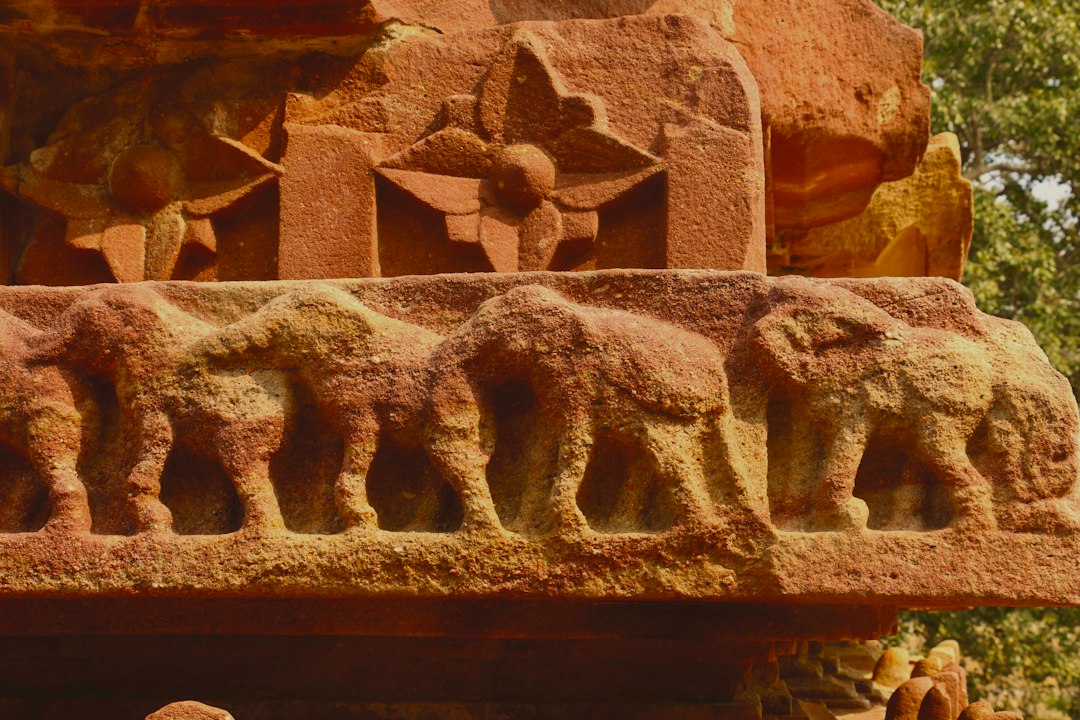
The arid landscapes of our planet, often perceived as barren and desolate, hold within their sculpted forms a profound and ancient artistry. Across continents, where wind and time have smoothed the very bedrock of existence, a remarkable phenomenon unfolds: the etching of animal carvings into sandstone formations. These are not mere geological curiosities, but rather potent whispers from our distant past, a timeless legacy left by human hands and minds that sought to connect with the natural world. These petroglyphs, meticulously chipped, pecked, and abraded into the soft stone, offer an unparalleled window into the spiritual, cultural, and ecological realities of early human societies. They are a silent testament to our ancestors’ deep reverence for the creatures that shared their world, their keen observational skills, and their enduring desire to communicate across the vast expanse of time. The sheer longevity of these carvings, some predating recorded history by millennia, imbues them with an almost sacred aura. They are tangible links to forgotten peoples, their beliefs, their survival strategies, and their place within the grand tapestry of life. The sandstone, a relatively porous and easily worked material, proves to be an ideal canvas for this enduring form of expression, its sedimentary layers preserving the marks of early humans with remarkable fidelity against the relentless march of erosion.
Echoes of the Hunt and the Sacred
The prevalence of animal imagery in ancient rock art is no accident; it directly reflects the fundamental role that fauna played in the lives of early human populations. For survival, animals were hunted for sustenance, their hides provided clothing and shelter, and their bones were fashioned into tools and weapons. Beyond this utilitarian aspect, animals also occupied a central position in the spiritual and cosmological beliefs of these societies. They were often seen as totemic figures, embodying particular spirits or ancestral lineages, or as powerful intermediaries between the human and supernatural realms. The act of depicting these creatures on prominent rock faces, often in remote and significant locations, suggests a ritualistic purpose. These carvings may have served as a means of invoking the spirits of the animals, ensuring successful hunts, or communicating important knowledge and stories to future generations. The sheer diversity of animals represented, from large game like bison and deer to smaller creatures such as birds and reptiles, speaks to the intricate understanding that ancient peoples had of their ecosystems.
The Predator and the Prey: A Dynamic Relationship
A significant portion of ancient animal carvings across the globe depicts the dynamic interplay between predators and prey. These scenes often capture moments of intense action, with hunters pursuing their quarry or predators in the act of striking. Such depictions are not merely documentary; they are imbued with symbolic meaning. The successful hunt could be a source of gratitude to the animal spirits, a demonstration of human prowess, or a narrative illustrating the delicate balance of life and death. Conversely, depictions of predators might evoke fear, respect, or even a sense of awe, reflecting the inherent dangers and power associated with these animals. The artistic conventions employed – the stylized rendering of movement, the emphasis on key anatomical features – demonstrate a sophisticated visual language developed to convey complex narratives and emotions. The skill with which these images were executed, often with a remarkable degree of naturalism despite the abstracting tendencies of some styles, underscores the deep observational skills of the artists. They understood the musculature of a running deer, the coiled power of a serpent, or the soaring grace of an eagle, and they translated this understanding into enduring marks on stone.
Totemic Beasts and Ancestral Connections
Beyond the practicalities of hunting and survival, many animal carvings are believed to represent totemic relationships. Totemism, a system of belief in which a spiritual relationship exists between a group of people and a particular animal, plant, or natural object, was a common feature of many indigenous cultures. The animal in question was often considered an ancestor, a guardian spirit, or a symbol of the group’s identity. Carvings of these totemic animals served to reinforce these connections, acting as visual reminders of their shared heritage and spiritual bonds. These images might have been placed in sacred sites, used in initiation ceremonies, or incorporated into personal adornments, solidifying the individual’s link to their ancestral spirit. The ubiquity of certain animal motifs within specific geographical regions or cultural groups further supports the totemic interpretation, suggesting shared belief systems and interconnected communities stretching across the landscape. The careful placement of these carvings, often in high vantage points or within caves, also speaks to their sacredness and their role in mediating between the earthly and spiritual realms.
Ancient animal carvings in sandstone provide a fascinating glimpse into the lives and beliefs of early civilizations. These intricate artworks often depict animals that held significant cultural or spiritual meaning, reflecting the relationship between humans and the natural world. For a deeper understanding of how ancient societies interacted with their environment, you can explore a related article that discusses the complexities of city planning in ancient times. This article highlights the challenges faced by early urban planners and how their decisions impacted the development of their communities. To read more, visit this link.
The Artists and Their Craft: Imprints of Human Ingenuity
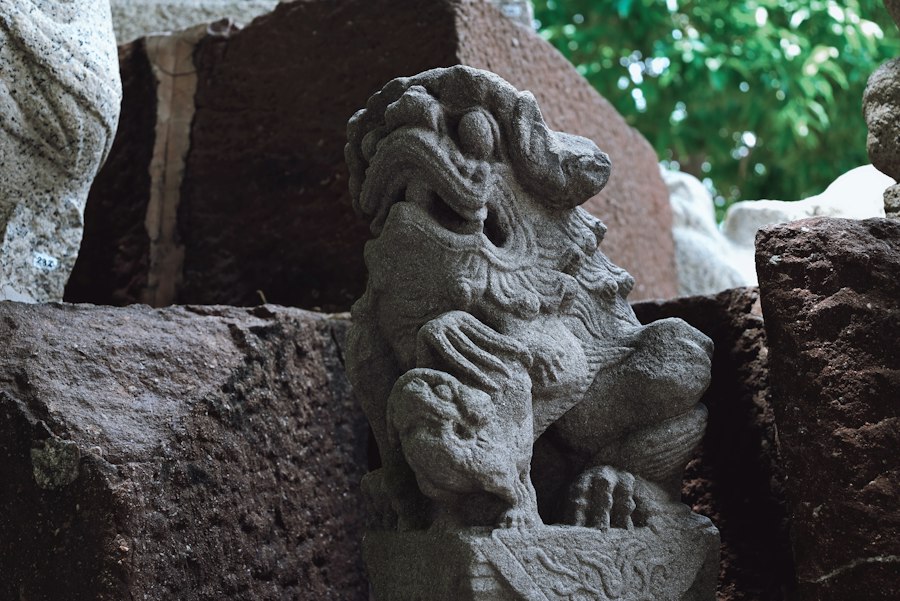
The creation of these ancient animal carvings was no casual endeavor. It required specific tools, considerable skill, and a profound understanding of the medium. The sandstone itself, while relatively soft, demands a deliberate and practiced hand to incise permanent marks. The tools used would have varied depending on the rock type and the desired effect, but likely included harder stones, bone, or even metal implements in later periods. The process of pecking or abrading the stone to create a discernible image would have been time-consuming and physically demanding, particularly for larger or more intricate designs. This dedication of effort suggests that the act of creation was itself imbued with significance, perhaps a form of meditation, prayer, or ritualistic practice. The sheer variety of styles and techniques observed across different regions and time periods highlights the adaptability and ingenuity of early human artists.
Tools of the Stone Sculptor
The archaeological record, though often incomplete, provides clues about the tools employed by ancient artists. Harder stones, such as flint, chert, or basalt, would have been ideal for use as chisels or hammers, capable of chipping away at the softer sandstone surface. Bone tools, fashioned from the antlers or long bones of animals, could have been used for finer details or for abrading smoother lines. In some later contexts, evidence of metal tools, such as copper or bronze chisels, has been found, indicating technological advancements that allowed for more intricate and precise carvings. The process often involved a systematic pecking or hammering technique to outline the desired form, followed by a process of grinding or rubbing to smooth the edges and create a visually distinct image. The resulting effect, a contrast between the weathered surface of the sandstone and the freshly exposed, darker rock beneath, provided a natural and enduring aesthetic. The careful selection of rock faces, often those with a suitable texture and color, also played a crucial role in the success and longevity of the carvings.
Masters of Observation and Stylization
The artistic merit of these ancient carvings is undeniable, even to a modern eye. While some depictions exhibit a remarkable degree of naturalism, accurately capturing the form and movement of animals, others adopt a more stylized or abstract approach. This stylization was not a sign of artistic deficiency, but rather a deliberate choice to emphasize certain characteristics or to convey symbolic meaning. Feathered serpents, geometric representations of bison, or humans with animal heads are common motifs that transcend mere naturalistic representation, hinting at complex mythologies and spiritual beliefs. The choice between naturalism and stylization often depended on the intended purpose of the carving, the cultural context, and the individual artist’s skill and interpretation. The enduring appeal of these images lies in their ability to evoke a sense of primal connection, a shared human experience of observing and interacting with the natural world. The artists were not simply replicating what they saw; they were interpreting it, imbuing it with their understanding of its power, its significance, and its place in the cosmic order.
Cultural Narratives and Cosmic Connections
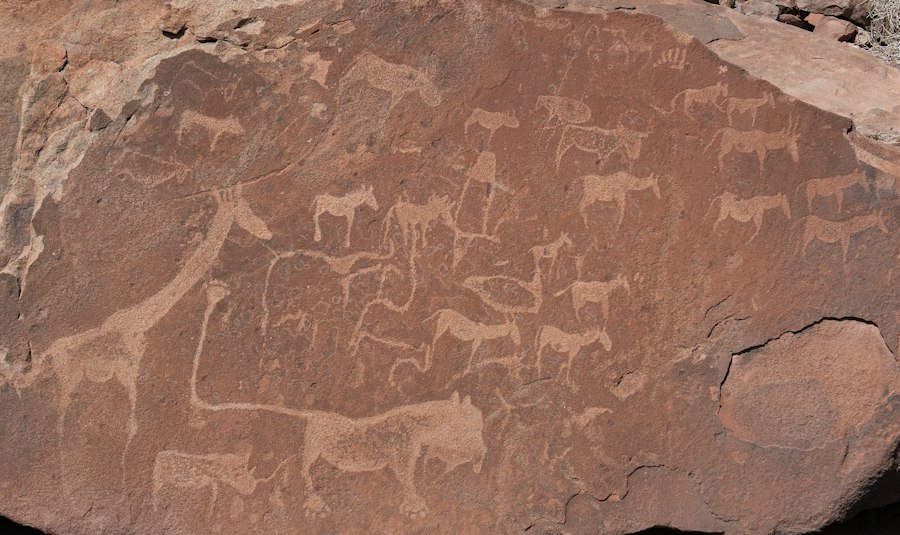
The animal carvings are more than just decorative elements; they are integral components of ancient belief systems, visual narratives that encoded cultural knowledge, spiritual beliefs, and cosmological understandings. These images served as a form of “writing” before the advent of alphabetic scripts, communicating stories, myths, and important teachings across generations. The recurring motifs and symbolic representations suggest a shared worldview, a common language of imagery that bound communities together and provided a framework for understanding their place in the universe. The locations where these carvings are found – often in prominent or sacred sites – further underscore their importance as focal points for ritual, ceremony, and communal gathering.
Stories in Stone: Myth and Legend Embodied
Many animal carvings are believed to depict scenes from creation myths, epic journeys, or transformative events within the cosmology of the people who created them. A coiled serpent might represent the underworld or primordial waters, while a soaring bird could symbolize the heavens or a messenger spirit. Human figures interacting with animals, often depicted in a hybrid form, suggest the concept of shamanic transformation, where individuals could embody or communicate with animal spirits. These narrative carvings served as a visual library, preserving and transmitting cultural knowledge, moral lessons, and the history of the people. They were a vital tool for education, particularly for younger generations, helping them to understand their origins, their responsibilities, and their connection to the natural and supernatural worlds. The continuity of certain motifs across vast geographical areas and over long periods of time also suggests the transmission of these stories and beliefs through trade, migration, and cultural exchange.
Sacred Sites and Ritual Landscapes
The placement of animal carvings is as significant as the imagery itself. Many petroglyph sites are located in areas of natural beauty or geological prominence – cliff faces, cave entrances, rock shelters, or near water sources. These locations were likely considered sacred, places where the veil between the human and spiritual realms was thin. The carvings themselves may have served as markers for these sacred spaces, guiding individuals to places of power for ceremony, prayer, or vision quests. The act of creating or interacting with these carvings could have been part of a ritualistic practice, intended to invoke the spirits of the animals, to seek guidance, or to appease the natural forces. The communal nature of some of these sites suggests that the creation and interpretation of these images were often a shared experience, fostering a sense of collective identity and spiritual connection. The ongoing reverence for these sites by descendant communities, where applicable, further highlights their enduring spiritual significance.
Enduring Mysteries and the Quest for Understanding
Despite extensive research, many aspects of ancient animal carvings remain shrouded in mystery. The exact meaning of specific symbols, the precise purpose of certain depictions, and the identities of the artists themselves are often subject to interpretation and debate. The passage of time has eroded not only the rock but also the cultural context that would have illuminated these ancient messages. Nevertheless, the ongoing efforts of archaeologists, anthropologists, and Indigenous communities continue to shed light on these enigmatic legacies, revealing the depth of human connection to the natural world and the enduring power of artistic expression. The study of these carvings is not merely an academic pursuit; it is a profound exercise in empathy, a journey into the minds and hearts of our ancestors.
Deciphering the Symbols: Challenges and Interpretations
The primary challenge in understanding ancient animal carvings lies in the inherent limitations of interpreting visual art without a direct linguistic key. While certain recurring motifs might suggest common meanings, the nuances of individual carvings and the specific cultural contexts in which they were created can be lost to time. Scholars rely on a variety of methods to decipher these symbols, including comparative analysis of art from different cultures and time periods, ethnographic accounts from descendant communities, and the study of the natural environment and the behavior of the animals depicted. However, it is crucial to acknowledge that these interpretations are often hypotheses, subject to revision as new evidence emerges. The possibility of multiple layers of meaning, intended for different audiences or understood in different ways by various members of a community, further complicates the task of definitive interpretation. The inherent subjectivity of art appreciation also plays a role, with modern viewers inevitably projecting their own experiences and understanding onto these ancient works.
The Voices of Descendant Communities
In many regions where ancient animal carvings are found, Indigenous communities are the direct descendants of the people who created them. Their oral traditions, their continued spiritual practices, and their ancestral knowledge offer invaluable insights into the meaning and significance of these rock art sites. Collaboration between researchers and Indigenous elders and knowledge keepers is crucial for a more complete and respectful understanding of these legacies. These communities often hold the keys to deciphering the complex symbolism, understanding the ritualistic use of the sites, and appreciating the deep spiritual connections that these carvings represent. Their perspectives are not merely supplementary; they are essential for ensuring that the interpretation of this ancient art is grounded in the lived experience and cultural continuity of its creators. The ongoing efforts to protect and preserve these sites by Indigenous communities demonstrate their profound connection to their heritage and their commitment to safeguarding these timeless testaments.
Ancient animal carvings in sandstone provide a fascinating glimpse into the lives of early civilizations and their relationship with the natural world. These intricate designs often tell stories of the animals that roamed the earth thousands of years ago, reflecting the cultural significance they held for our ancestors. For those interested in exploring more about unexpected archaeological finds, a related article can be found at accidental discoveries, which delves into various remarkable artifacts that have been uncovered throughout history.
Preserving a Timeless Legacy for Future Generations
| Site Name | Location | Estimated Age (Years) | Animal Depicted | Carving Technique | Sandstone Type | Dimensions (cm) |
|---|---|---|---|---|---|---|
| Bhimbetka Rock Shelters | Madhya Pradesh, India | 12,000 – 10,000 | Elephant | Incised and Engraved | Quartzitic Sandstone | 45 x 30 |
| Foz Côa Valley | Portugal | 22,000 – 20,000 | Horse | Pecked and Scratched | Fine-grained Sandstone | 60 x 40 |
| Serra da Capivara | Piauí, Brazil | 25,000 – 15,000 | Giant Sloth | Engraved | Red Sandstone | 50 x 35 |
| Twfelfontein | Namibia | 6,000 – 2,000 | Oryx | Pecked | Sandstone | 40 x 25 |
| Alta Rock Art | Norway | 7,000 – 4,000 | Reindeer | Engraved | Sandstone | 55 x 30 |
The ancient animal carvings etched in sandstone are a global heritage, a fragile testament to the ingenuity, spirituality, and ecological awareness of our ancestors. Their preservation is of paramount importance, not only for academic and cultural reasons but also for the intrinsic value they hold as expressions of the human spirit. Protecting these sites from the ravages of time, human activity, and environmental degradation requires a concerted effort from governments, scientific institutions, local communities, and the global public. By safeguarding these silent storytellers, we ensure that their timeless legacy continues to inspire, educate, and connect us to the deep roots of our shared human journey, a journey etched in stone for all time.
Threats and Conservation Efforts
The very sandstone that preserves these ancient carvings is also vulnerable to erosion, weathering, and the impact of environmental change. Human activities, including tourism, vandalism, and unchecked development, pose significant threats to the integrity of these sites. The delicate surface of the rock can be damaged by casual touch, graffiti, or the construction of infrastructure. Archaeological research itself must be conducted with the utmost care to avoid causing further damage. Conservation efforts involve a multi-faceted approach. This includes mapping and documenting existing sites, implementing protective measures such as fencing or controlled access, and engaging in stabilization techniques to mitigate natural erosion. Educational programs are vital to foster public awareness and appreciation, encouraging responsible behavior and discouraging vandalism. International cooperation and the designation of sites as UNESCO World Heritage locations can provide crucial legal and financial support for preservation initiatives. The involvement of local communities, particularly Indigenous groups, in the management and protection of these sites is paramount, as they often possess the deepest understanding of their cultural and spiritual significance.
The Enduring Relevance of Ancient Art
The ancient animal carvings serve as a powerful reminder of humanity’s long-standing relationship with the natural world. In an era increasingly dominated by technological advancement and a disconnect from our ecological surroundings, these petroglyphs offer a profound perspective on our place within the web of life. They speak to a time when humans lived in greater harmony with nature, observing its intricate rhythms and respecting its inherent power. The artistic skill and the enduring spirit conveyed in these carvings continue to resonate with contemporary audiences, offering inspiration for art, environmentalism, and a deeper understanding of human cultural evolution. By studying and protecting these timeless legacies, we not only honor our ancestors but also gain invaluable wisdom for navigating the challenges of our own time, fostering a greater appreciation for the interconnectedness of all living things and the enduring power of human creativity across the ages.
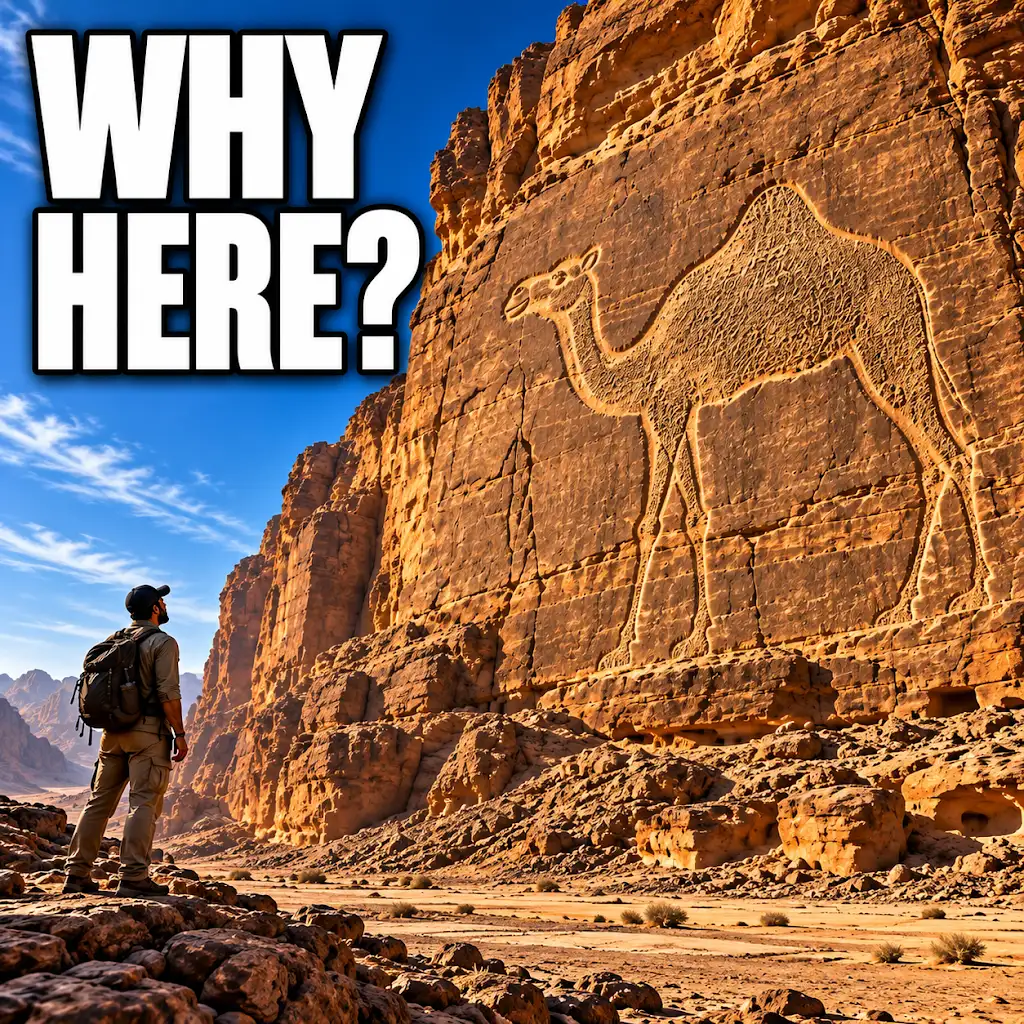
Why Were Giant Camels Carved Above the Desert?
FAQs
What is sandstone?
Sandstone is a sedimentary rock composed of sand-sized grains of mineral, rock, or organic material. It is often used in construction and art due to its durability and ease of carving.
Where were the ancient animal carvings in sandstone discovered?
The ancient animal carvings in sandstone were discovered in a remote cave in a mountainous region, hidden from view and protected from the elements for centuries.
What animals are depicted in the ancient carvings?
The ancient carvings depict a variety of animals, including bison, deer, wolves, and birds. These carvings provide valuable insights into the wildlife that existed during ancient times.
Who created the ancient animal carvings in sandstone?
The creators of the ancient animal carvings in sandstone are believed to be early human inhabitants of the region, who used primitive tools to carve the intricate designs into the rock surface.
What is the significance of the ancient animal carvings in sandstone?
The ancient animal carvings in sandstone are significant as they provide a glimpse into the artistic and cultural practices of ancient civilizations. They also offer valuable information about the wildlife and environment of the region during ancient times.