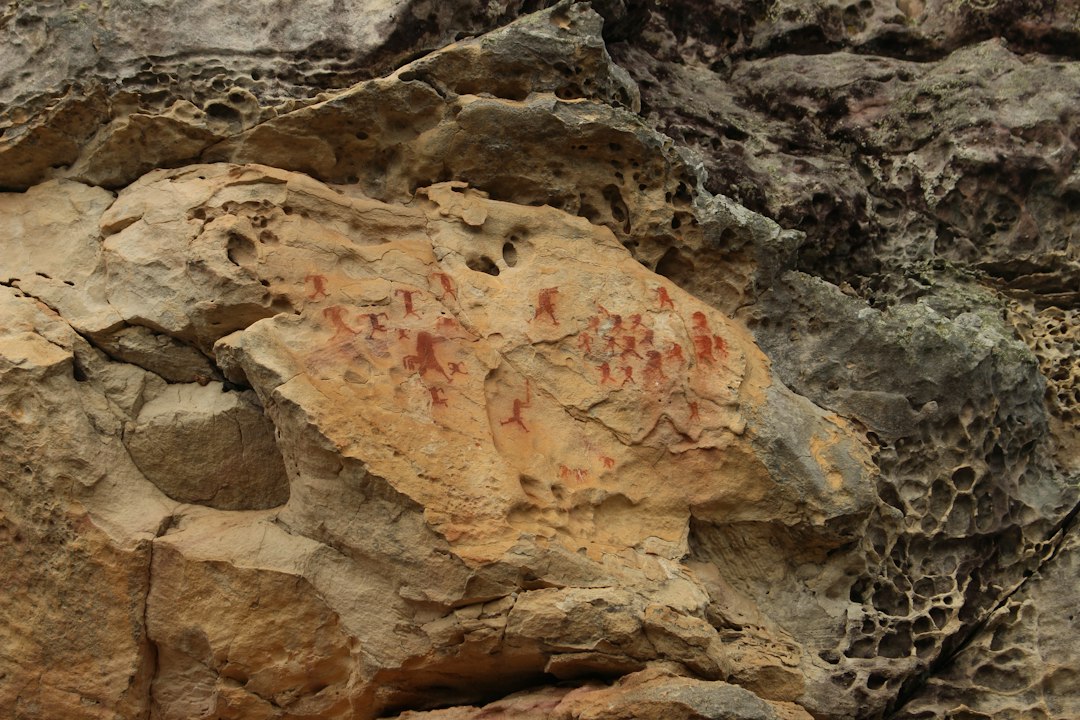
The faint scratches on ancient rock surfaces, often overlooked by the casual observer, are gradually yielding their secrets, revealing a profound depth of human creativity and cognitive ability far earlier than previously assumed. These early Holocene rock engravings, dating back as far as 12,000 years ago, offer a tangible connection to our distant ancestors, painting a picture of a world not just of survival, but of symbolic thought, artistic expression, and complex communication. The emergence of these sophisticated markings during the Early Holocene, a period of significant environmental and societal change following the last Ice Age, is prompting a re-evaluation of when and how humans began to truly express themselves beyond purely utilitarian needs.
The study of these ancient petroglyphs is a multidisciplinary endeavor, drawing on archaeology, geology, art history, and paleoanthropology. The techniques employed to create these engravings vary, from pecking and abrading to scratching and incising, depending on the rock type and the tools available. The interpretation of their meaning is even more complex, often relying on contextual clues, ethnographic parallels, and the intrinsic patterns within the engravings themselves. Yet, despite the inherent challenges, the ongoing discoveries are consistently demonstrating that the human capacity for abstract thought and artistic representation is a far older phenomenon than many had believed.
Echoes from a Transforming World: The Early Holocene Context
The Early Holocene epoch, roughly spanning from 12,000 to 8,000 years before present, was a pivotal period in human history. It marked the end of the Pleistocene glaciation and the beginning of a warmer, more stable climate. This environmental shift led to profound changes in landscapes, flora, and fauna, and consequently, in human subsistence strategies and social structures. As glaciers receded, new territories opened up, and existing ones transformed. This dynamism likely spurred innovation and adaptation, creating a fertile ground for the development of more complex cultural practices, including the nascent forms of art that would become evident in rock engravings.
Shifting Landscapes and New Horizons
The retreat of the ice sheets drastically altered the global environment. Vast areas, once locked in ice, became habitable, offering new resources and opportunities for human migration and settlement. Forests began to expand, and new ecosystems emerged, supporting different animal populations. This geographical and ecological transformation presented both challenges and possibilities. Humans, as adaptable beings, responded by developing new hunting techniques, foraging strategies, and perhaps even more sophisticated forms of social organization to manage these changing landscapes. The availability of new rock surfaces in these newly accessible or transformed environments may have also provided a canvas for burgeoning artistic impulses.
The Dawn of Sedentism and Social Complexity
While hunter-gatherer lifestyles predominated, the Early Holocene also witnessed the tentative beginnings of more settled or semi-sedentary communities in certain regions. The increased predictability of resources in some environments, coupled with developing technologies like polished stone tools and early pottery in some areas, allowed for longer stays in particular locations. This shift towards greater sedentism, even if not full-blown agriculture, can foster the development of more complex social structures, with increased emphasis on shared knowledge, rituals, and symbolic representation. Rock art, whether for mnemonic purposes, spiritual expression, or territorial marking, can play a crucial role in solidifying these emerging social bonds and cultural identities. The engravings are not isolated acts of individual expression but are often found in communal spaces or along significant routes, suggesting a social dimension to their creation and viewing.
Early Holocene rock engravings provide a fascinating glimpse into the lives and beliefs of prehistoric societies. These ancient artworks, often depicting animals and human figures, serve as a testament to the creativity and cultural expression of our ancestors. For those interested in exploring more about ancient civilizations and their remarkable achievements, a related article can be found at Unearthing Ancient Cities: The Pneumatic Foundations, which delves into the innovative construction techniques used by early societies and their impact on urban development.
The Unveiling of Ancient Artistic Intent: Decoding the Engravings
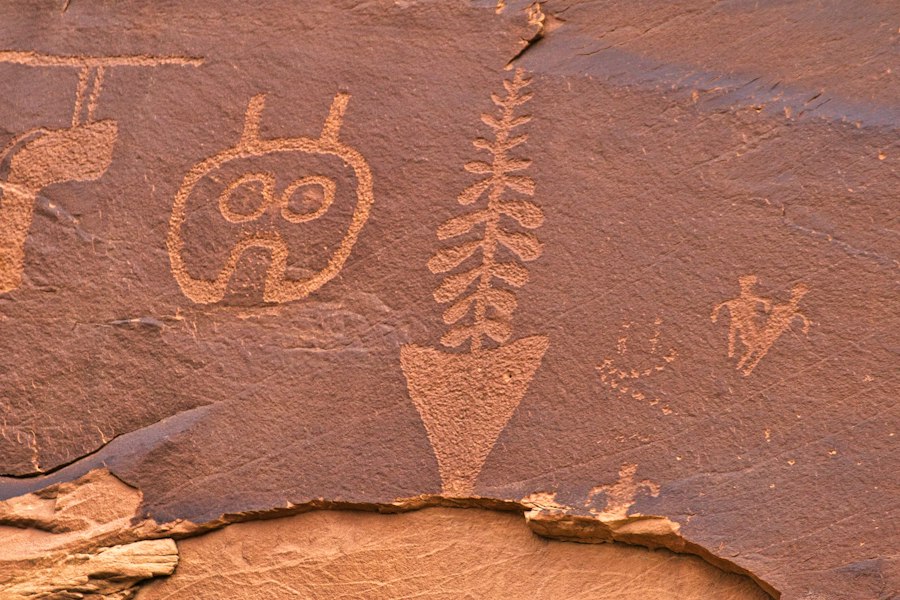
The petroglyphs of the Early Holocene are not simply random marks; they represent deliberate acts of creation imbued with meaning, however elusive that meaning may be to modern observers. The diverse array of motifs, from zoomorphic representations to geometric patterns, suggests a rich symbolic language that reflected the beliefs, experiences, and perceptions of these ancient peoples. Understanding the artistry behind these engravings requires delving into the techniques employed, the materials used, and the potential cognitive processes that drove their creation.
Mastery of the Medium: Techniques and Tools
The creation of rock engravings demanded a specific set of skills and the utilization of appropriate tools. Archeological evidence, combined with experimental archaeology, helps us understand how these ancient artists worked. The most common techniques involved the direct manipulation of the rock surface. Pecking, for instance, was achieved by repeatedly striking the rock with a harder stone tool, gradually creating depressions that formed the desired image. Abrasion involved rubbing a sharp stone against the rock face, creating linear or broader marks. Scratching and incising, often used for finer details, employed pointed tools to score the rock. The choice of technique was often dictated by the type of rock. Softer sandstones or tuffs were more amenable to scratching and incising, while harder igneous rocks might require more forceful pecking or grinding. The effectiveness of these techniques indicates a learned craftsmanship, passed down through generations, and a deep understanding of the properties of different stone types.
A Palette of Forms: Motifs and Symbolism
The visual repertoire of early Holocene rock engravings is remarkably diverse. While regional variations exist, certain recurring themes emerge. Zoomorphic representations are common, depicting animals that were significant to the lives of these ancient peoples – prey animals, predators, or animals with symbolic importance in their belief systems. These are not always naturalistic; they can be stylized, abstract, or even anthropomorphic, blending human and animal features. Geometric patterns, such as lines, dots, circles, and zigzags, are also prevalent. The meaning of these geometric forms is particularly challenging to decipher. They could represent abstract concepts, cosmological ideas, celestial bodies, or even maps of important locations or migratory routes. The repetition and arrangement of these motifs often suggest a narrative or a system of communication. Some scholars propose that these patterns could have served as mnemonic devices, helping to recall stories, genealogies, or spiritual teachings. The careful composition and intentionality behind these designs underscore a sophisticated level of abstract thought and symbolic reasoning.
The Cognitive Landscape: Imagination and Meaning-Making
The very act of creating abstract or representational art on durable surfaces implies a cognitive capacity for imagination, memory, and the creation of meaning beyond immediate sensory experience. Early Holocene artists were not merely mimicking their surroundings; they were interpreting them, imbuing them with significance. The engravings suggest a capacity for self-awareness, for reflecting on their place in the world, and for communicating these reflections to others. The choice to permanently mark a rock face indicates a desire to leave a lasting legacy, to transmit knowledge or beliefs across time. This act of inscription is a profound testament to the human drive to understand, to express, and to connect. It speaks to a mind capable of abstract thought, of conceptualization, and of the generation of symbolic systems that went far beyond the practical necessities of survival.
Global Dispersal and Local Expressions: A World of Engravings
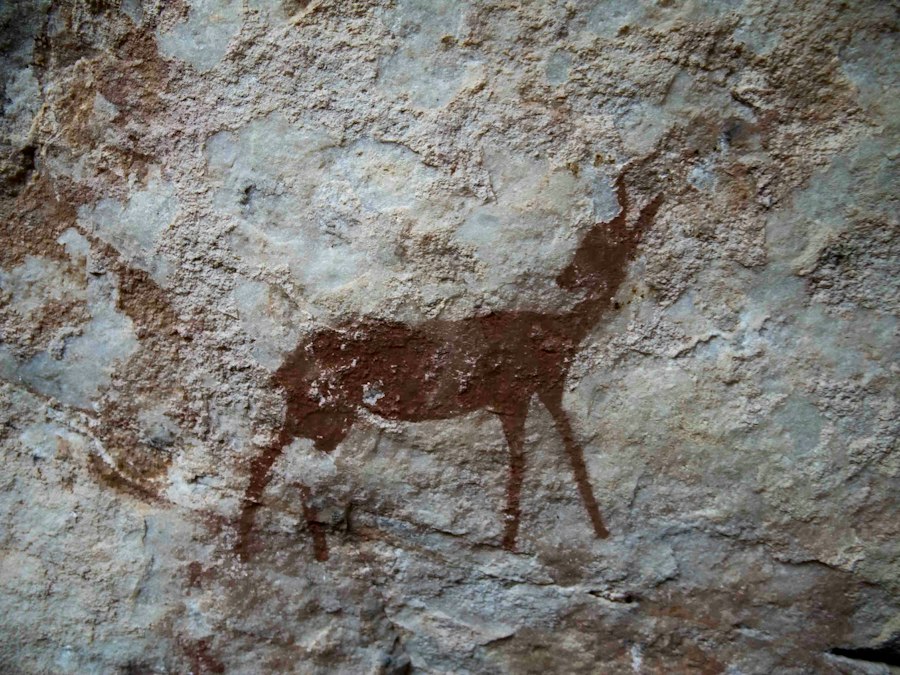
The phenomenon of early Holocene rock engraving is not confined to a single geographical location but appears across continents, albeit with distinct regional characteristics. This widespread emergence suggests that the cognitive and cultural capacities for such artistic expression were developing in parallel in different human populations as they adapted to the post-glacial world. Examining these diverse sites offers insights into the varied ways in which humans engaged with their environments and expressed their cultural identities through art.
Across Continents: The Global Reach of Early Art
From the rock shelters of the Sahara Desert to the coastal caves of Australia, and the open rock faces of the Americas, evidence of early Holocene engravings has been found. While the dating of these sites can be challenging, with many requiring meticulous geological and archaeological analysis, a growing number of them are firmly placed within this crucial period. The presence of similar artistic conventions or thematic similarities across vast distances can be indicative of either early human migration and the spread of cultural traditions or independent, convergent evolution of artistic expression driven by shared human cognitive capacities and environmental pressures. Regardless of the precise mechanisms of dispersal, the global distribution of these ancient markings highlights a fundamental aspect of human behavior that transcended geographical boundaries.
Regional Styles and Cultural Signatures
Despite the global presence, early Holocene rock engravings exhibit considerable regional diversity. The specific motifs, techniques, and rock types used vary significantly from one area to another. For instance, engravings in arid regions might focus on desert fauna and water sources, while those in more temperate zones might depict different animal species or more abstract, nature-inspired patterns. These regional variations are not merely stylistic quirks; they are likely reflections of distinct cultural identities, local mythologies, spiritual beliefs, and ecological knowledge systems. The study of these localized styles allows archaeologists to identify distinct cultural groups, track their movements and interactions, and understand the unique ways in which they perceived and interacted with their specific environments. The patterns and symbols within a particular region can act as a unique cultural signature, a fingerprint left by a specific community on the landscape.
Dating Challenges and Methodological Advancements
Pinpointing the exact age of rock engravings can be a complex undertaking. Unlike organic materials that can be radiocarbon dated, the rock itself is generally too old. Therefore, archaeologists rely on indirect dating methods. These include dating associated archaeological deposits found in the vicinity of the engravings, such as layers of sediment containing artifacts or hearths, or dating geological formations that have been engraved. Techniques like optically stimulated luminescence (OSL) dating, which dates sediments buried beneath or around the engravings, and cosmogenic nuclide dating, which can date the exposure of rock surfaces, are increasingly being employed. Advancements in these dating methodologies are crucial for firmly establishing the Early Holocene antiquity of many sites and for building a more accurate chronology of the development of rock art traditions worldwide.
Beyond Survival: The Social and Spiritual Dimensions of Engravings
The creation of rock engravings during the Early Holocene suggests a human society that had moved beyond purely utilitarian concerns for survival. These markings imply a rich inner life, a need for communal expression, and a desire to connect with the spiritual or supernatural realms. The social and spiritual dimensions of these engravings offer a window into the nascent development of human culture and belief systems.
Narratives in Stone: Communication and Knowledge Transmission
Rock engravings likely served as a powerful tool for communication and the transmission of knowledge across generations. In societies without written language, these durable images provided a means to record important events, map territories, depict significant animal migrations, or illustrate crucial survival strategies. The recurring motifs and structured arrangements within the engravings may have encoded complex information that could be deciphered by those familiar with the cultural context. This visual storytelling would have been particularly vital for transmitting knowledge about the natural world, social customs, and spiritual beliefs to younger generations, ensuring the continuity of cultural practices and traditions. The placement of some engravings in prominent or accessible locations further supports their role in public communication.
Sacred Spaces and Ritual Practices
Many rock art sites are situated in locations that appear to have held special significance. They might be found in caves, on prominent rock outcrops, or near important water sources. These locations may have been considered sacred spaces, used for rituals, ceremonies, or spiritual gatherings. The images themselves could have been integral to these practices, serving as focal points for meditation, shamanic journeys, or as representations of deities or spirits. The act of creating or interacting with the engravings could have been a form of religious expression, a way to connect with the unseen world and to ensure the favor of the spiritual forces that governed their lives. The interpretation of these sites as sacred spaces is often supported by ethnographic parallels from more recent indigenous cultures that have maintained traditions of rock art.
Identity and Belonging: Marking Territory and Community
Rock engravings could also have played a role in establishing and reinforcing group identity and territorial claims. By marking specific rocks or rock faces with distinctive symbols or imagery, a community could assert its presence and claim ownership of a particular area. These markings would serve as visible signifiers of belonging, reminding members of their shared history and connection to the land. They could also act as boundary markers, indicating the limits of a group’s territory or highlighting important routes and resources. The shared creation and interpretation of these art forms would have fostered a sense of collective identity and social cohesion, strengthening the bonds within the community.
Recent discoveries in early Holocene rock engravings have shed light on the artistic expressions of ancient cultures, revealing their connection to the environment and their daily lives. These engravings, often found in remote locations, provide valuable insights into the social and spiritual practices of the time. For those interested in exploring similar themes of ancient human activity and its impact on the environment, a fascinating article discusses the secrets beneath Antarctica’s ice and how they relate to our understanding of early civilizations. You can read more about it in this insightful piece.
Enduring Legacies: The Significance of Early Holocene Engravings
| Metric | Value | Description |
|---|---|---|
| Time Period | 11,700 – 8,200 years ago | Early Holocene epoch timeframe |
| Common Locations | North Africa, Australia, Europe | Regions where early Holocene rock engravings are frequently found |
| Engraving Techniques | Pecking, Incising, Abrading | Methods used to create rock engravings |
| Typical Subjects | Animals, Human Figures, Abstract Symbols | Common motifs depicted in engravings |
| Estimated Number of Sites | Several hundred | Known archaeological sites with early Holocene engravings |
| Preservation State | Variable | Depends on environmental exposure and human activity |
| Significance | Cultural and Historical Insight | Provides information on early human symbolic behavior and environment |
The study of early Holocene rock engravings is not merely an academic pursuit; it provides profound insights into the very essence of what it means to be human. These ancient markings are tangible evidence of our ancestors’ capacity for abstract thought, artistic creativity, and complex social and spiritual lives, challenging previous assumptions about the timeline of human cognitive and cultural development. Their enduring legacy continues to resonate, offering a humbling perspective on the deep roots of human ingenuity.
Rewriting the Timeline of Human Creativity
The most significant impact of discovering and accurately dating early Holocene rock engravings is their potential to fundamentally rewrite our understanding of when complex human creativity and symbolic thought emerged. Previously, sophisticated forms of art and symbolic behavior were often associated with later periods, particularly the Upper Paleolithic. However, the growing body of evidence for detailed and meaningful engravings dating back to the Early Holocene suggests that these capacities were present much earlier, developing alongside the significant environmental and societal shifts that characterized this epoch. This pushes back the timeline for the emergence of what we consider hallmarks of advanced human cognition, suggesting a more continuous and ancient trajectory of creative and symbolic expression.
A Window into the Ancient Human Mind
These engravings offer an unparalleled window into the minds of our distant ancestors. They reveal a capacity for imagination, observation, and abstract thinking that goes far beyond simple survival instincts. The choices of motifs, their arrangement, and the very act of inscribing them on durable surfaces speak to a complex inner world, a desire to understand, communicate, and leave a lasting mark. By studying these engravings, we can begin to piece together the cognitive architecture of early humans, appreciating their ability to conceptualize, symbolize, and imbue their world with meaning. This offers a profound connection to our shared human heritage, demonstrating a continuity of creative impulse that spans millennia.
Preserving a Priceless Heritage for Future Generations
The preservation of early Holocene rock engraving sites is of paramount importance. These sites are fragile and vulnerable to both natural erosion and human impact. Their destruction would mean the irreversible loss of invaluable information about our past. Continued research, coupled with robust conservation efforts, is essential to ensure that these ancient testimonies to human creativity can be studied, appreciated, and understood by future generations. The ongoing exploration and interpretation of these engravings are not just about uncovering the past but about enriching our understanding of the human journey and the enduring power of creativity that has defined us from our earliest beginnings.

Why Were Giant Camels Carved Above the Desert?
FAQs
What is the significance of early Holocene rock engravings?
Early Holocene rock engravings provide valuable insights into the beliefs, practices, and daily lives of ancient cultures. They offer a glimpse into the artistic expressions and cultural heritage of early human societies.
Where are early Holocene rock engravings commonly found?
Early Holocene rock engravings are often found in various regions around the world, including Australia, Africa, Europe, and the Americas. They can be located in caves, rock shelters, cliffs, and other natural formations.
How were early Holocene rock engravings created?
Early Holocene rock engravings were typically created by using sharp tools to carve or scratch images onto the surface of rocks. These engravings could depict animals, humans, symbols, or abstract designs, and were often made by skilled artisans or members of the community.
What themes are commonly depicted in early Holocene rock engravings?
Common themes depicted in early Holocene rock engravings include hunting scenes, religious or spiritual symbols, rituals, and everyday activities. These engravings provide a window into the cultural practices and beliefs of ancient societies.
How do researchers study and preserve early Holocene rock engravings?
Researchers study early Holocene rock engravings through techniques such as photogrammetry, laser scanning, and documentation of the engravings. To preserve these ancient artworks, conservation efforts may include monitoring environmental conditions, implementing protective measures, and raising awareness about the importance of safeguarding these cultural treasures.