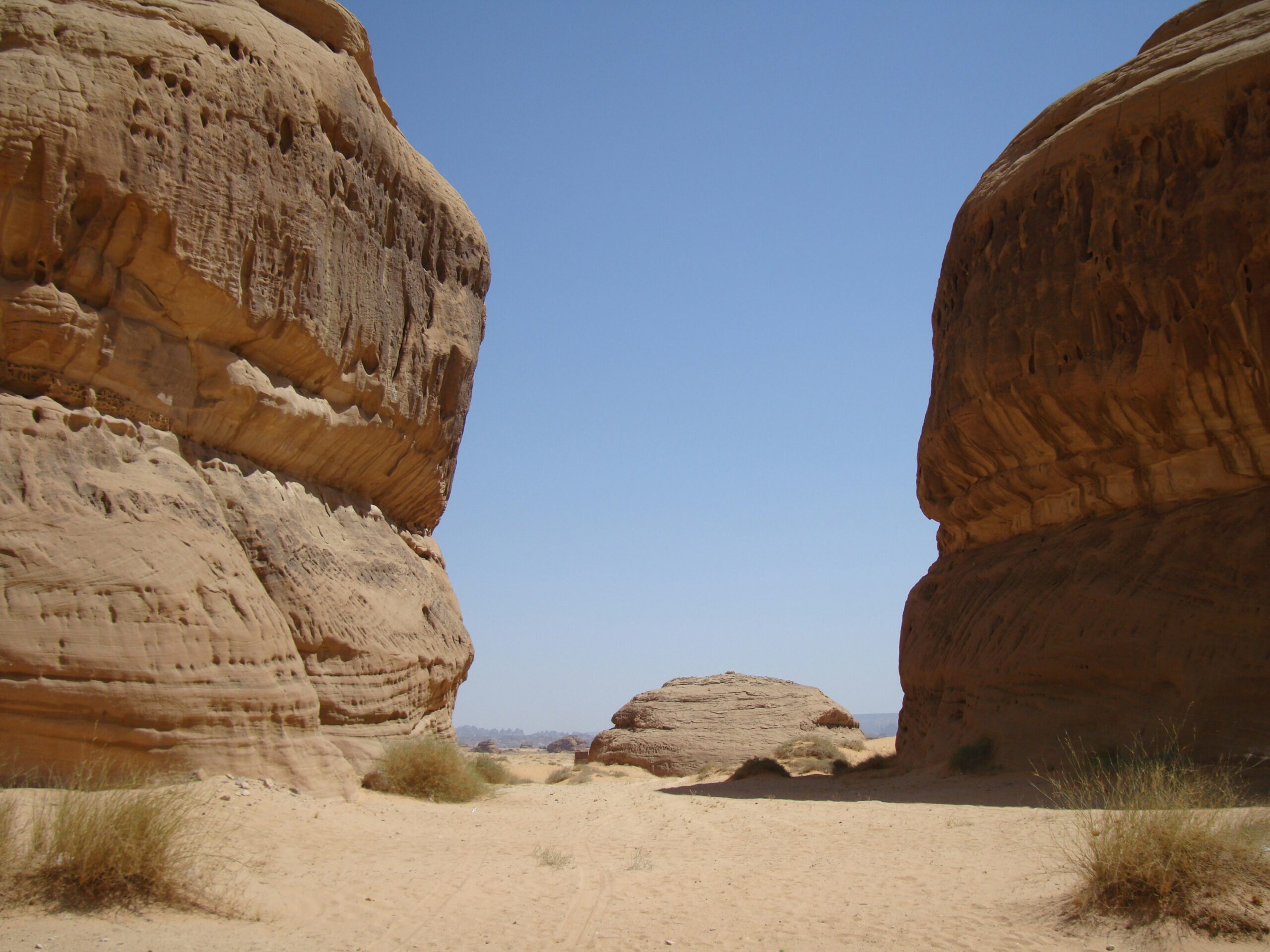
The vast and ancient landscapes of Saudi Arabia hold a profound connection to the dawn of human civilization, a narrative etched in stone and sculpted by time. For millennia, this land served as a crossroads of empires, a cradle of early trade routes, and a witness to the rise and fall of sophisticated societies. Today, it is an archaeological treasure trove, offering a tangible link to a past that has long shaped the course of human history. Exploring Saudi Arabia’s top archaeological sites is not merely a journey through ruins; it is an immersion into the very foundations of our collective story, a chance to unearth the whispers of civilizations that once thrived under its sun-drenched skies.
Whispers from the Sands: Early Human Presence and Ancient Civilizations
The history of Saudi Arabia stretches back to the Paleolithic era, with evidence of early human migration and settlement scattered across its diverse terrain. From the Rub’ al Khali, the vast desert known as the Empty Quarter, to the fertile valleys and coastal regions, archaeologists have uncovered artifacts and sites that speak of hunter-gatherer communities and the gradual development of more complex social structures. These early inhabitants navigated challenging environments, leaving behind tools, rock art, and evidence of their daily lives, painting a picture of resilience and adaptation in the face of harsh conditions.
The Dawn of Agriculture and Early Settlements
As the world transitioned into the Neolithic period, settled communities began to emerge in parts of what is now Saudi Arabia. Evidence suggests the development of early agricultural practices, the domestication of animals, and the construction of more permanent dwellings. These nascent settlements laid the groundwork for the more prominent civilizations that would later flourish in the region, demonstrating a growing mastery over their environment and a capacity for sustained societal organization. The transition from nomadic lifestyles to settled agriculture marked a pivotal moment in human history, and Saudi Arabia bears witness to this transformative period.
Rock Art: A Visual Chronicle of the Past
Across Saudi Arabia, ancient rock art sites offer an unparalleled glimpse into the beliefs, daily lives, and artistic expressions of early peoples. These carvings and paintings, adorning the surfaces of cliffs and rock shelters, depict a rich tapestry of scenes: hunting expeditions, domesticated animals, human figures, and abstract symbols. The sheer volume and diversity of these artworks, found in locations like Jubbah and Shuwaymis, provide invaluable insights into the cultural practices, mythologies, and environmental interactions of prehistoric inhabitants. They serve as a visual archive, a testament to the enduring human need to communicate and to leave a mark on the world.
Recent discoveries in Saudi Arabian archaeological sites have shed light on the region’s rich history and cultural heritage. Among these findings, the unearthing of ancient inscriptions and artifacts has sparked interest in understanding the lives of early civilizations in the Arabian Peninsula. For a deeper exploration of ancient writings and their significance, you can read the article on the secrets of hidden writings at Unveiling Ancient Scribe Secrets: Hidden Writings. This article delves into the importance of these inscriptions and how they contribute to our knowledge of the past.
The Arabian Peninsula’s Grand Empires: Trade, Culture, and Legacy

Beyond the prehistoric era, Saudi Arabia played a central role in the development of some of the ancient world’s most influential empires and kingdoms. Its strategic location at the crossroads of major trade routes, connecting the Mediterranean, Africa, and Asia, fostered immense wealth and cultural exchange. These kingdoms left behind impressive architectural remains, intricate inscriptions, and a legacy that continues to resonate in the region’s identity and history.
Nabataean Majesty: Petra’s Gateway to Al-Hijr
While the famed city of Petra lies in modern-day Jordan, its prosperous sister city, Al-Hijr (also known as Mada’in Saleh), stands as Saudi Arabia’s most iconic Nabataean site. Carved directly into sandstone cliffs, the monumental tombs of Al-Hijr are a breathtaking testament to the Nabataeans’ architectural prowess and their sophisticated understanding of engineering and artistry. These elaborate façades, influenced by Hellenistic and Roman styles, served as final resting places for Nabataean royalty and elite, showcasing their wealth and power derived from controlling vital incense and spice trade routes. The sheer scale and preservation of these structures make Al-Hijr a UNESCO World Heritage site and a must-see destination for anyone interested in ancient civilizations.
The Kingdom of Dilmun: A Bronze Age Powerhouse
The ancient kingdom of Dilmun, which encompassed parts of eastern Saudi Arabia, Bahrain, and Qatar, was a significant maritime and trading power during the Bronze Age. Archaeological evidence, particularly from sites like Qasr Al-Bahrain in the Eastern Province, reveals a sophisticated society with a complex urban structure, advanced irrigation systems, and extensive trade networks. Dilmun was renowned for its copper trade and its role as a vital intermediary between Mesopotamia and the Indus Valley. Excavations have unearthed pottery, seals, and architectural remains that highlight Dilmun’s prosperity and its crucial position in the ancient global economy.
The Incense Route Kingdoms: Wealth and Influence
The Arabian Peninsula was the heartland of the lucrative incense trade, with kingdoms like Dedan and Lihyan flourishing due to their control over the routes that transported frankincense and myrrh. The archaeological site of Al-Ula, home to the ancient city of Dedan and the rock-hewn city of Hegra (distinct from the Nabataean Al-Hijr), offers a glimpse into these powerful kingdoms. Dedan was a prosperous trading center, evidenced by its elaborate tombs and inscriptions, while Lihyanite settlements reveal their adaptation to the desert environment and their participation in regional trade. The remnants of these kingdoms speak to the immense wealth generated by the incense trade and the cultural sophistication that developed in its wake.
Islamic Heritage: Faith, Architecture, and Enduring Influence

The advent of Islam in the 7th century CE marked a profound shift in the history and identity of Saudi Arabia, which became the birthplace of the religion and home to its holiest sites. The subsequent Islamic empires left an indelible mark on the landscape, with magnificent mosques, palaces, and cities reflecting the evolving architectural styles and artistic expressions of the Islamic world. Exploring these sites offers a journey through centuries of faith, cultural development, and political influence.
The Sacred Heart: Makkah and Madinah
The cities of Makkah and Madinah are the spiritual epicenters of Islam and hold unparalleled historical and religious significance. Makkah, home to the Kaaba and the Grand Mosque, is the destination of the annual Hajj pilgrimage, drawing millions of Muslims from around the globe. While the current structures are the result of continuous development over centuries, the historical roots of these sacred sites are deeply embedded in Islamic tradition. Madinah, the city where Prophet Muhammad (peace be upon him) migrated and established the first Muslim community, houses his tomb and the Prophet’s Mosque, another site of immense veneration and historical importance. These cities represent the enduring power of faith and the foundational narrative of Islam.
Early Islamic Cities and Architectural Marvels
Beyond the holy cities, numerous other sites across Saudi Arabia bear witness to the early expansion and flourishing of Islamic civilization. The ruins of ancient cities and settlements, such as those found in the region of Najran, reveal early Islamic architectural styles, including mosques, fortifications, and residential areas. The influence of Abbasid and Umayyad architectural trends can be seen in the remnants of palaces and administrative centers. These sites, often overlooked in favor of more ancient eras, provide crucial context for understanding the development of Islamic art, urban planning, and societal organization during the formative centuries of the religion.
Petra’s Legacy: A Cross-Cultural Exchange
While Petra in Jordan is the more famous Nabataean city, Saudi Arabia’s own Nabataean sites, particularly Al-Hijr (Mada’in Saleh), demonstrate the extensive reach and influence of this remarkable civilization. The architectural styles at Al-Hijr show a clear adoption and adaptation of Hellenistic and Roman influences, indicating a sophisticated engagement with the wider world. This cultural exchange highlights the Nabataeans’ ability to absorb and integrate foreign artistic and architectural ideas, creating a unique and enduring legacy. The presence of both Nabataean and later Islamic layers at sites like Al-Ula further underscores the long and complex history of human settlement and cultural evolution in the region.
Modern Discoveries and the Future of Saudi Archaeology
The ongoing exploration of Saudi Arabia’s archaeological heritage is a dynamic and evolving field. New discoveries are continually being made, challenging existing narratives and deepening our understanding of the region’s past. The Saudi government, through initiatives like the Ministry of Culture and the Saudi Commission for Tourism and National Heritage, is increasingly investing in archaeological research, preservation, and the development of world-class museums and heritage sites, positioning Saudi Arabia as a significant destination for historical and cultural tourism.
The Expanding Reach of Excavation and Research
Archaeological teams from Saudi Arabia and international institutions are actively engaged in excavations across the Kingdom. From the vast expanses of the Rub’ al Khali, where surveys have revealed evidence of ancient human activity and potential lost settlements, to the Red Sea coast, where maritime archaeology is uncovering shipwrecks and coastal settlements, the scope of research is continually expanding. Advanced technologies, including satellite imagery, lidar scanning, and ground-penetrating radar, are playing an increasingly vital role in identifying and surveying potential archaeological sites with greater efficiency and precision.
Technological Innovations in Archaeological Exploration
The application of modern technology is revolutionizing archaeological fieldwork in Saudi Arabia. Drones are used for aerial photography and mapping, providing detailed topographical data and identifying subtle features invisible from the ground. Geomagnetic surveys help detect buried structures and artifacts. 3D modeling and virtual reality are being employed to reconstruct ancient sites and artifacts, making them accessible to a wider audience and aiding in preservation efforts. These technological advancements not only enhance the efficiency of excavation but also provide new ways to analyze, interpret, and present archaeological findings, offering fresh perspectives on the past.
The Vision for Heritage Tourism and Preservation
Saudi Arabia is embarking on an ambitious plan to transform its rich archaeological heritage into a cornerstone of its burgeoning tourism sector. The development of Al-Ula into a premier heritage destination, showcasing its Nabataean and Lihyanite past alongside contemporary art and cultural experiences, is a prime example of this vision. The Kingdom is investing in the preservation of its UNESCO World Heritage sites, such as Al-Hijr and historic Jeddah, and is committed to developing state-of-the-art museums to house and display its vast archaeological collections. This focus on heritage tourism aims to not only attract international visitors but also to foster a deeper appreciation for the Kingdom’s long and storied history among its own citizens, ensuring the preservation of these invaluable cultural assets for future generations.
Saudi Arabia is home to a wealth of archaeological sites that reveal the rich history and cultural heritage of the region. Among these sites, Al-Ula stands out with its stunning rock formations and ancient tombs, attracting researchers and tourists alike. For those interested in the broader implications of historical narratives, a related article discusses the impact of government policies on heritage sites and their preservation. You can read more about this topic in the article on asset confiscation, which highlights the importance of safeguarding cultural treasures. For further insights, visit this link.
A Journey Through Time: Unveiling Saudi Arabia’s Rich Tapestry
| Site Name | Location | Period | Significance | Area (sq km) | UNESCO Status |
|---|---|---|---|---|---|
| Al-Ula (Madain Salih) | Al Madinah Region | 1st century BCE – 1st century CE | Ancient Nabatean city with rock-cut tombs | 15 | World Heritage Site (2008) |
| Diriyah | Riyadh Region | 15th – 18th century | Original home of the Saudi royal family and capital of the first Saudi state | 7 | World Heritage Site (2010) |
| Jubbah | Ha’il Region | Neolithic Period (approx. 10,000 years ago) | Rock art and petroglyphs | 5 | World Heritage Site (2015) |
| Al-Hijr Archaeological Site | Al Madinah Region | 1st century BCE – 1st century CE | Well-preserved Nabatean tombs and inscriptions | 12 | World Heritage Site (2008) |
| Qaryat al-Faw | Riyadh Region | 4th century BCE – 4th century CE | Ancient trading city and capital of the Kindah kingdom | 8 | Not Listed |
Saudi Arabia’s archaeological sites are more than just remnants of bygone eras; they are living testaments to the ingenuity, resilience, and cultural dynamism of the peoples who have called this land home for millennia. From the earliest traces of human presence etched in rock art to the monumental tombs of the Nabataeans, the thriving trade centers of Dilmun, and the sacred spaces of Islam, each site offers a unique chapter in the grand narrative of human history.
The Significance of Saudi Arabia’s Archaeological Treasures
The historical and archaeological significance of Saudi Arabia cannot be overstated. Its location at the nexus of ancient trade routes made it a melting pot of cultures, ideas, and innovations. The discoveries made here have reshaped our understanding of early human migration, the development of complex societies, the rise and fall of powerful kingdoms, and the spread of major religions. These sites provide tangible evidence of the interconnectedness of the ancient world and the profound impact that this region has had on global history and civilization. They offer a window into the diverse tapestry of human experience, demonstrating the universal quest for knowledge, belief, and connection.
Experiencing the Past: A Visitor’s Perspective
For visitors, exploring Saudi Arabia’s archaeological sites is an immersive and transformative experience. Walking through the ancient city of Hegra, marveling at the intricate carvings of its tombs, or standing within the sacred precincts of Madinah offers a profound connection to the past. The sheer scale and grandeur of these sites evoke a sense of awe and wonder, transporting visitors back in time. The rich narratives woven through these landscapes encourage reflection on the enduring themes of human ambition, faith, and the cyclical nature of civilization. Each stone, inscription, and ruin tells a story, inviting exploration and contemplation.
The Future of Saudi Arabia’s Heritage Narrative
As Saudi Arabia continues to unveil its archaeological riches, its heritage narrative is poised to become even more compelling and comprehensive. The ongoing research, coupled with a growing commitment to preservation and accessibility, promises to deepen our understanding of this ancient land and its pivotal role in shaping the course of human civilization. The Kingdom is not merely preserving its past; it is actively engaging with it, weaving its historical legacy into the fabric of its modern identity and offering the world an unparalleled opportunity to explore the depths of human history. The journey to unearth Saudi Arabia’s past is far from over, with countless stories still waiting to be discovered beneath its sands.
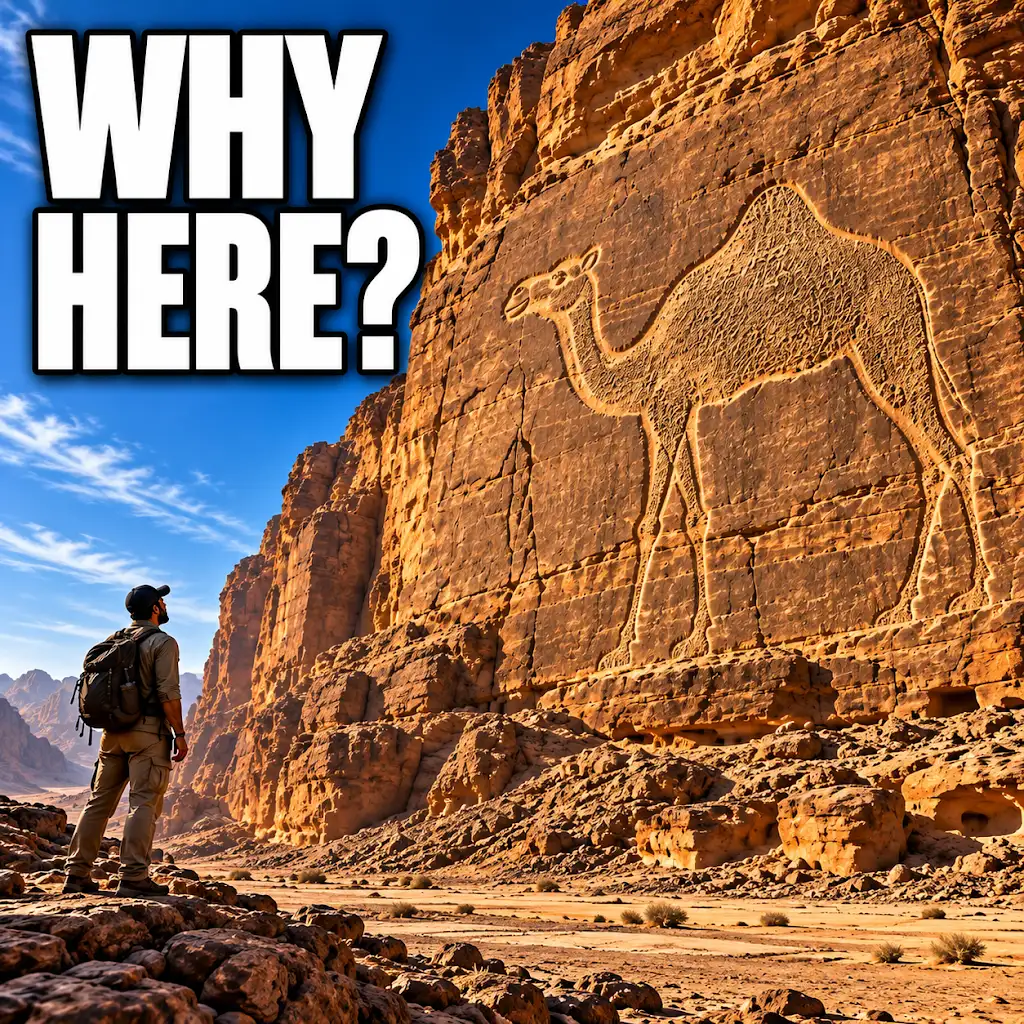
Why Were Giant Camels Carved Above the Desert?
FAQs
What are some famous archaeological sites in Saudi Arabia?
Some famous archaeological sites in Saudi Arabia include Mada’in Saleh, Al-Ula, Diriyah, Qaryat al-Faw, and Tayma.
What is Mada’in Saleh and why is it significant?
Mada’in Saleh is an archaeological site located in the Al-Ula sector, and it is famous for its well-preserved Nabatean tombs and rock-cut architecture similar to Petra in Jordan. It is a UNESCO World Heritage Site.
What can visitors expect to see at the archaeological site of Al-Ula?
Visitors to Al-Ula can expect to see ancient tombs, rock art, inscriptions, and remnants of civilizations that date back thousands of years. The site also features the famous Elephant Rock formation.
Why is Diriyah considered an important archaeological site in Saudi Arabia?
Diriyah is considered important as it was the original home of the Saudi royal family and the first capital of the First Saudi State. The site includes historic mud-brick structures, palaces, and fortresses.
What is the significance of Qaryat al-Faw and Tayma in Saudi Arabian archaeology?
Qaryat al-Faw is known for its ancient ruins and artifacts dating back to the pre-Islamic period, while Tayma is an important archaeological site with historical significance due to its mention in ancient texts and inscriptions.