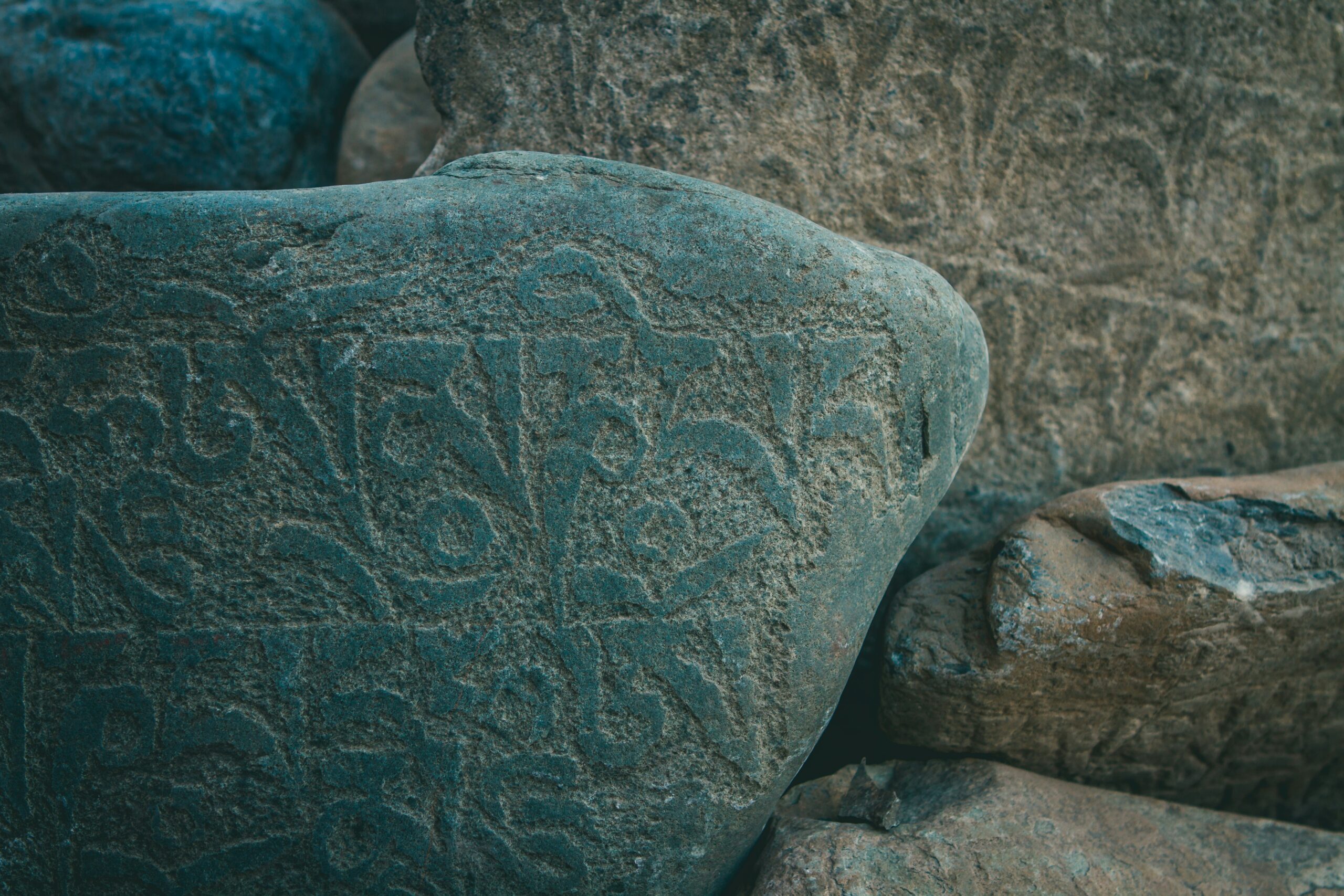
The whisper of millennia often goes unheard amidst the clamor of the present, yet sometimes, the earth yields its secrets, revealing echoes of lives lived eons ago. Such is the case with the monumental prehistoric carvings, ancient artifacts unearthed that challenge our understanding of early human ingenuity and artistic expression. These colossal works, etched into stone by hands long turned to dust, offer a tangible connection to a past so remote it feels almost mythical. They are not mere scribbles on a cave wall, but ambitious undertakings that required considerable planning, labor, and a profound understanding of their environment. The sheer scale and complexity of these carvings suggest a society with a developed social structure, shared beliefs, and a capacity for communal effort that belies the often-simplistic portrayals of prehistoric peoples.
Unveiling the Giants of the Past: The Discovery and Significance of Monumental Prehistoric Carvings
The emergence of monumental prehistoric carvings from the earth is rarely a sudden revelation. More often, it is a gradual process of discovery, pieced together through patient archaeological investigation, serendipitous encounters by local inhabitants, and sometimes, the relentless forces of nature exposing what has been hidden for millennia. These are not delicate objects easily transported to a museum display; they are intrinsically bound to their landscape, often integrated into natural rock formations, cliff faces, or vast geological features. The act of their discovery is therefore as much about understanding their context as it is about recognizing their artistic merit.
The Slow Reveal: Tracing the Path from Obscurity to Recognition
The history of recognizing these monumental carvings is as varied as the carvings themselves. In many regions, indigenous populations have long held traditional knowledge of these sites, passing down stories and oral histories that speak of their sacredness or their creation by ancestral beings. However, these accounts often lacked the empirical validation sought by modern science. It was often the dedicated work of early archaeologists and ethnographers, venturing into remote territories, that began to systematically document and study these works. These pioneers faced immense challenges: traversing difficult terrain, deciphering fragmented clues, and confronting skepticism from a scientific community perhaps more inclined to dismiss such findings as natural formations or later embellishments. The process of their formal recognition has often involved meticulous surveying, dating techniques, and comparative analysis with other known prehistoric sites. The journey from local lore or isolated observation to international archaeological significance is a testament to persistent inquiry and the gradual accumulation of evidence.
Beyond Art: Interpreting the Purpose and Meaning
The purpose behind these monumental carvings remains a subject of intense scholarly debate. While their aesthetic qualities are undeniable, it is highly improbable that they were created solely for decorative purposes. Their scale and the effort involved suggest deeper functions, likely interwoven with the spiritual, social, and practical concerns of their creators. Theories abound, ranging from astronomical observatories and territorial markers to ritualistic sites and elaborate storytelling devices. The intricate patterns, zoomorphic figures, and anthropomorphic representations found within these carvings offer tantalizing glimpses into the belief systems, cosmology, and worldview of ancient peoples. Understanding their meaning requires a multidisciplinary approach, drawing on archaeology, anthropology, art history, and even astronomy, to piece together the complex tapestry of their original purpose.
Monumental prehistoric carvings have long fascinated archaeologists and historians, offering insights into the cultures and societies that created them. One related article that explores the broader implications of ancient civilizations is titled “Mexico’s Demographic Edge: Labor Advantage,” which discusses how demographic factors have influenced the development of societies in Mexico. This piece provides context for understanding the social structures that may have supported the creation of monumental art and architecture in the region. To read more about this intriguing topic, visit Mexico’s Demographic Edge: Labor Advantage.
The Global Canvas: Diverse Forms and Geographic Distribution
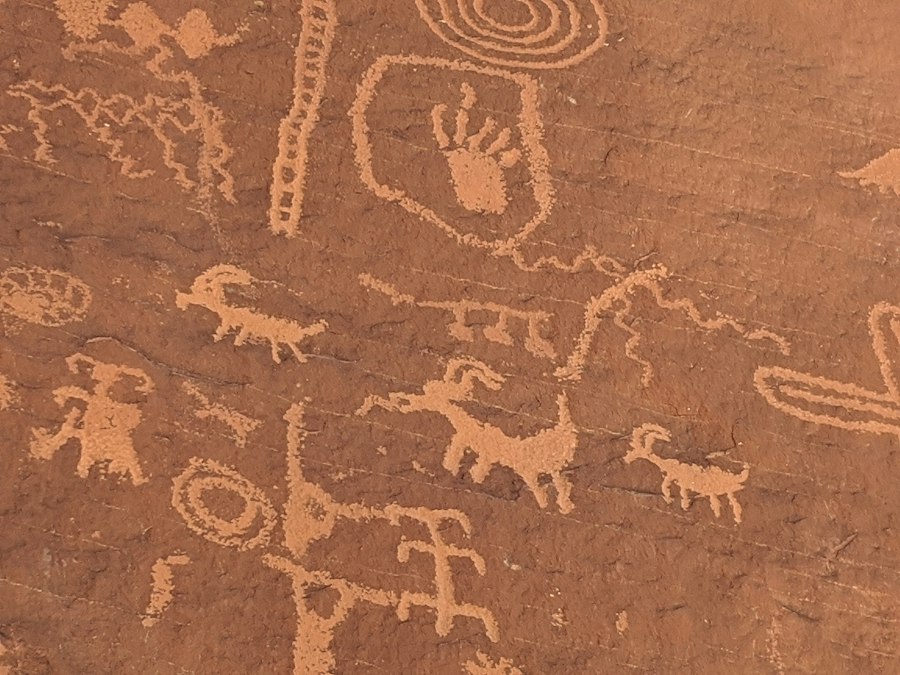
The phenomenon of monumental prehistoric carving is not confined to a single continent or culture. Evidence of these colossal artworks has been unearthed across the globe, each manifestation reflecting the unique environmental influences, cultural traditions, and technological capabilities of its respective creators. From the arid plains of the Americas to the windswept coasts of Europe, these enduring stone narratives speak a universal language of human expression, albeit in a myriad of distinct dialects. The sheer diversity in form and style underscores the independent development of complex societies across vast distances and disparate landscapes.
Echoes in Stone: Styles and Motifs Across Continents
The stylistic variations among monumental prehistoric carvings are as striking as their shared ambition. In the Americas, the Nazca Lines of Peru stand as iconic examples, vast geoglyphs etched into the desert floor, depicting animals, plants, and geometric shapes visible only from great heights. These intricate designs, some stretching for hundreds of meters, are thought to have served ritualistic or astronomical purposes. Further north, the rock art of North America, including petroglyphs and pictographs, often features abstract symbols, animal figures, and narrative scenes, carved or painted onto canyon walls and rock shelters. In Europe, sites like the Megalithic carvings of Ireland and Scotland, often found on passage tomb portals, showcase intricate spiral patterns, abstract motifs, and anthropomorphic figures, hinting at complex spiritual beliefs and funerary practices. The Paleolithic carvings found in caves across France and Spain, while not always monumental in scale, demonstrate remarkable artistic skill and symbolic representation, offering insights into the lives and imaginations of our earliest ancestors. The sheer breadth of these examples, from the abstract to the representational, from the geometric to the zoomorphic, highlights the boundless creativity of ancient humans.
Environmental Narratives: The Land as a Sculptor’s Medium
The natural environment played an indispensable role in shaping the creation and preservation of these monumental carvings. The choice of rock type, its geological properties, and the very landscape itself were integral to the artistic process. Cliff faces, desert floors, and granite outcrops became the canvases for these ancient artists. The scale of some carvings, such as those designed to be viewed from afar, suggests a keen understanding of perspective and the surrounding topography. The durability of the stone was also a crucial factor, ensuring that these works would endure the ravages of time, wind, and weather, allowing them to survive as testaments to the past. Furthermore, the location of these carvings often held significance, placed in areas of natural beauty, near water sources, or in prominent vantage points, suggesting a deep connection between the human-made art and the natural world. The land was not merely a passive substrate; it was an active partner in the creation of these enduring legacies.
Techniques of the Ancients: Crafting Enduring Art

The creation of monumental prehistoric carvings was a feat of immense technical skill and ingenuity, especially considering the limited tools and resources available to ancient peoples. The methods employed varied depending on the rock type, the desired effect, and the cultural context. These were not spontaneous acts of creation but carefully planned and executed endeavors that required a deep understanding of materials and techniques.
The Art of Etching and Sculpting: Tools and Processes
The primary methods for creating monumental prehistoric carvings can broadly be categorized into etching, incising, and relief sculpting. Etching involves abrading or scraping away the surface layer of the rock to create a visual contrast. This could be achieved using harder stones, sand, or even abrasive plant materials. Incising, on the other hand, involves cutting lines into the rock surface, often to define shapes or create detailed patterns. This would have required sharp tools made from flint, obsidian, or bone. For more elaborate carvings in relief, where figures or patterns are raised from the background, a more subtractive process would have been employed, carefully chipping away surrounding rock. The tools used were likely simple but effective: hand axes, chisels fashioned from stone or bone, and perhaps even rudimentary drills. The sheer scale of some of these works suggests the use of scaffolding or other makeshift structures to reach higher areas. The process would have been arduous and time-consuming, demanding significant physical effort and patience.
The Question of Time: Dating the Stone Narratives
Accurately dating monumental prehistoric carvings is a complex and often challenging aspect of their study. Unlike organic materials that can be radiocarbon dated, stone itself does not lend itself to such direct methods. Archaeologists often rely on indirect dating techniques, contextual evidence, and comparative analysis. One common method is stratigraphic dating, where the carving is found in association with datable artifacts or in a geological layer of known age. Another technique involves analyzing the patination or weathering of the rock surface; older carvings may exhibit a more developed layer of desert varnish or other weathering products. If the carving is part of a larger archaeological site, such as a burial mound or settlement, the dating of associated materials can provide a chronological framework. Furthermore, stylistic similarities with other dated artworks or artifacts can help to place these carvings within a broader timeline. Despite these methods, precise dating remains elusive for many sites, and the vast timescales involved mean that even a few centuries can represent a significant margin of error.
The Human Element: Societies Behind the Stone
The creation of monumental prehistoric carvings offers a profound insight into the societies that produced them. These were not the solitary pursuits of isolated individuals but rather the collective efforts of communities with shared beliefs, organizational structures, and a capacity for long-term planning. The scale and complexity of these undertakings speak volumes about their social dynamics and their understanding of their place in the world.
Collective Endeavor: Organization and Social Structure
The sheer labor required to create these monumental artworks strongly suggests a high degree of social organization and cooperation. Whether it was a communal effort for a ritualistic purpose, the territorial demarcation by a clan, or the construction of a sacred monument, such projects demanded coordinated labor, leadership, and the distribution of tasks. This implies a society with established hierarchies, communication networks, and shared goals. The ability to mobilize and sustain a workforce over extended periods for non-subsistence activities points to a level of societal development that allowed for specialization and the allocation of resources beyond immediate survival needs. These carvings can therefore be seen as tangible evidence of sophisticated social structures that facilitated large-scale, ambitious undertakings.
Legacy and Belief Systems: What the Carvings Reveal About Their Creators
The symbols, figures, and patterns etched into stone by prehistoric peoples are not merely decorative; they are windows into their belief systems, their understanding of the cosmos, and their relationship with the natural and spiritual worlds. The prevalence of animal motifs, for instance, might reflect totemic beliefs, shamanistic practices, or a deep reverence for the fauna that shared their environment. Anthropomorphic figures could represent deities, ancestral spirits, or legendary heroes. Abstract geometric patterns might hold cosmological significance, representing celestial bodies, cycles of time, or fundamental principles of the universe. The deliberate placement of these carvings in specific locations, often aligned with astronomical events or natural features, further suggests a sophisticated understanding of their surroundings and a desire to integrate their art with the sacred aspects of the landscape. These monumental carvings served as a form of visual communication, transmitting knowledge, history, and spiritual tenets across generations, ensuring the continuity of their culture and their worldview.
Recent discoveries of monumental prehistoric carvings have shed light on the artistic expressions of ancient civilizations, revealing their cultural significance and the techniques used by early humans. These carvings not only serve as a testament to the creativity of our ancestors but also provide insights into their social structures and beliefs. For those interested in understanding how historical events shape modern society, a related article discusses the impact of economic stabilization measures on recovery efforts in the contemporary world. You can read more about it in this insightful piece on economic stabilization measures.
Enduring Mysteries and Future Investigations
| Monument | Location | Estimated Age (Years) | Carving Type | Dimensions (m) | Significance |
|---|---|---|---|---|---|
| Great Zimbabwe Ruins | Zimbabwe | 900-1100 | Stone Carvings | 250 x 200 | Largest ancient stone structure in sub-Saharan Africa |
| Petroglyphs of Valcamonica | Italy | 8000-1000 BCE | Rock Engravings | Varied, up to 2 | One of the largest collections of prehistoric petroglyphs |
| Bhimbetka Rock Shelters | India | 30,000+ BCE | Rock Paintings and Carvings | Varied | Earliest traces of human life in India |
| Gobekli Tepe | Turkey | 11,600 BCE | Stone Pillar Carvings | Up to 5 | Oldest known megalithic site with symbolic carvings |
| Newgrange | Ireland | 3200 BCE | Spiral and Geometric Carvings | 76 diameter | Ancient passage tomb with astronomical alignments |
Despite decades of research and countless hours spent studying these ancient masterpieces, many questions surrounding monumental prehistoric carvings remain unanswered. Their enigmatic nature continues to fuel both academic inquiry and public fascination, beckoning future generations to delve deeper into their secrets. The ongoing process of discovery and the application of new technologies promise to shed further light on these remarkable achievements of early humanity.
The Unanswered Questions: Puzzles of the Past
The sheer age of these carvings means that much of the original context and meaning has been lost to the mists of time. We are left to interpret fragmented clues, piecing together narratives from the silent stone. Key questions that continue to challenge researchers include: what specific astronomical observations were these carvings intended to track, and with what precision? What were the precise rituals performed at these sites, and what was their spiritual or social function? How were these complex societies organized to undertake such monumental tasks? What was the exact nature of the materials used and the tools employed, and how did their knowledge evolve over time? The migration patterns and cultural influences that might have led to the spread of certain carving styles also remain areas of active investigation. The limited surviving ethnographic records and the passage of millennia present significant hurdles in fully understanding the motivations and intentions of the creators.
The Horizon of Discovery: New Technologies and Future Research
The future of research into monumental prehistoric carvings is bright, driven by advancements in technology and an ever-increasing understanding of archaeological methodologies. High-resolution aerial photography, satellite imagery, and advanced digital mapping techniques are revolutionizing the way these sites are discovered and documented. These technologies allow for the identification of subtle patterns and features that might be missed by ground-level surveys, revealing new carvings or previously unnoticed details. Furthermore, the application of sophisticated dating techniques, such as optically stimulated luminescence (OSL) dating of associated sediments, can provide more precise chronological information. Non-invasive geophysical surveys can help to reveal subsurface features related to the carvings, offering insights into their construction and surrounding activity. The use of artificial intelligence and machine learning is also beginning to be explored for pattern recognition and stylistic analysis, potentially unlocking new connections between different sites and cultures. As these technologies become more accessible, they promise to accelerate our understanding and uncover even more of these extraordinary testaments to the enduring legacy of prehistoric artistry and human ingenuity.

Why Were Giant Camels Carved Above the Desert?
FAQs
What are monumental prehistoric carvings?
Monumental prehistoric carvings are large-scale rock carvings or engravings created by ancient civilizations on natural rock surfaces.
Where are monumental prehistoric carvings typically found?
Monumental prehistoric carvings are typically found in various locations around the world, including caves, cliffs, and rock formations.
What do monumental prehistoric carvings depict?
Monumental prehistoric carvings often depict a variety of subjects, such as animals, humans, symbols, and scenes from daily life or religious rituals.
How were monumental prehistoric carvings created?
Monumental prehistoric carvings were created using primitive tools like stone or metal implements to carve or engrave the rock surfaces, sometimes using techniques like pecking, abrading, or polishing.
What is the significance of monumental prehistoric carvings?
Monumental prehistoric carvings are significant as they provide insights into the beliefs, practices, and artistic abilities of ancient civilizations, helping researchers and historians understand the cultural and historical context of the time period in which they were created.